A Tiny Endangered California Least Tern: How Bird Banding Helps Conservation
Meet a young endangered California Least Tern photographed in Carlsbad and learn how bird banding helps researchers track survival, movement, and conservation.
📸 Wildlife Jewels Rescue Crew Search Scout Jennifer Vanderwoerd | Carlsbad, California
A tiny endangered seabird—and an important reminder of why protecting our coast matters.
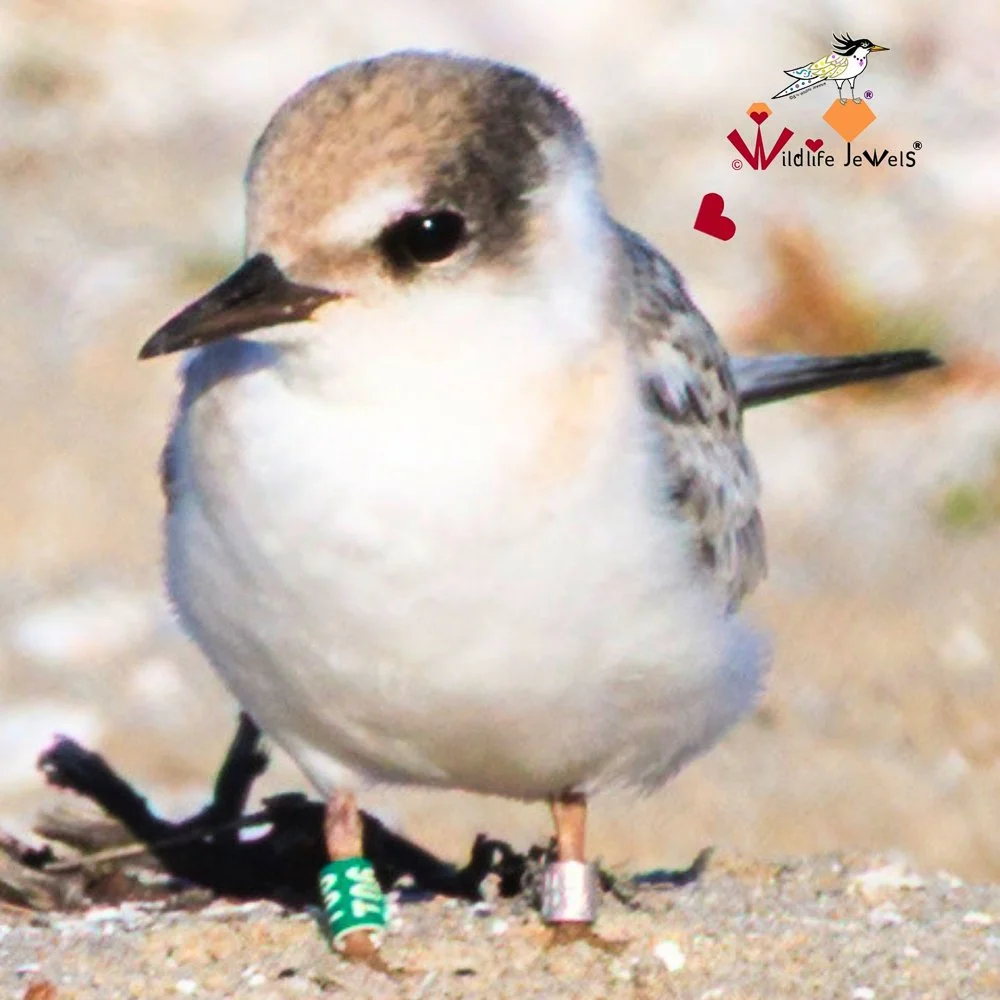
This young California Least Tern, photographed in Carlsbad, is part of a species fighting for survival along California’s coast.
The California Least Tern is federally and state listed as endangered—a designation that reflects how vulnerable this species remains and how important continued protection is to its survival and recovery.
Least Terns nest on open sand and other sparsely vegetated coastal areas, making their eggs and chicks especially vulnerable to habitat loss, human disturbance, dogs, and activity near nesting colonies.
Look closely at this little bird’s legs: she is wearing a green research band and a federal metal band. Bird banding helps biologists learn about individual birds—their survival, movements, breeding history, and connections between nesting colonies—providing valuable information for conservation.
California Least Terns can live for many years, with some banded individuals documented surviving for more than two decades. That means a tiny band placed on a chick today can potentially help researchers follow her story for years to come.
For an endangered species, every single successfully raised chick matters. Protecting nesting habitat, respecting posted closures and fencing, keeping dogs away from colonies, and giving birds plenty of space can make a meaningful difference.
This precious chick was photographed from a distance through protective fencing, allowing her to remain undisturbed.
Every nest matters. Every chick matters. Every protected stretch of habitat matters.💚
Learn about Wildlife Jewels EYES and ways you can get involved!
Learn about Wildlife Jewels Rescue Crew and ways you can help!
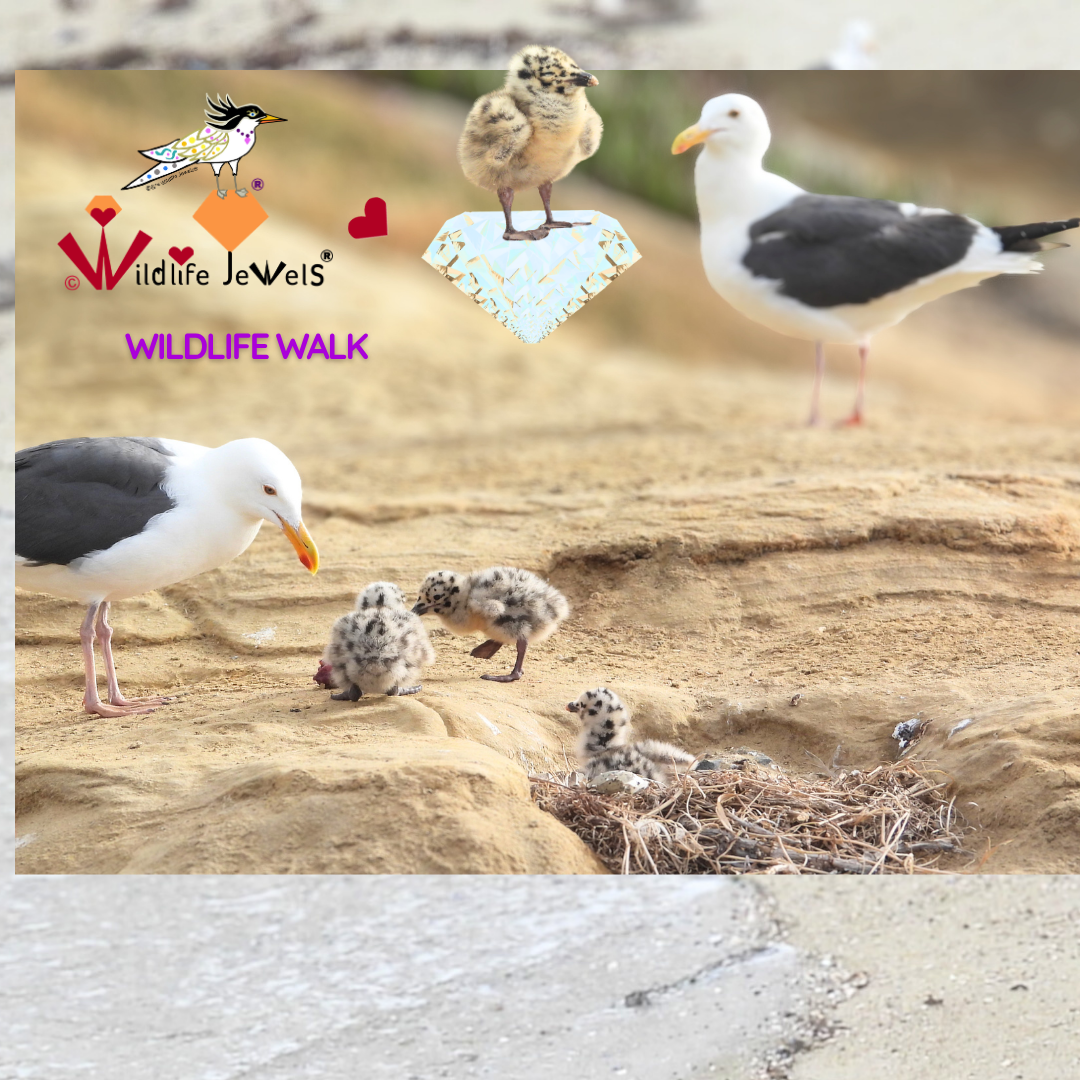
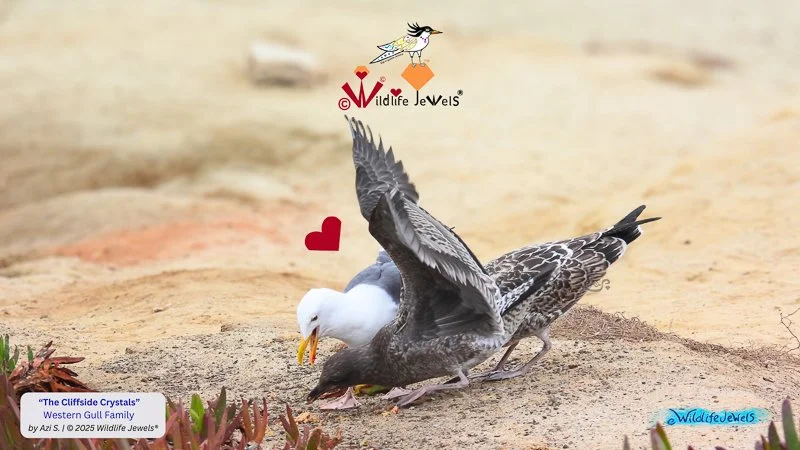
Meet Opal the Western Gull
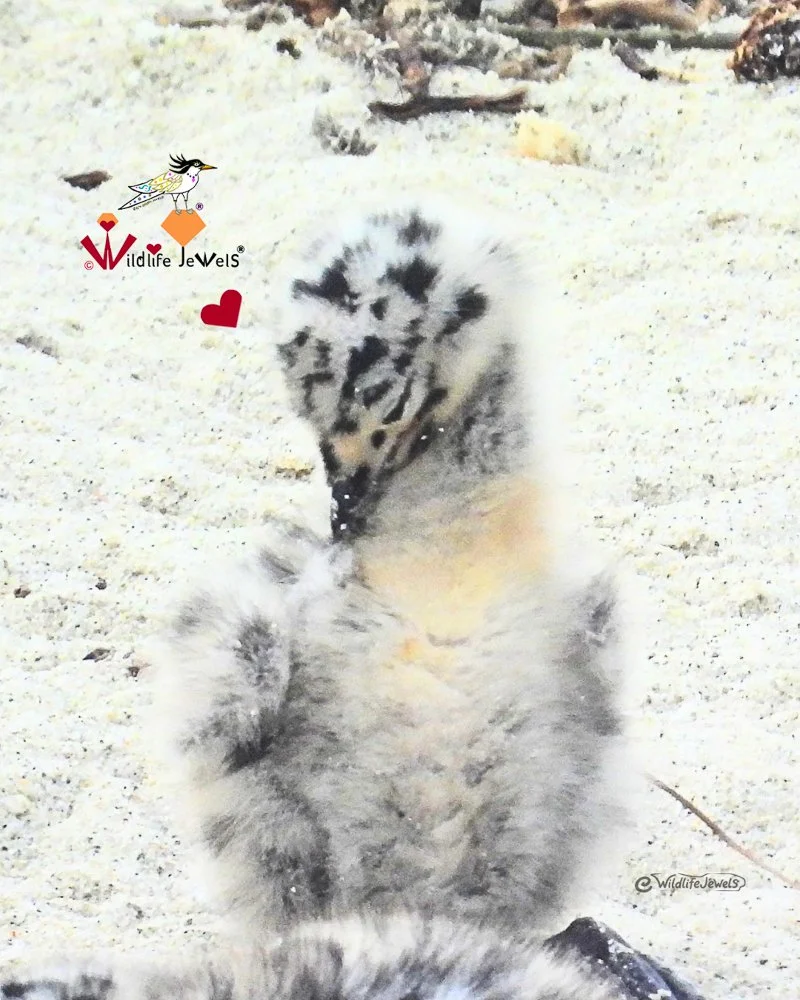
Meet Opal, the Western Gull chick, when she was just about a week old. 🤍
We’ve spent countless hours in the field observing and helping protect Opal and her family since she was still an egg. This photograph was taken in June 2026. 💜
Watching Opal grow from a tiny chick into the beautiful fledgling she is today has been incredibly special—and a reminder of why every effort to protect vulnerable wildlife matters.
Opal is now one of the precious wild lives featured in our Jewels of La Jolla educational art collection, celebrating the remarkable wildlife that makes this coastline so magical. ✨
Image: Opal, Western Gull chick, June 2026, La Jolla, CA. © Wildlife Jewels® | Photo by Azi Sharif
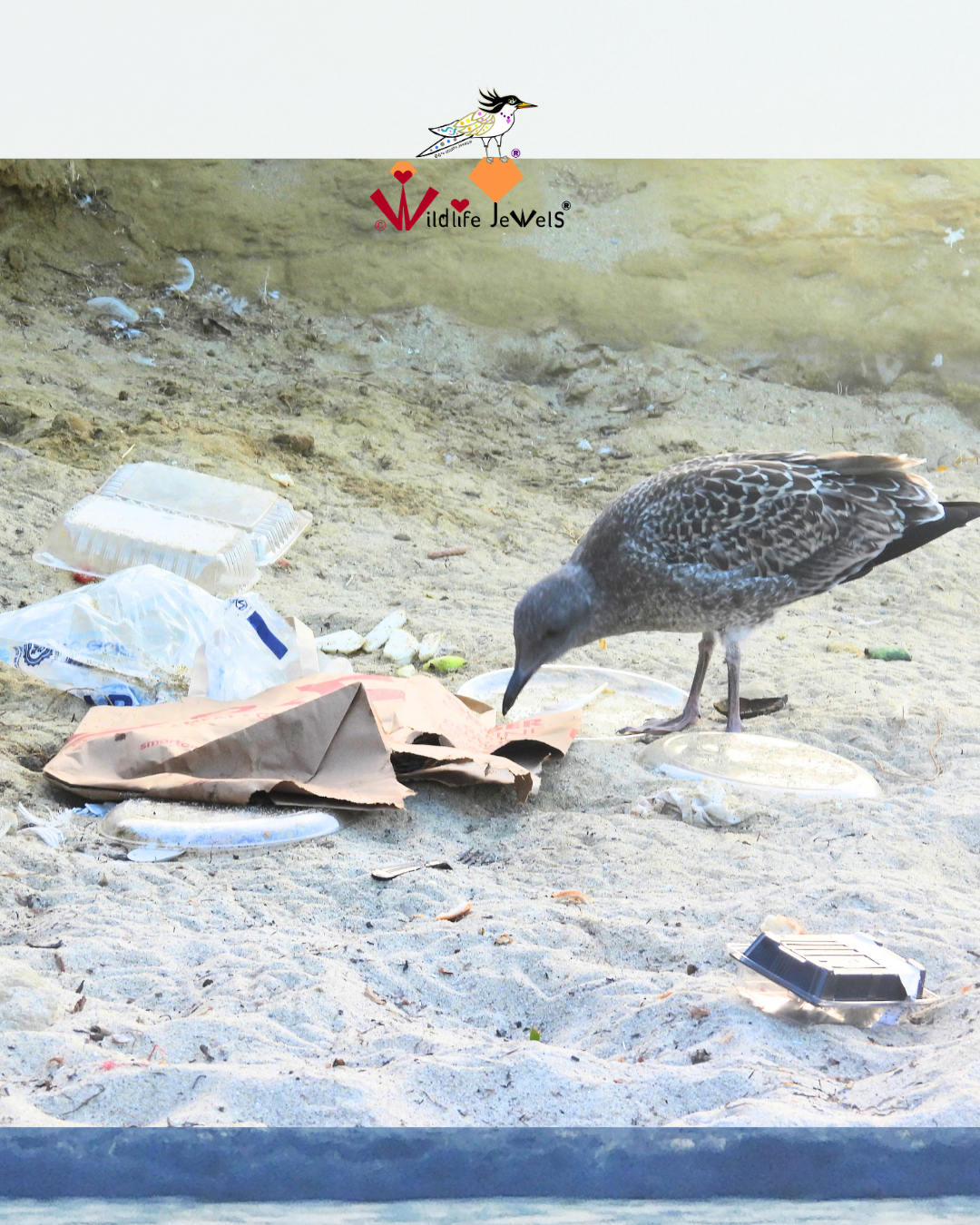
Opal the Gull pecking at discarded plastic left near her nesting area © Wildlife Jewels® / Azi Sharif | August 2, 2026
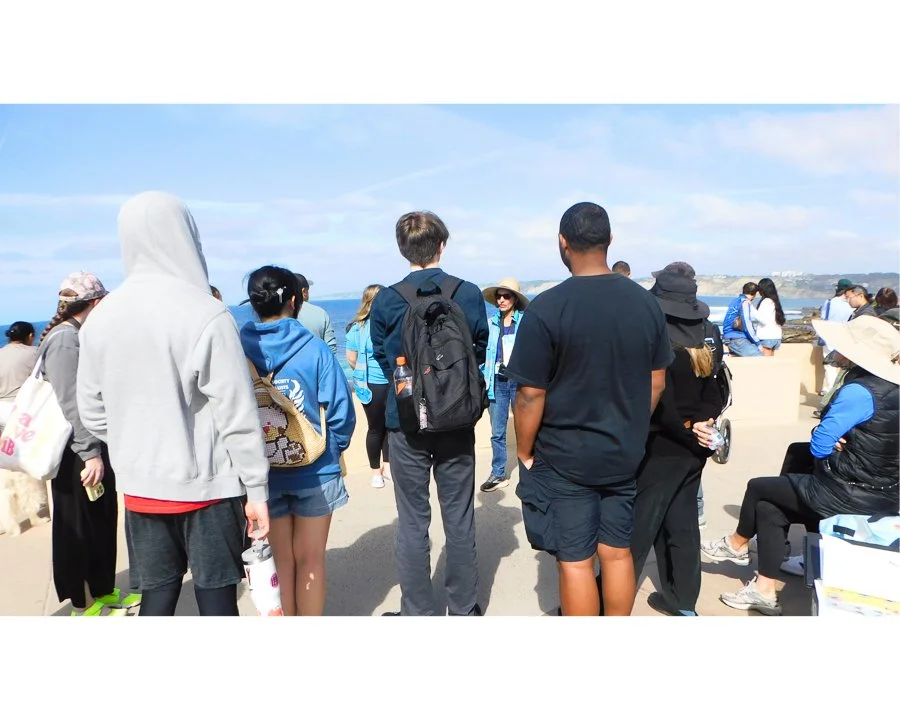
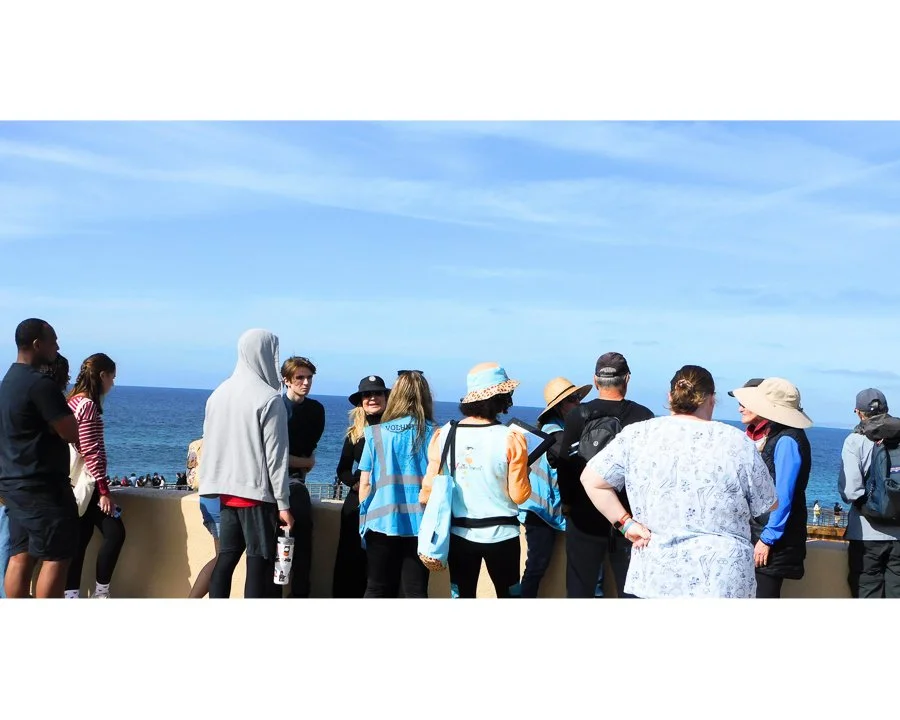
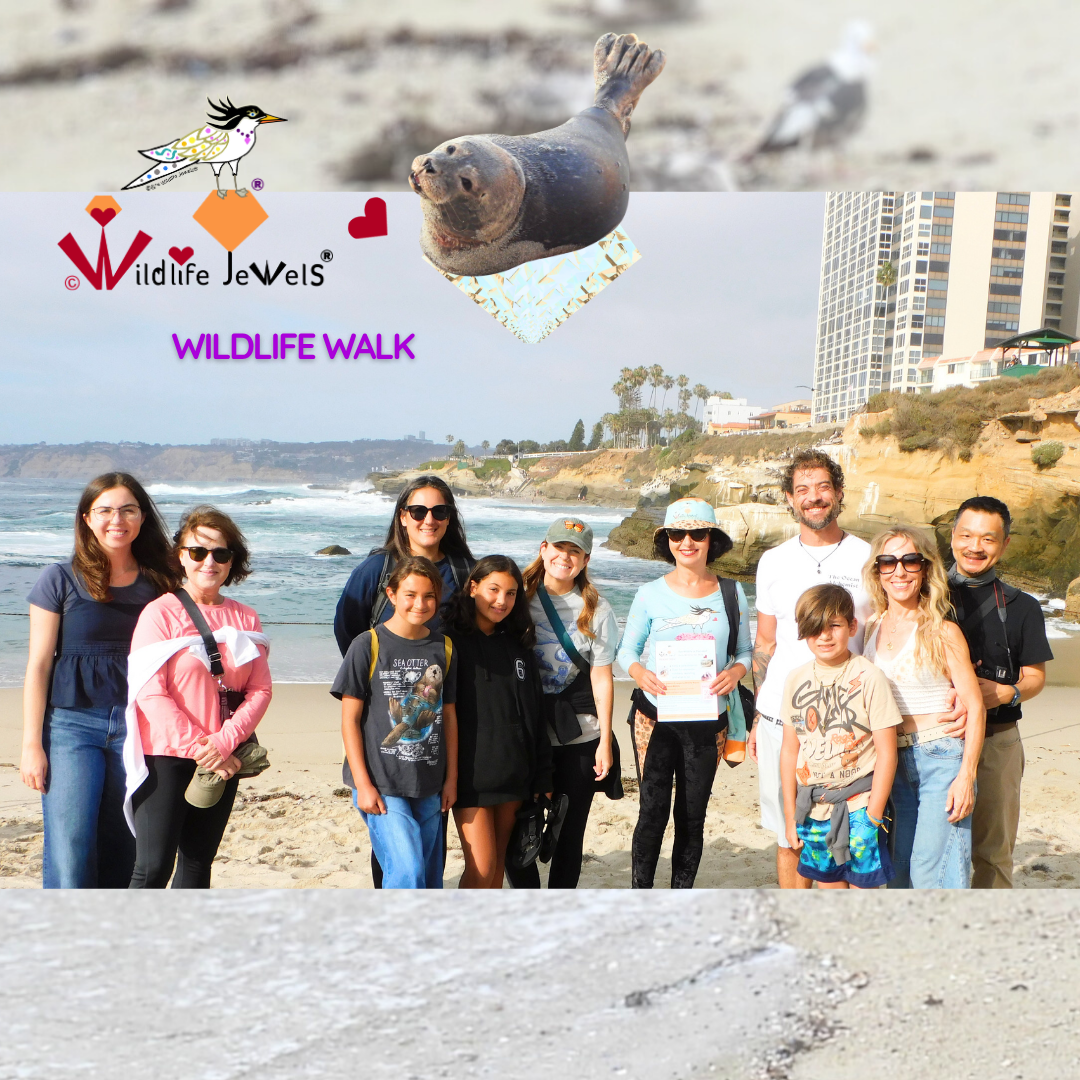
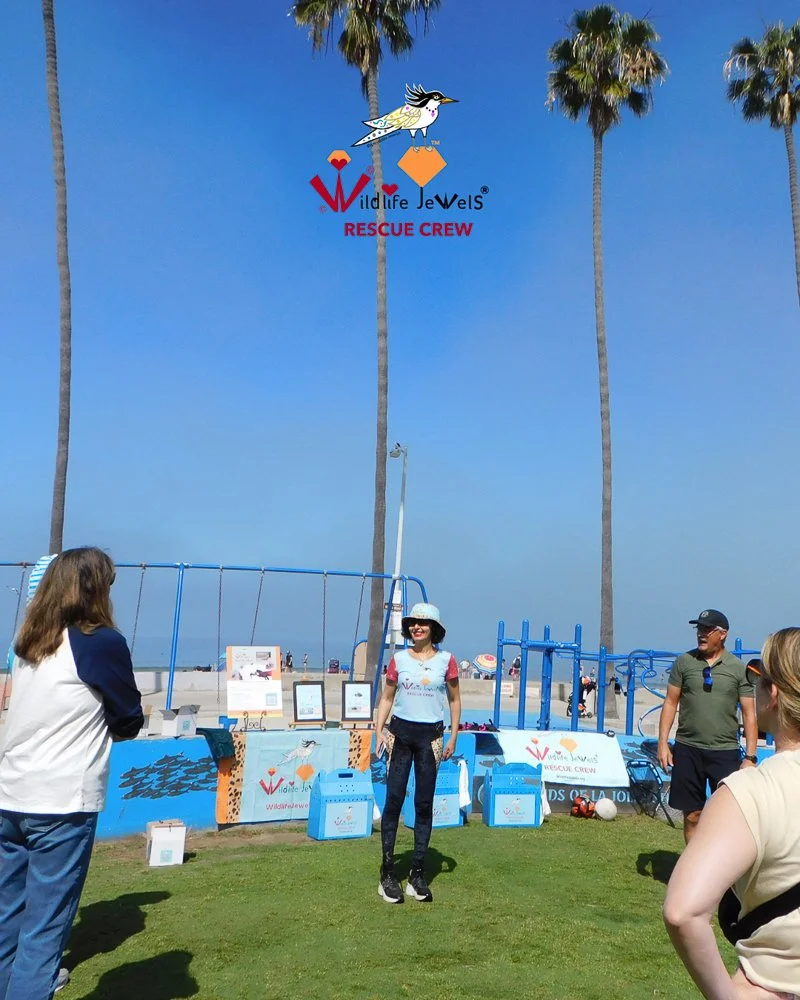
Wildlife Jewels’ World Ocean Day Wildlife Walk, La Jolla
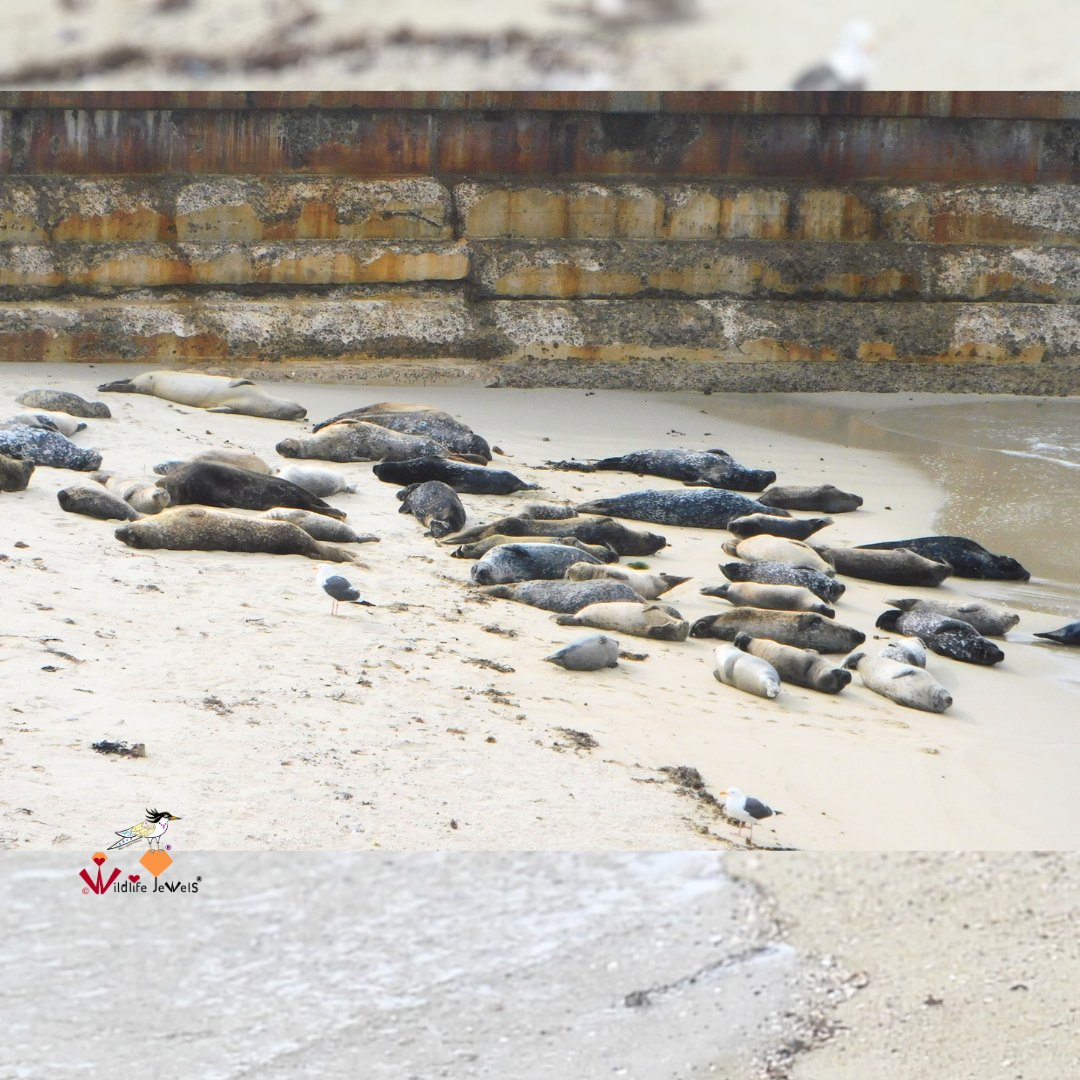
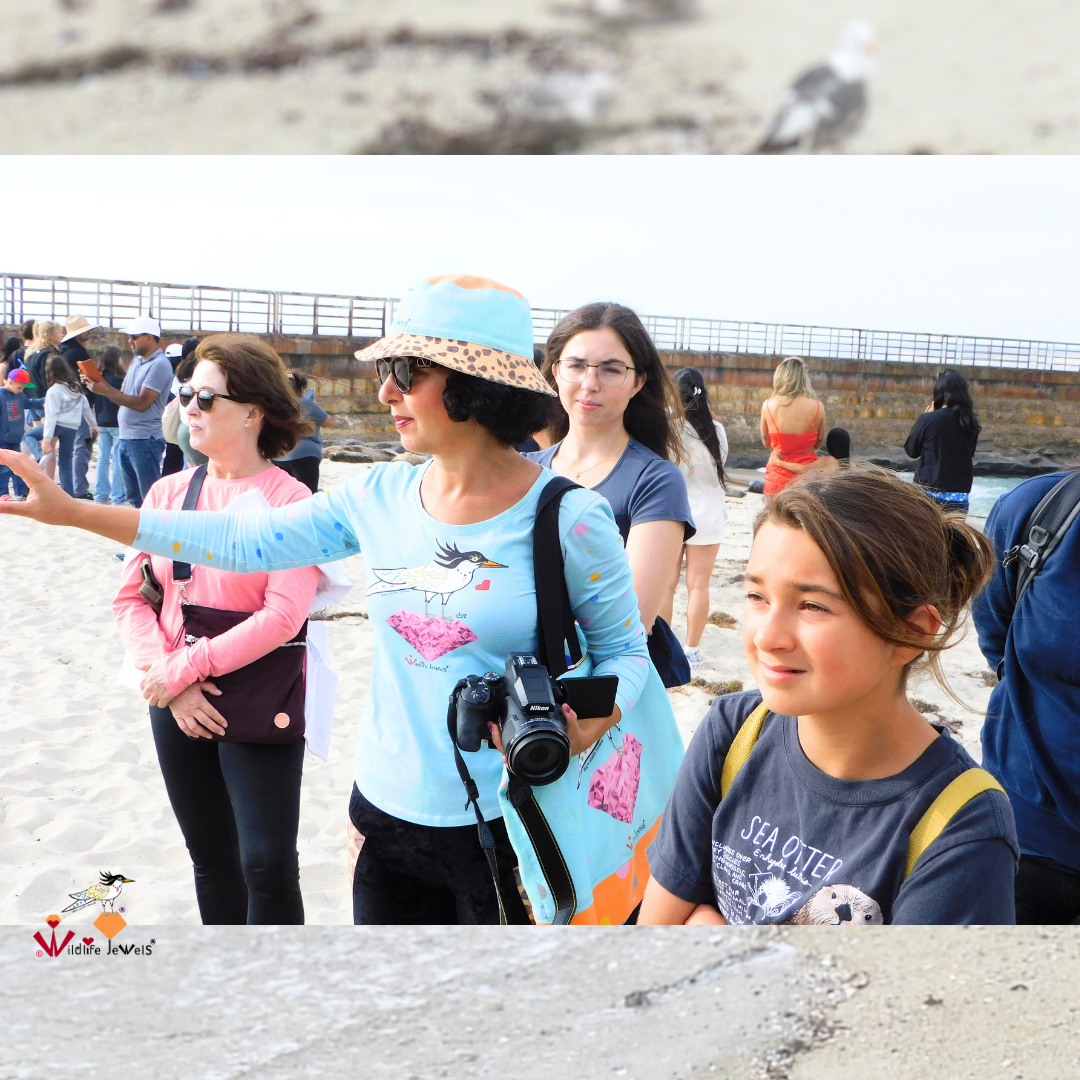
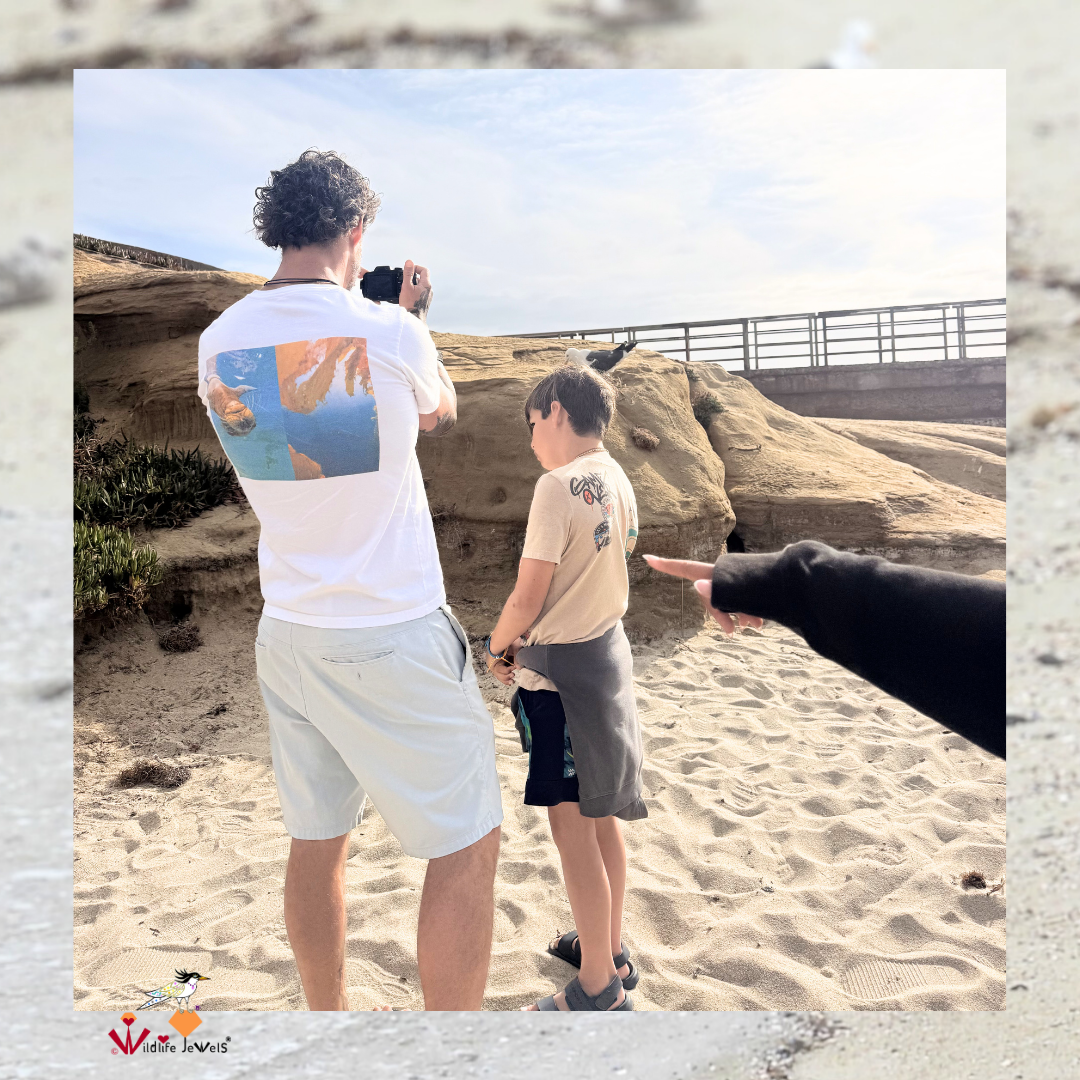
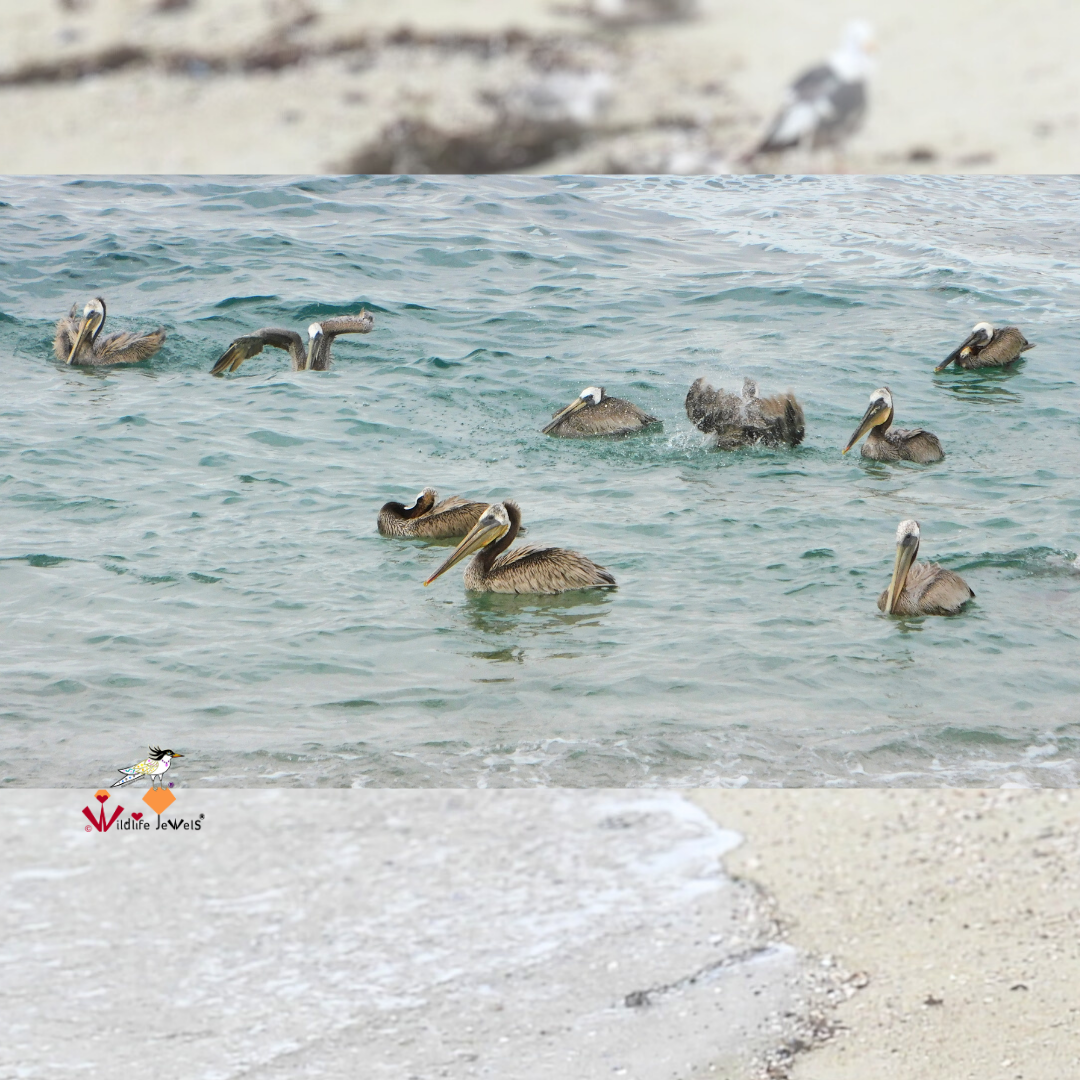
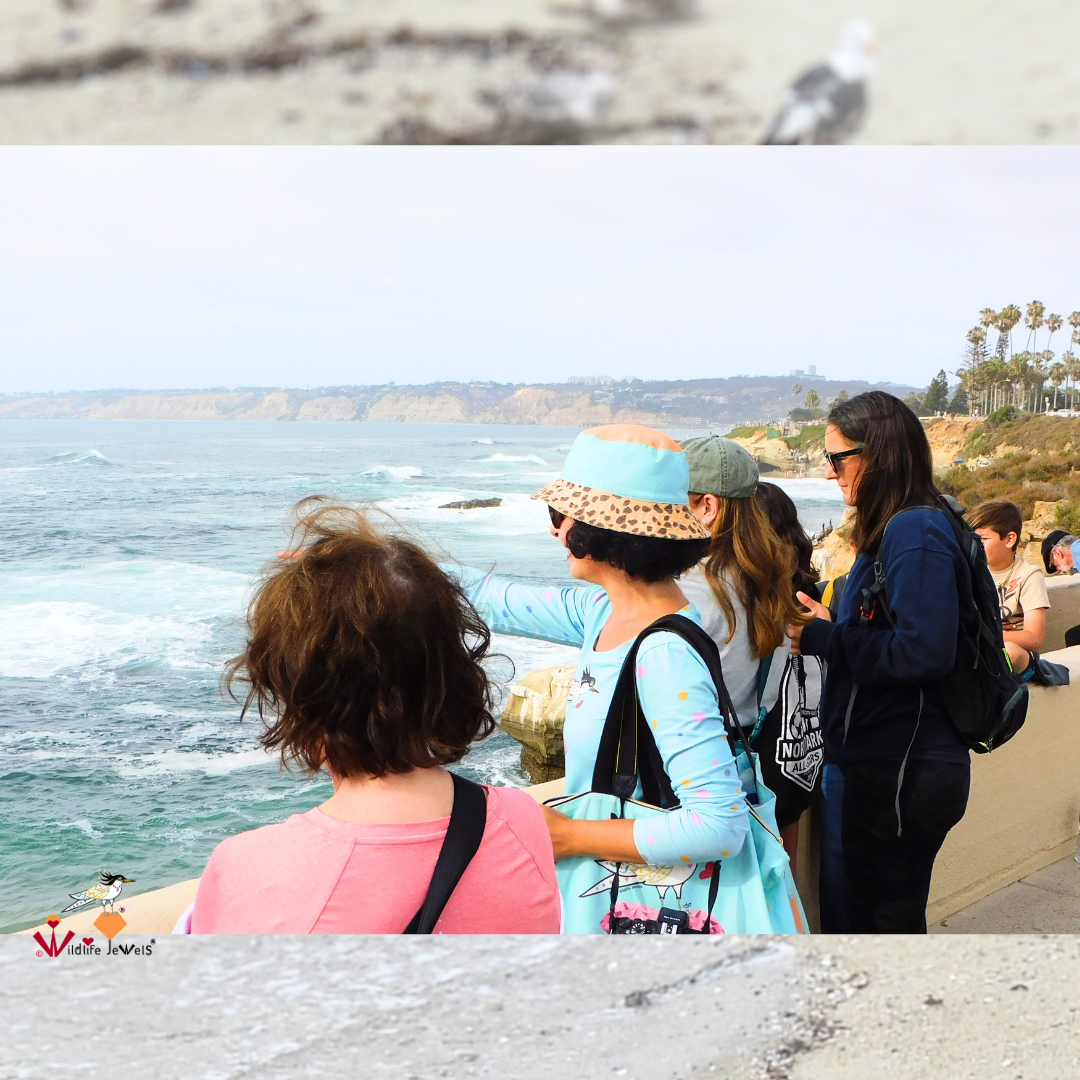
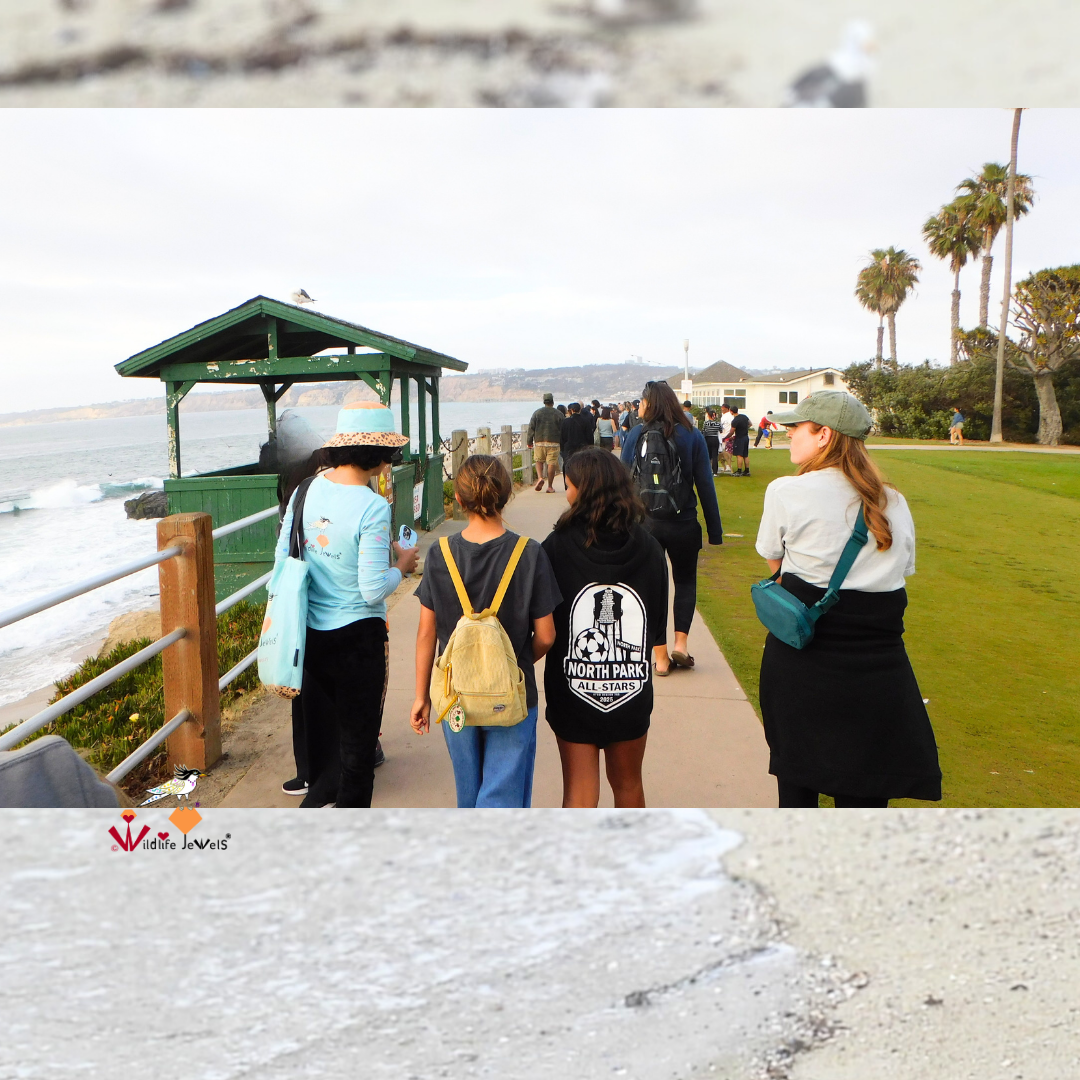
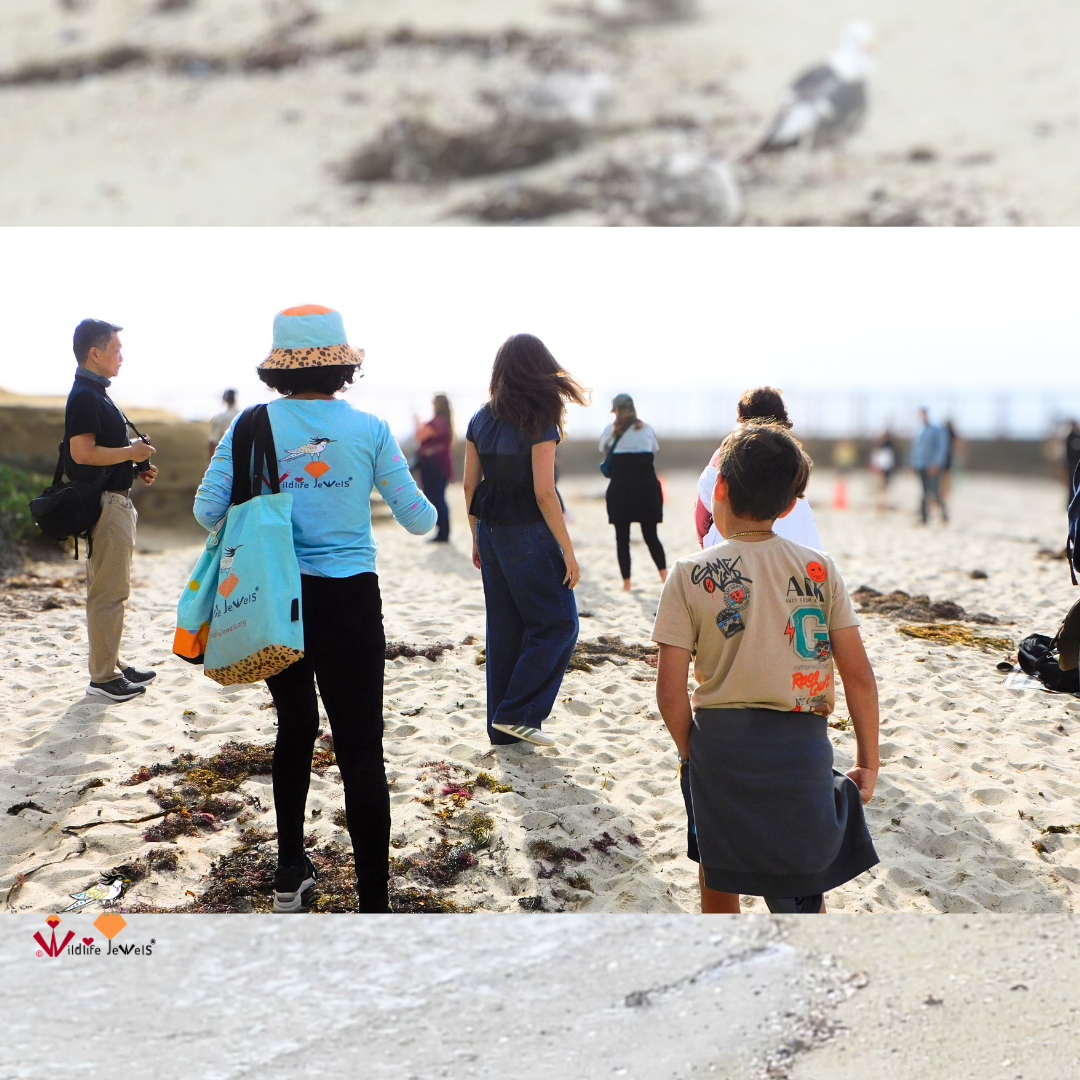
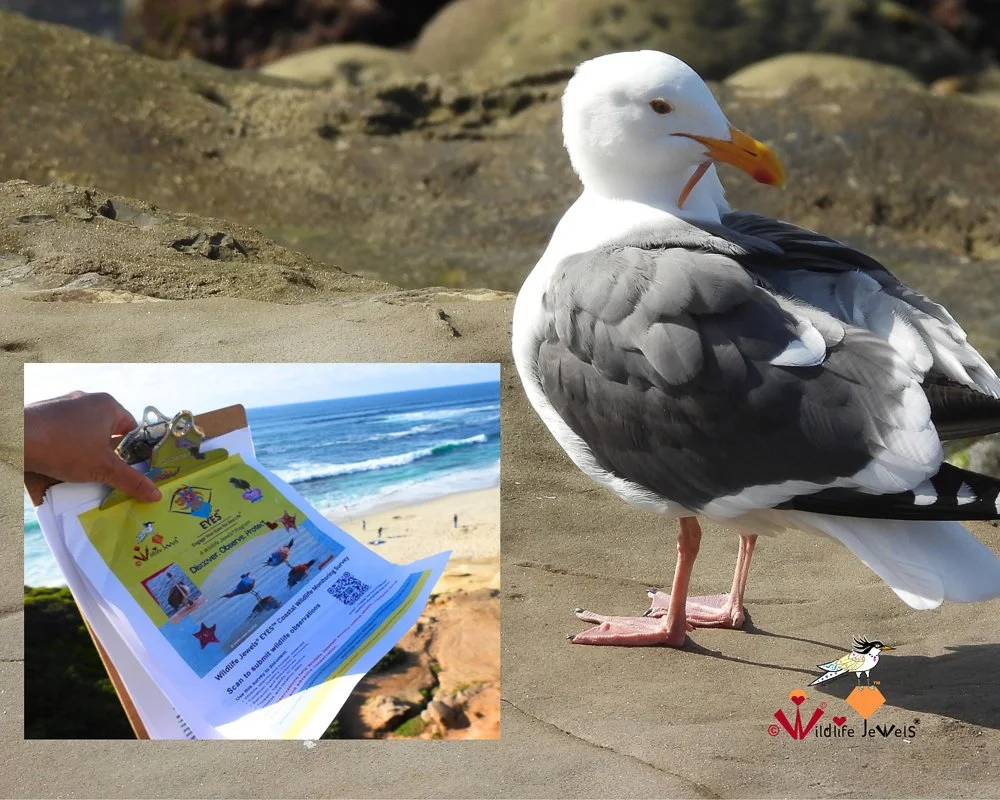
Observed during our EYES™ Field Day with SDSU MEBSA students: a Western Gull with a concerning beak injury—highlighting the importance of careful observation and reporting.
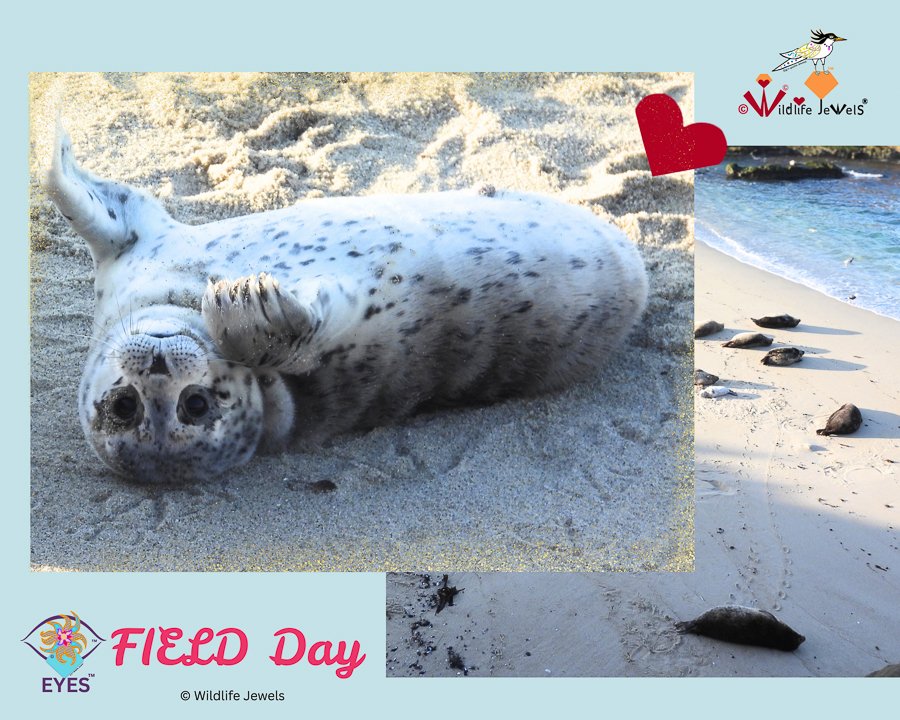
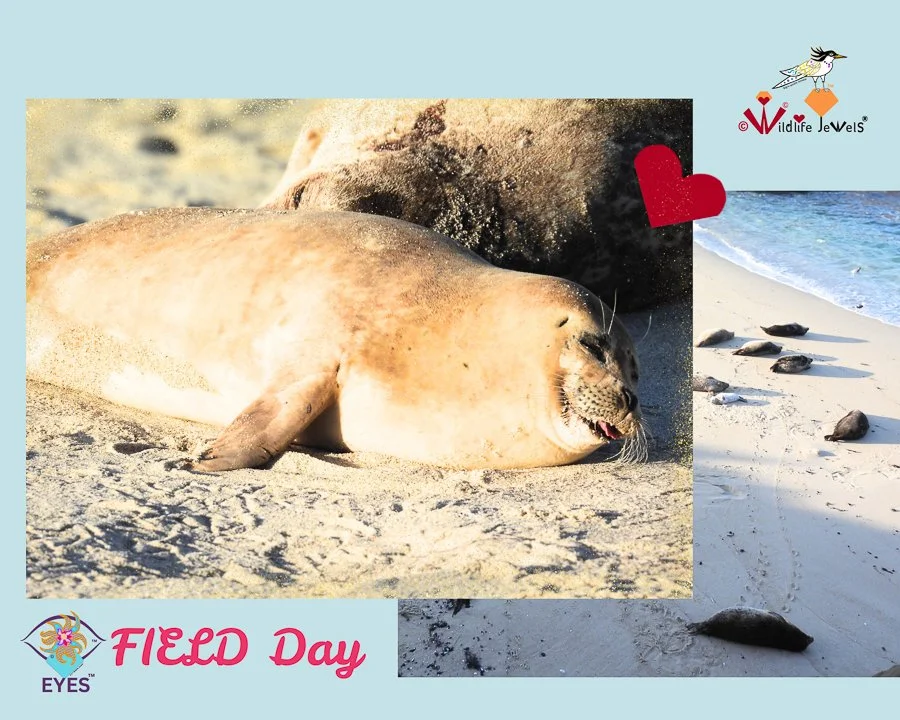
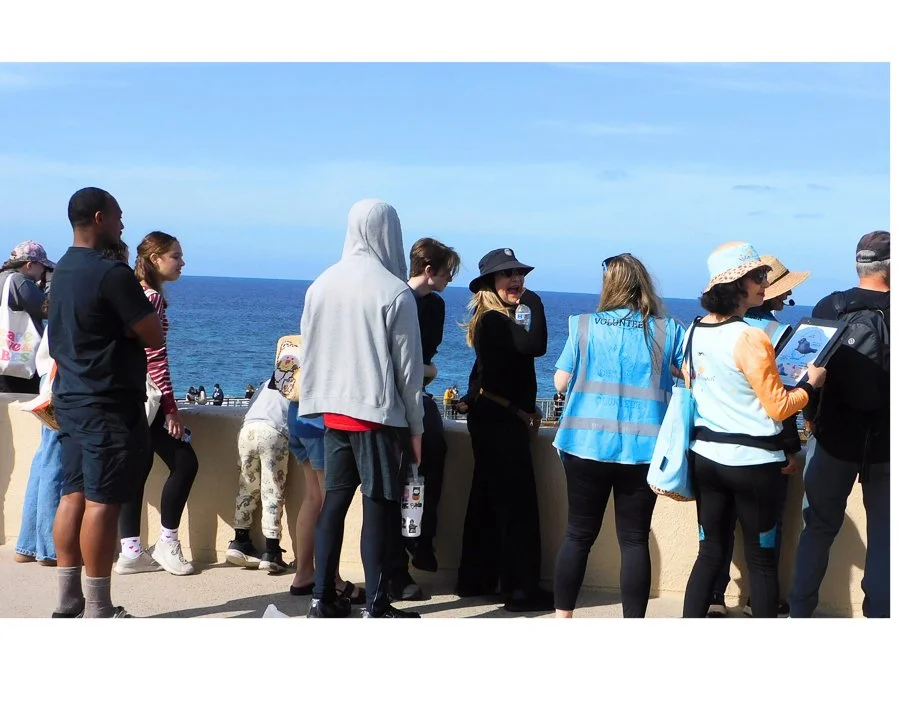
👀 Join EYES™ (Engage Your Eyes for Sea Life)
Become part of our coastal wildlife monitoring community—learn what to look for, how to observe responsibly, and how to report concerns to help keep birds and other coastal wildlife safe.
Learn more at about ways you can protect coastal wildlife at the Wildlife Jewels Resources Page
🛟 Join the Wildlife Jewel Rescue Crew (observation & reporting only)
Help support local wildlife rescue response by assisting with reporting, coordination, and (for trained, permitted volunteers only, transport support when a bird needs help.)
✨ Together, we can turn wildlife observation into action and help protect the magical Jewels that make our coastline so special.
EYES Community BIRD WALK, National Bird Day JANUARY 2026
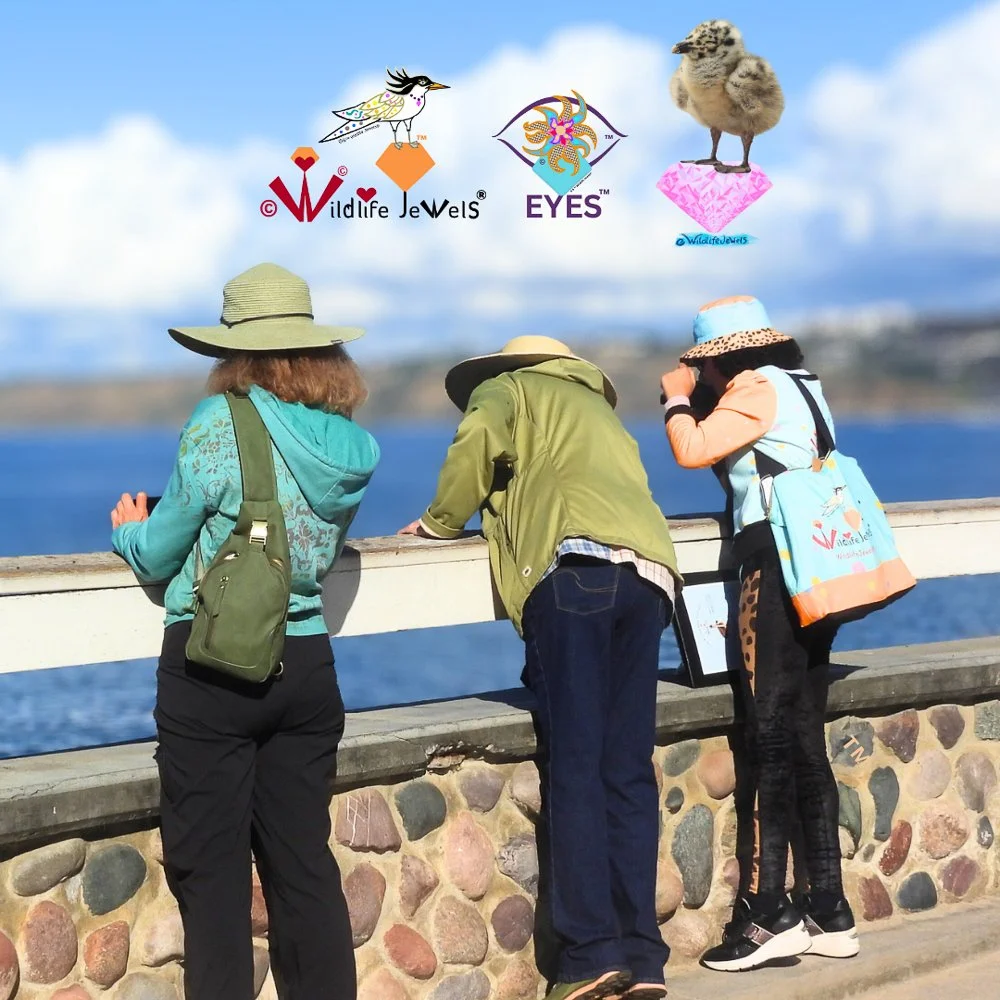
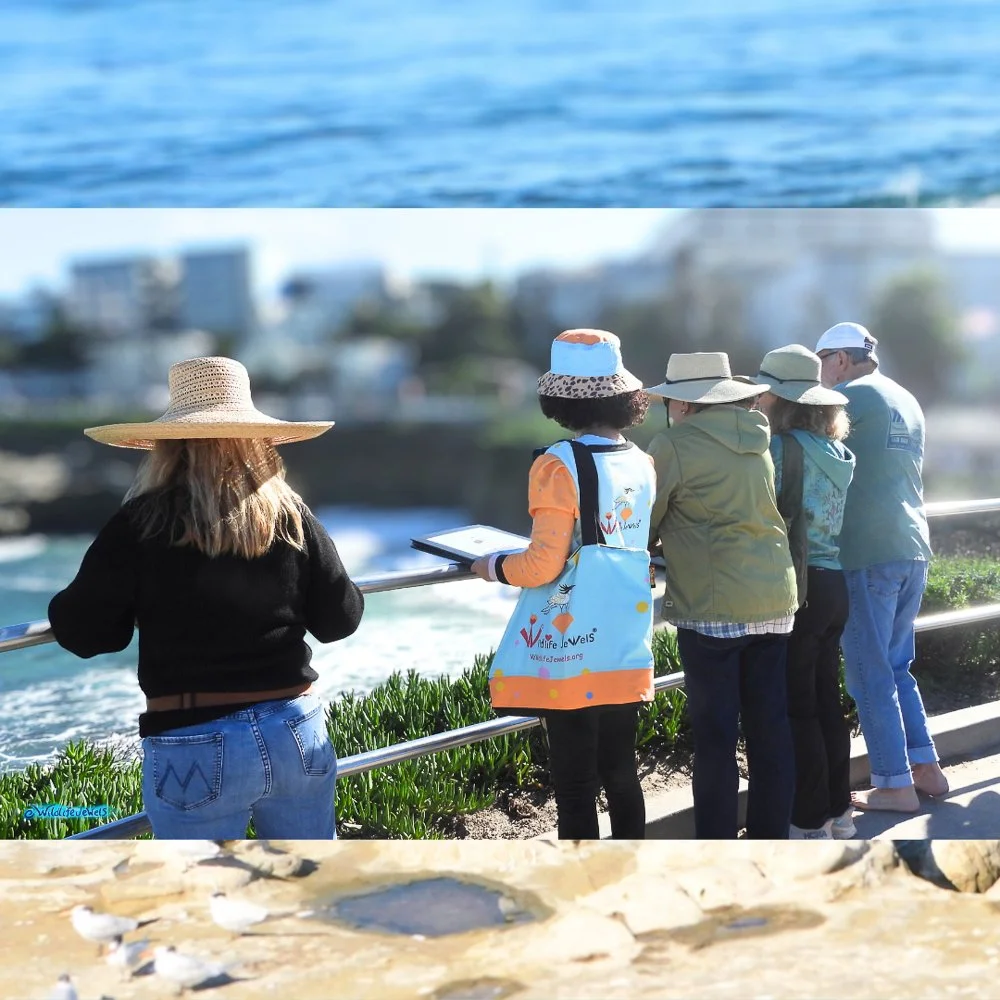
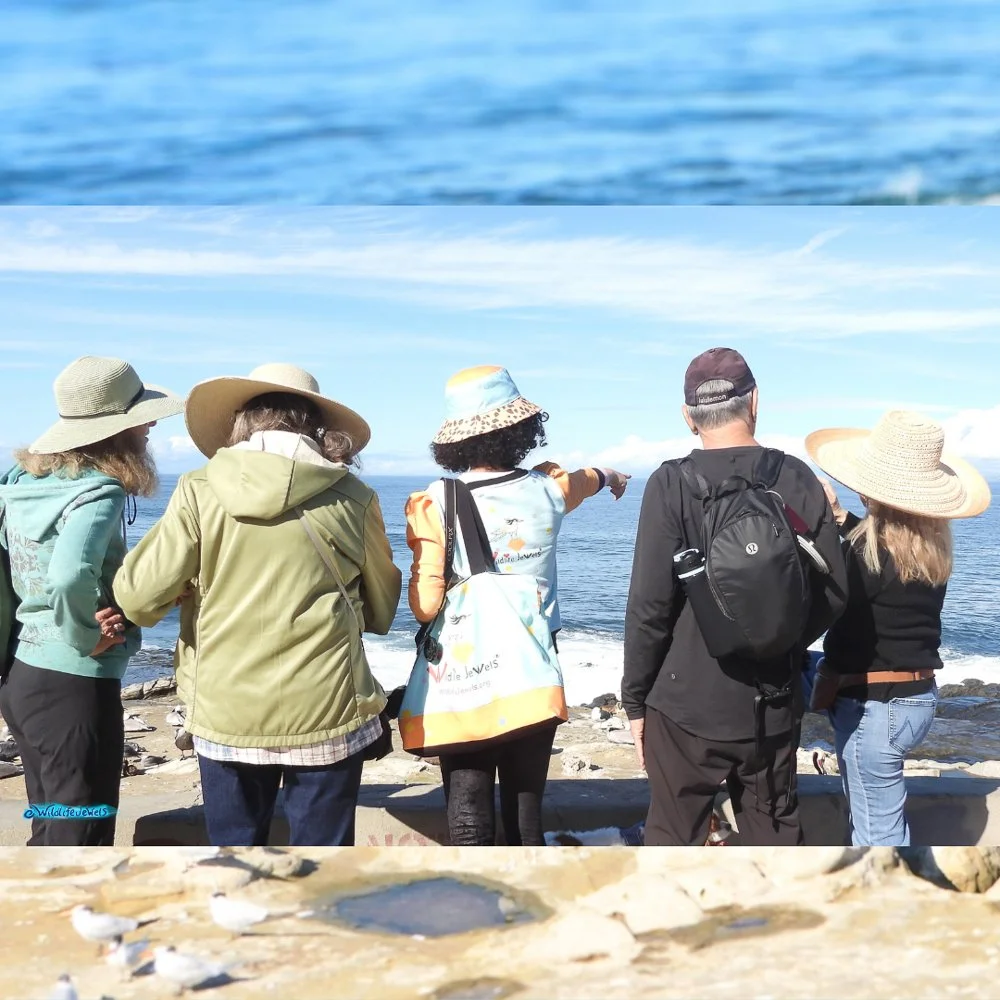
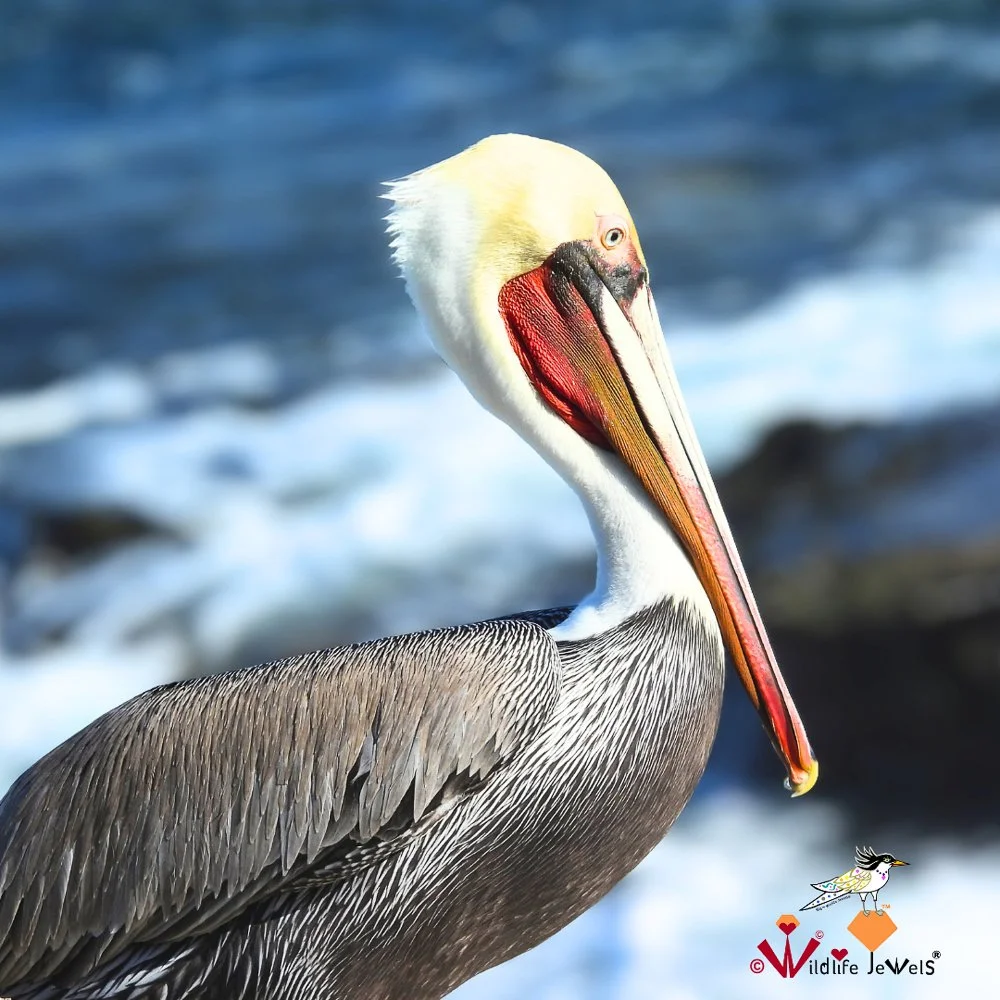
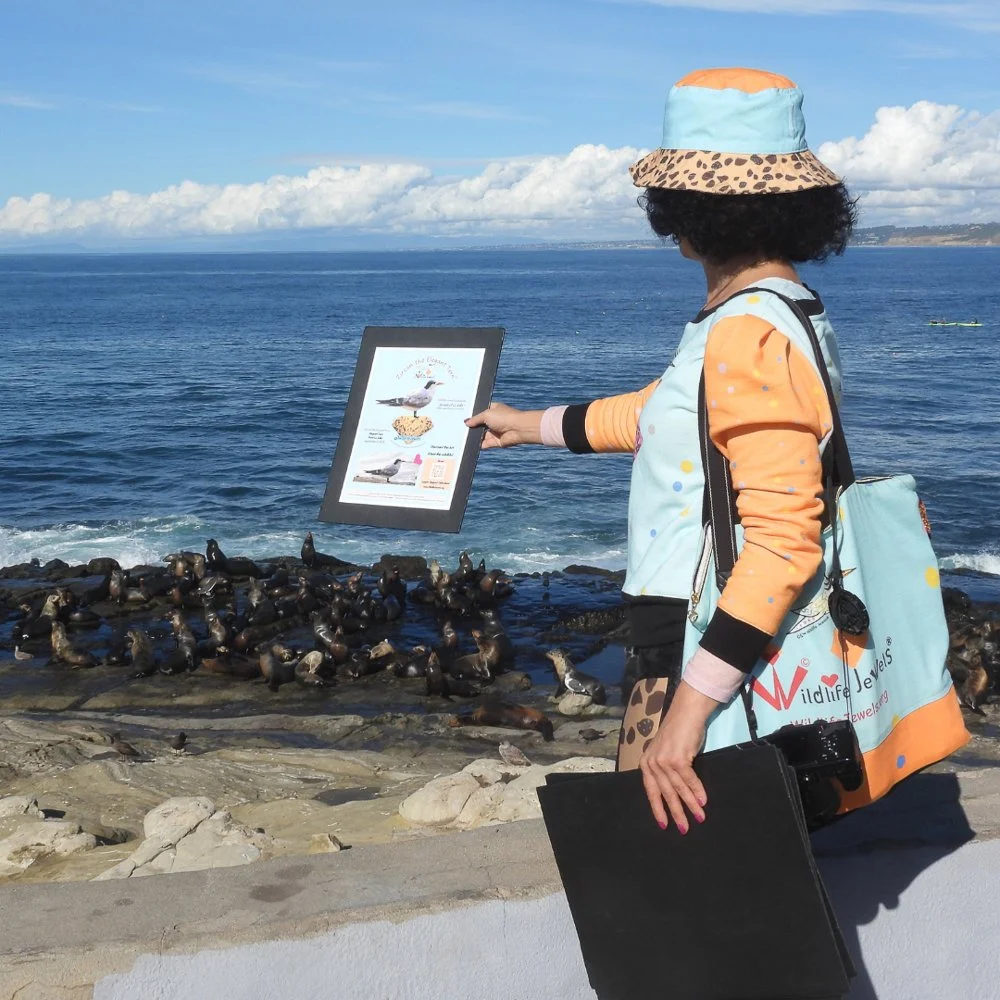
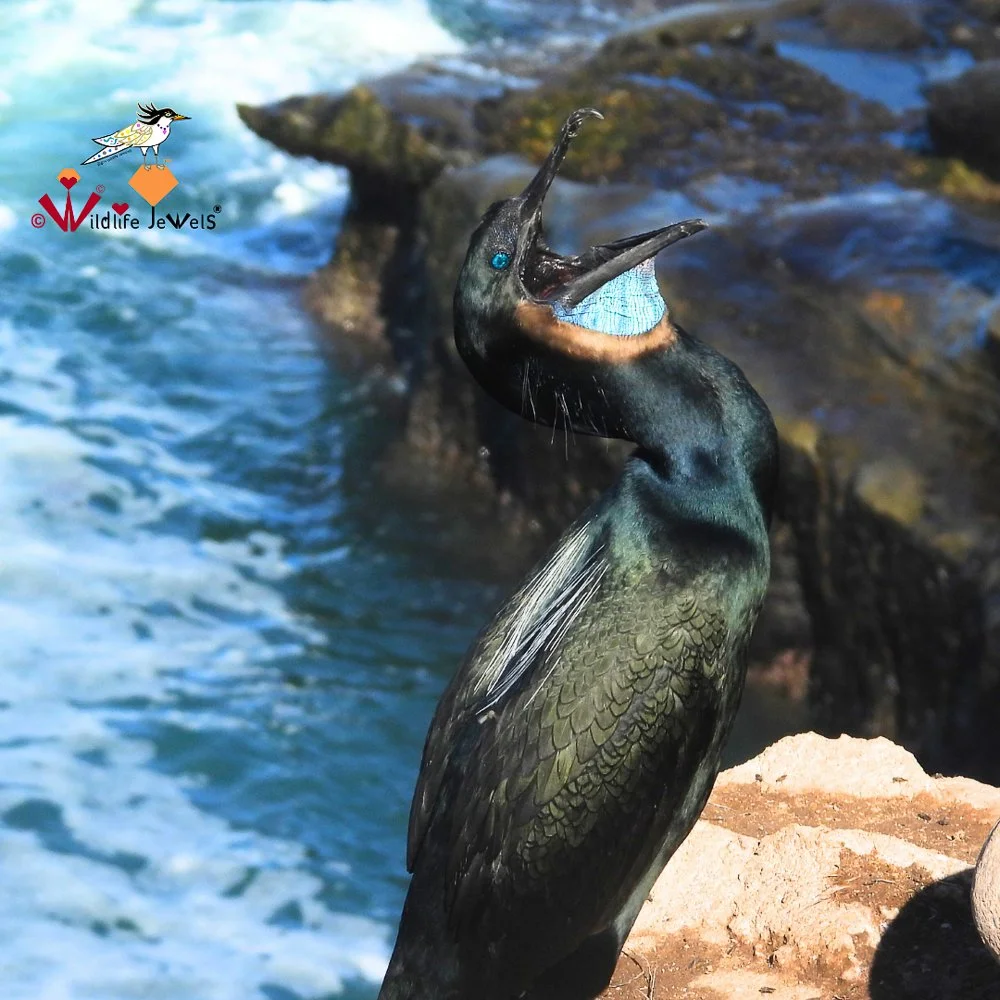
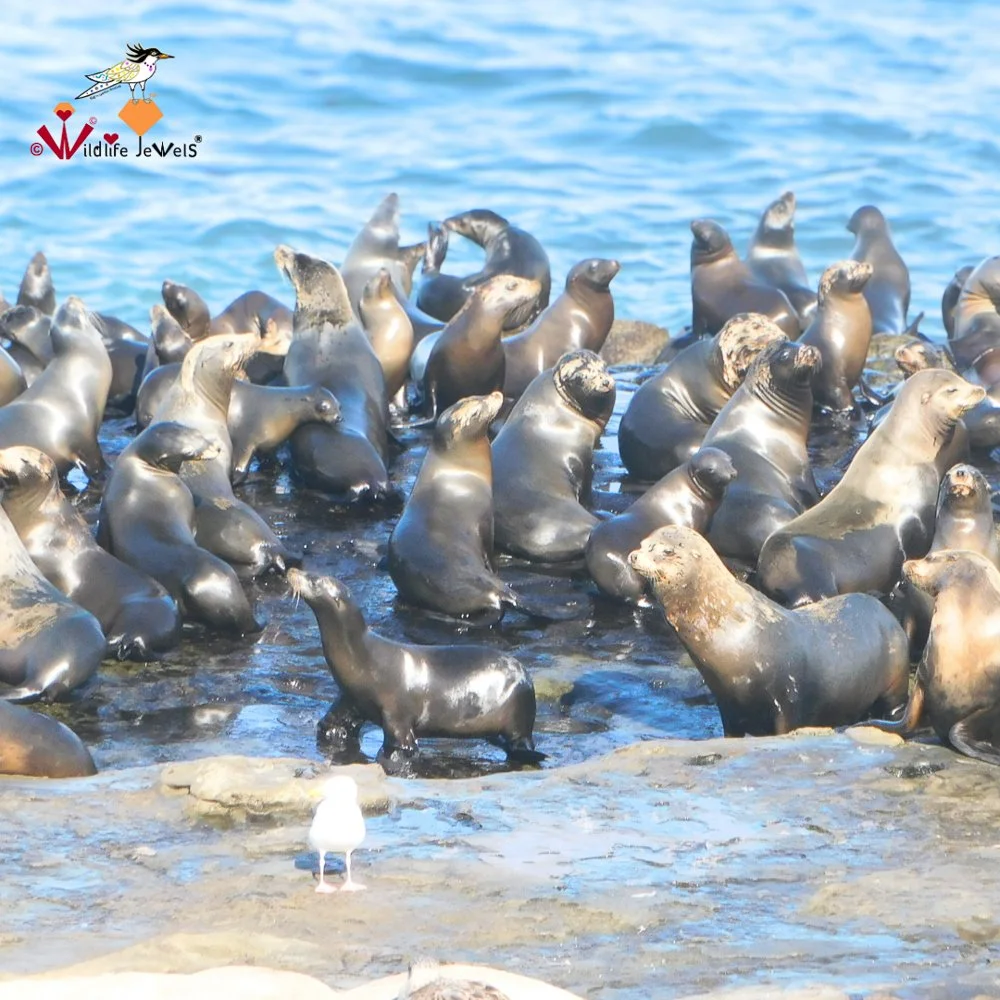
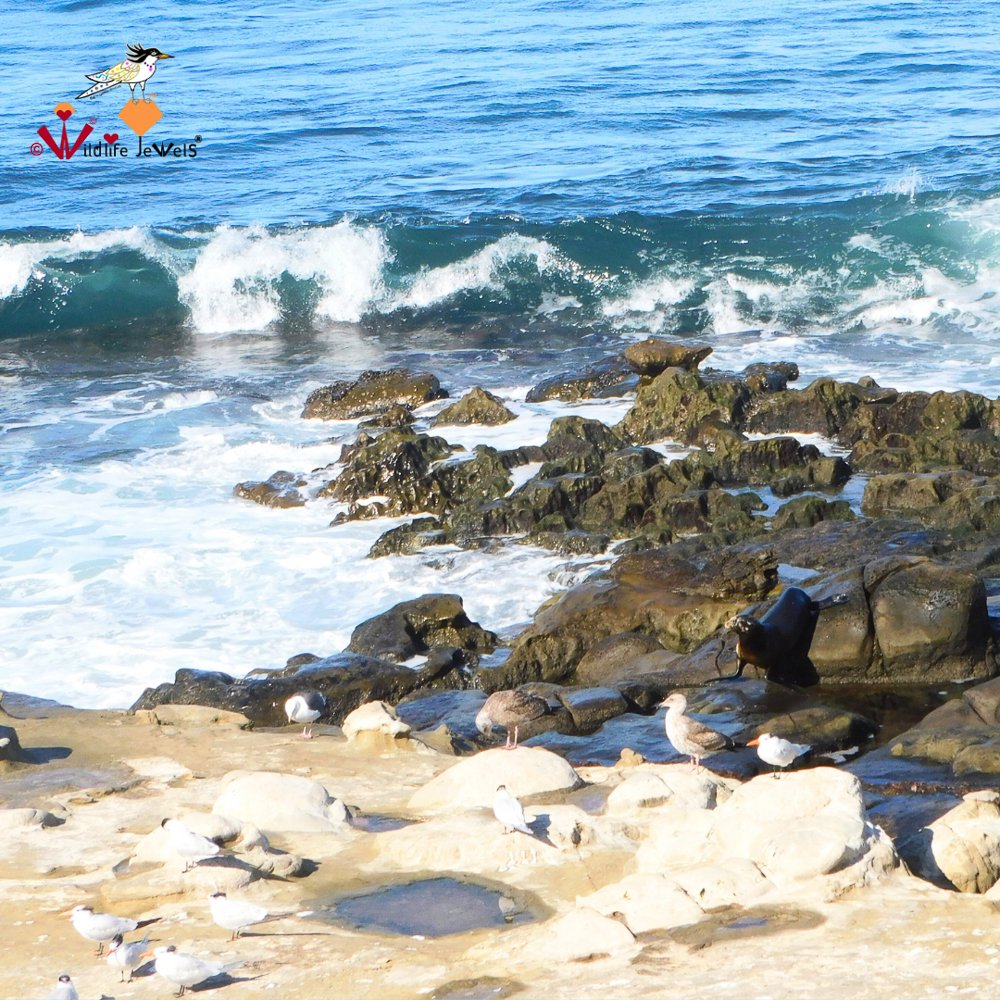
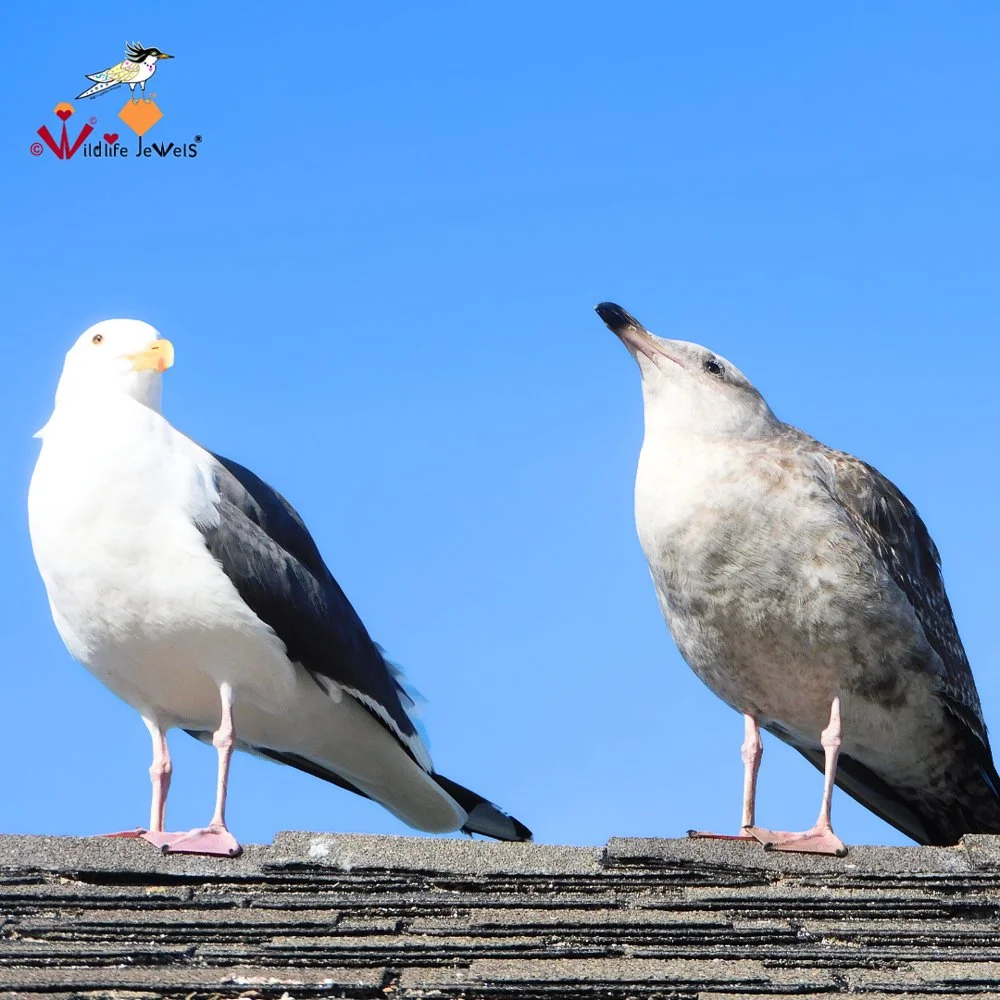
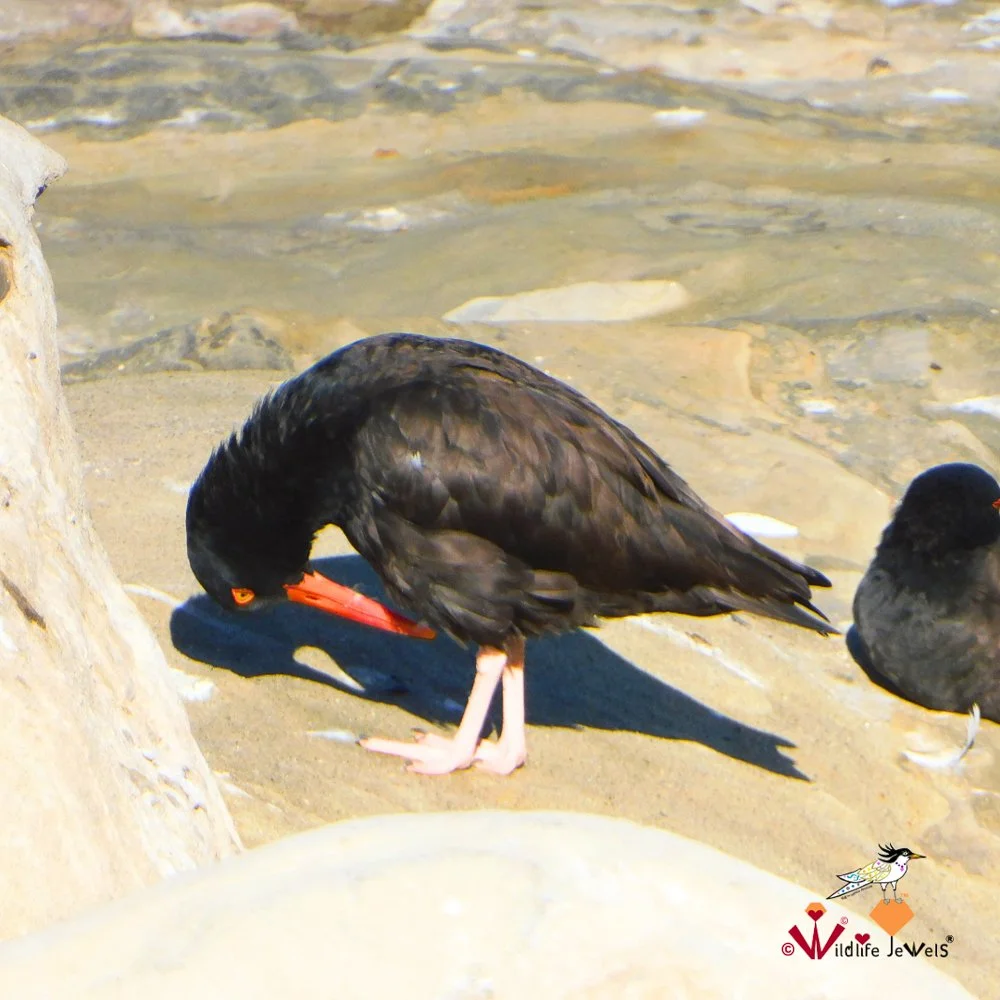
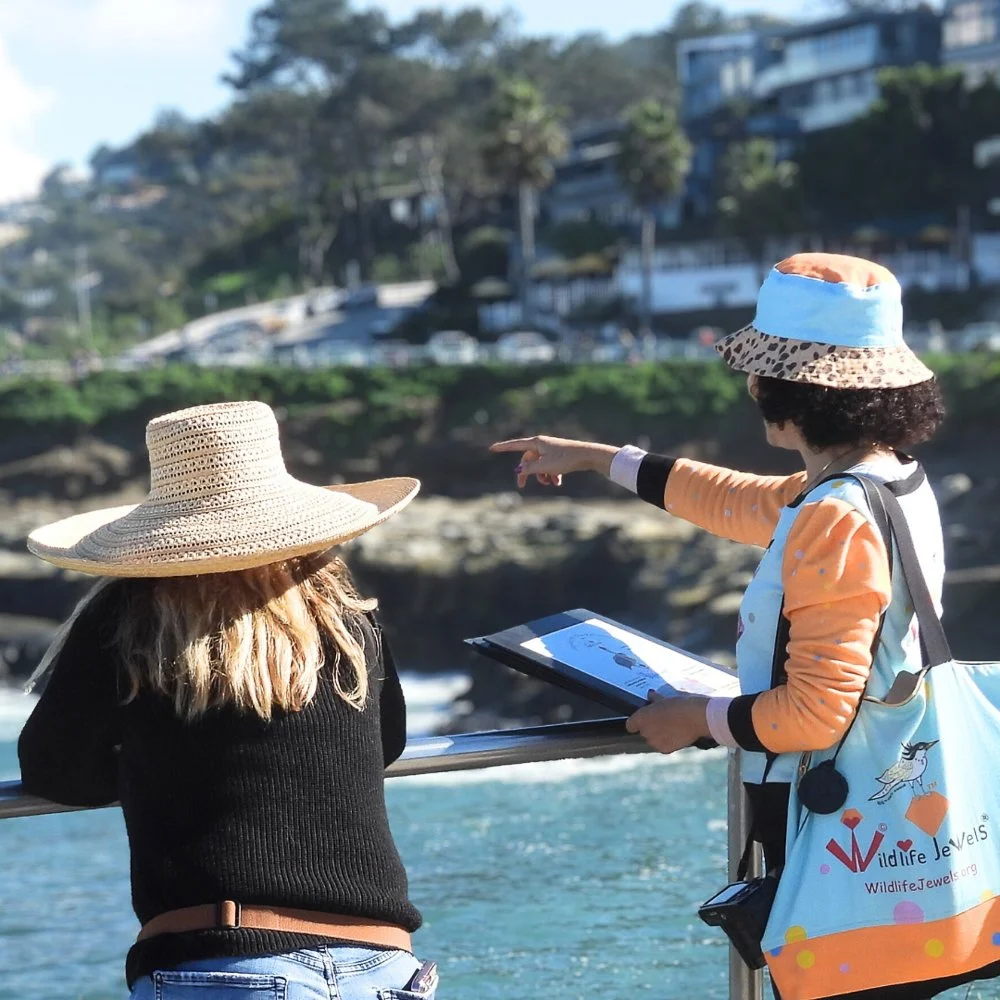
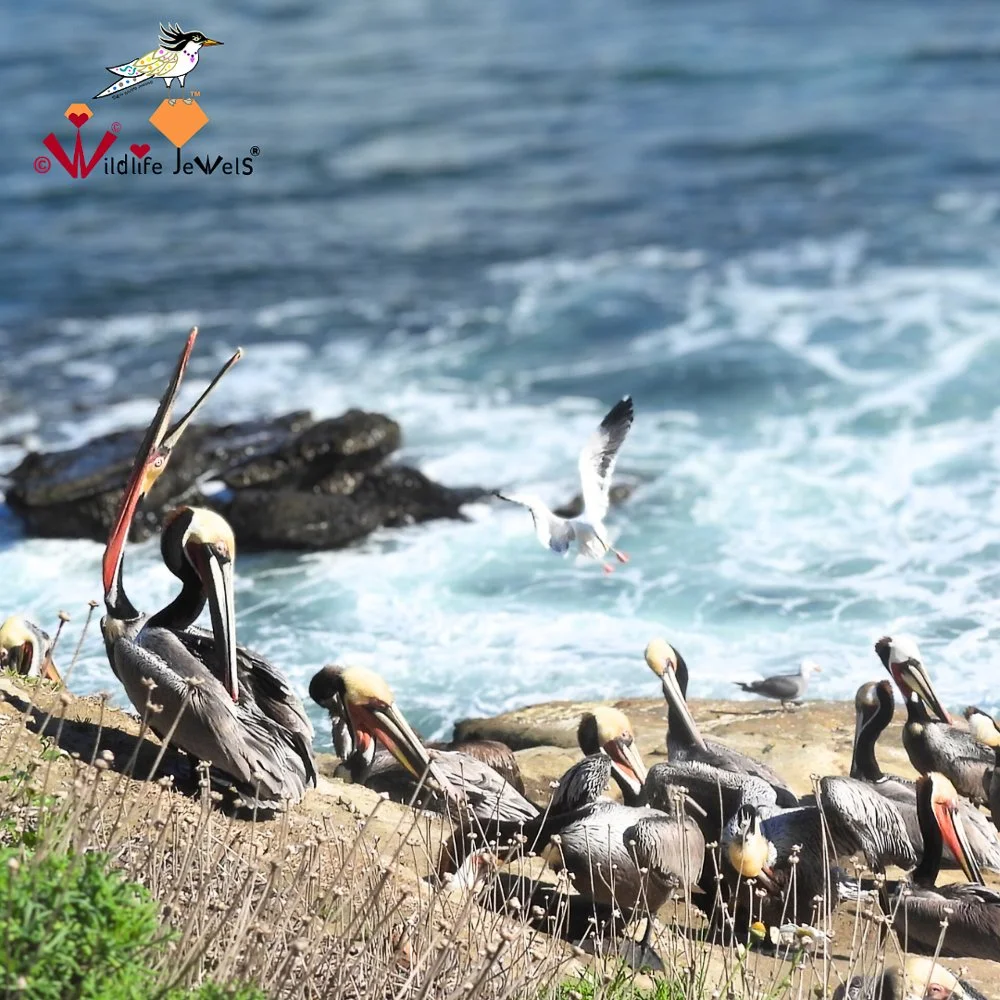
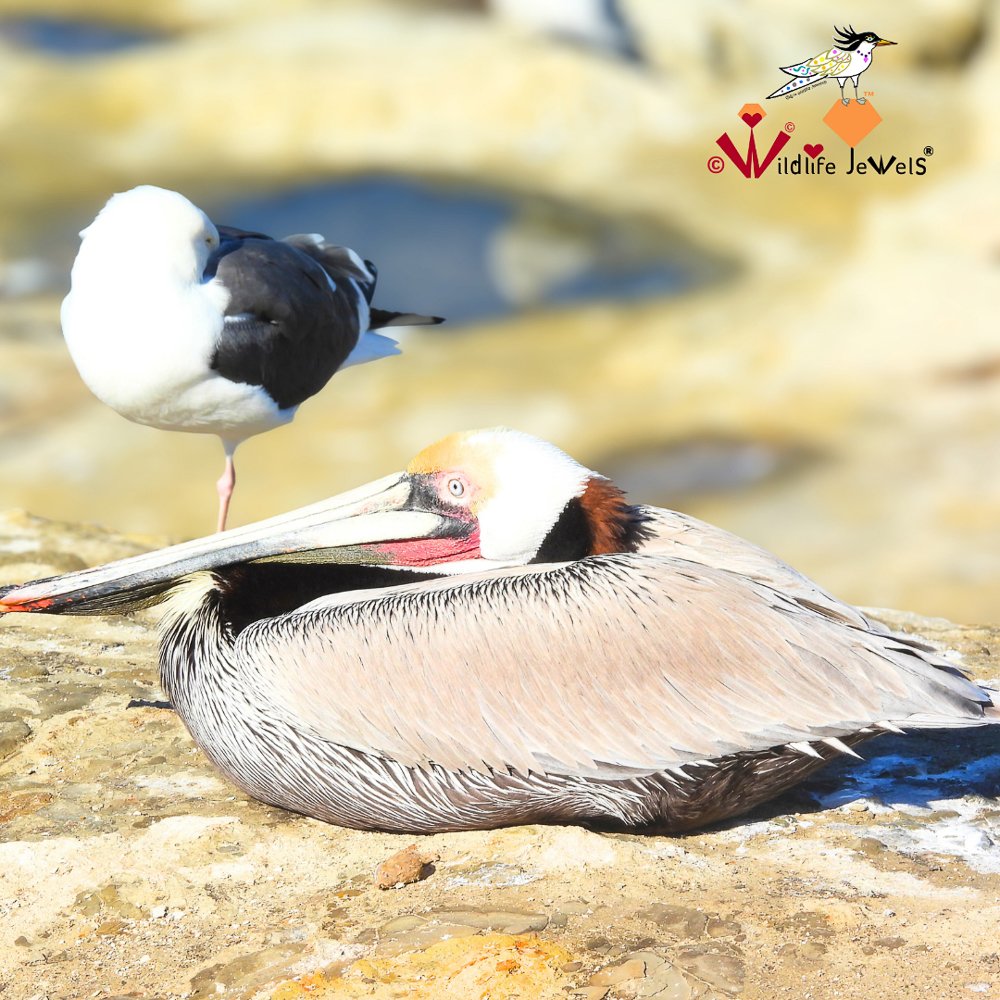
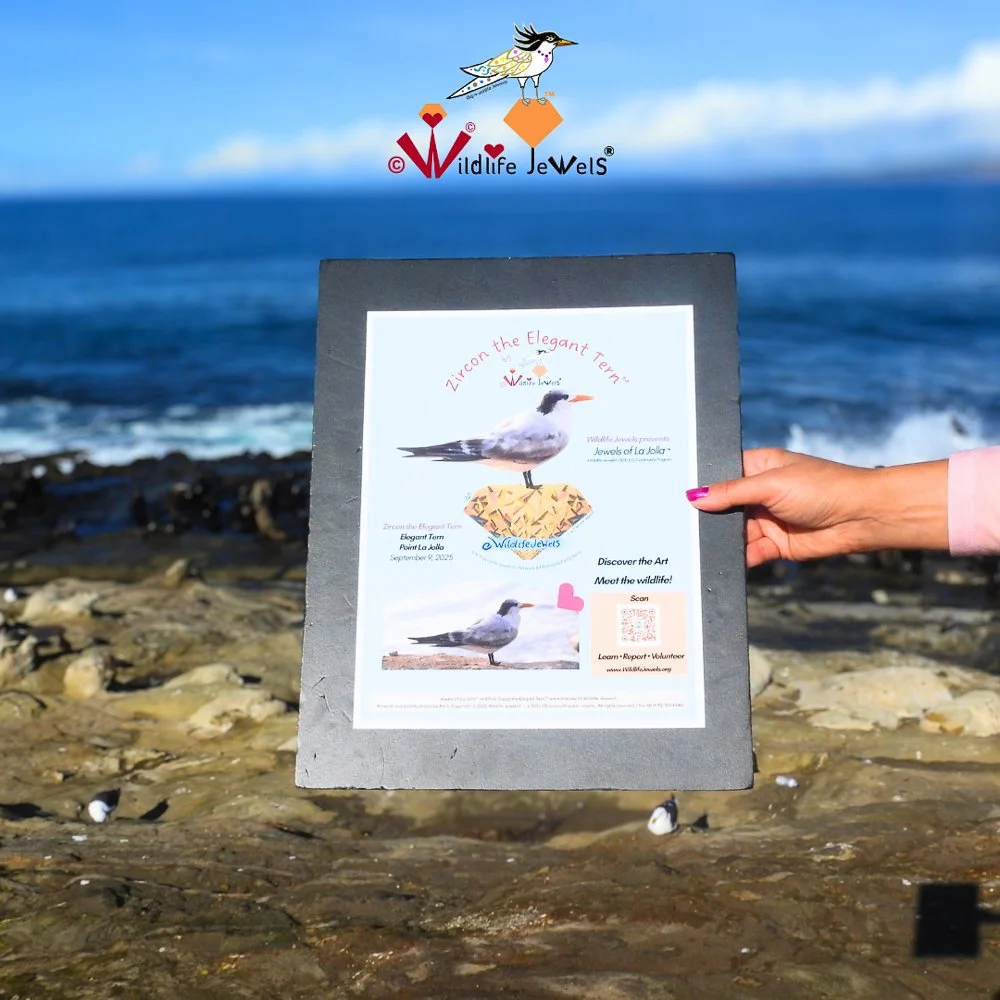
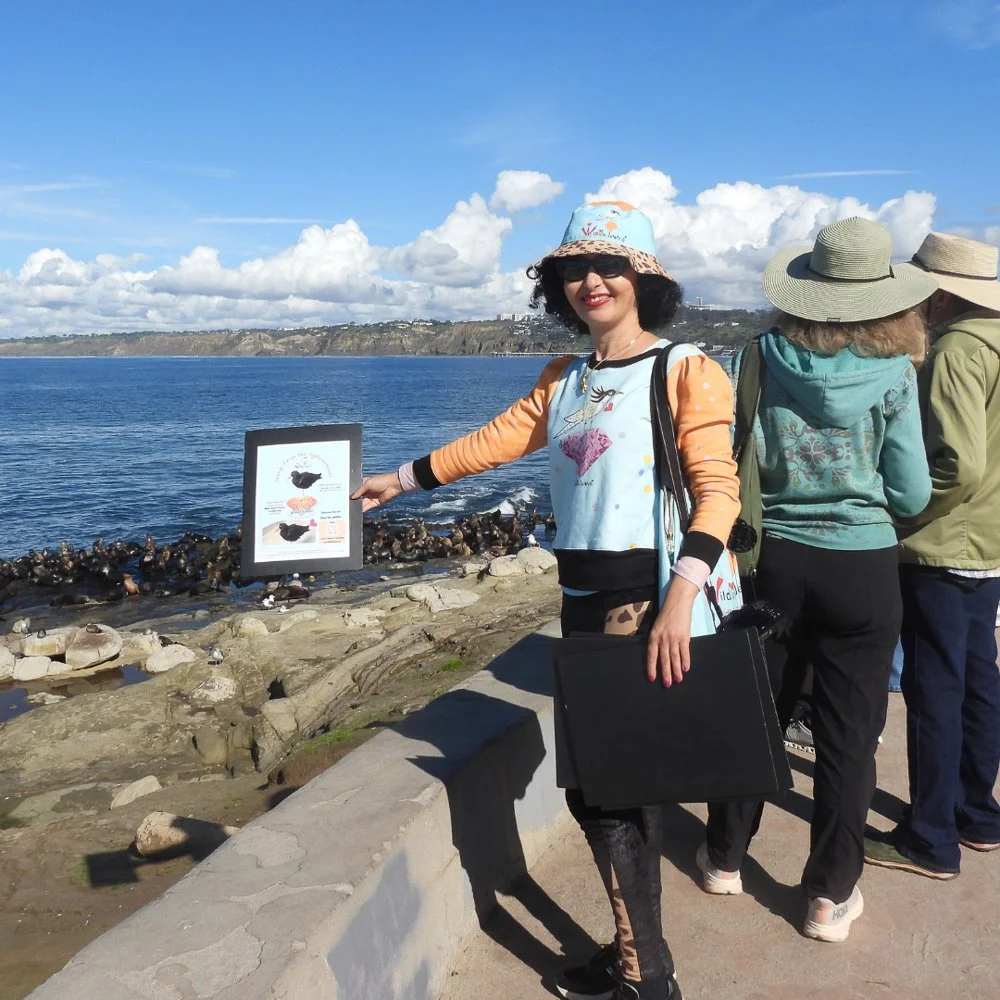
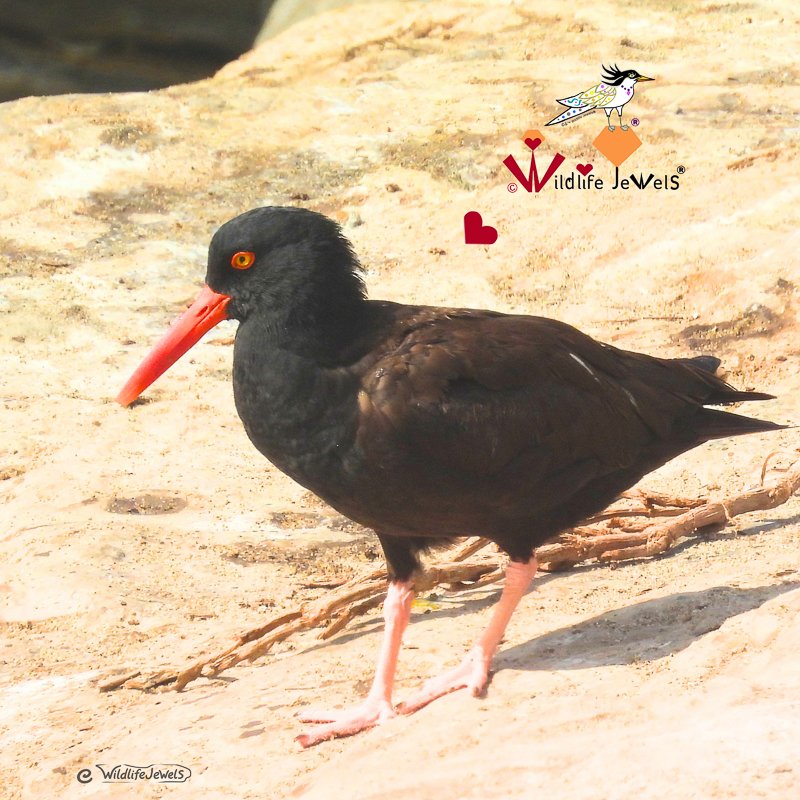
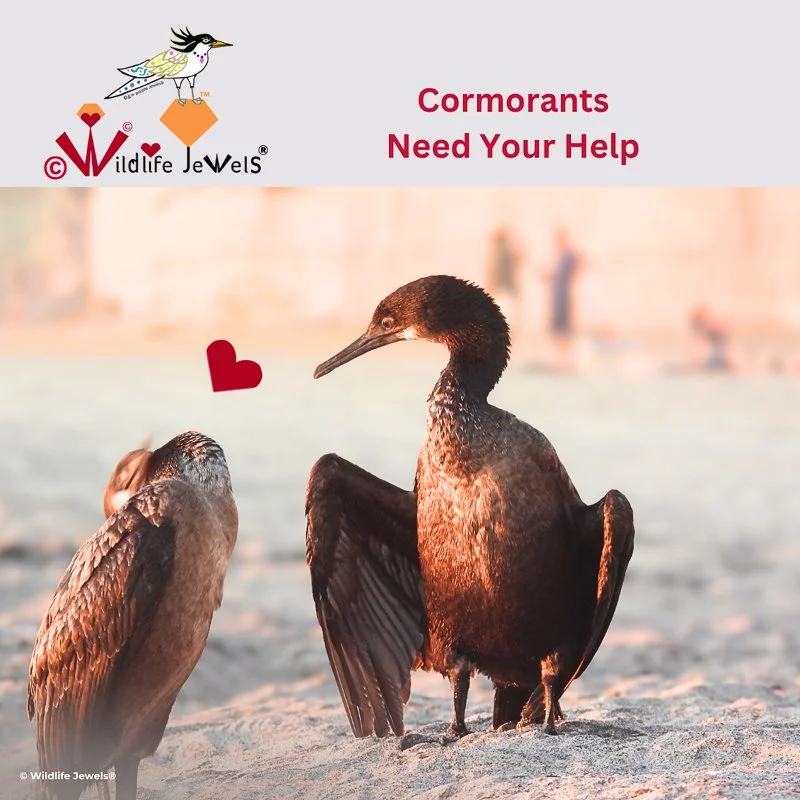
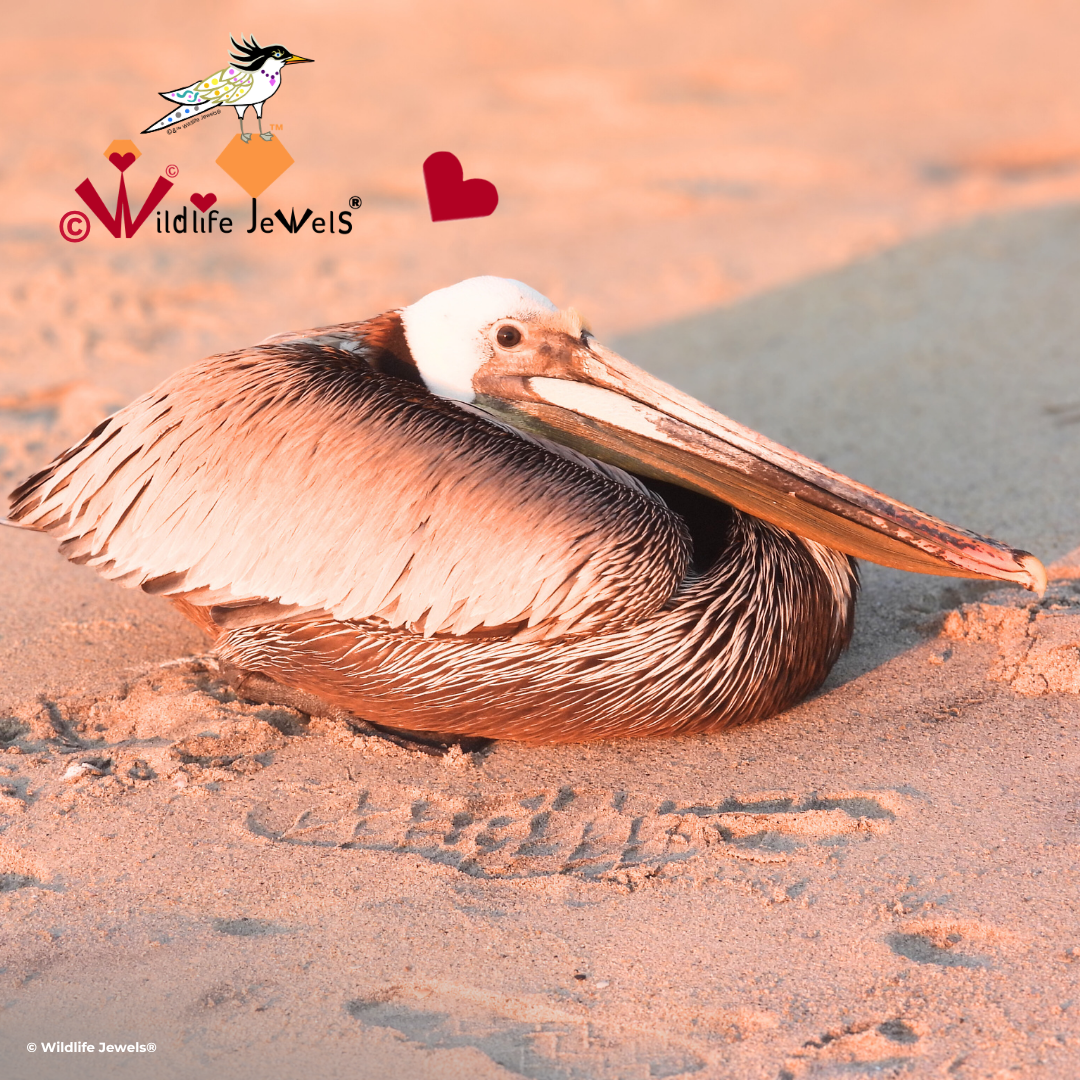
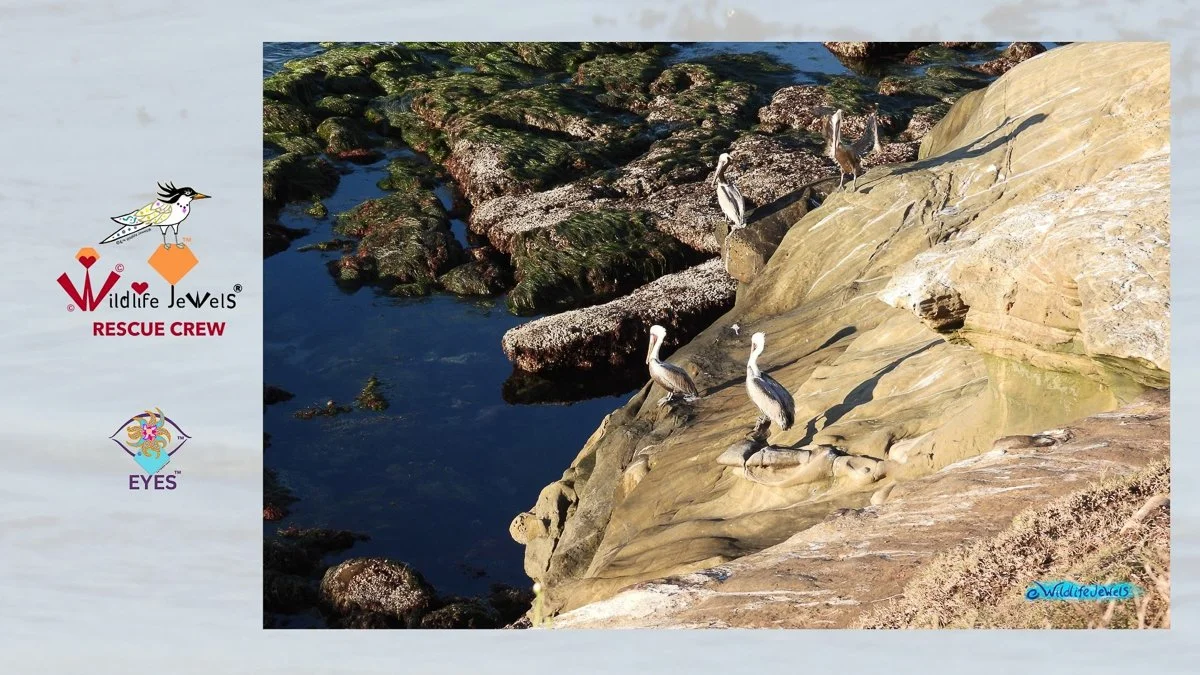
Some of the magical Bird Jewels we had the delight of observing included Brandt’s cormorants with their striking turquoise eyes, the adult California brown pelican with sky-blue eyes and a vibrant red throat pouch, and the majestic Black Oystercatcher with its bold orange bill and eye-ring. We also enjoyed the intelligent, charismatic Western gull, the precious Heermann’s gulls, and the elegance of Royal and Elegant terns, crowned with their distinctive head crests.
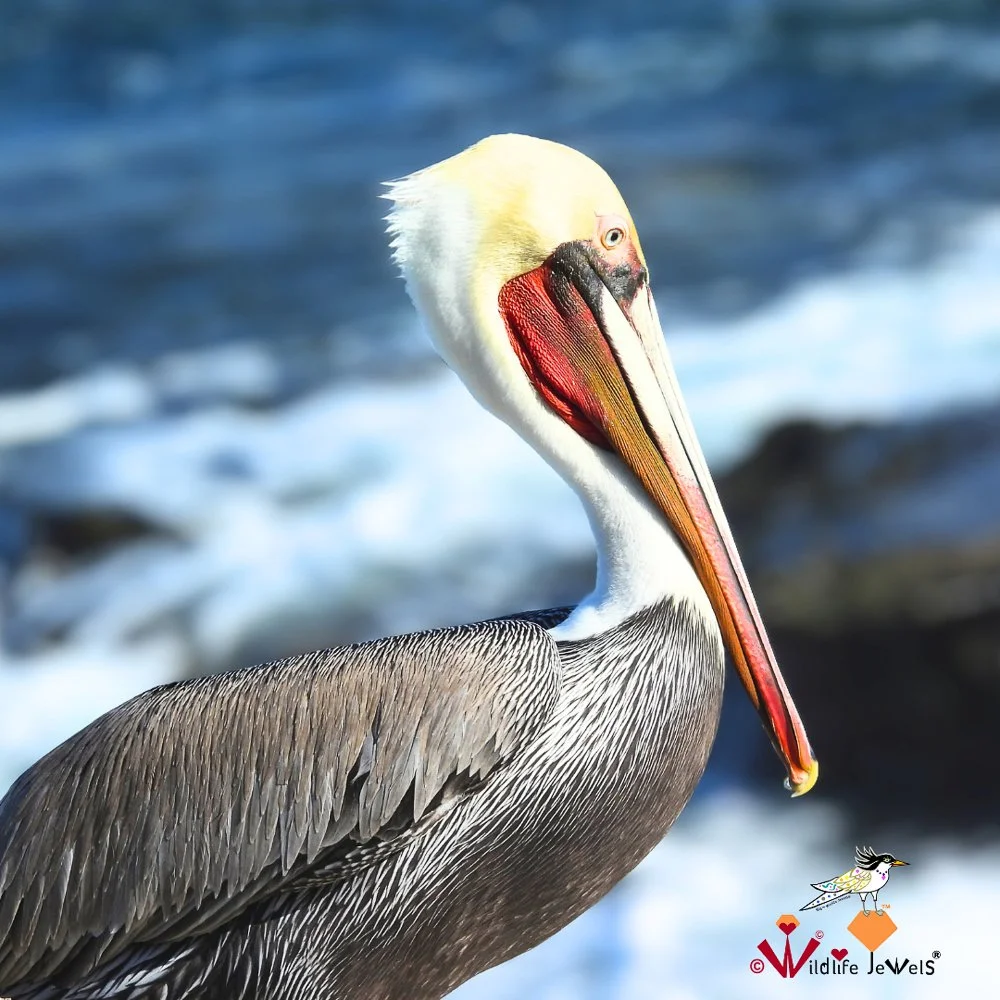
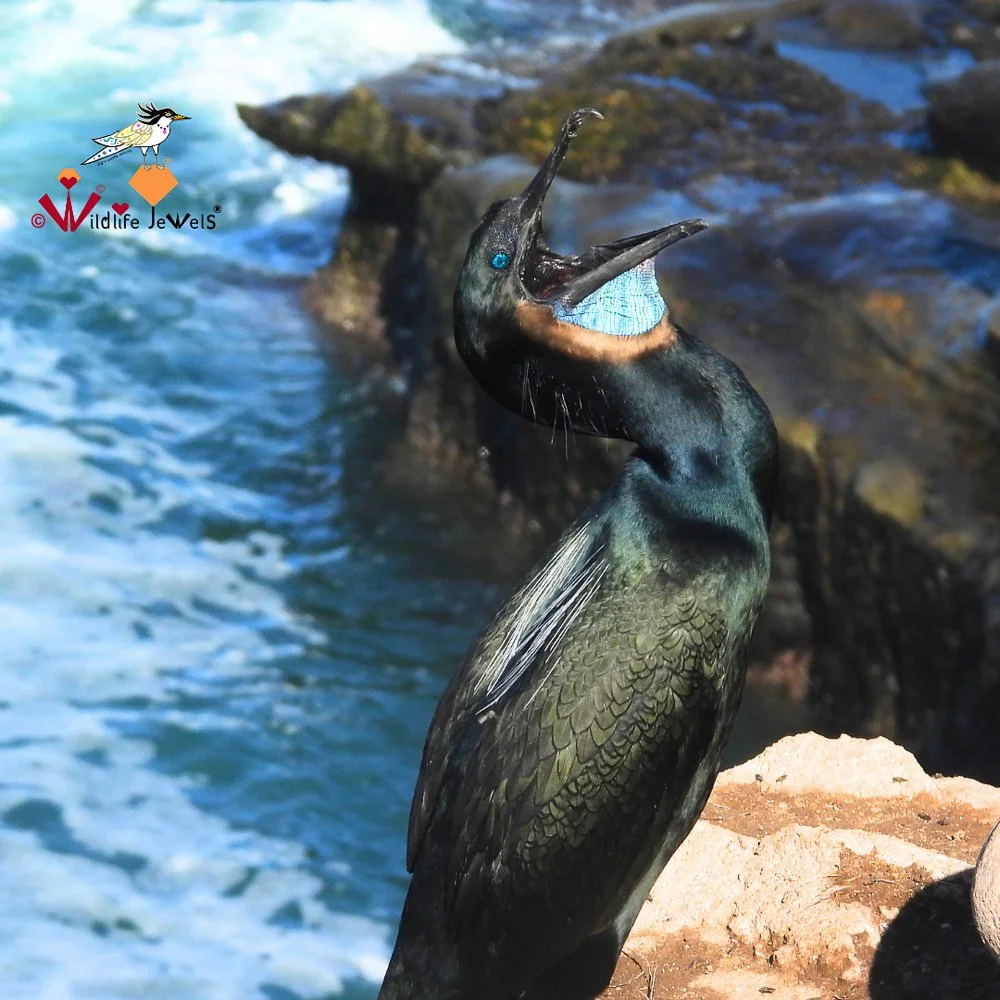
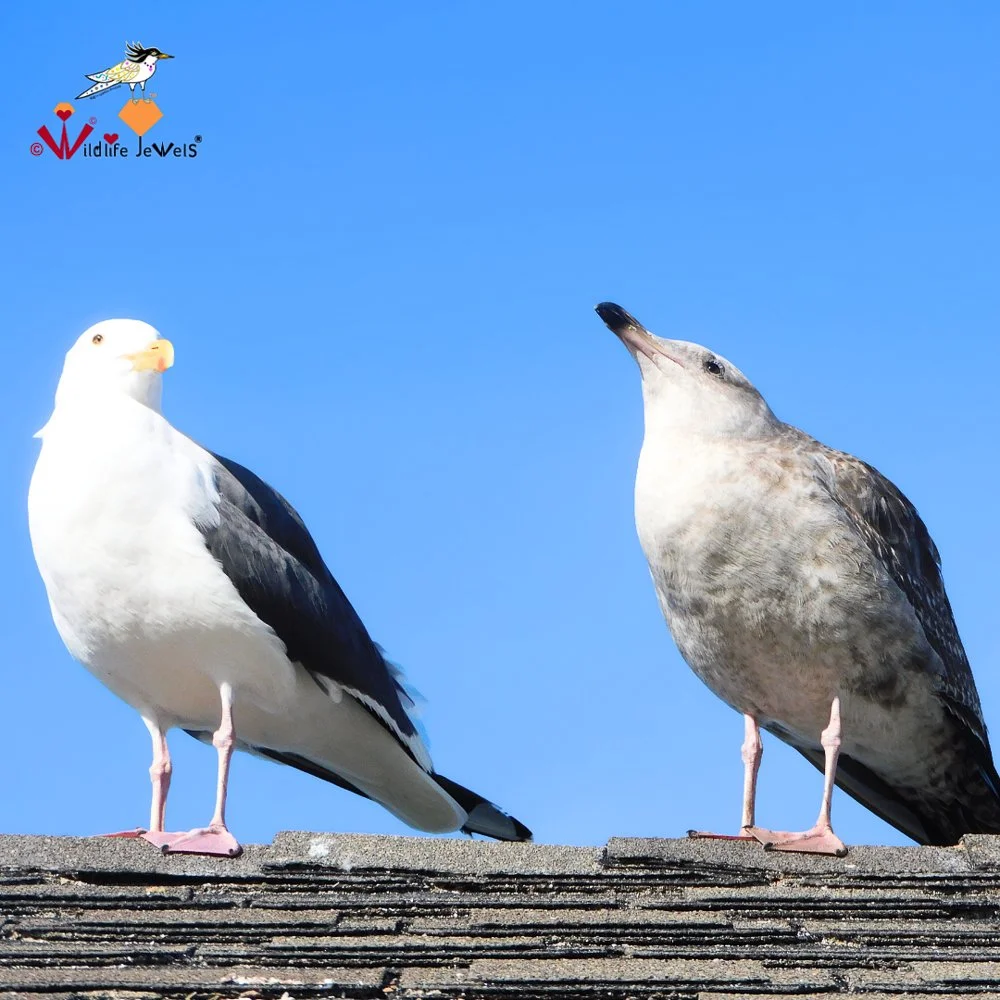
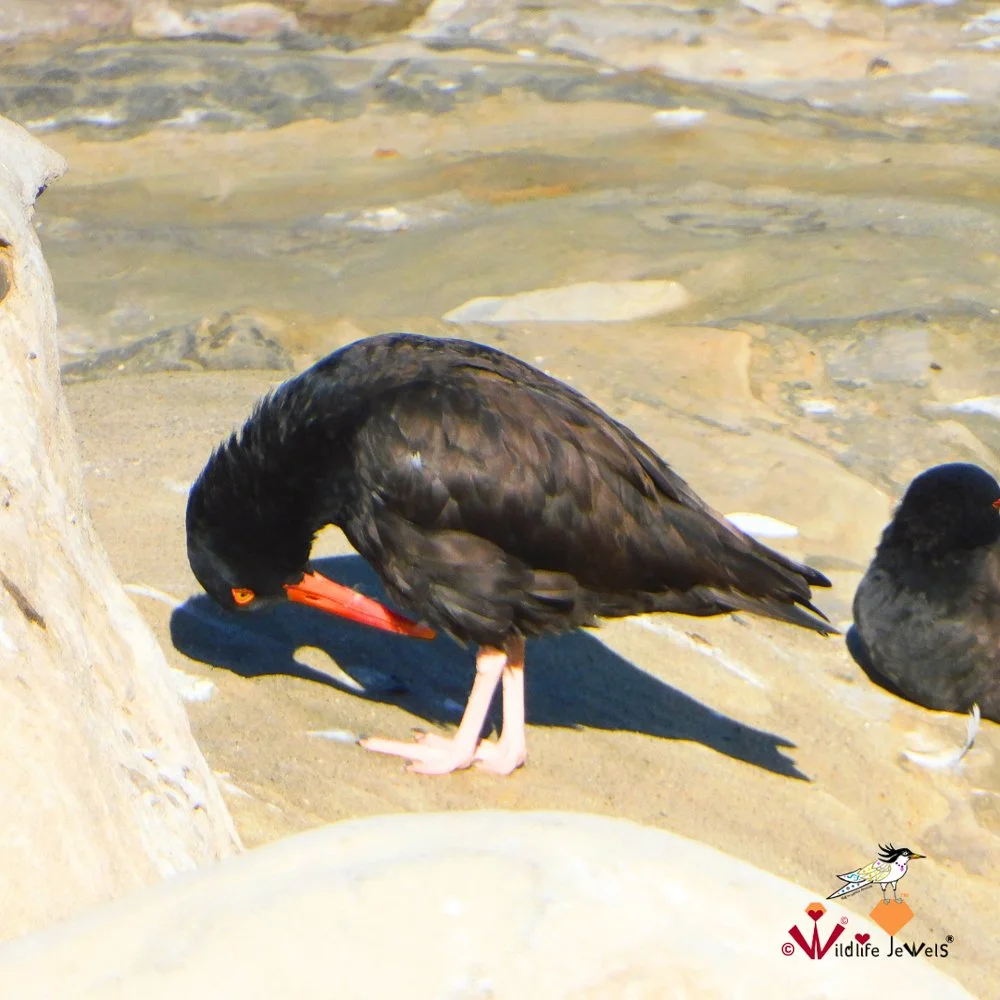
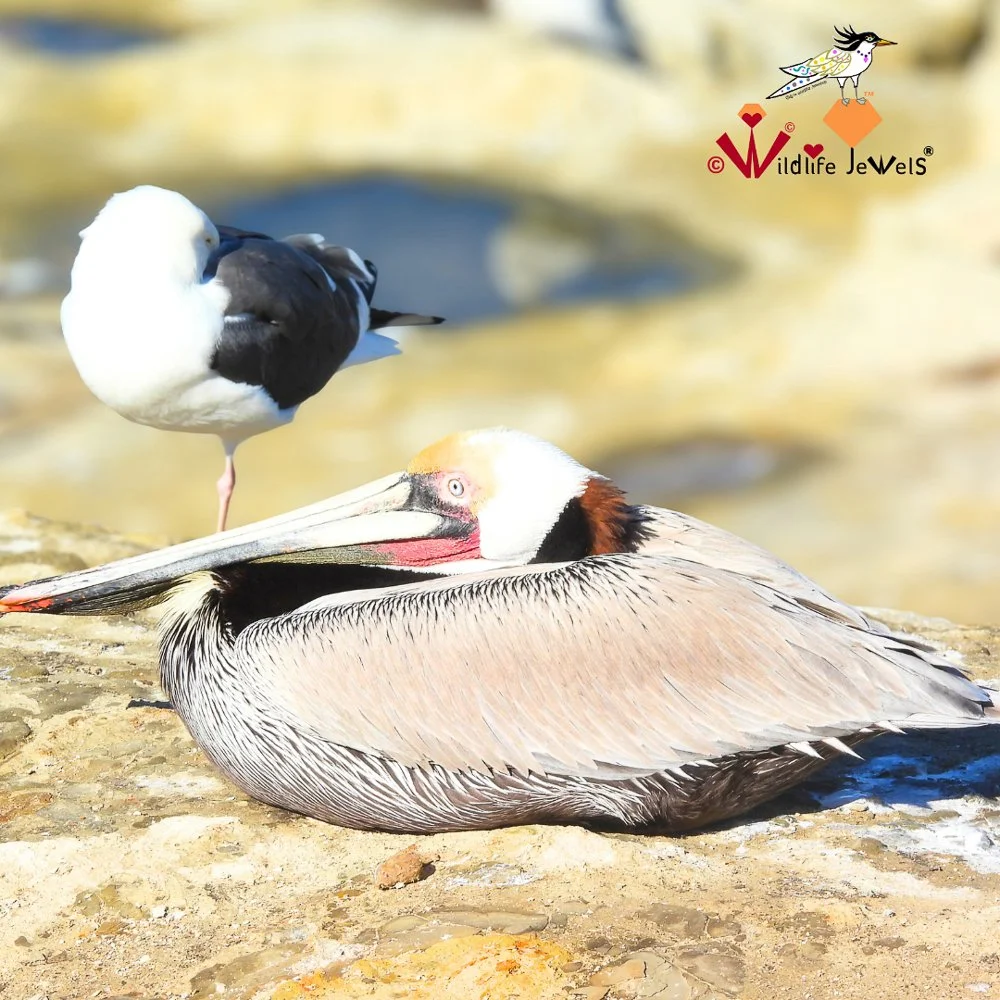
Photo credit: © Wildlife Jewels® / Azi Sharif
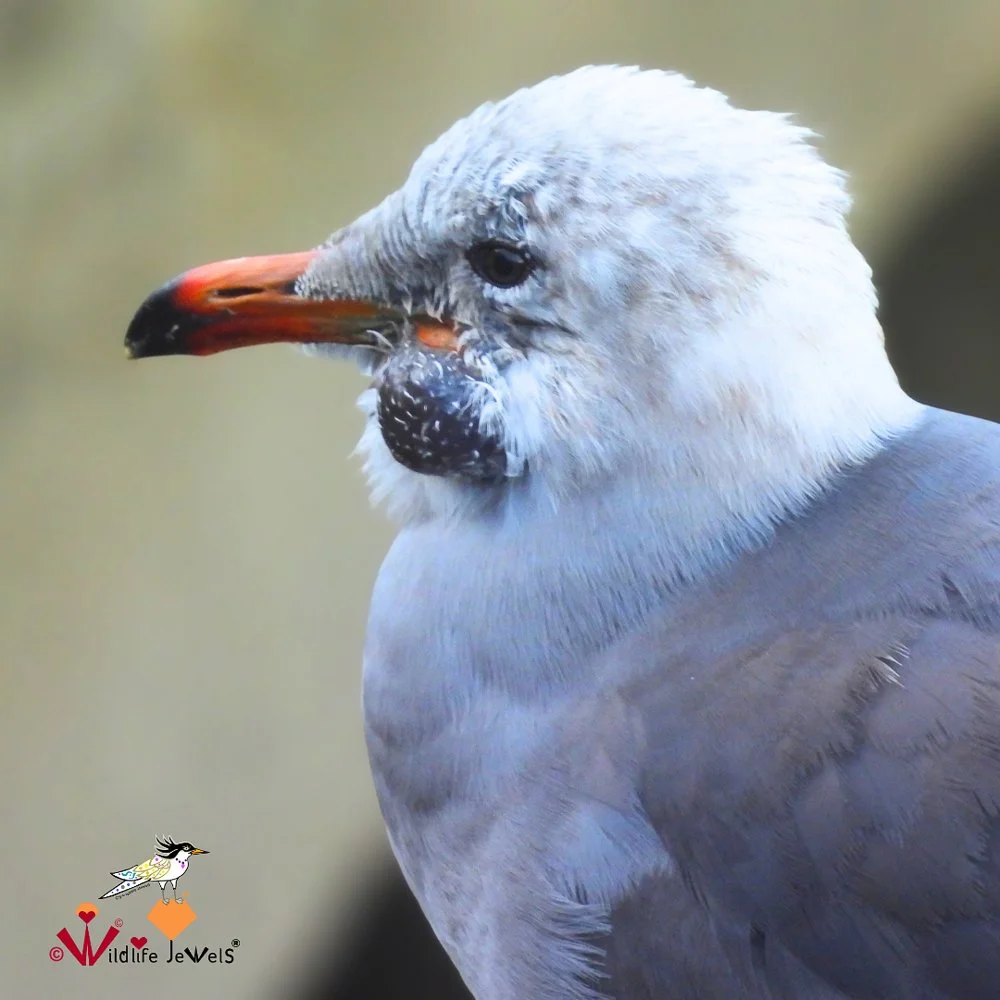
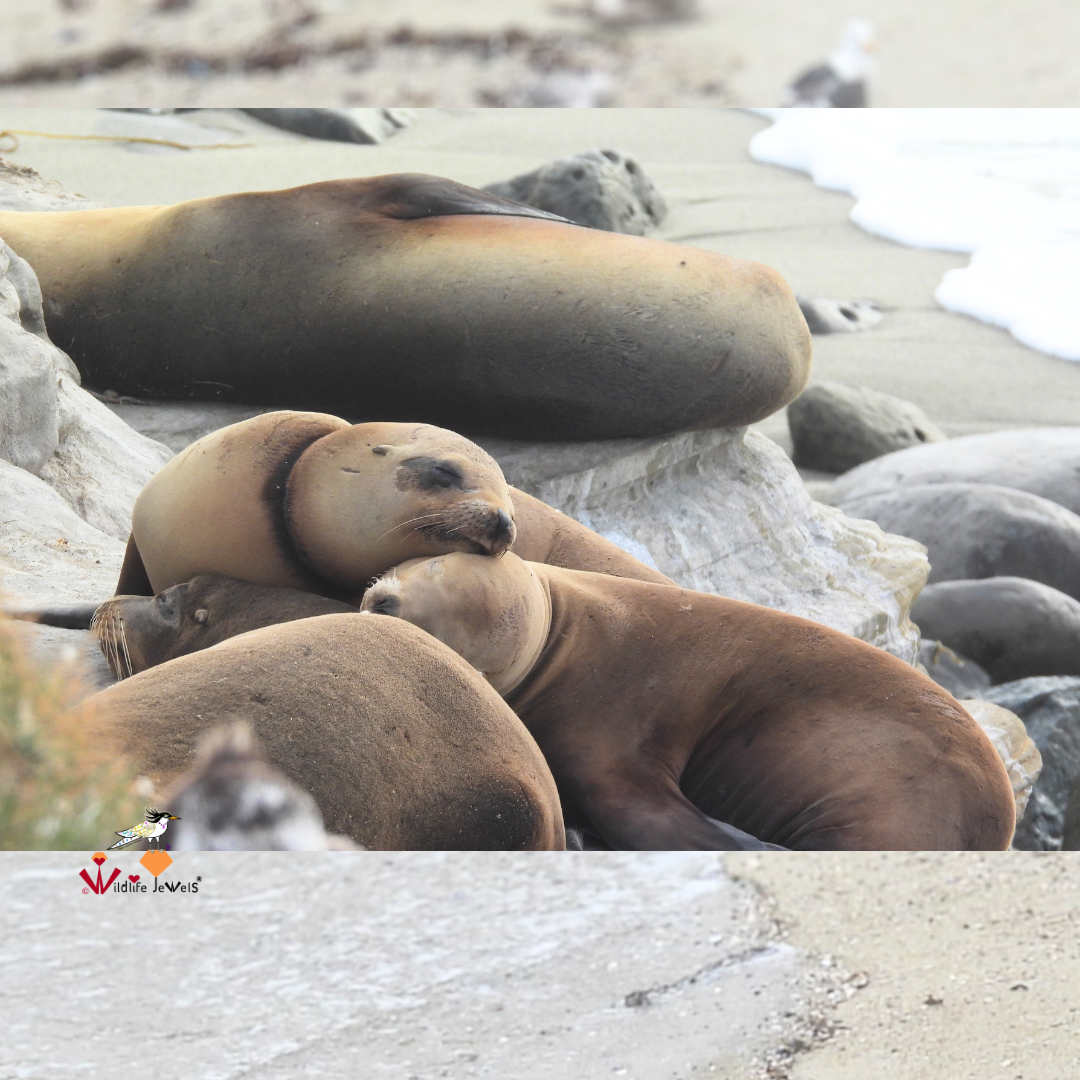
We identified an injured Heermann’s gull, documented what we observed, and reported—reminding us that careful monitoring and timely reporting can help save lives. Every wildlife life is precious. 💙 We will share more about her and the other injured wildlife including 2 entangled sea lions that we spotted during our walk through the Wildlife Jewels Rescue Blog soon.
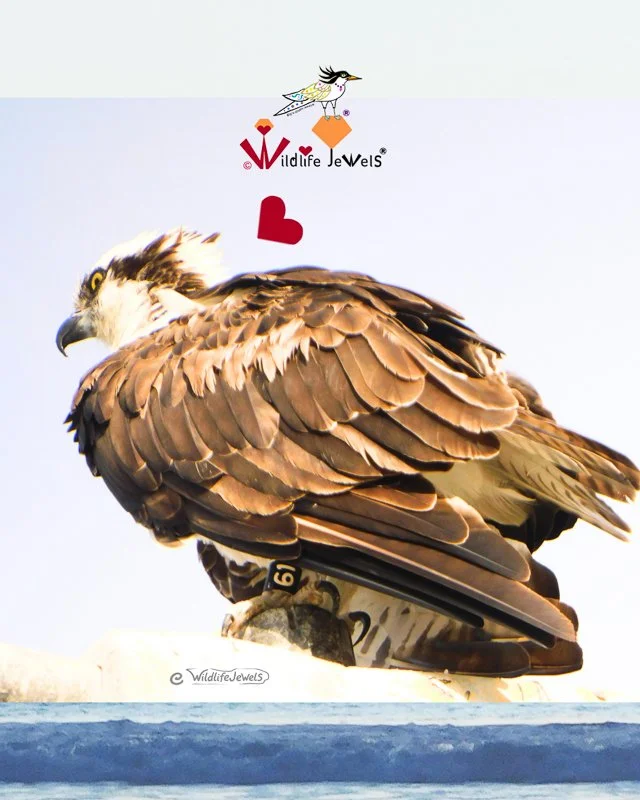
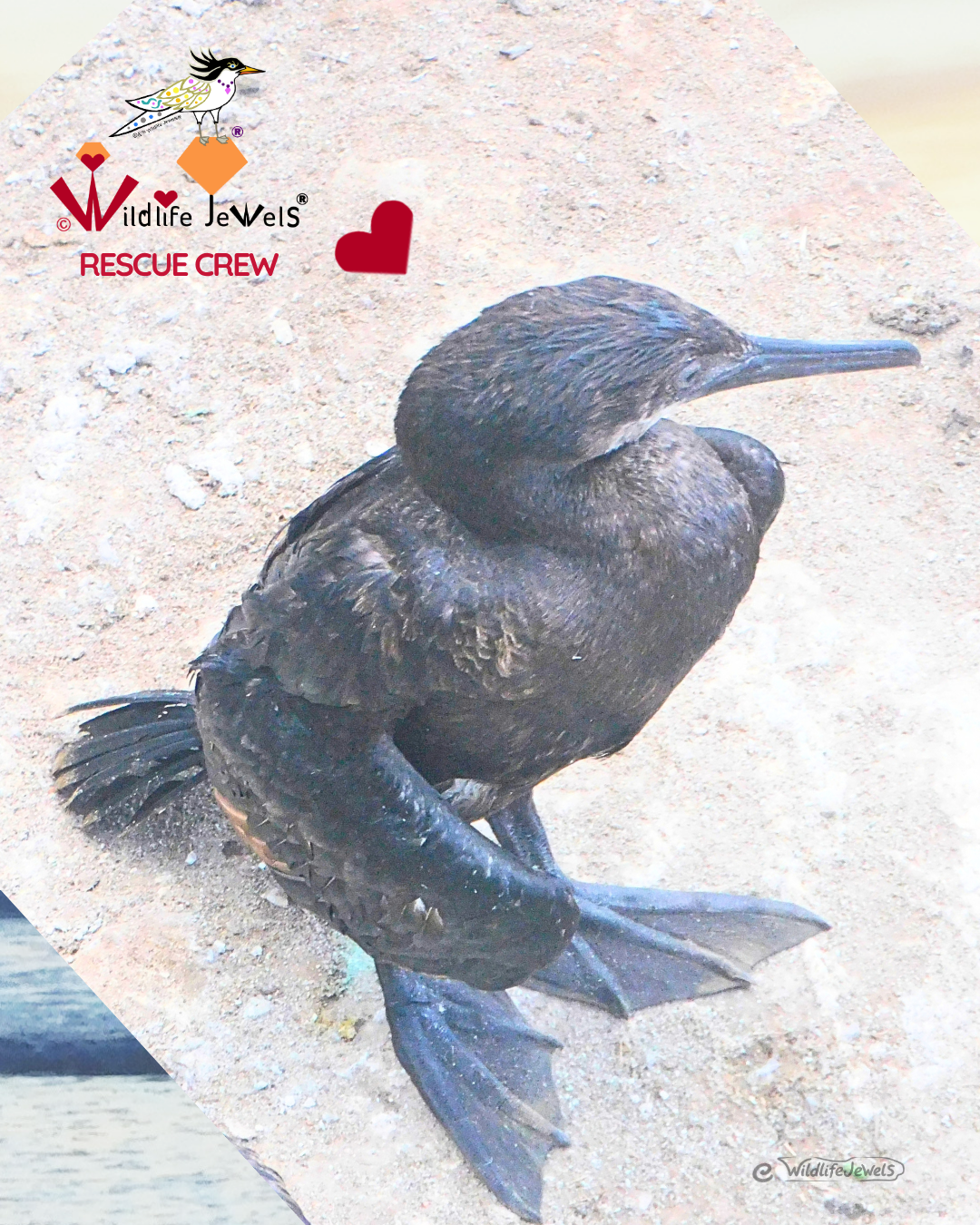
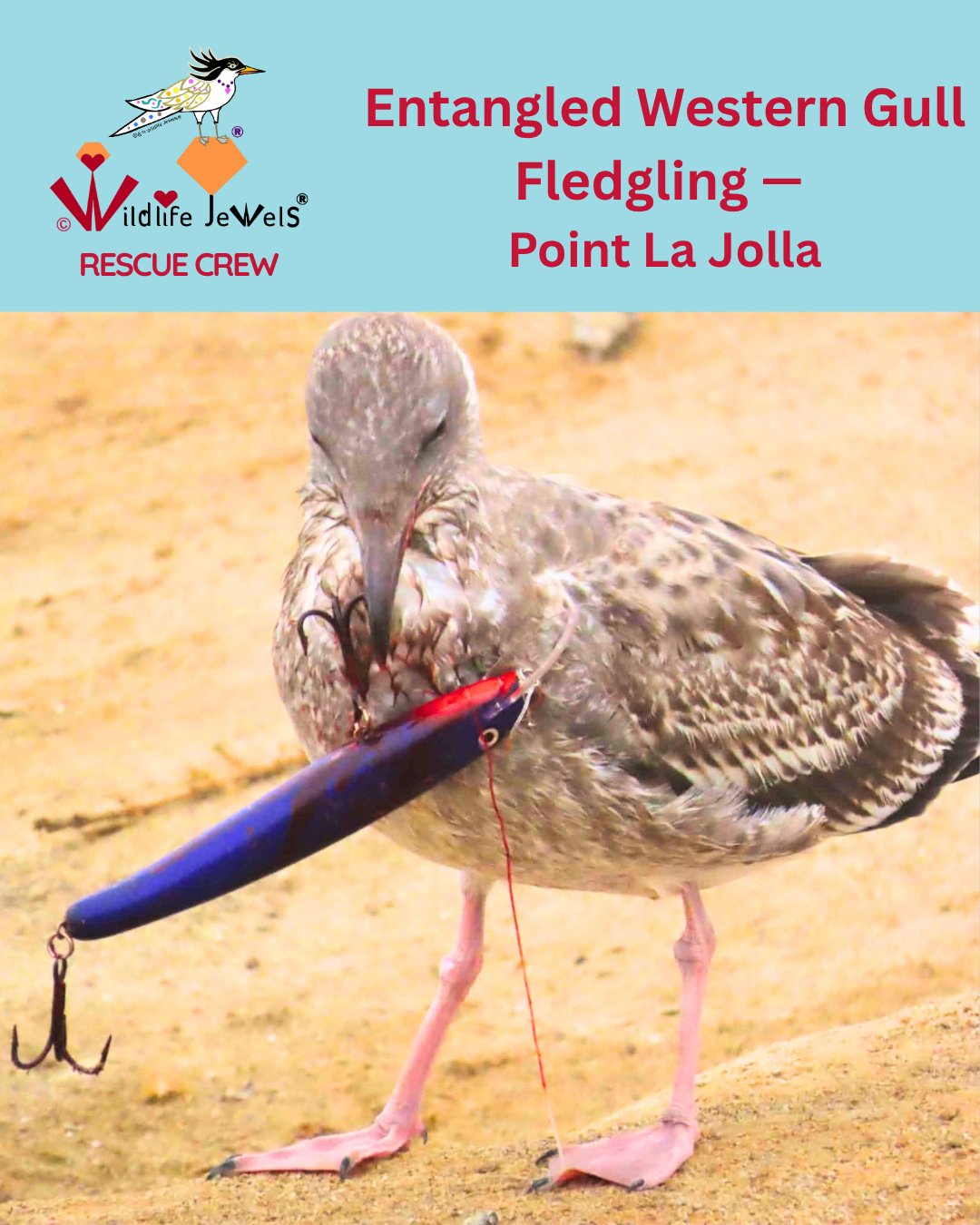
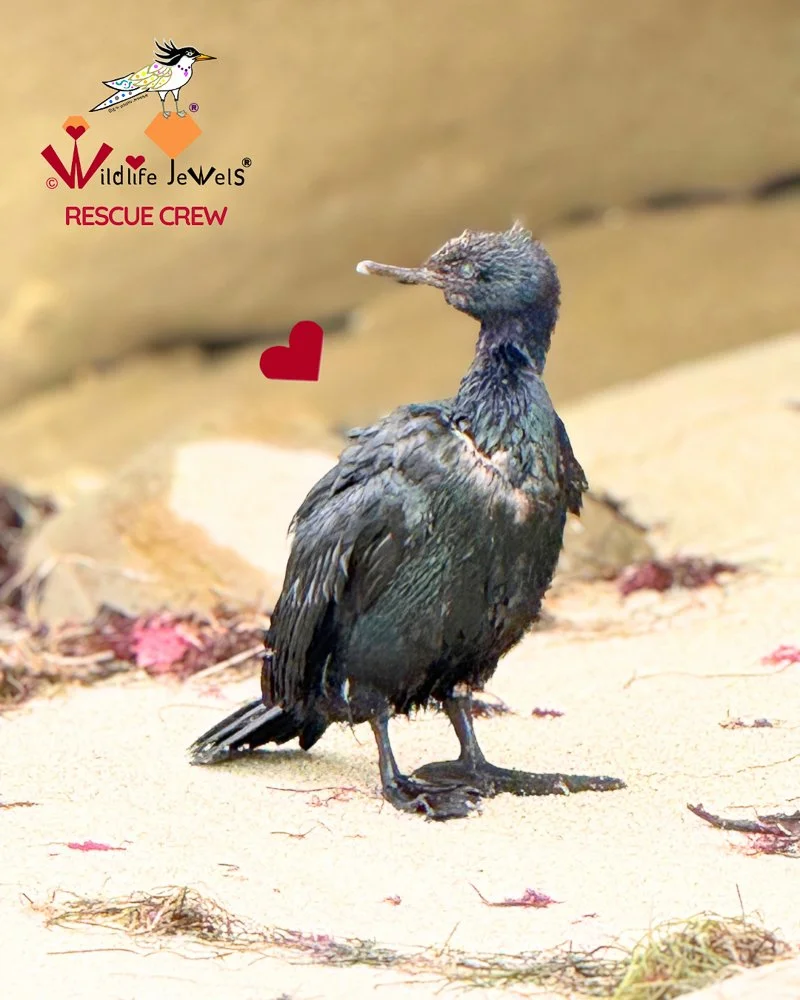
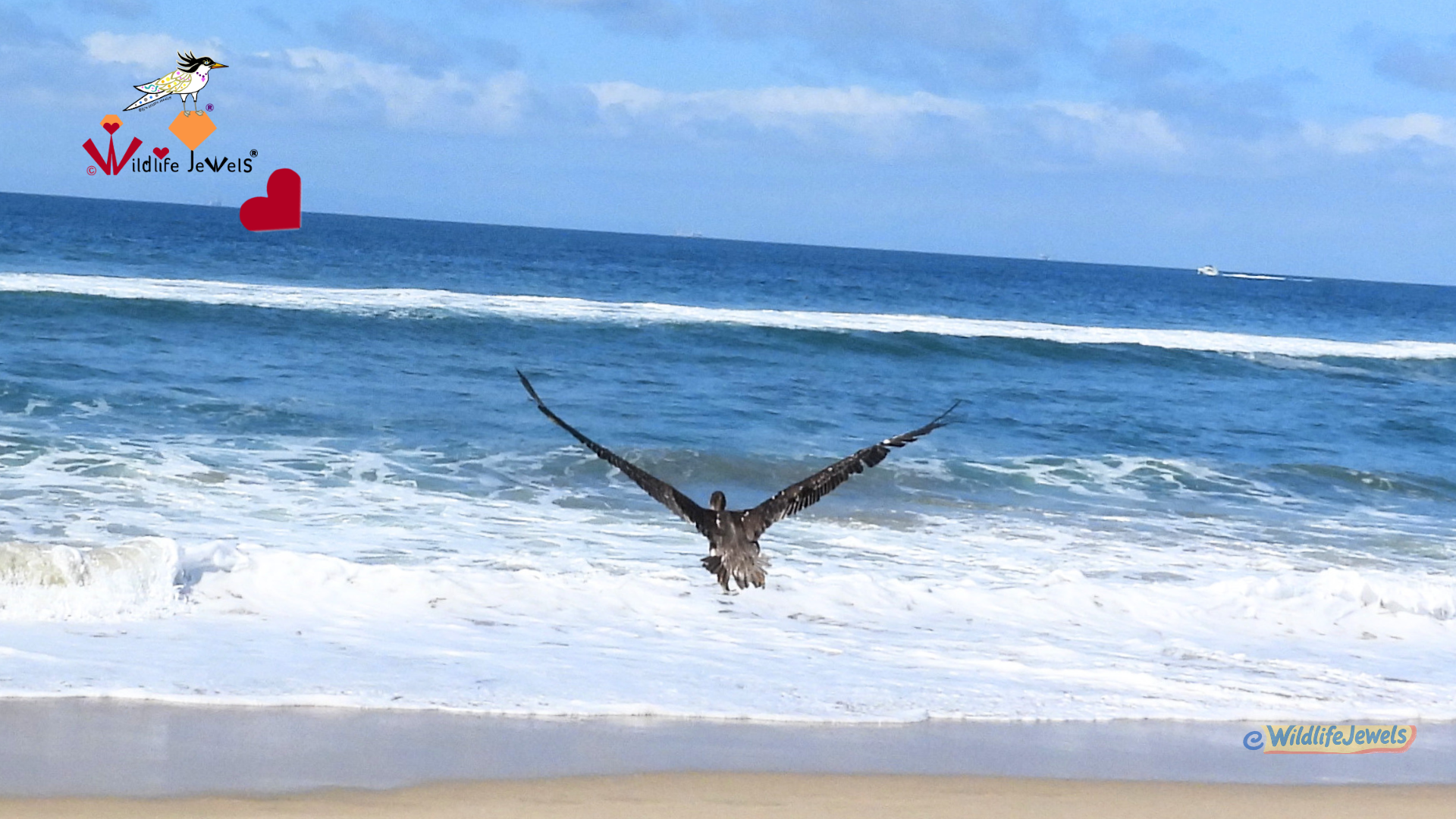
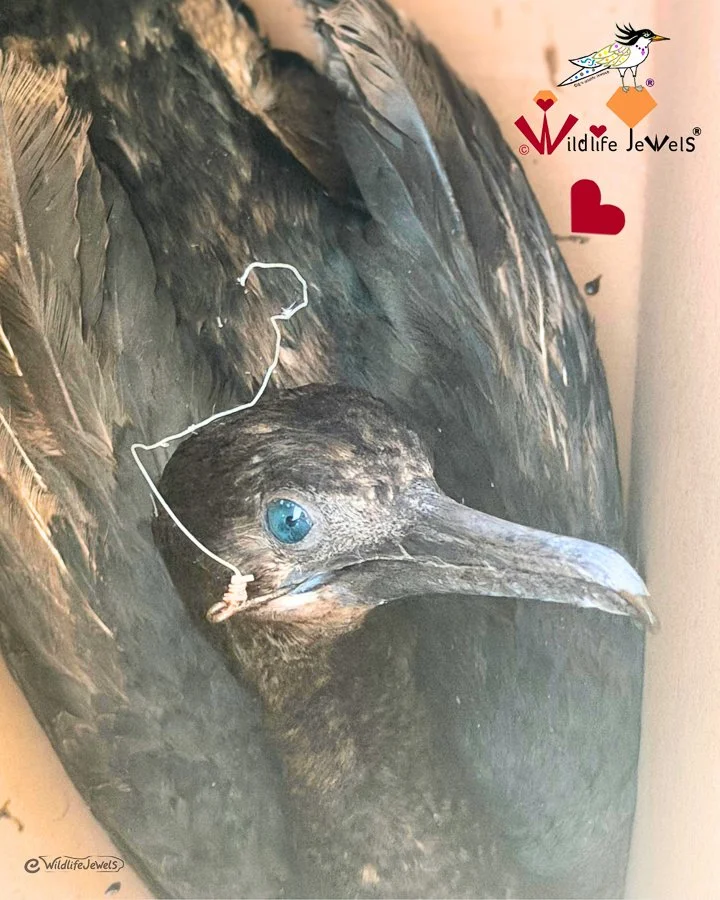
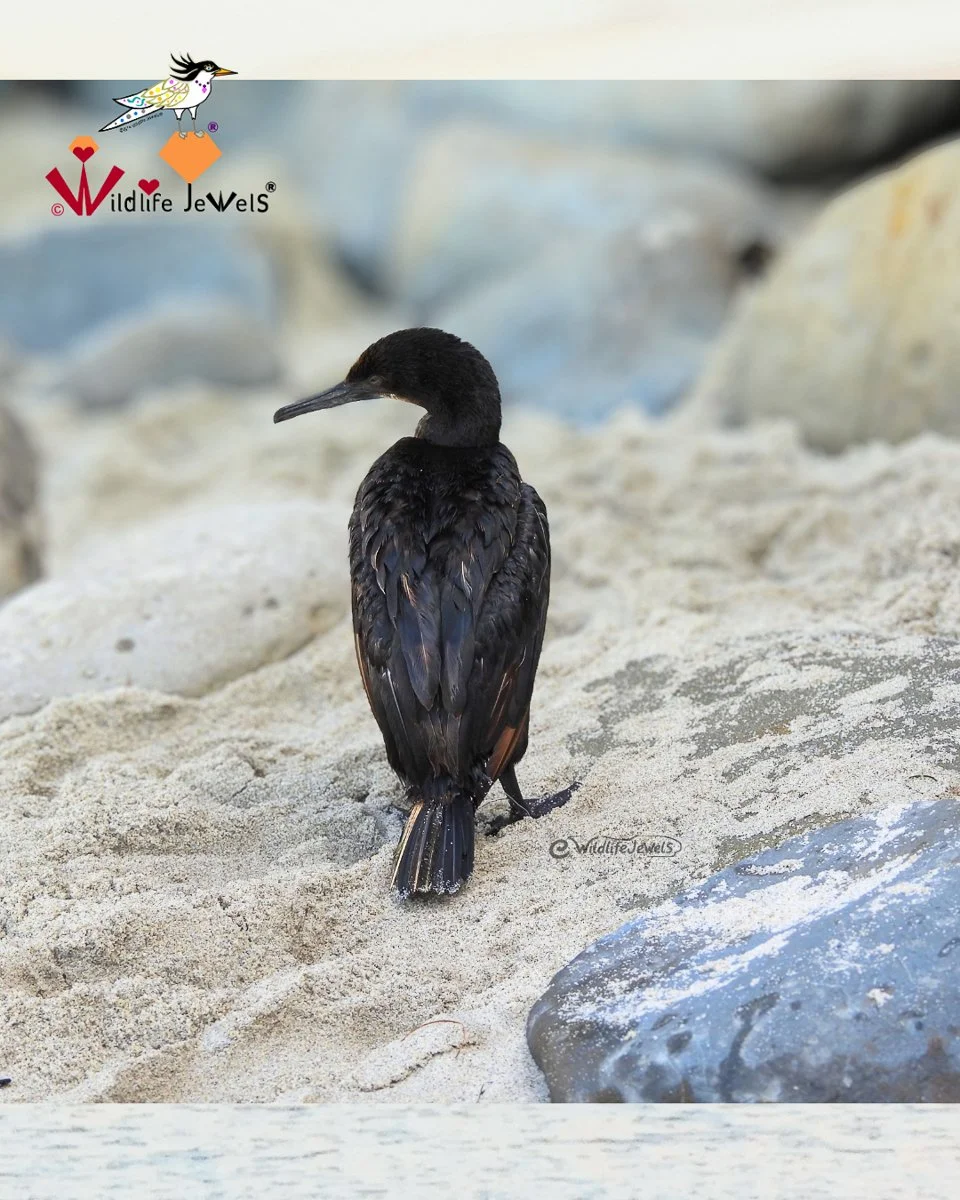
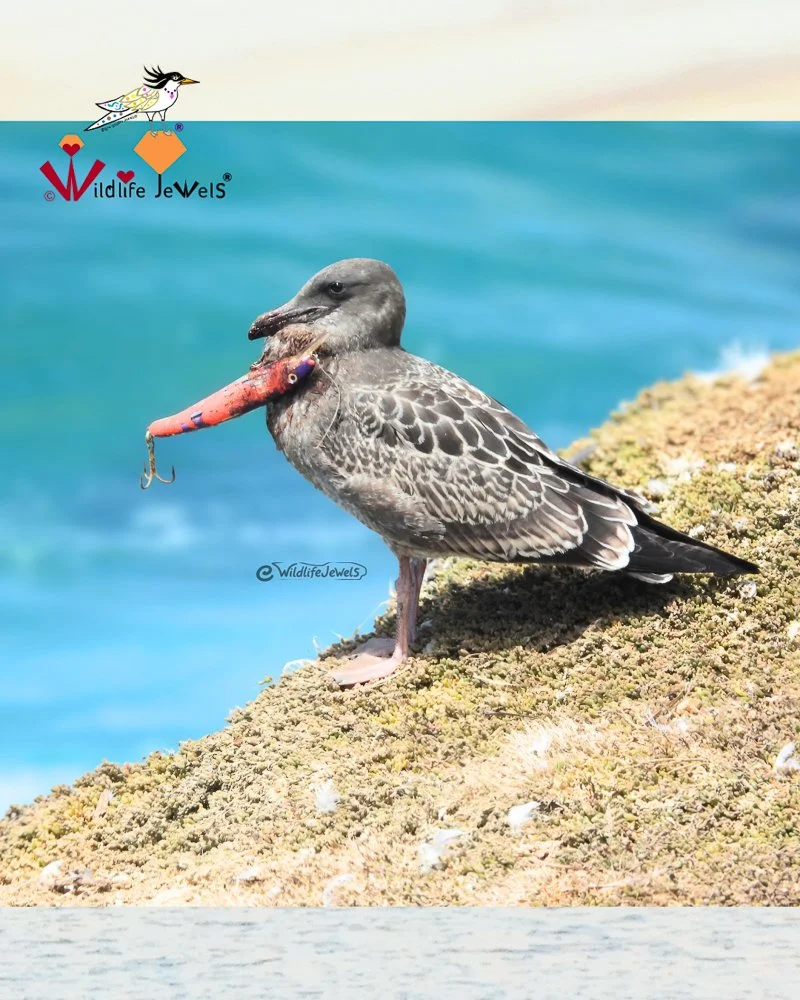
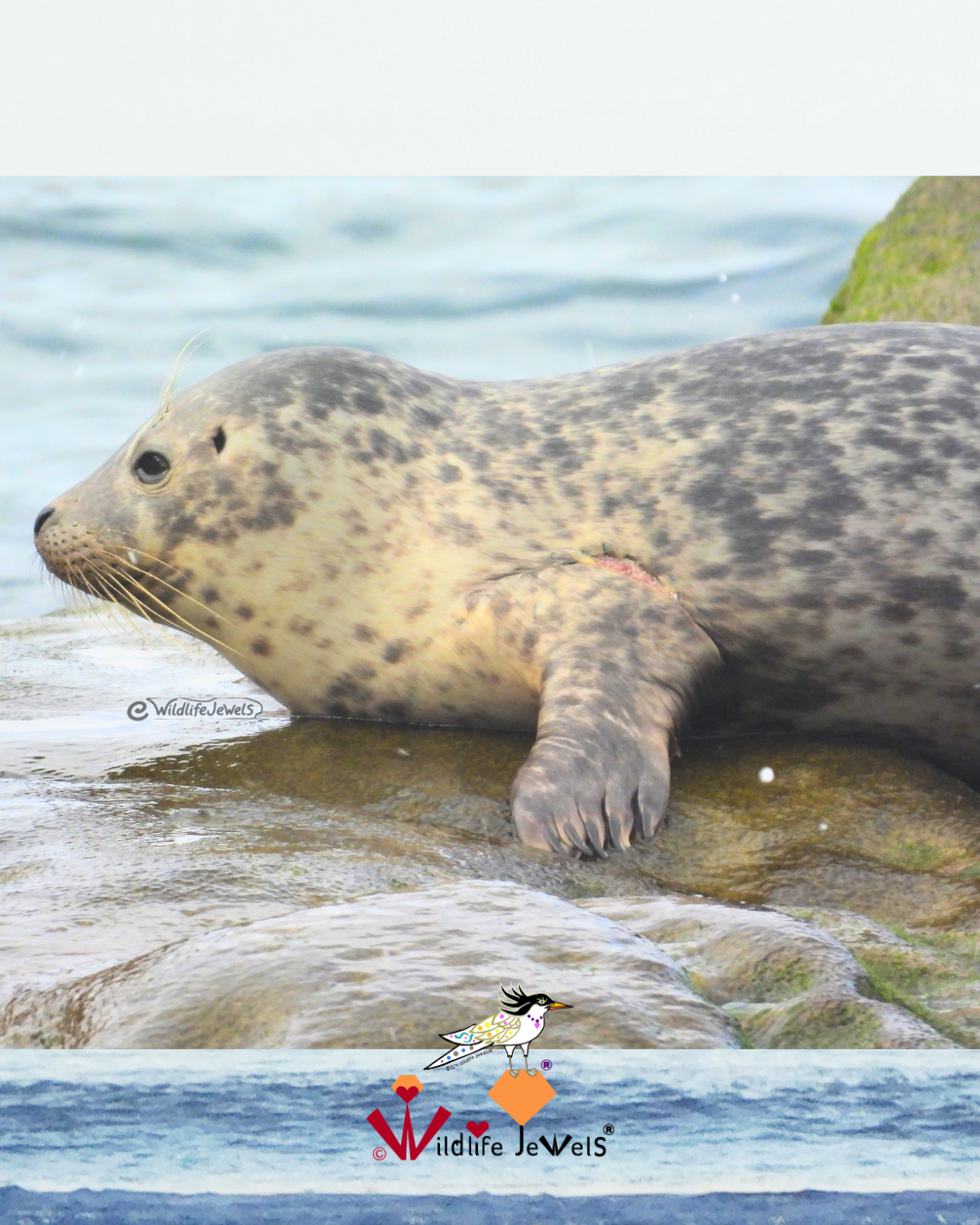
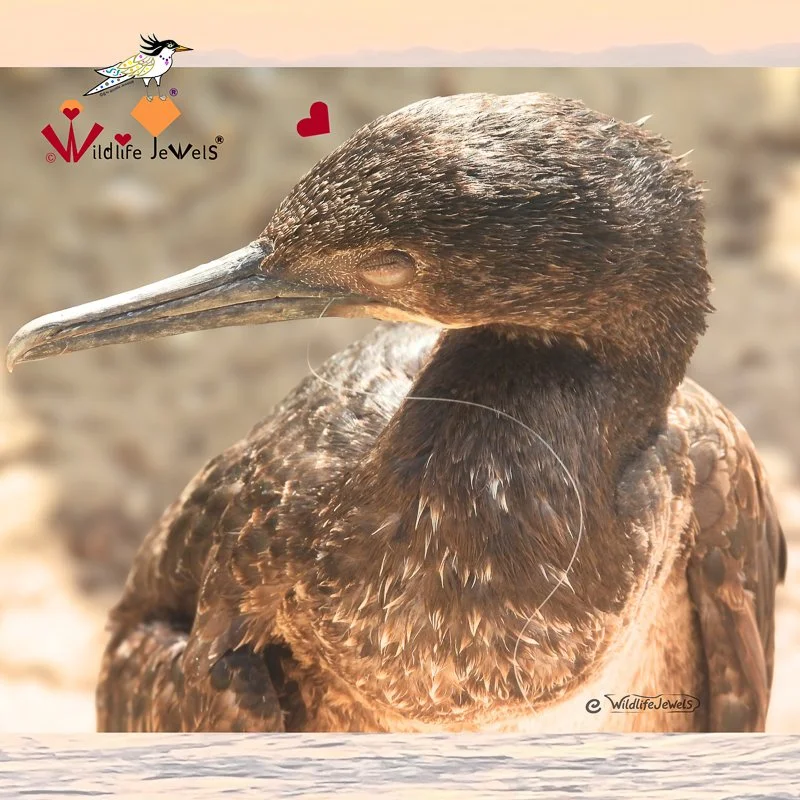
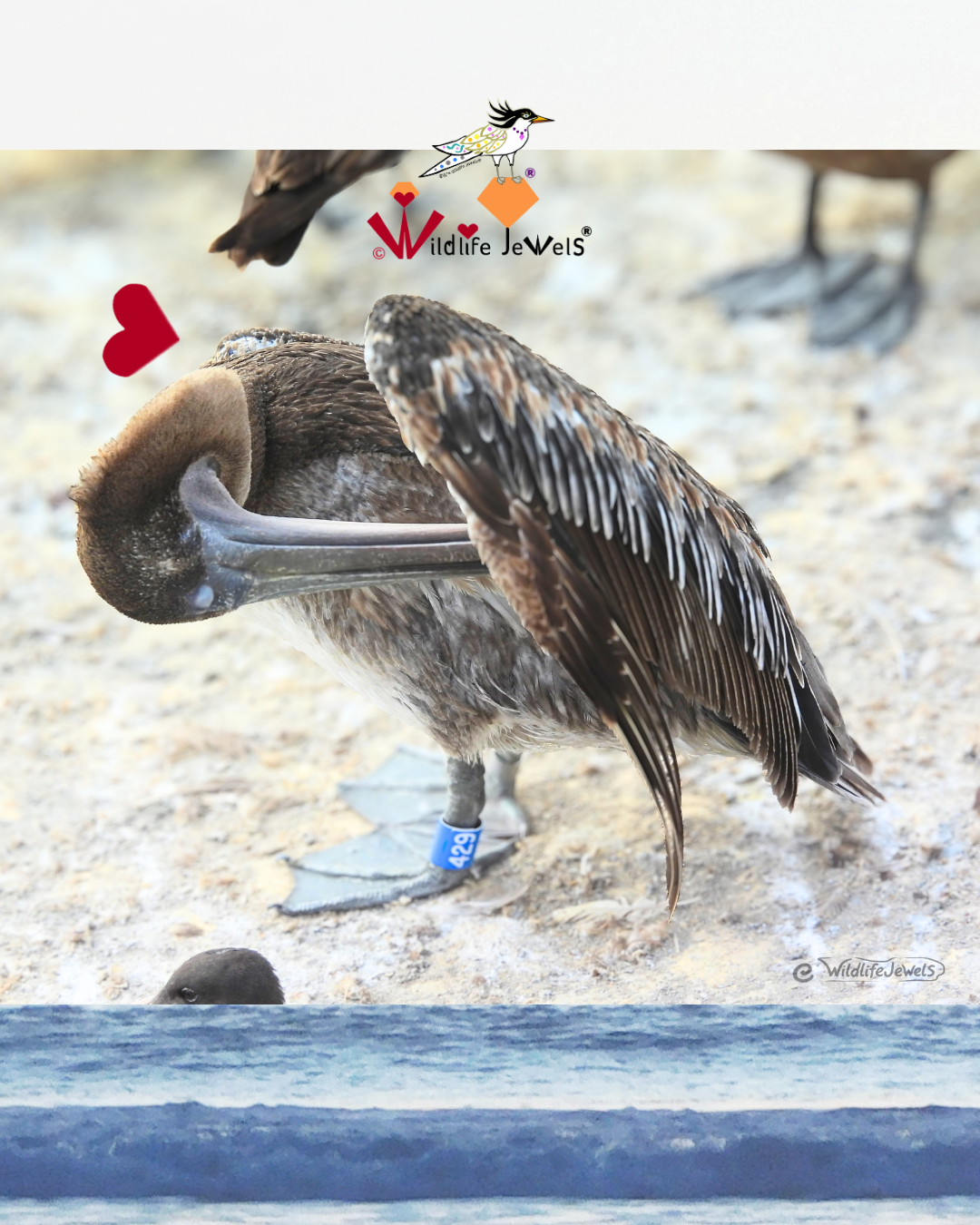
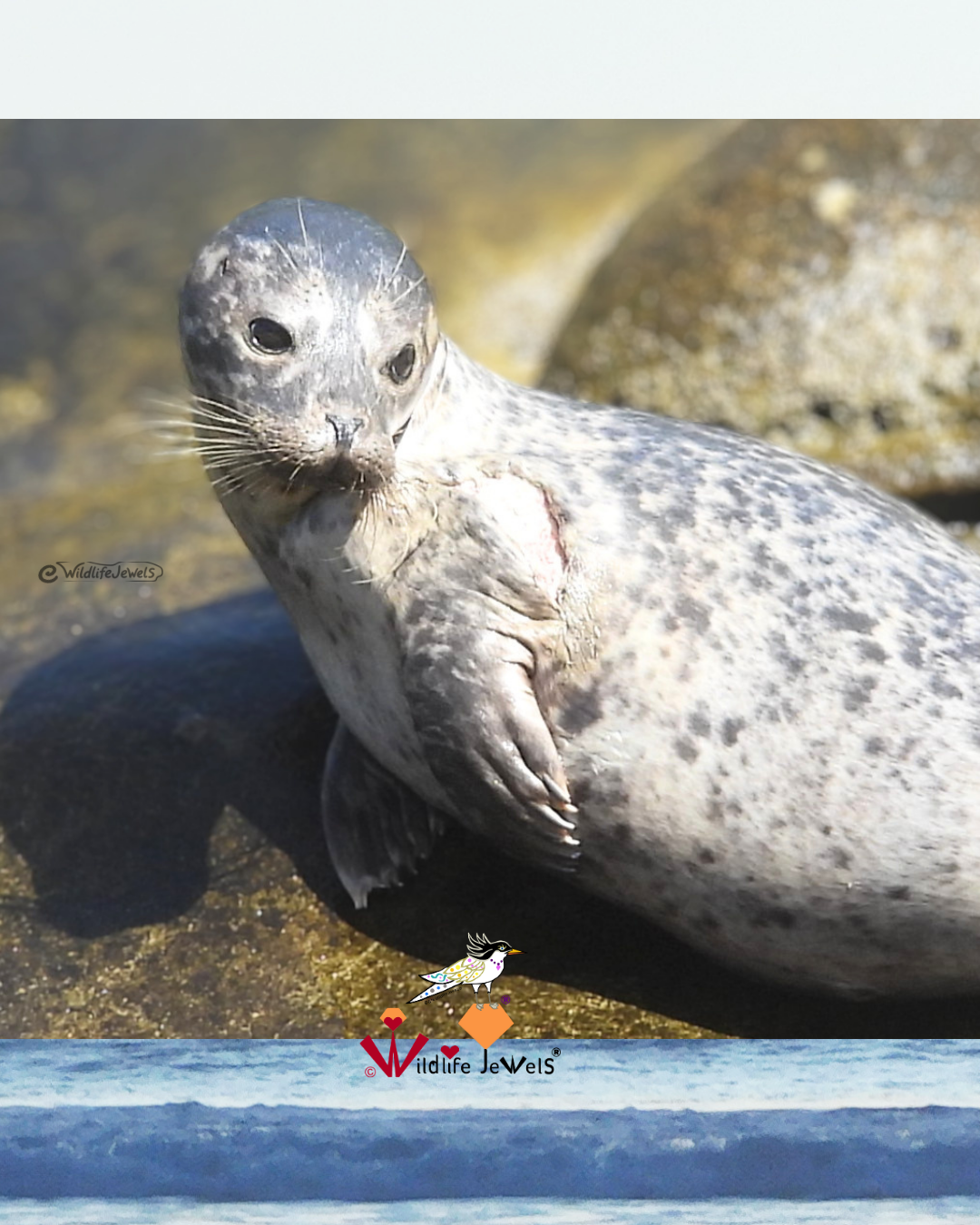
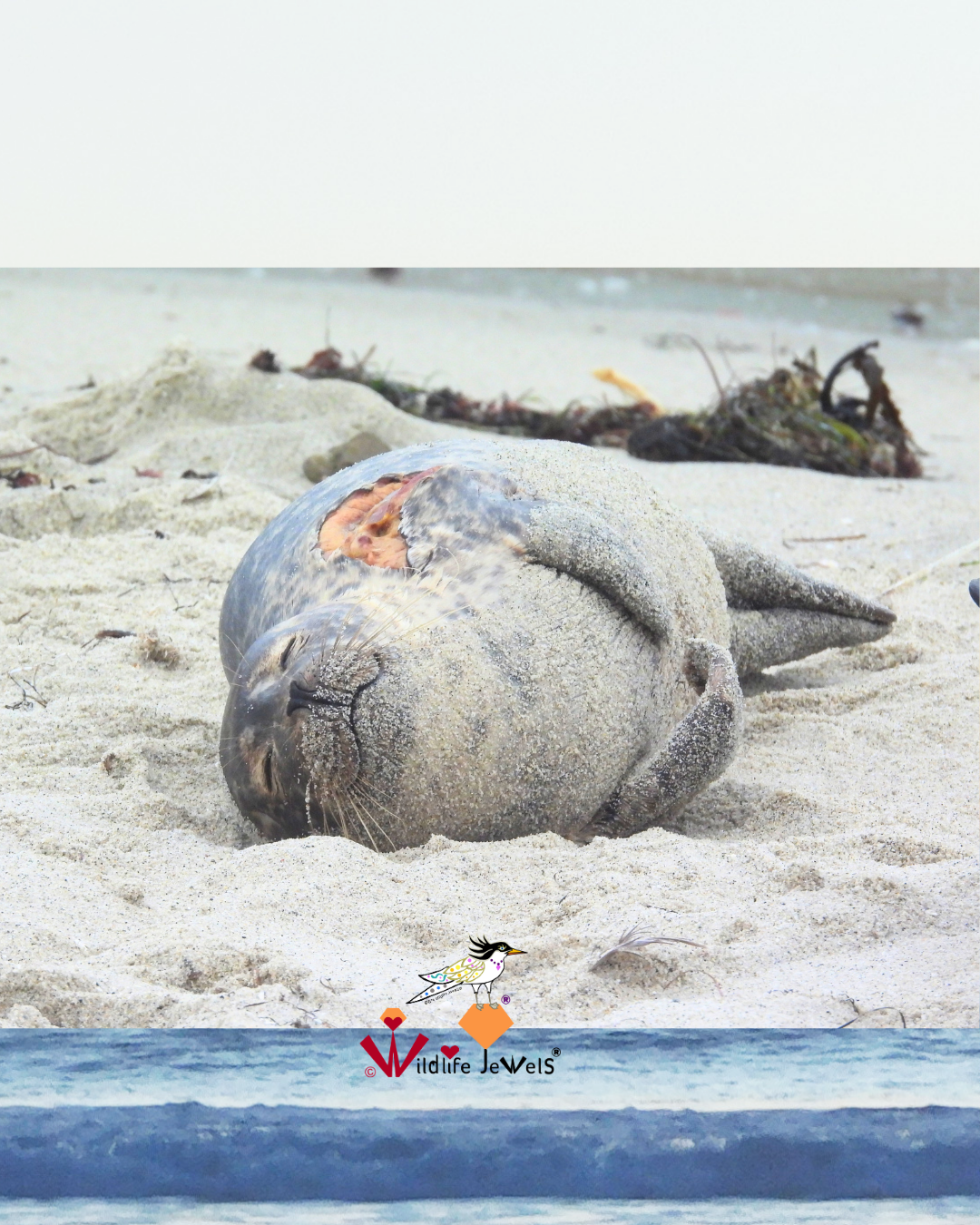
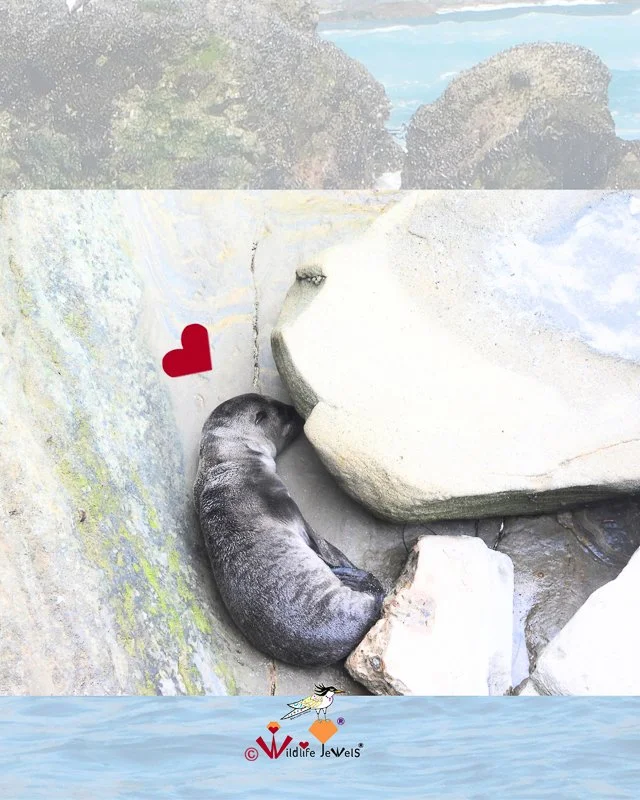
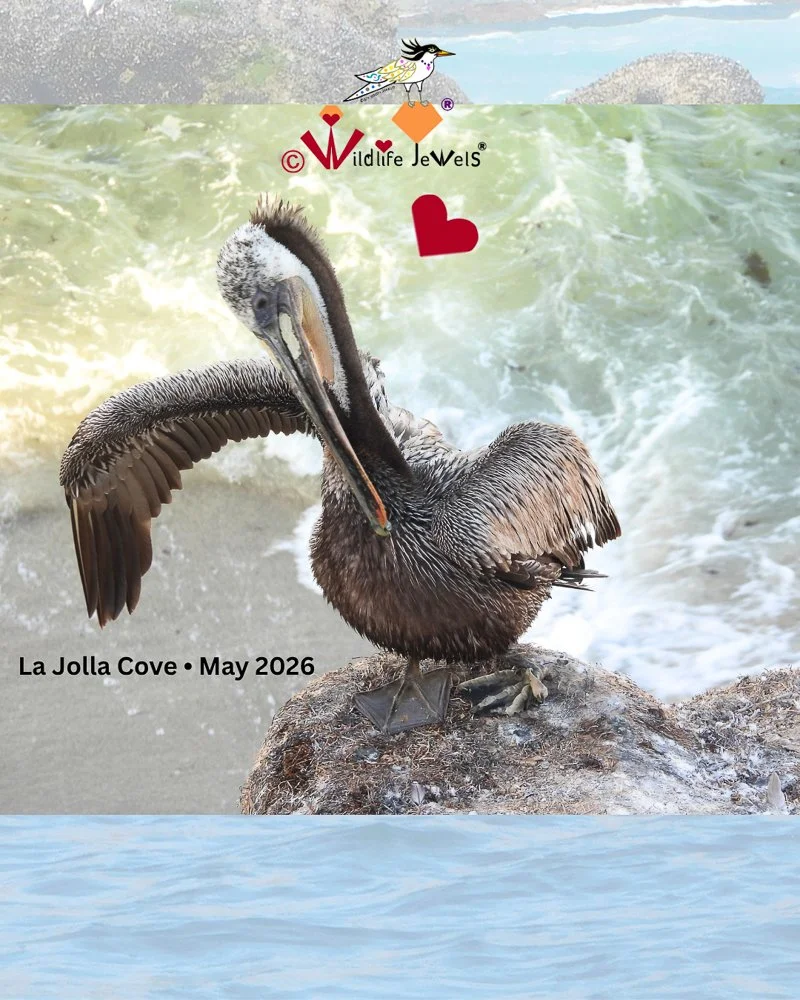
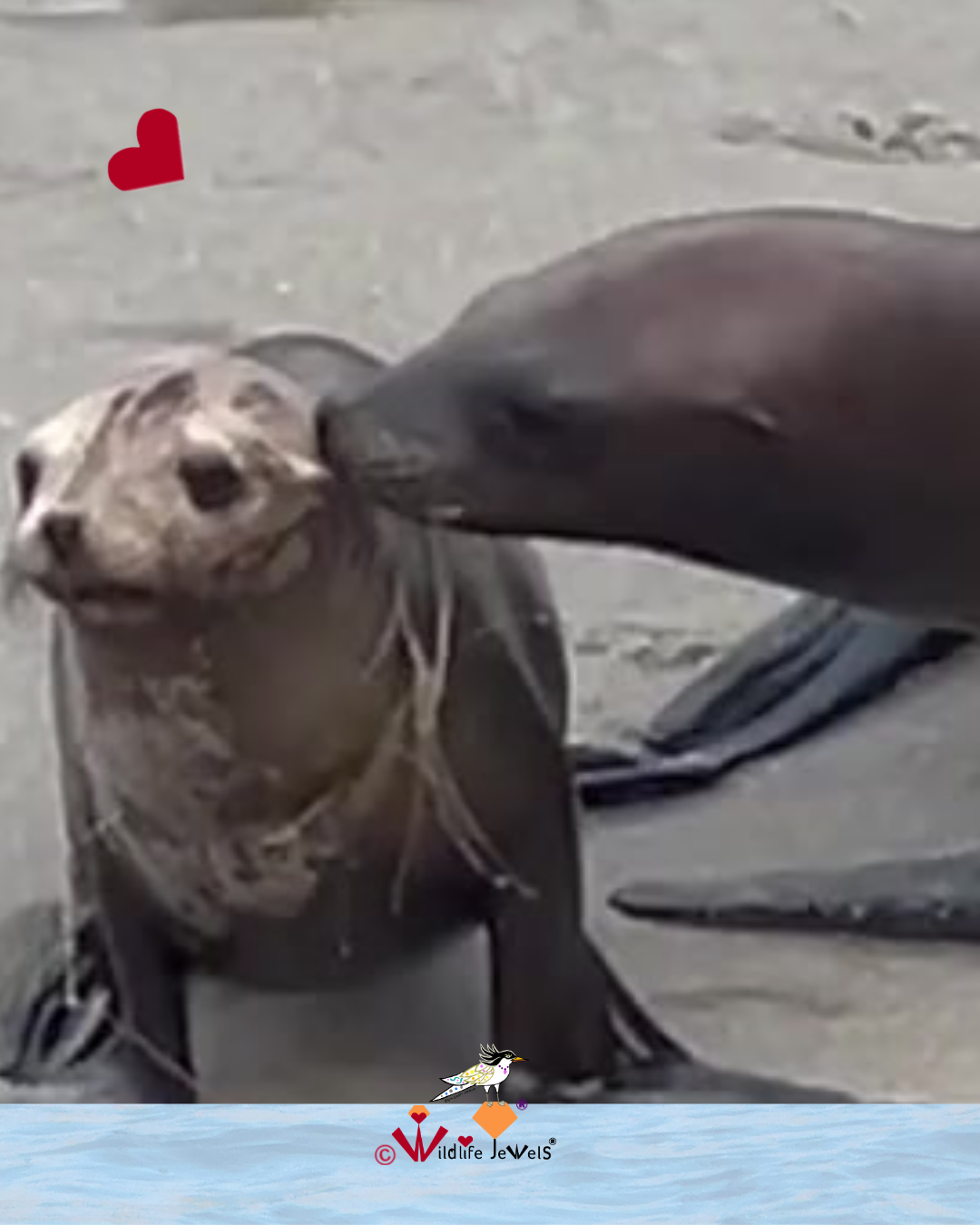
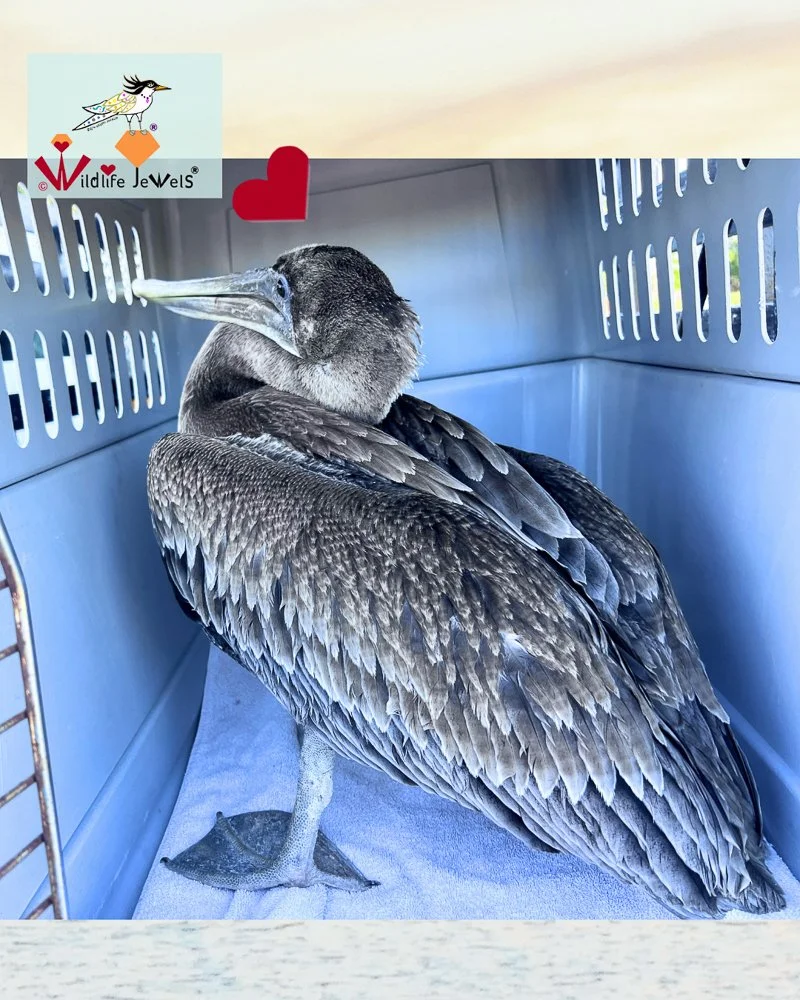
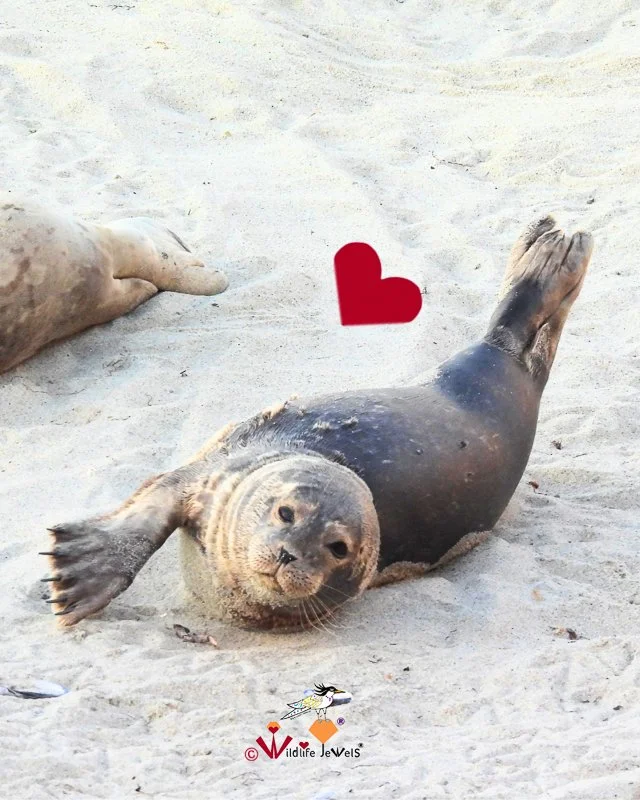
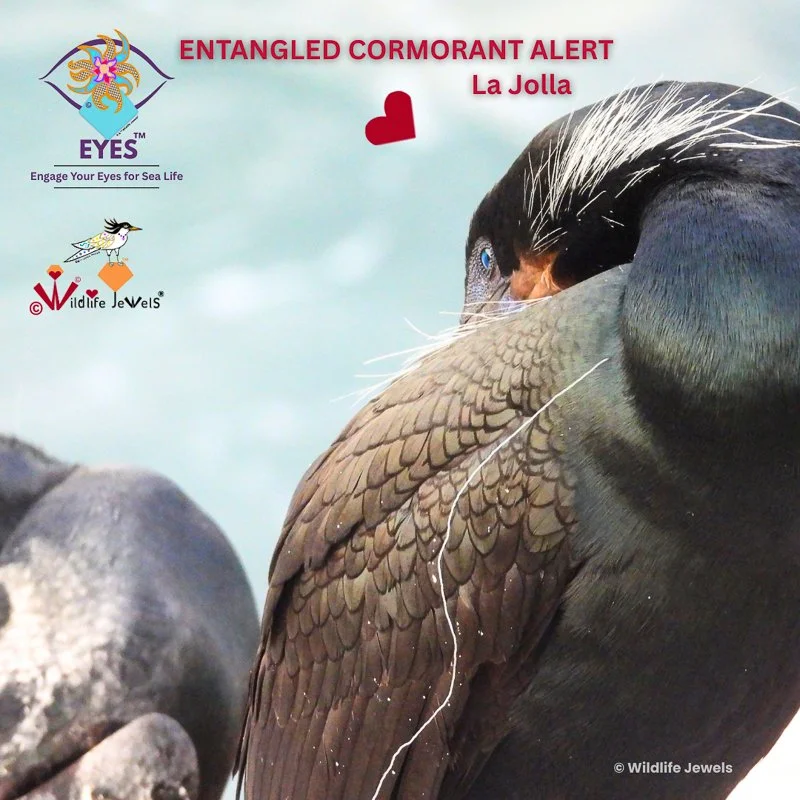
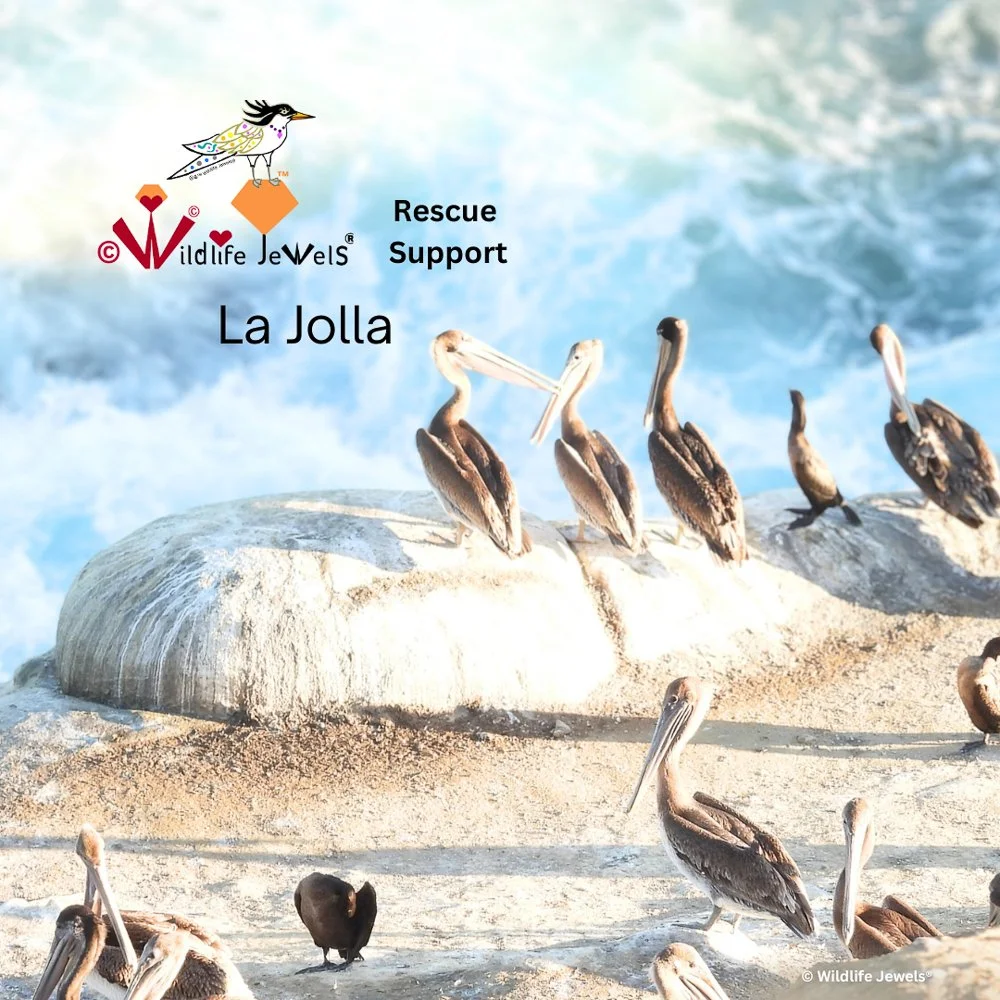
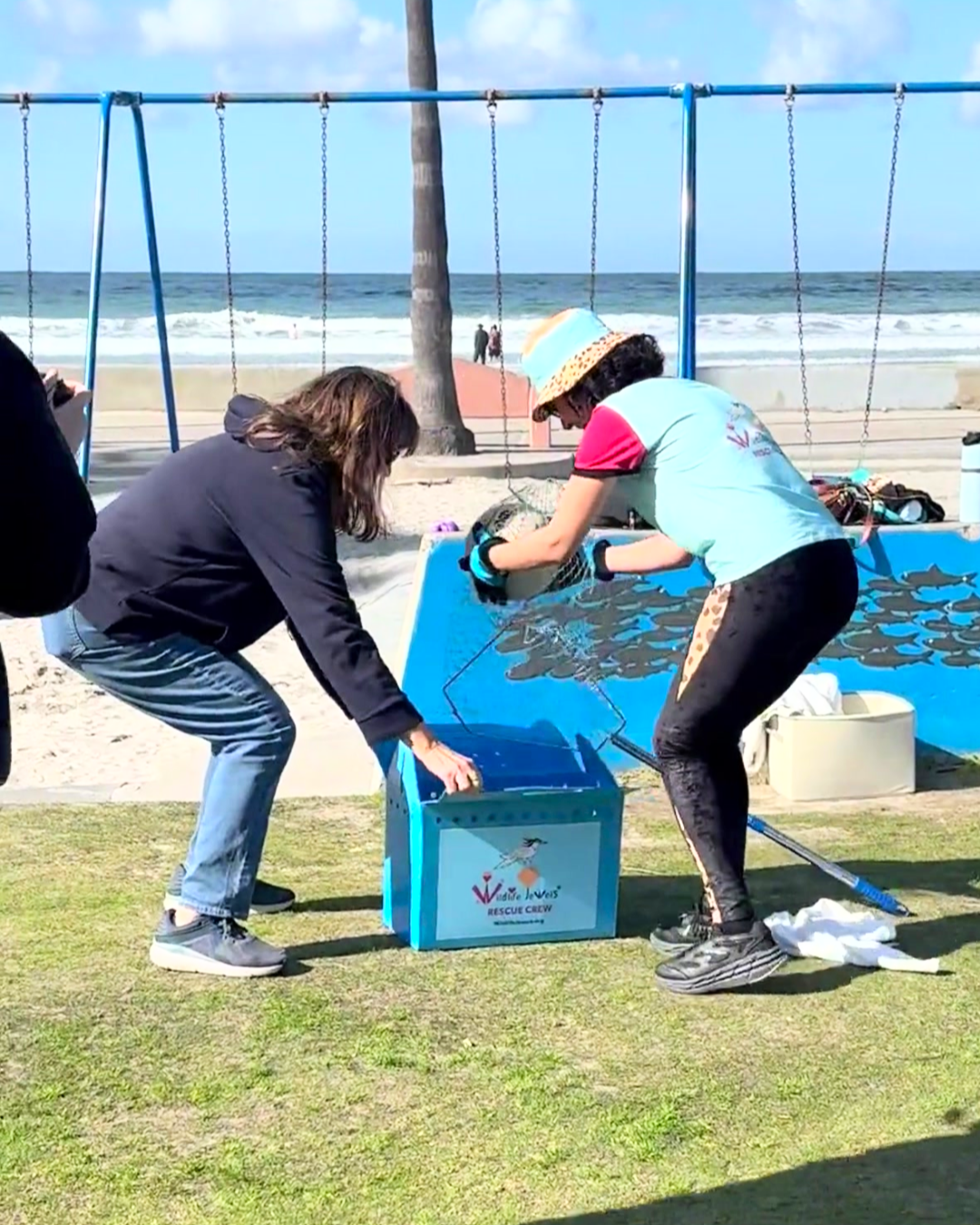
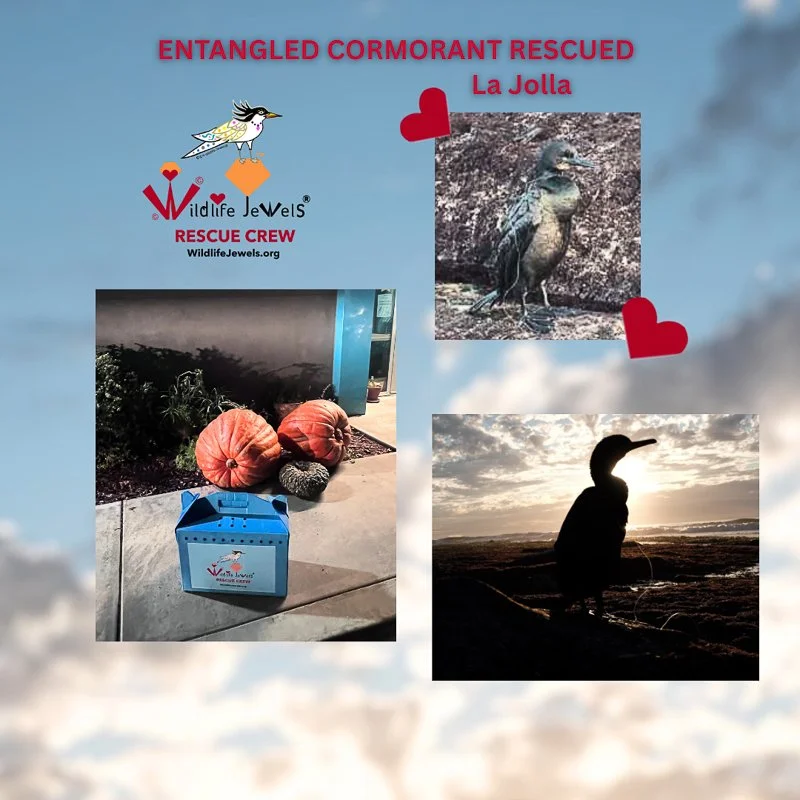
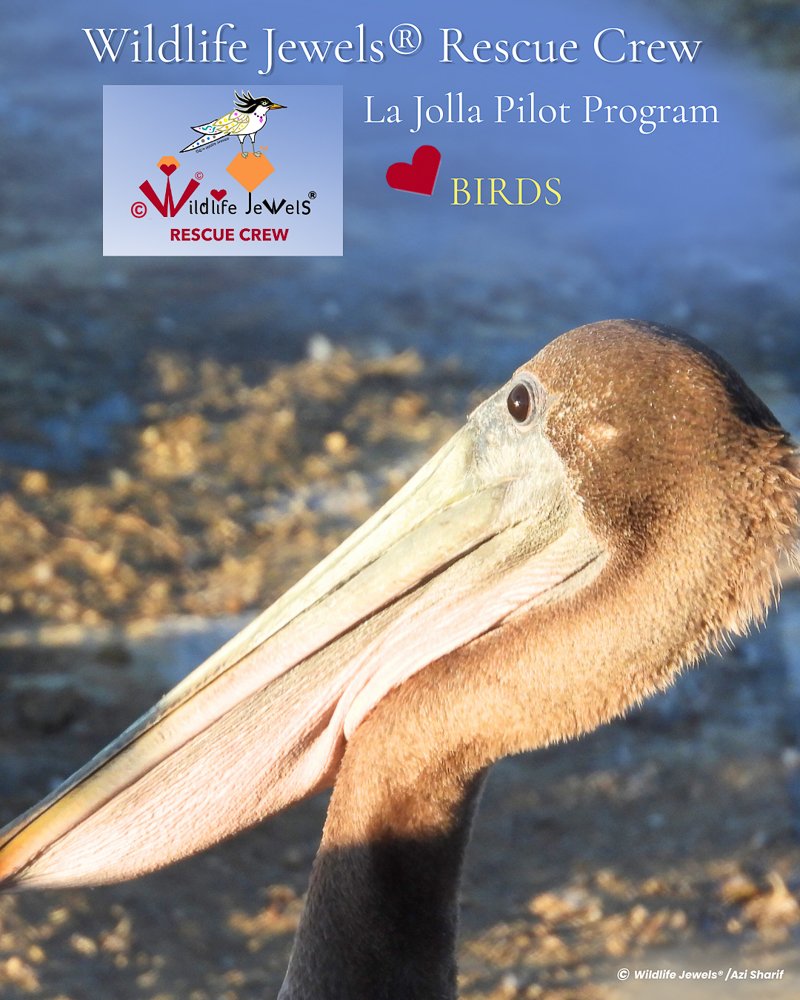

Wildlife Jewels continues to document seabird entanglements in La Jolla, particularly at Point La Jolla, as birds face fishing gear and other pressures.