Osprey 61: A Remarkable 14-Year Journey from Montana to La Jolla
Discover the remarkable story of Osprey 61, banded as a nestling in Montana in 2012 and spotted more than 14 years later at La Jolla Cove, California.
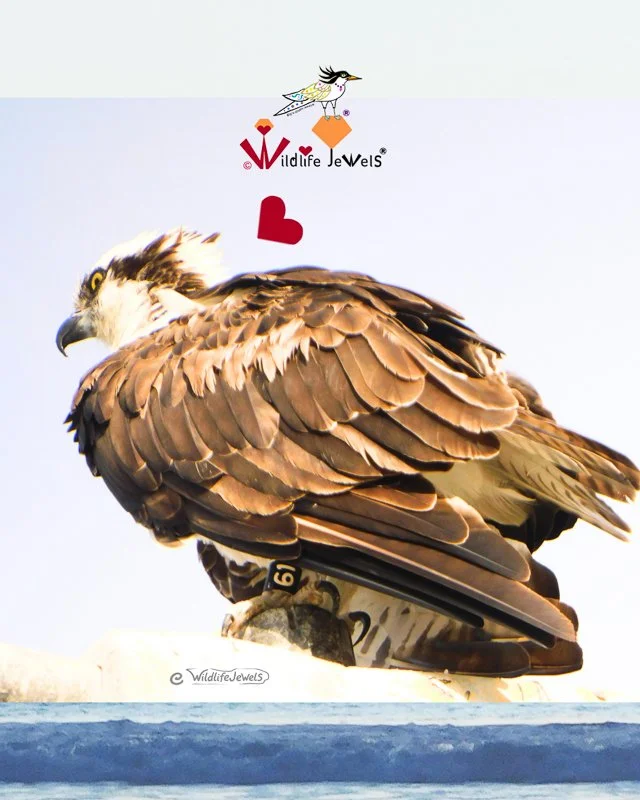
📷 © Wildlife Jewels® | Osprey 61 at La Jolla Cove, photographed by Azi Sharif, September 21, 2026.
Every Observation Matters. Every Life Has a Story. 💎
During a Wildlife Jewels Rescue Crew Search Scout survey through our EYES® wildlife monitoring program, we spotted a magnificent Osprey at La Jolla Cove. Looking closely, we noticed something special—a blue leg band marked 61.
We photographed the Osprey and reported the sighting to the U.S. Geological Survey Bird Banding Laboratory. What we learned revealed an extraordinary story that began more than 14 years ago in Montana.
Osprey 61 was banded on July 18, 2012, near Alberton, Montana, by Raptor View Research Institute. At the time, he was just a nestling—too young to fly.
Raptor View’s Osprey research in western Montana has helped scientists study mining-related heavy-metal contamination and learn more about Osprey movements and dispersal.
And more than 14 years later, we had the incredible privilege of encountering Osprey 61 at La Jolla Cove, California. 💙
One tiny blue band connected the magnificent bird before us to a young Osprey in a Montana nest more than a decade ago.
This is why consistent wildlife monitoring matters. Our routine EYES® surveys may identify wildlife needing urgent assistance—or reveal extraordinary stories and contribute valuable information about movement, longevity, and survival in the wild.
More than 14 years. Montana to La Jolla. One remarkable Osprey. 💎🦅💙
Learn about Wildlife Jewels EYES and ways you can get involved!
Learn about Wildlife Jewels Rescue and ways you can help!
© Wildlife Jewels® | Osprey 61 at La Jolla Cove, photographed by Azi Sharif, September 21, 2026.
Meet Opal the Western Gull
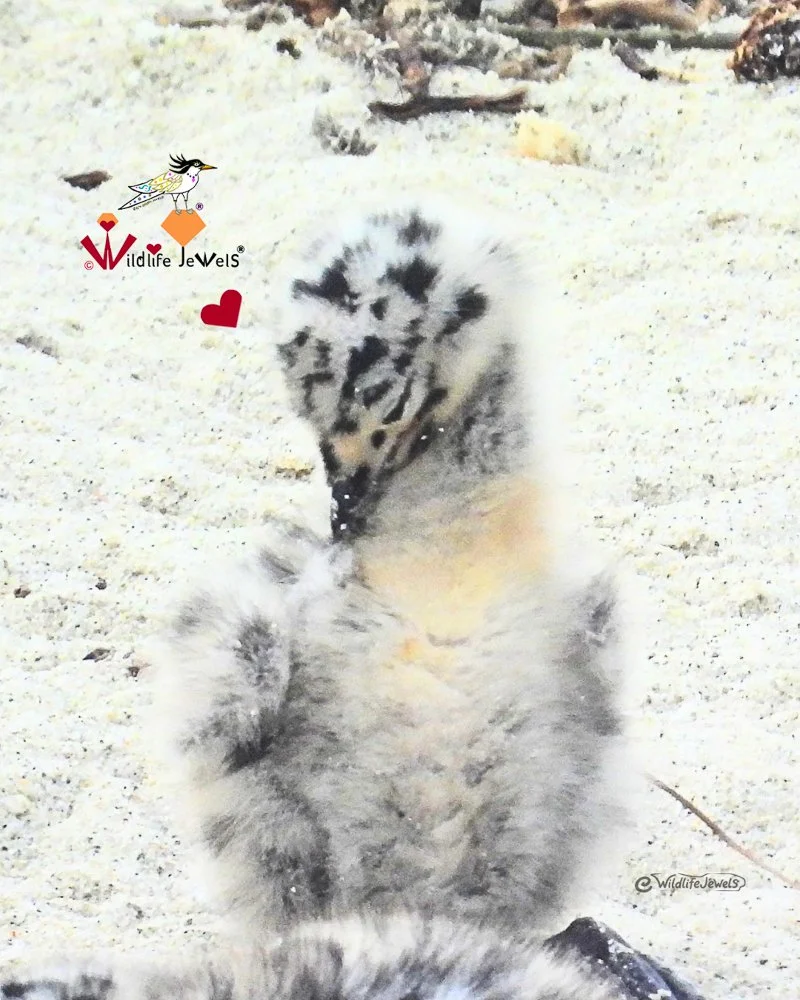
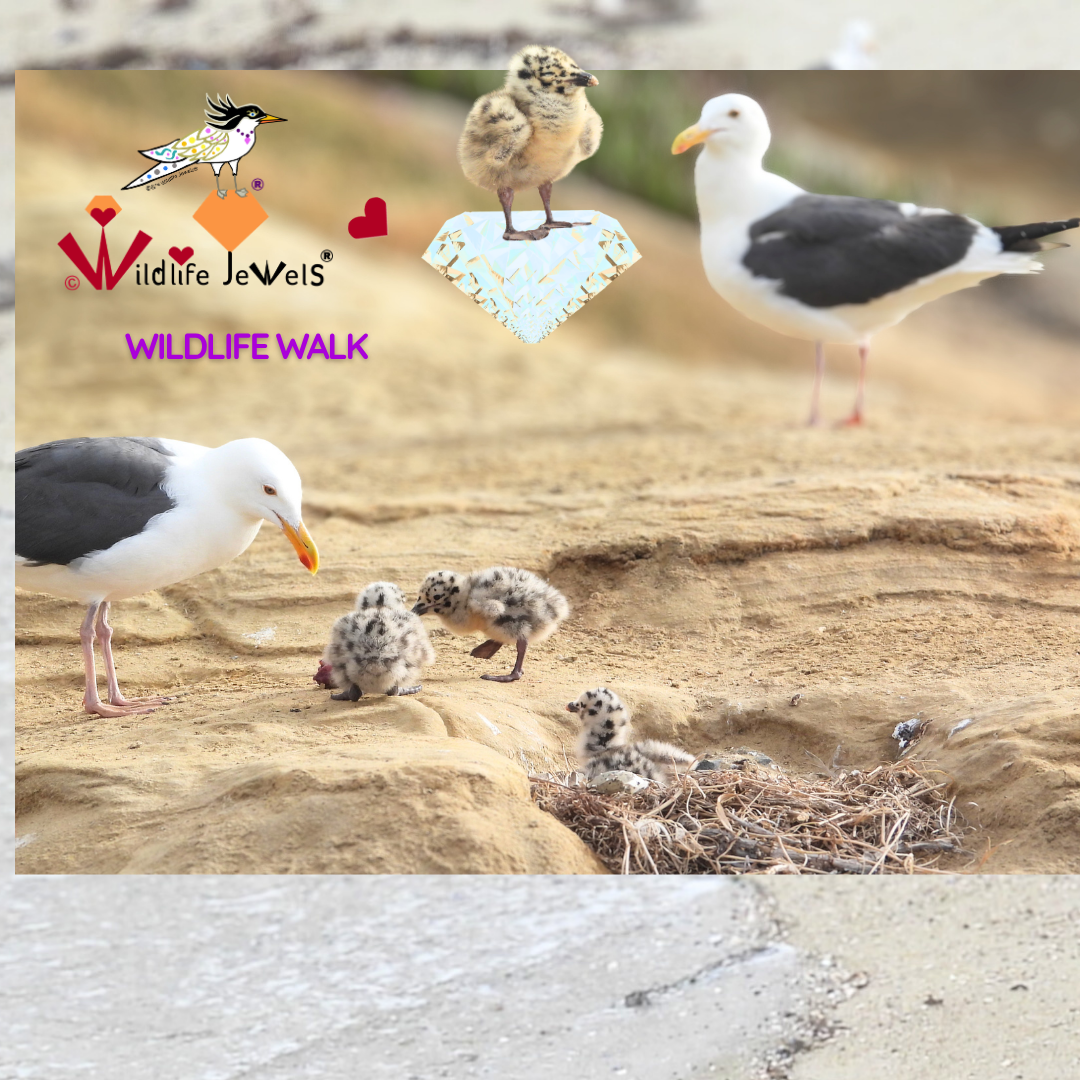
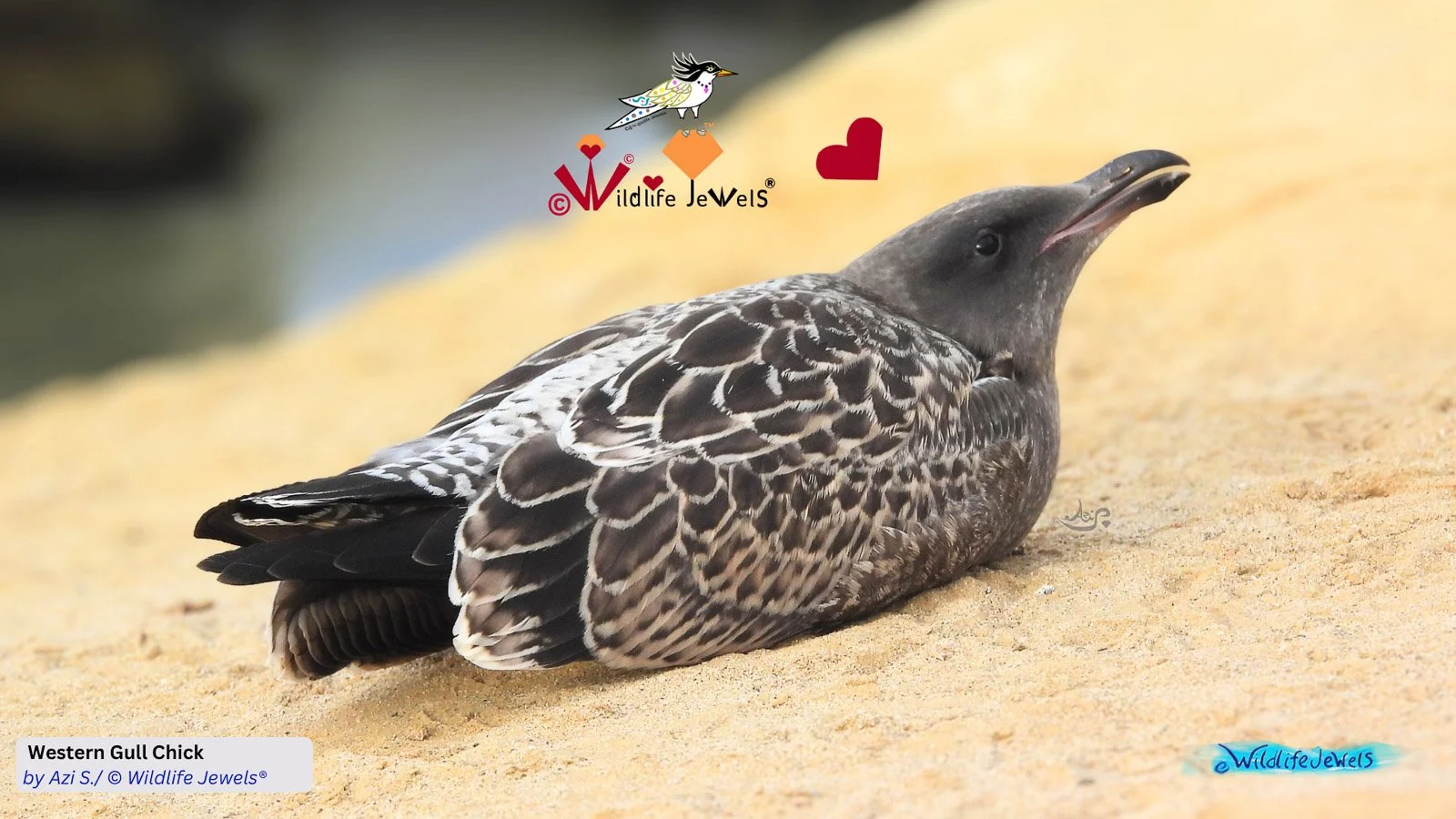
Meet Opal, the Western Gull chick, when she was just about a week old. 🤍
We’ve spent countless hours in the field observing and helping protect Opal and her family since she was still an egg. This photograph was taken in June 2026. 💜
Watching Opal grow from a tiny chick into the beautiful fledgling she is today has been incredibly special—and a reminder of why every effort to protect vulnerable wildlife matters.
Opal is now one of the precious wild lives featured in our Jewels of La Jolla educational art collection, celebrating the remarkable wildlife that makes this coastline so magical. ✨
Image: Opal, Western Gull chick, June 2026, La Jolla, CA. © Wildlife Jewels® | Photo by Azi Sharif
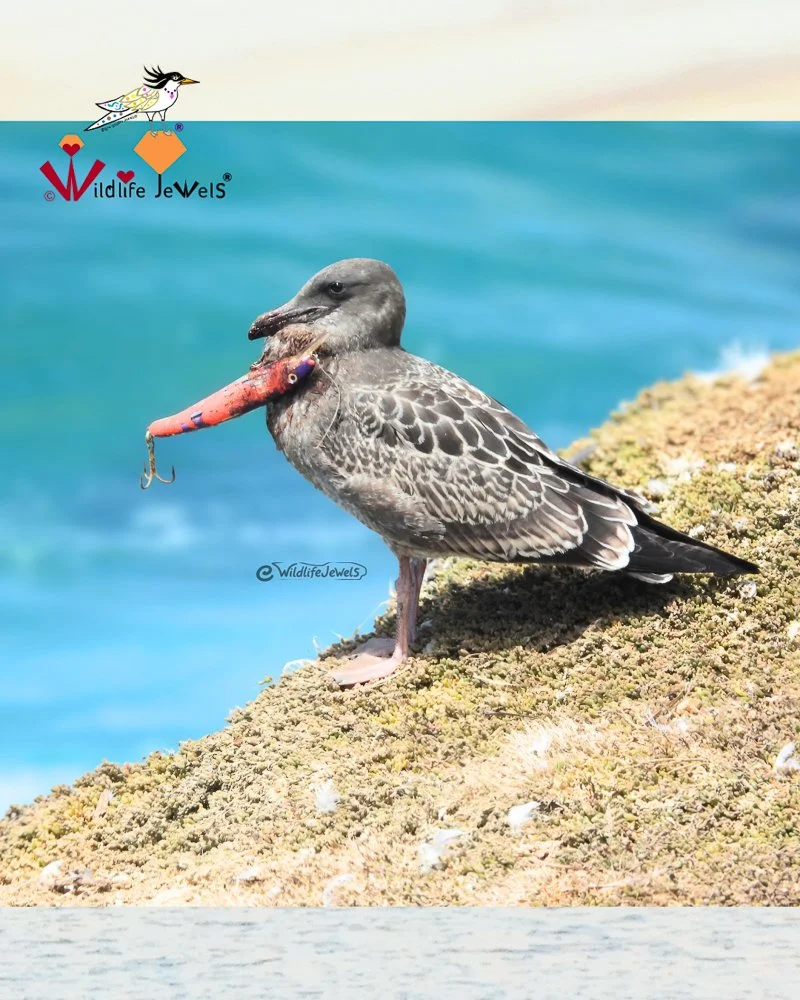
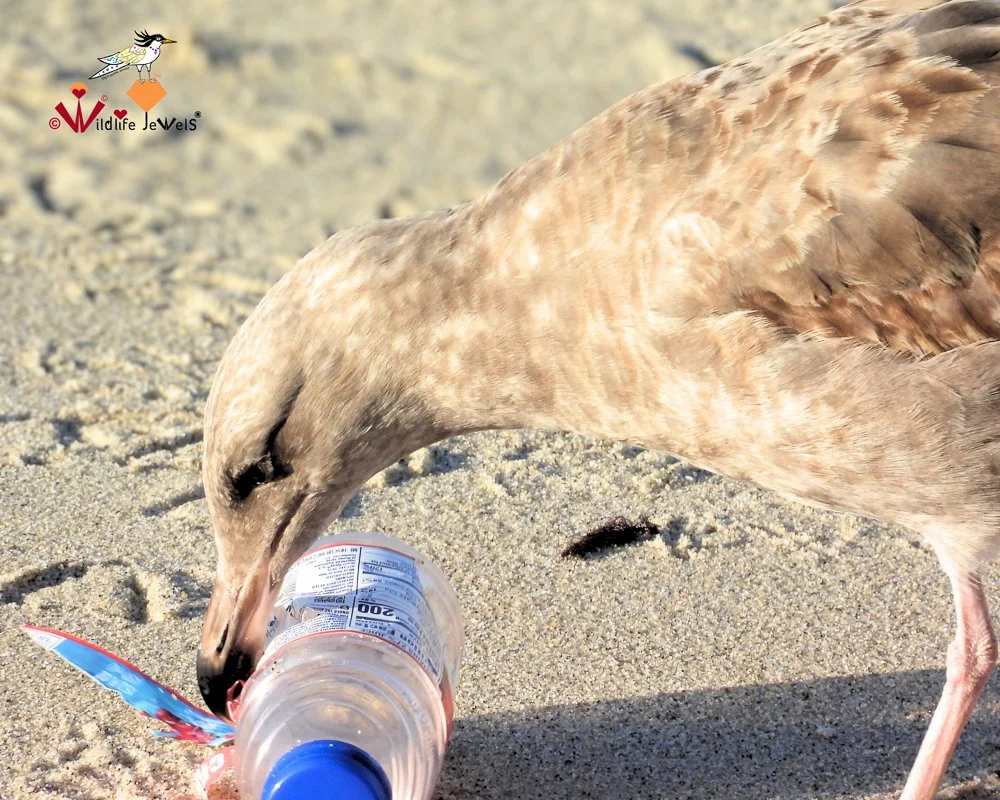
Opal the Gull pecking at discarded plastic left near her nesting area © Wildlife Jewels® / Azi Sharif | August 2, 2026
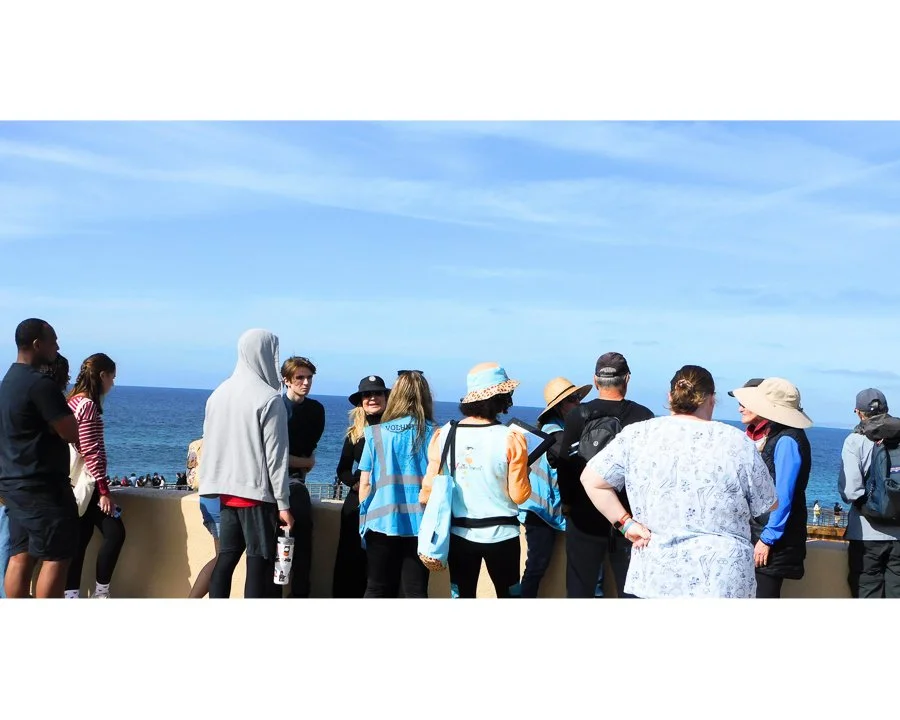
Wildlife Jewels’ World Ocean Day Wildlife Walk, La Jolla
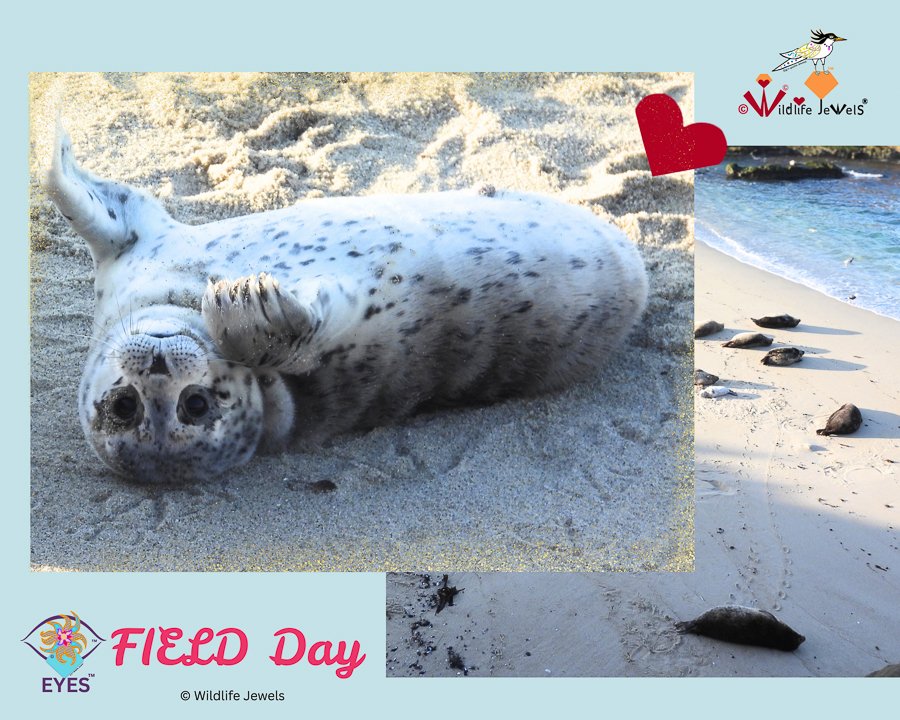
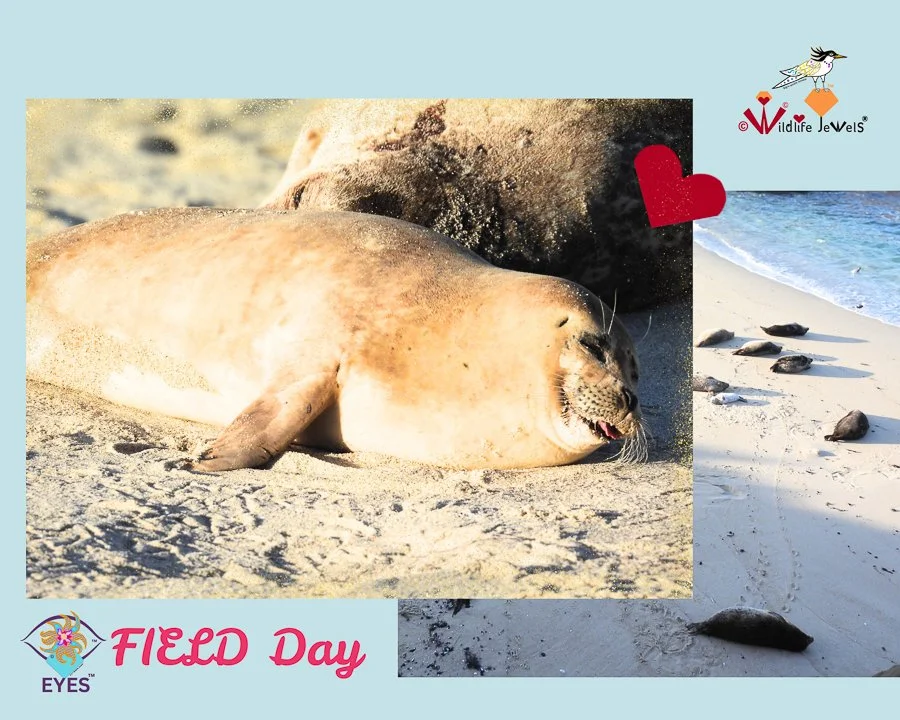
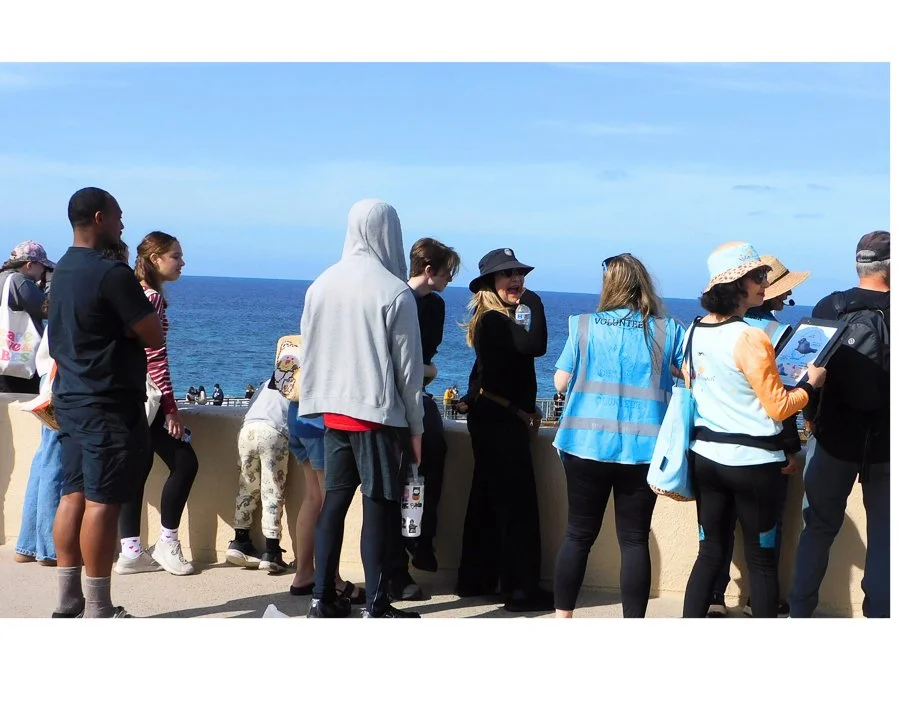
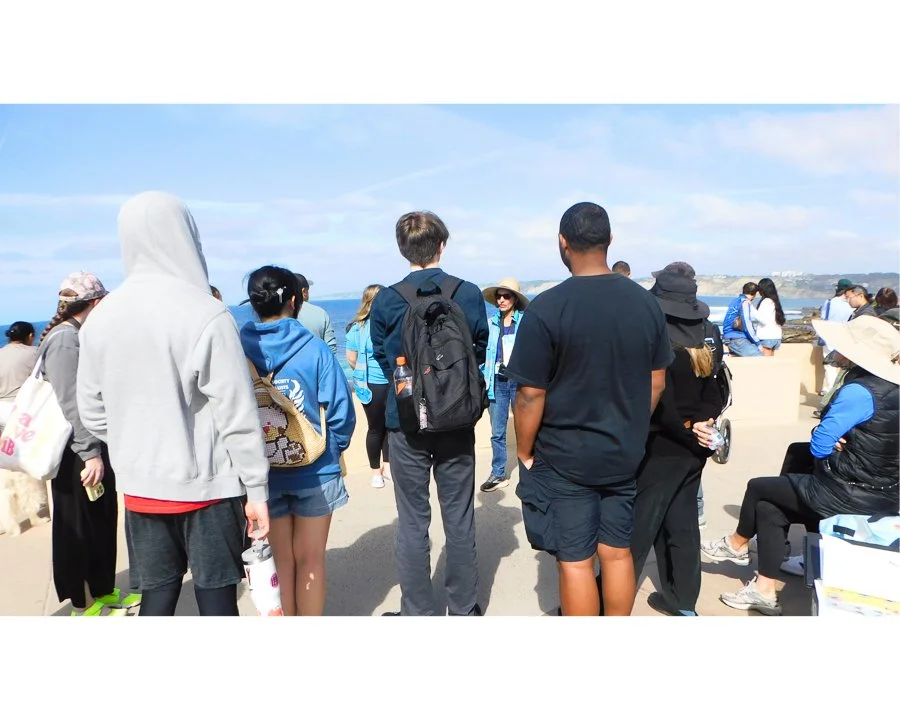
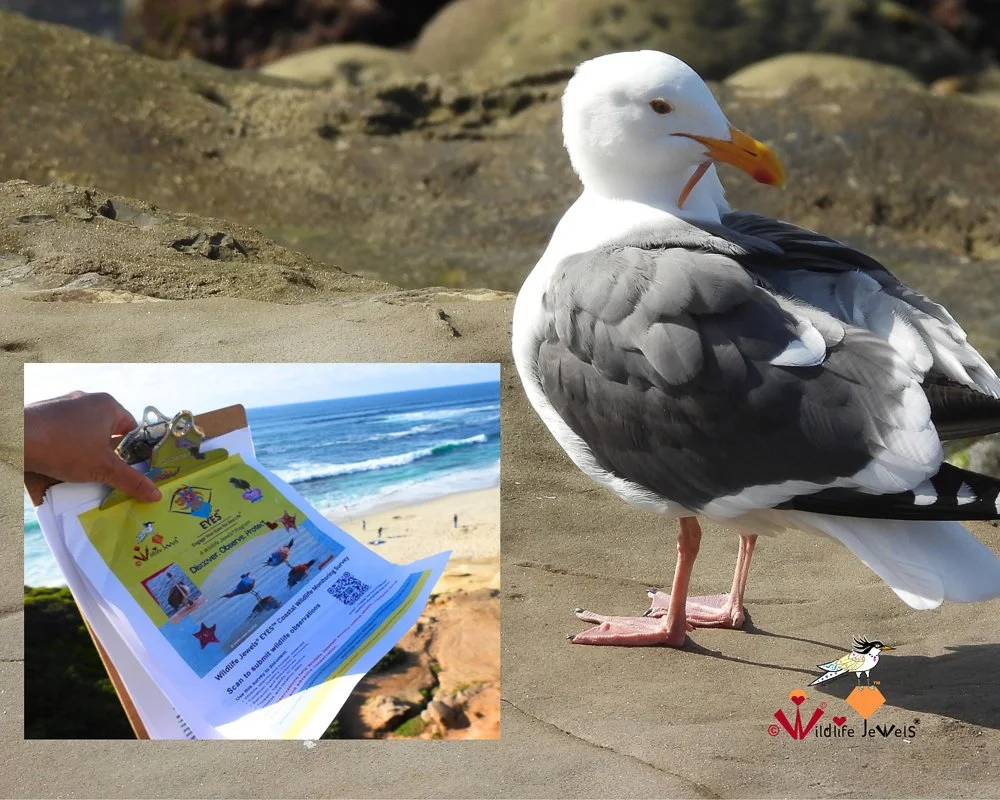
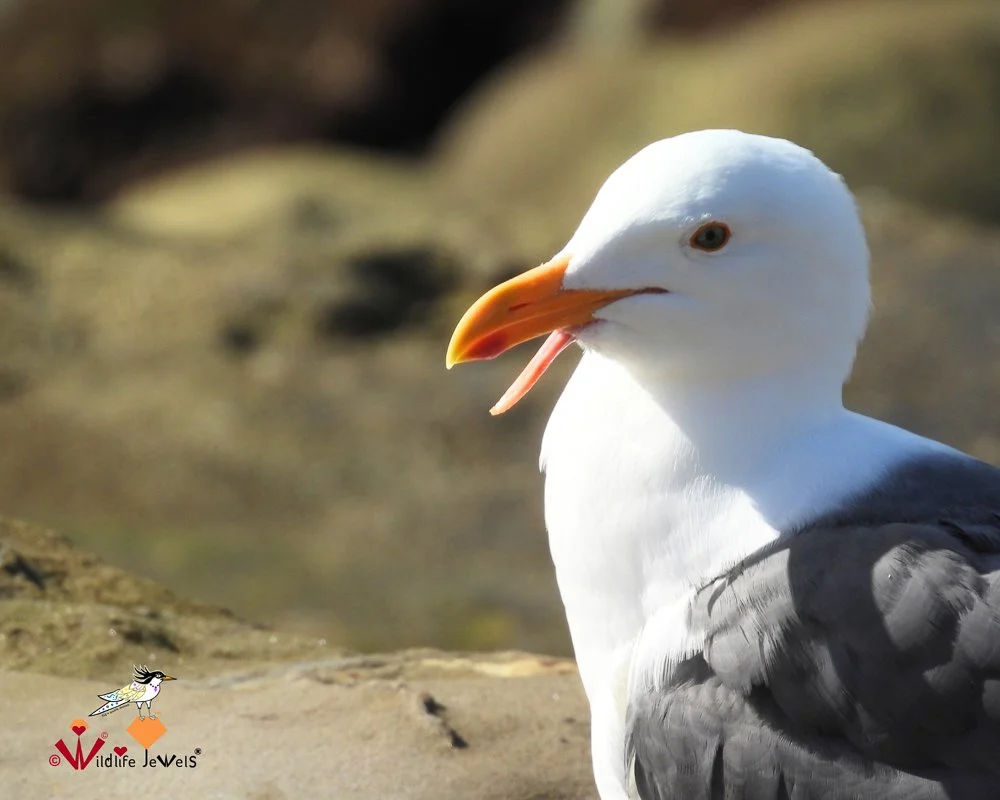
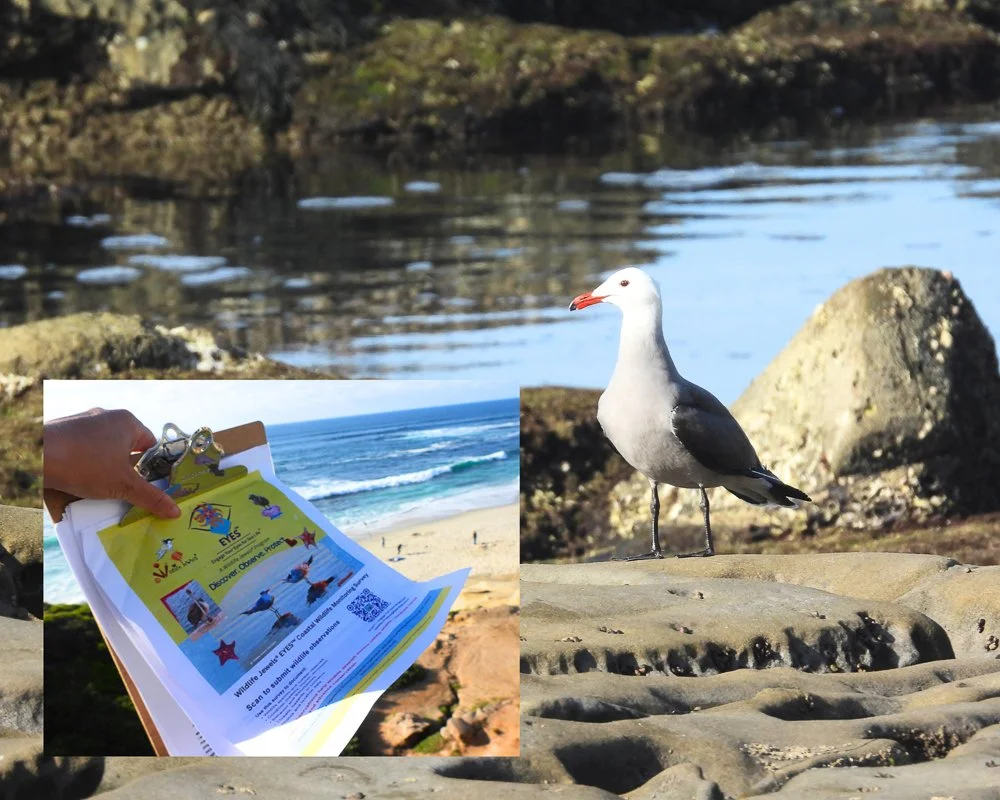
Observed during our EYES™ Field Day with SDSU MEBSA students: a Western Gull with a concerning beak injury—highlighting the importance of careful observation and reporting.
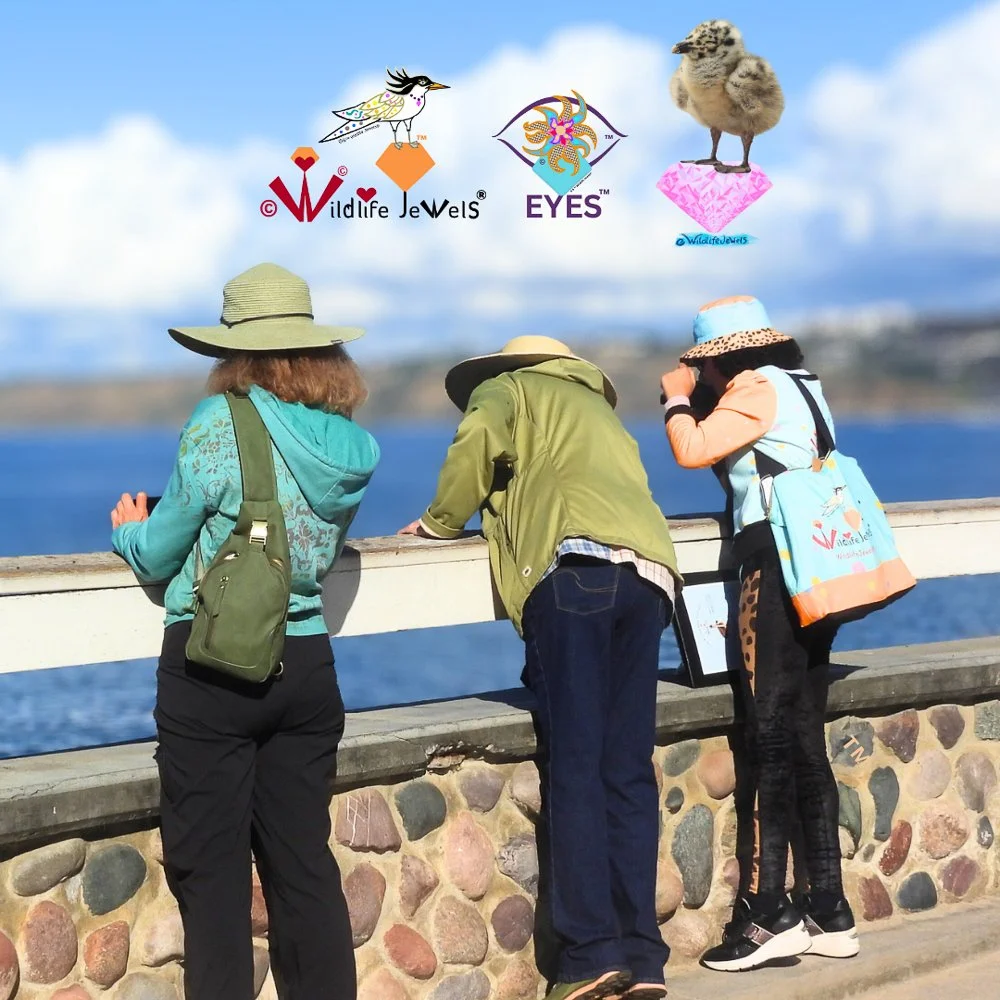
👀 Join EYES™ (Engage Your Eyes for Sea Life)
Become part of our coastal wildlife monitoring community—learn what to look for, how to observe responsibly, and how to report concerns to help keep birds and other coastal wildlife safe.
Learn more at about ways you can protect coastal wildlife at the Wildlife Jewels Resources Page
🛟 Join the Wildlife Jewel Rescue Crew (observation & reporting only)
Help support local wildlife rescue response by assisting with reporting, coordination, and (for trained, permitted volunteers only, transport support when a bird needs help.)
✨ Together, we can turn wildlife observation into action and help protect the magical Jewels that make our coastline so special.
EYES Community BIRD WALK, National Bird Day JANUARY 2026
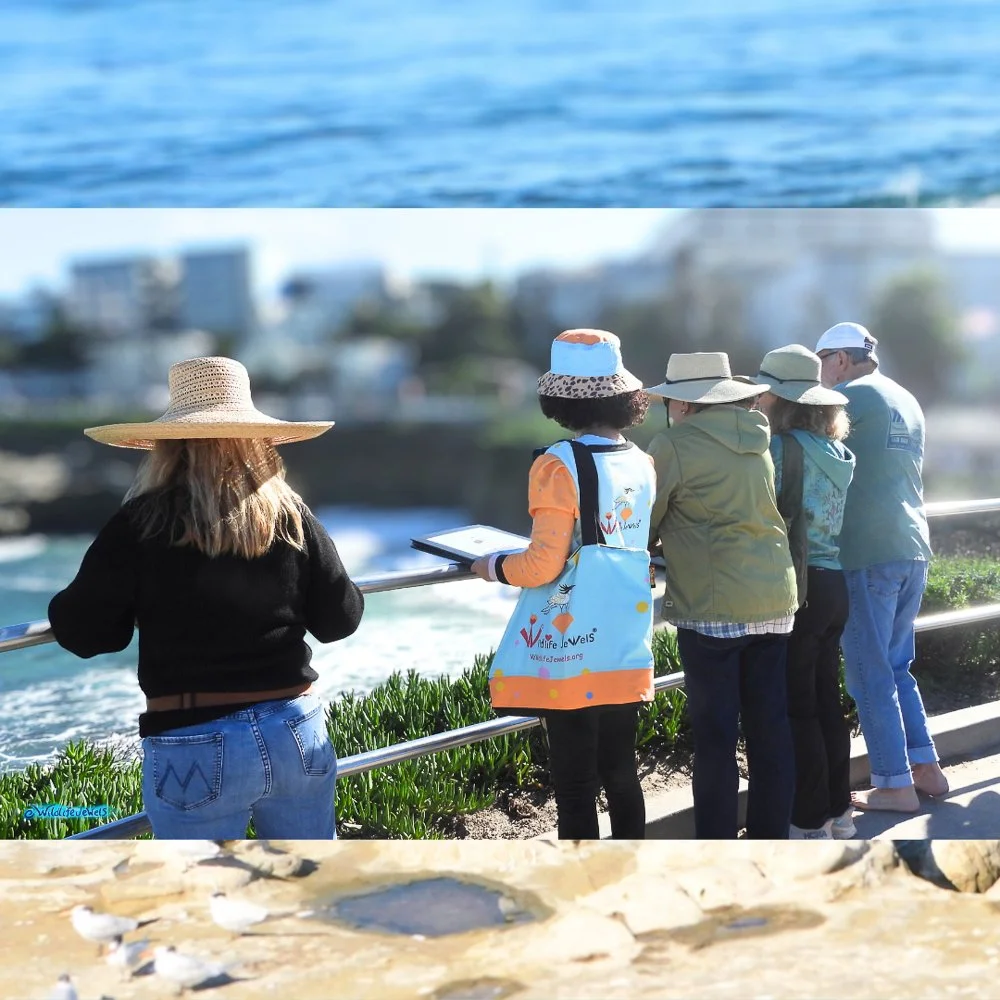
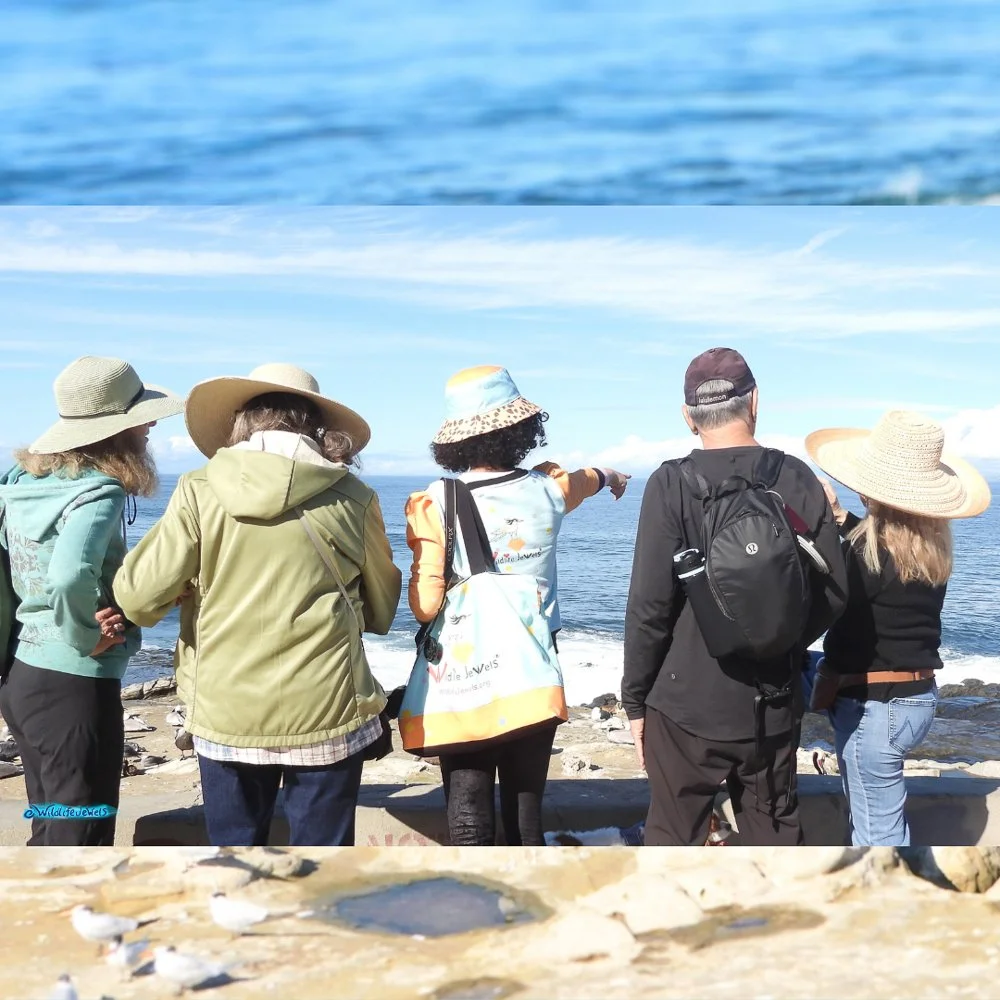
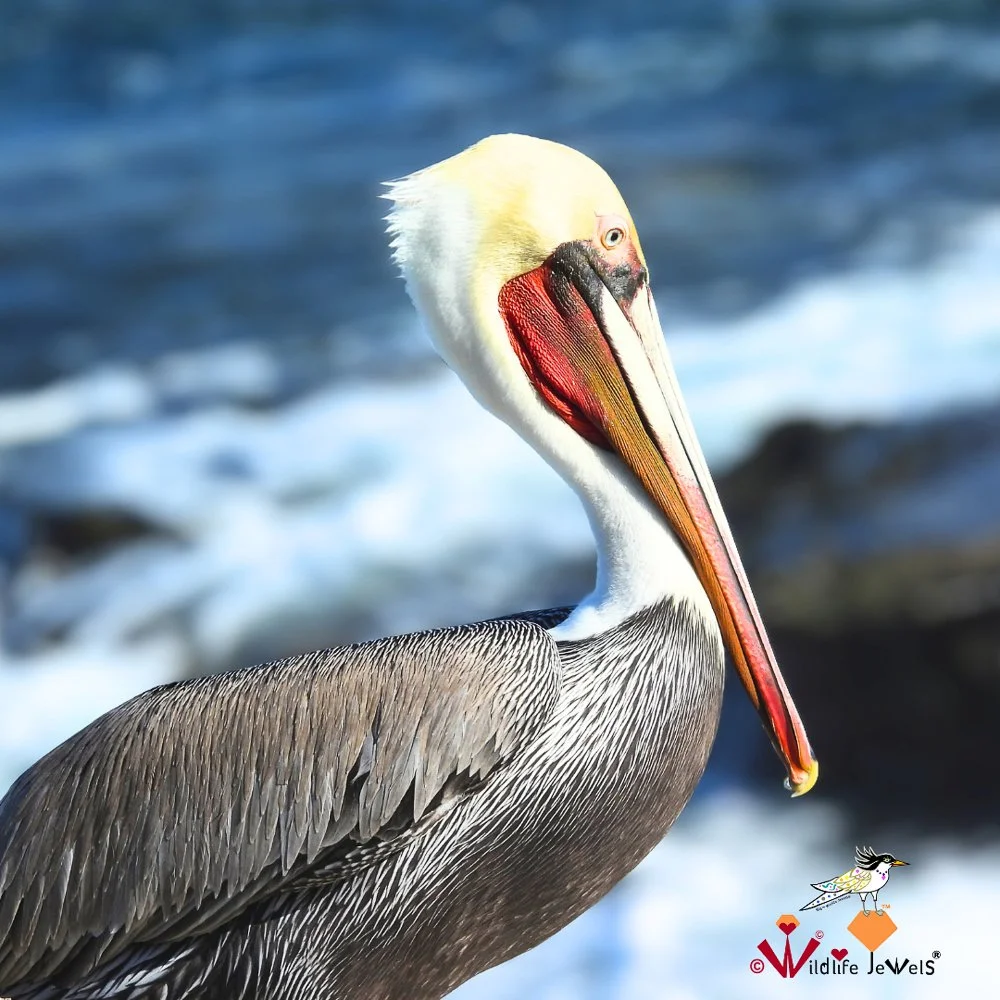
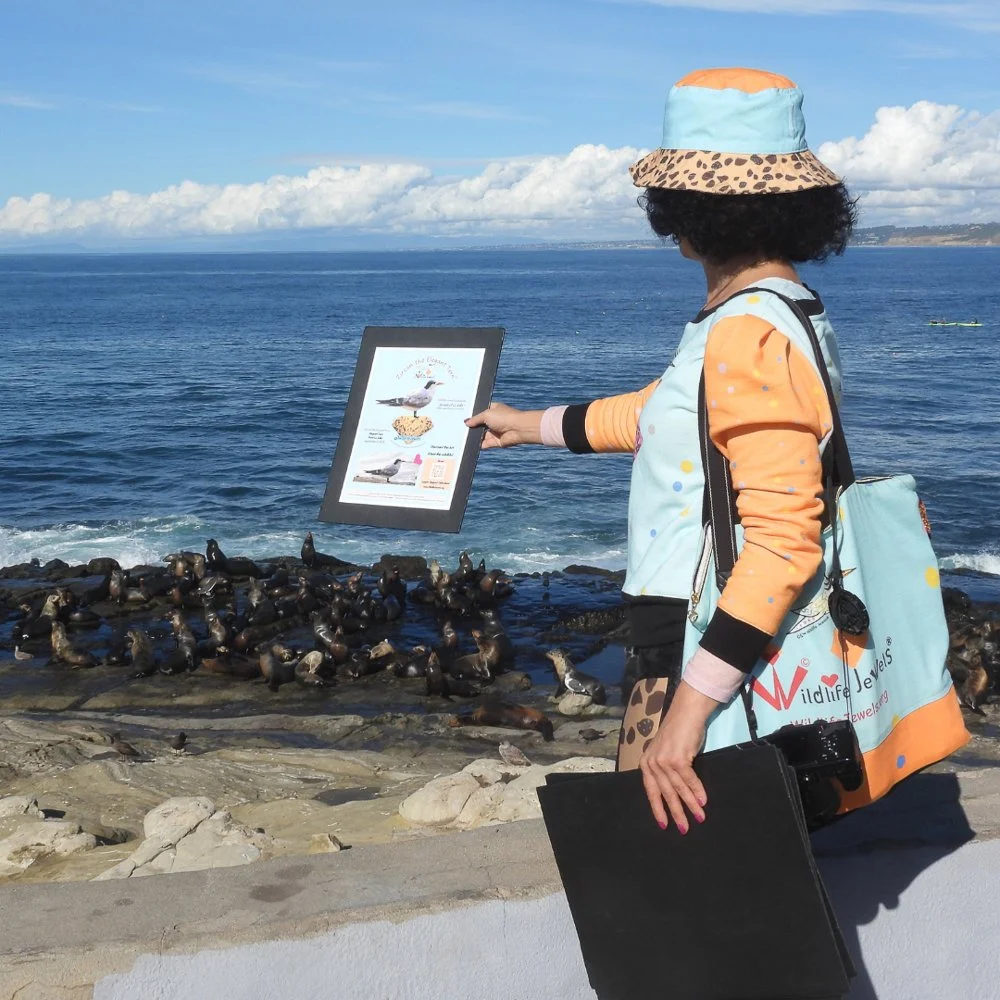
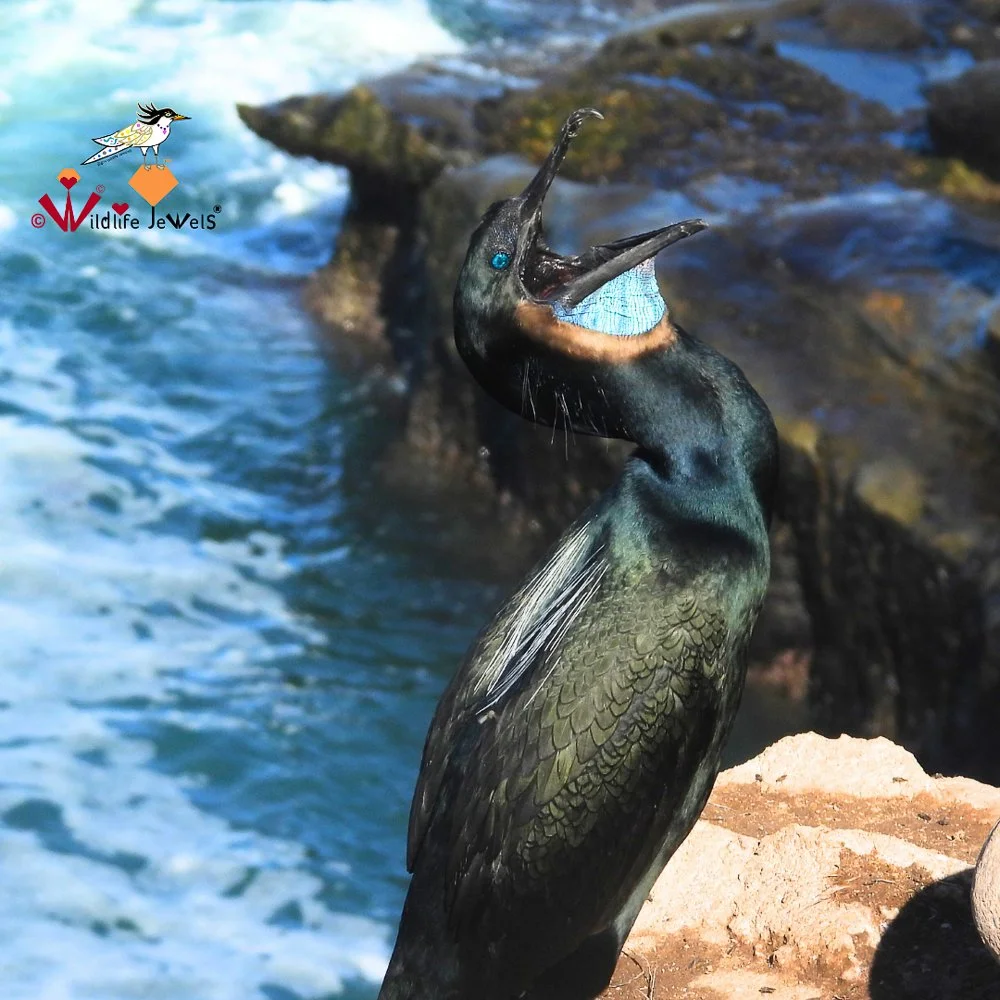
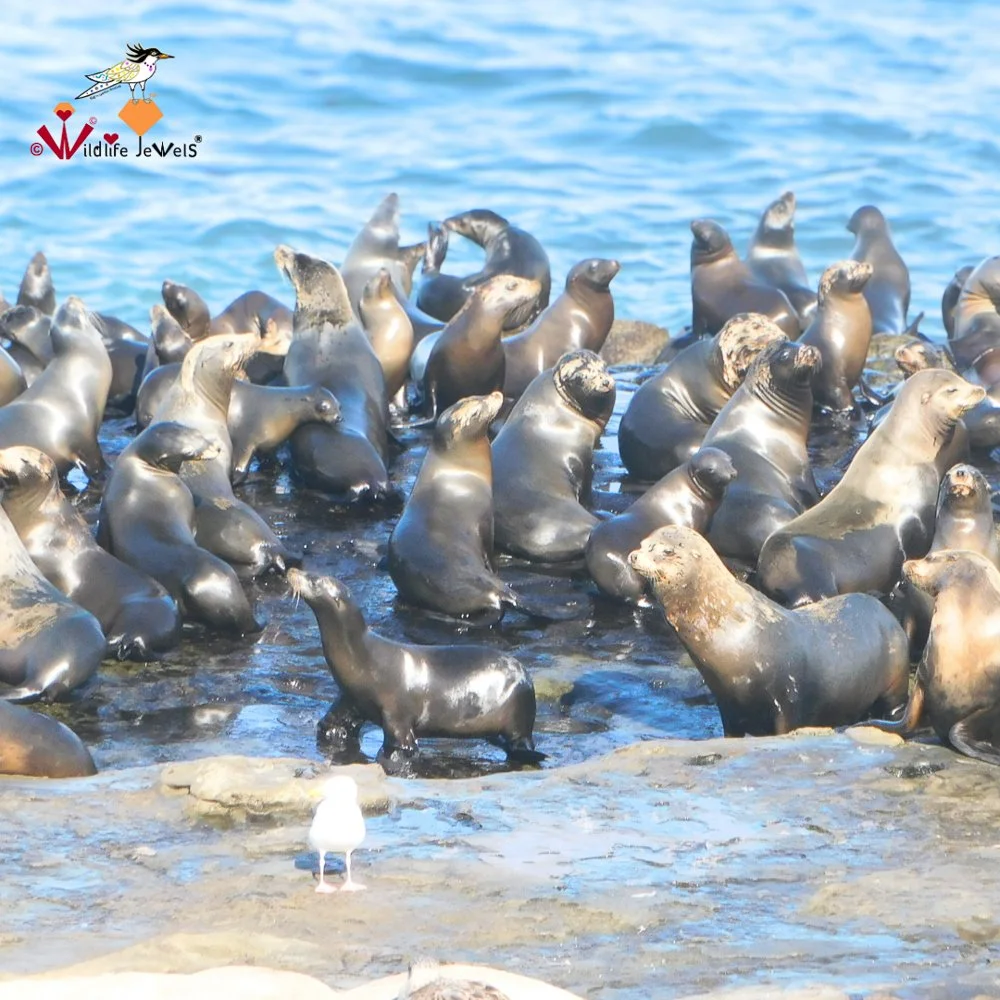
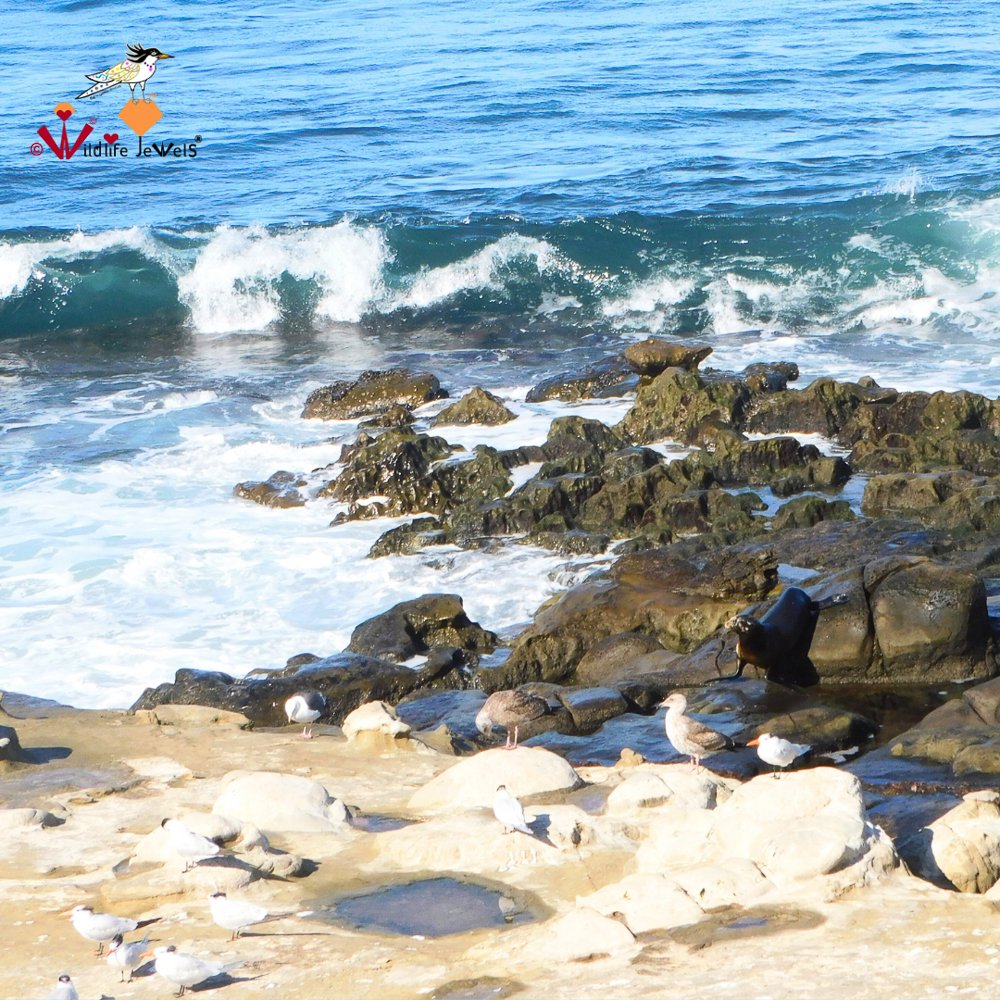
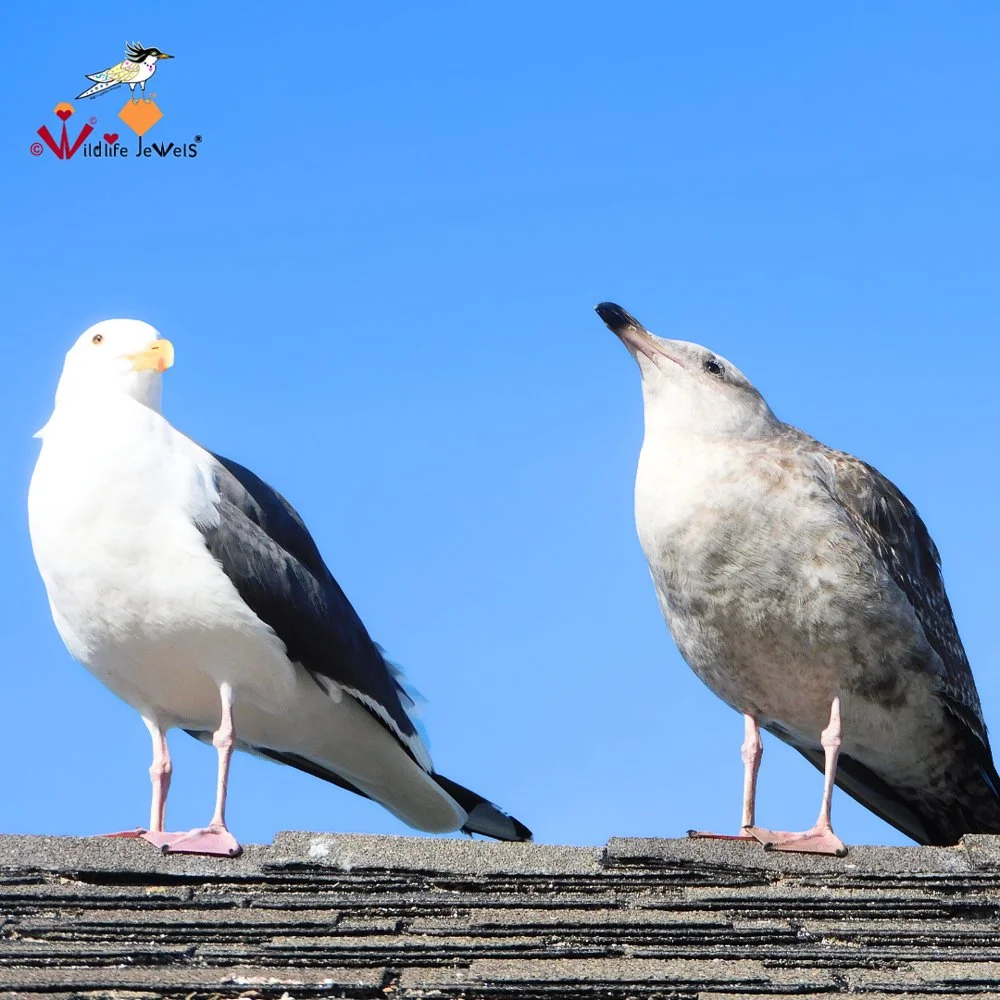
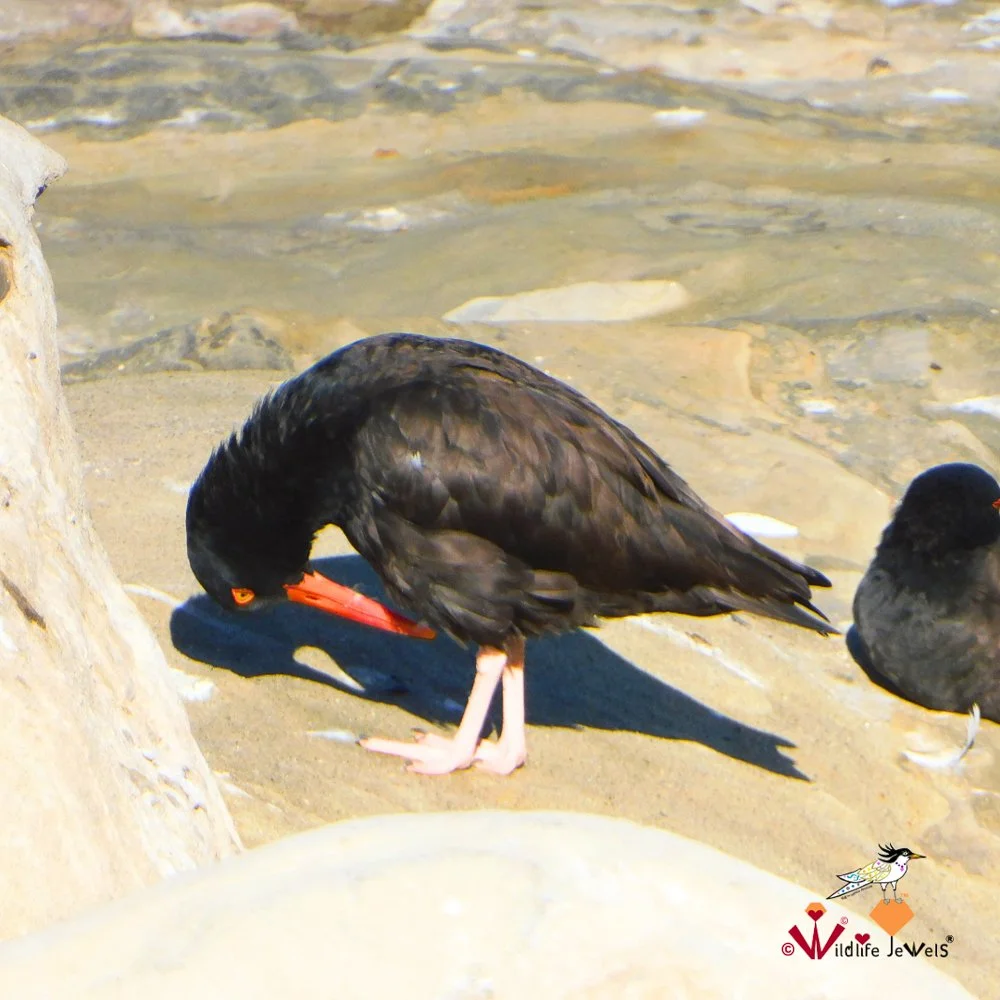
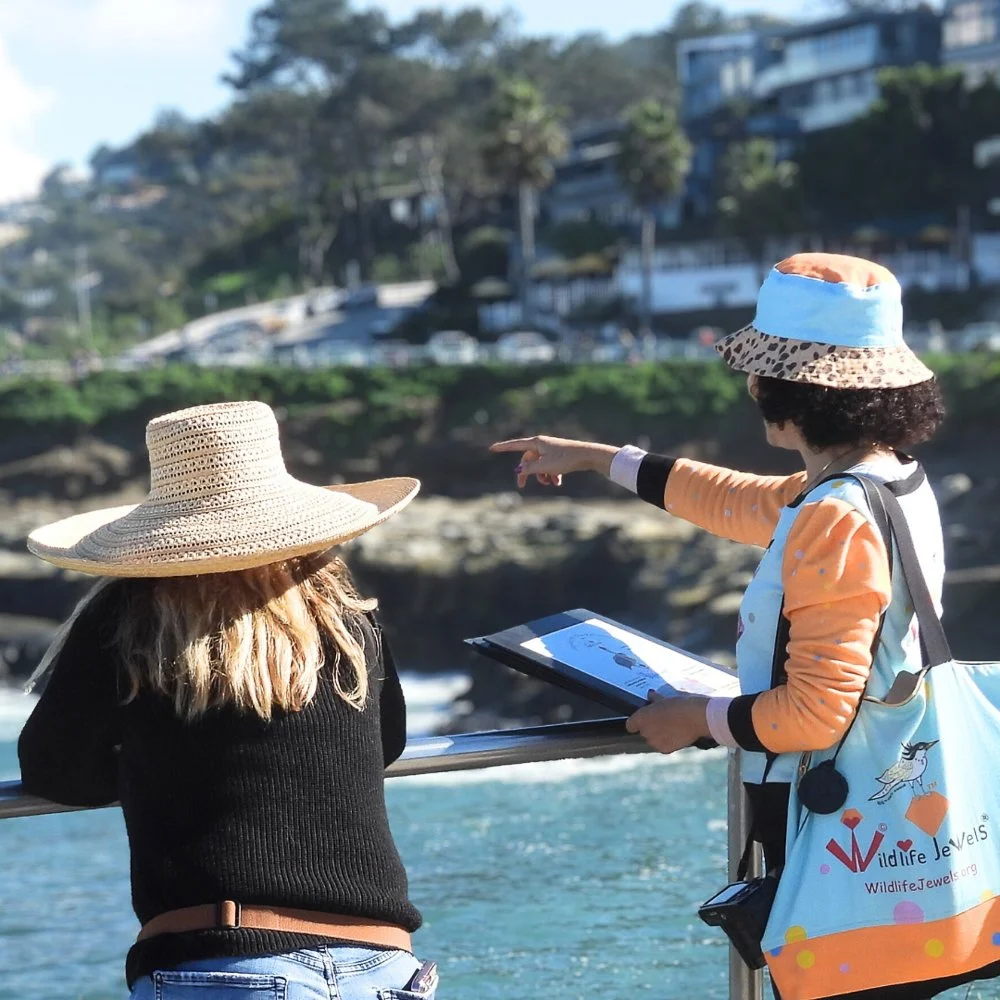
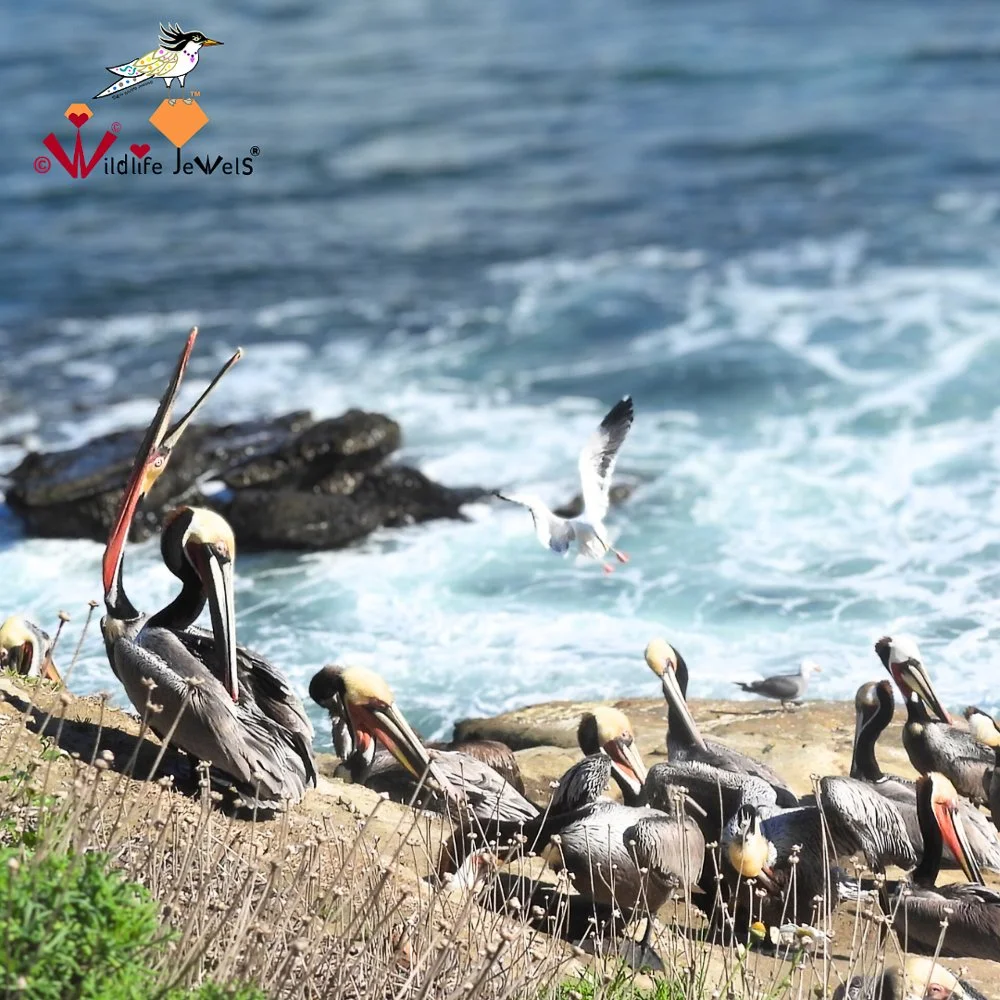
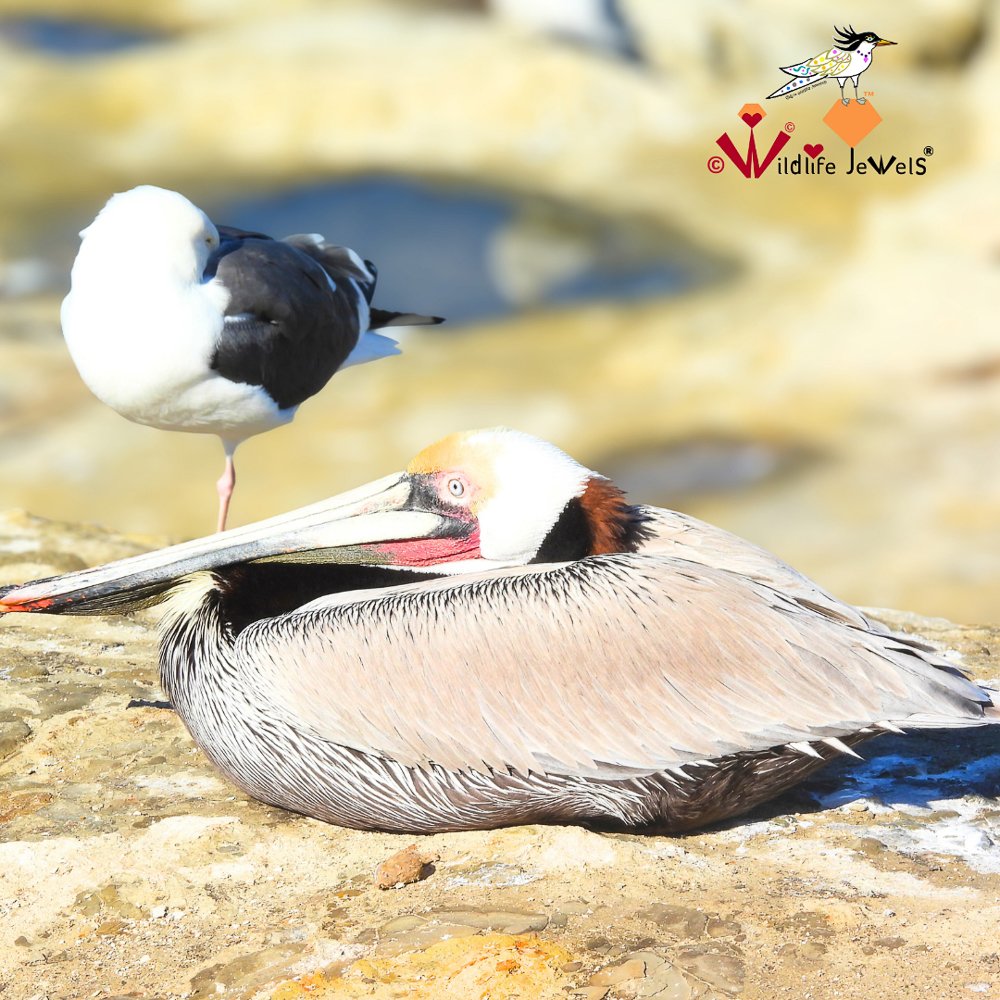
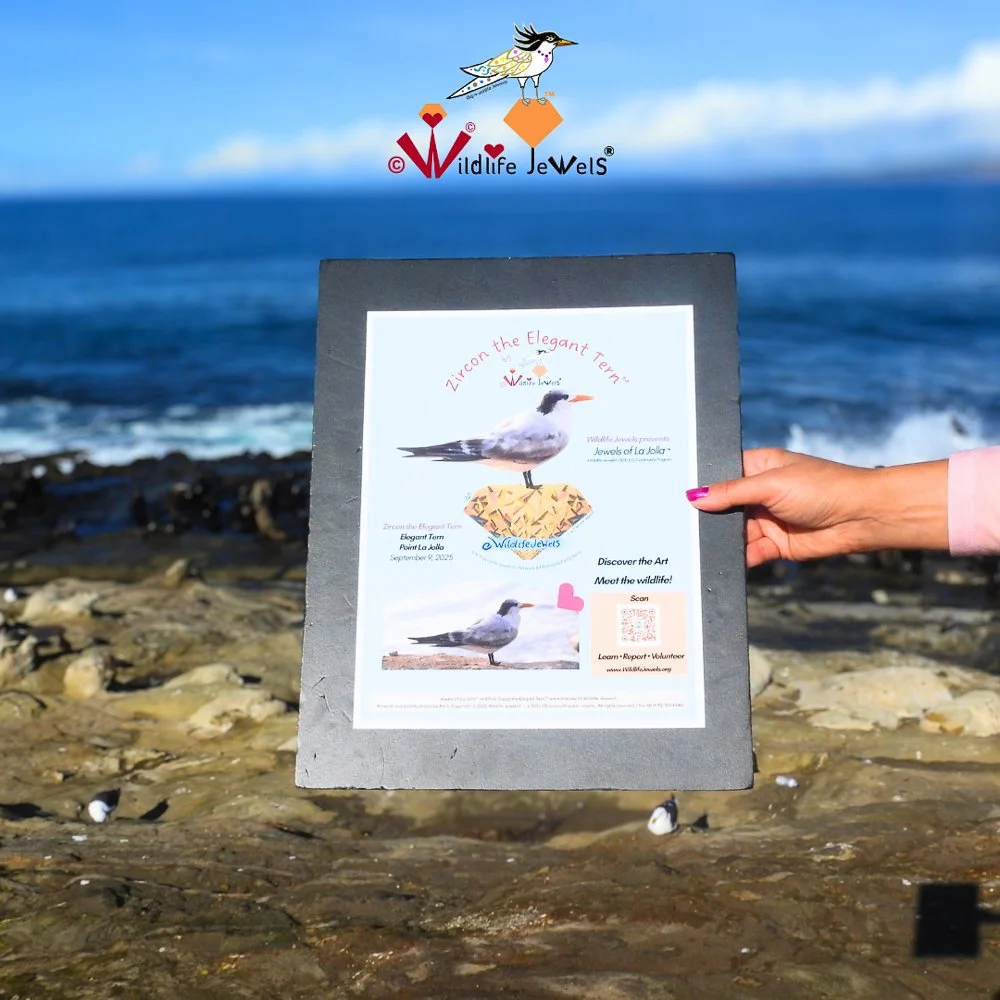
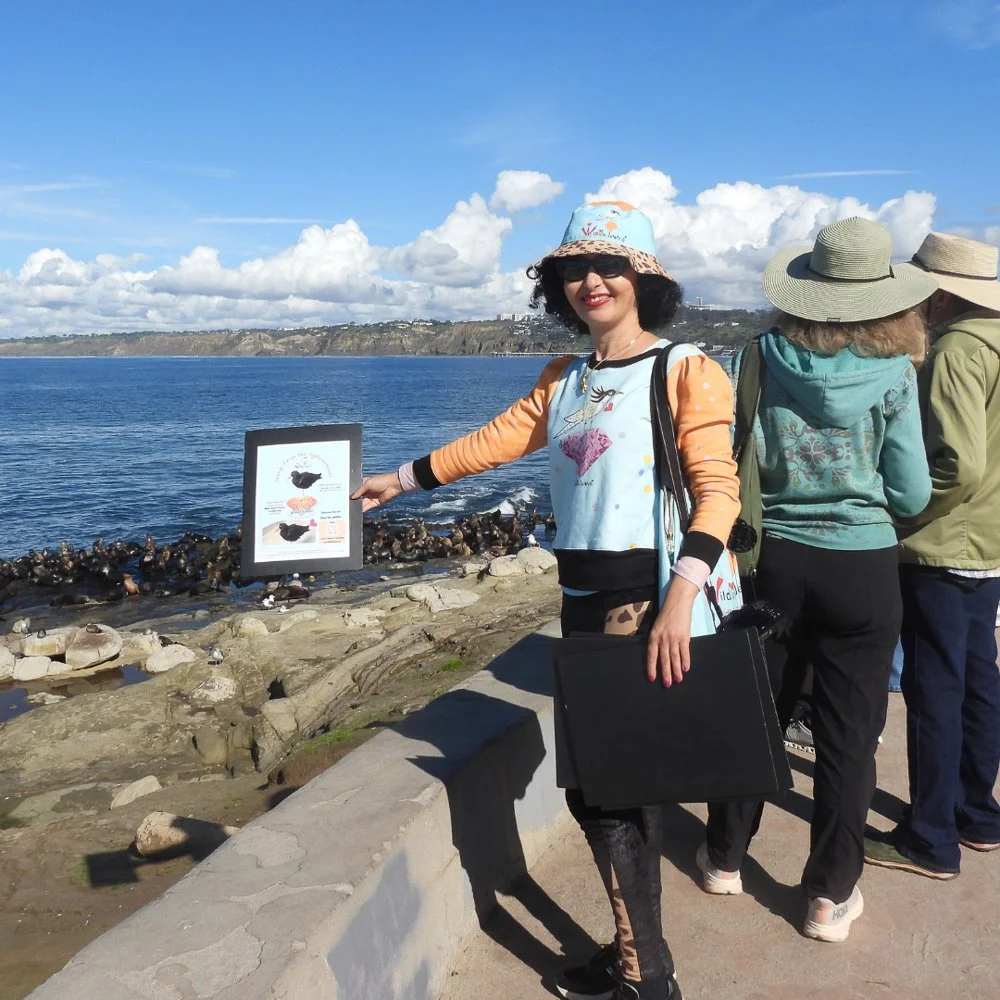
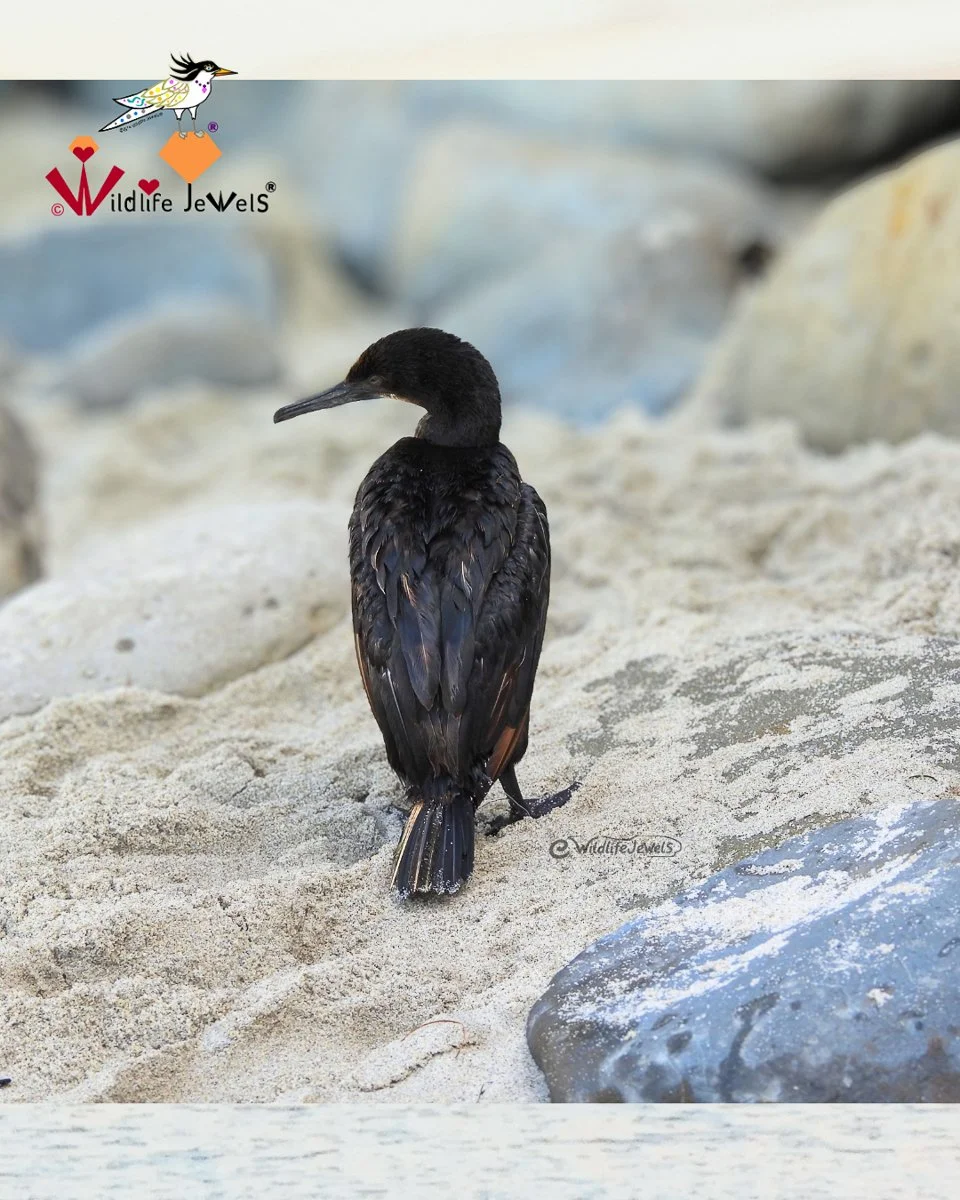
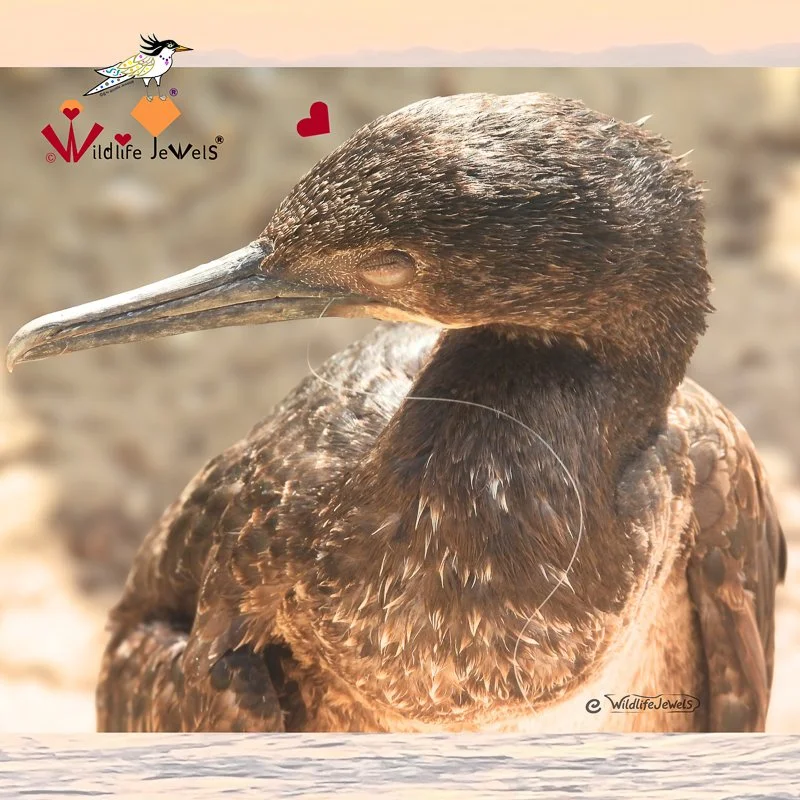
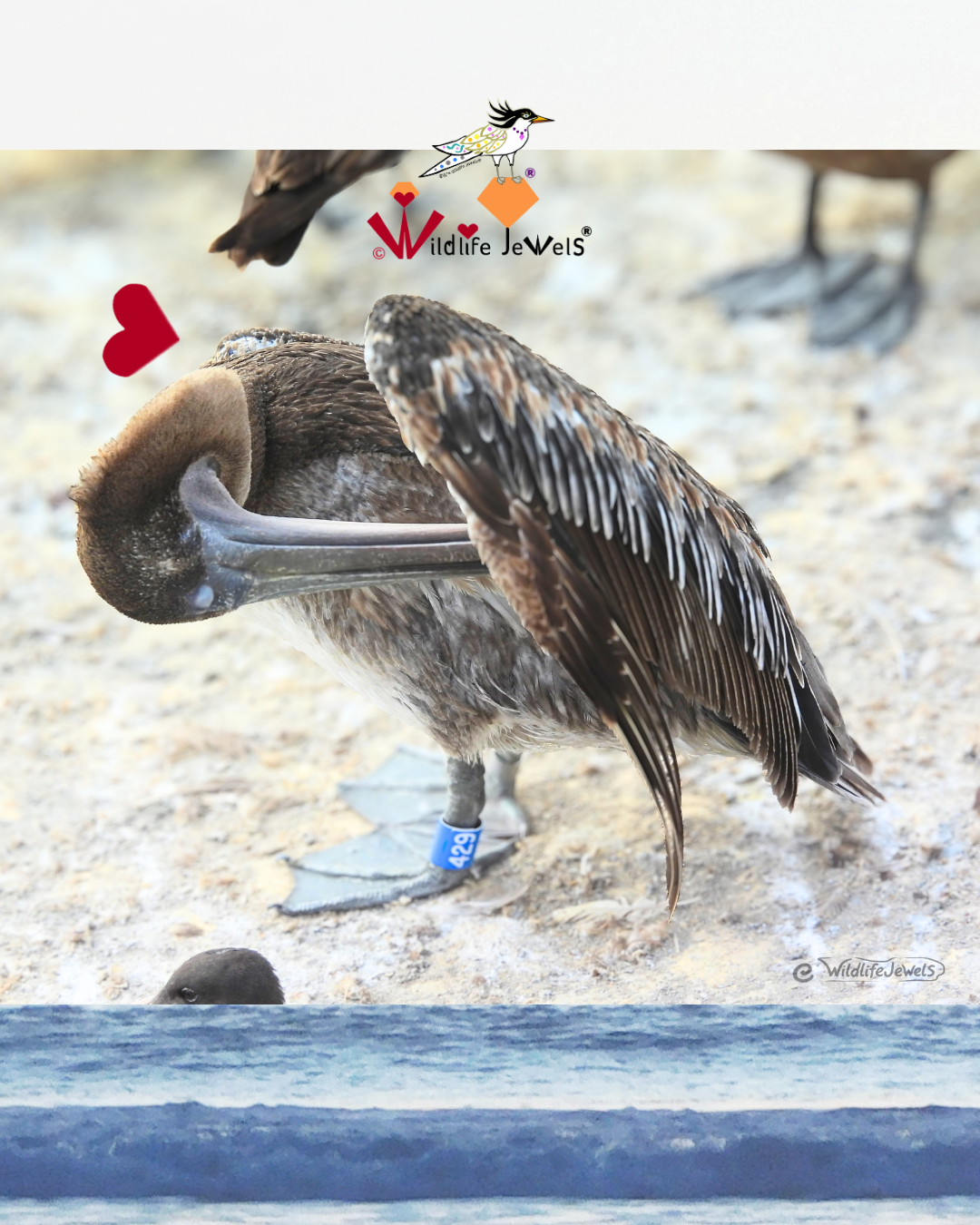
Some of the magical Bird Jewels we had the delight of observing included Brandt’s cormorants with their striking turquoise eyes, the adult California brown pelican with sky-blue eyes and a vibrant red throat pouch, and the majestic Black Oystercatcher with its bold orange bill and eye-ring. We also enjoyed the intelligent, charismatic Western gull, the precious Heermann’s gulls, and the elegance of Royal and Elegant terns, crowned with their distinctive head crests.
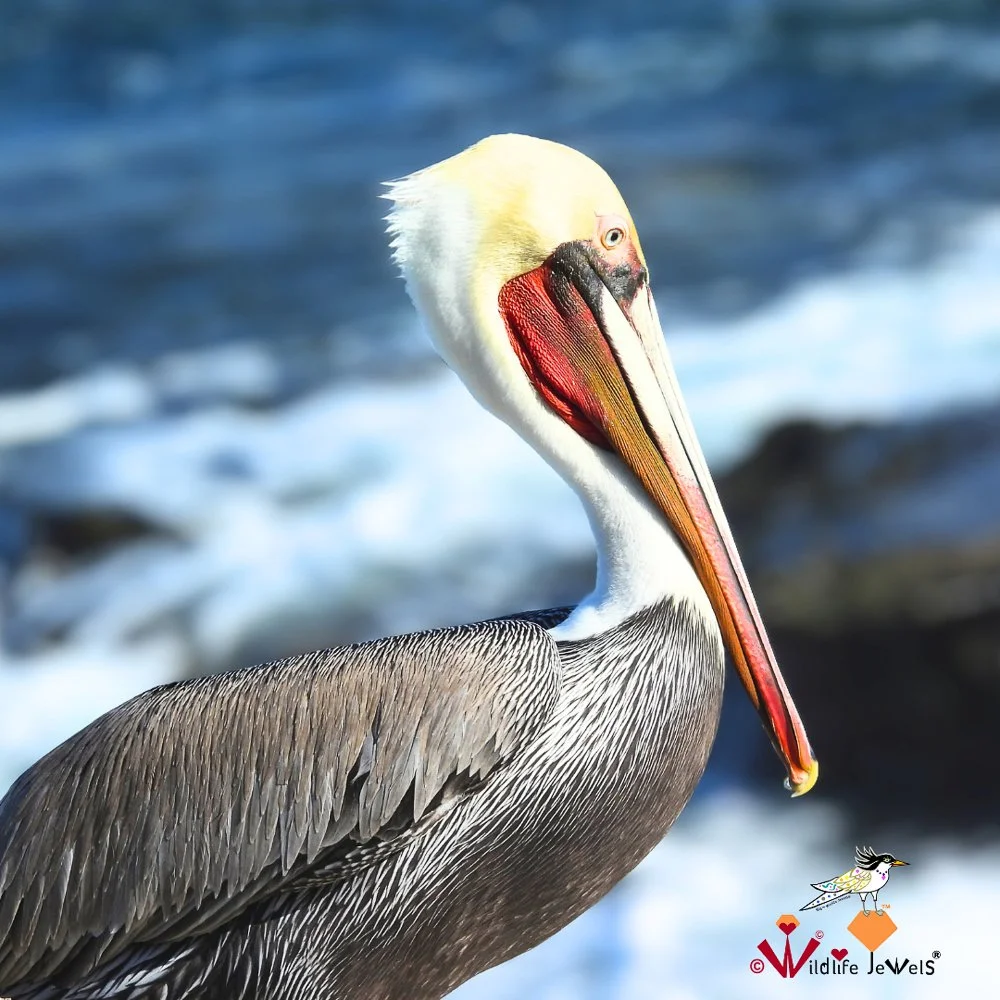
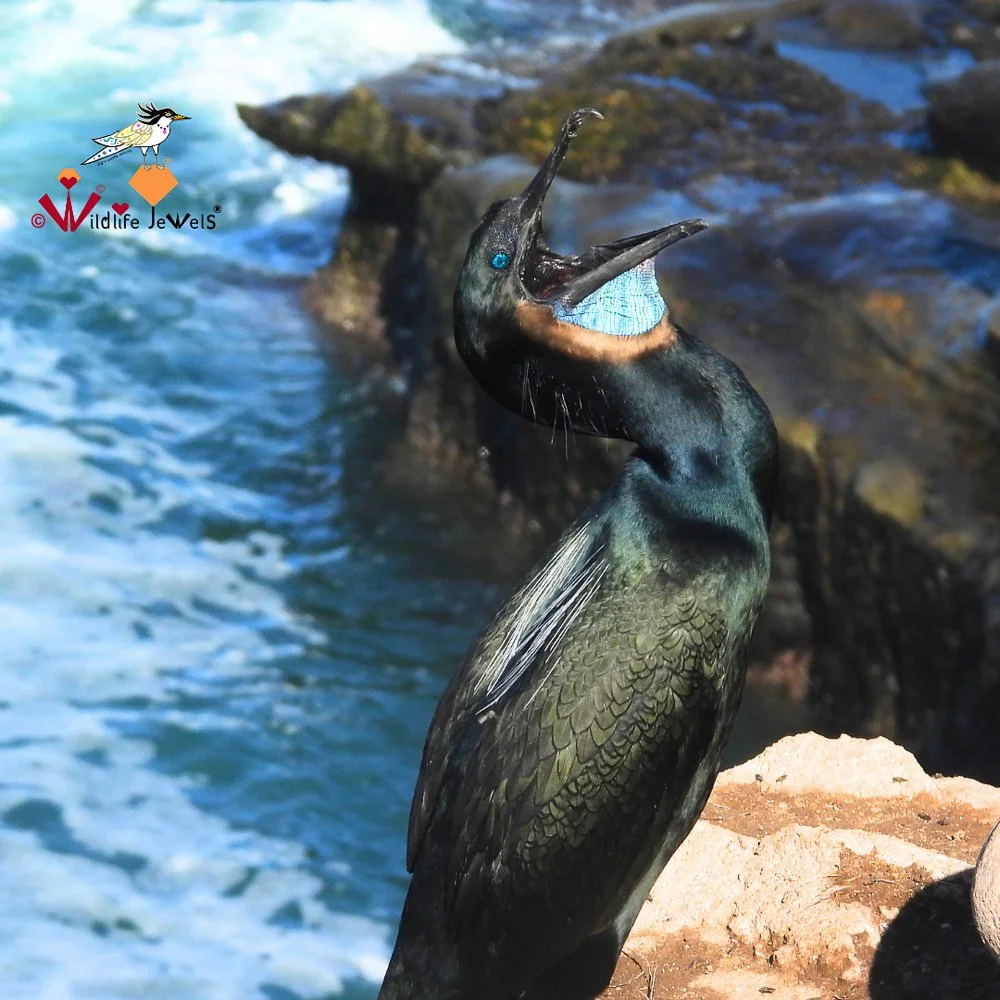
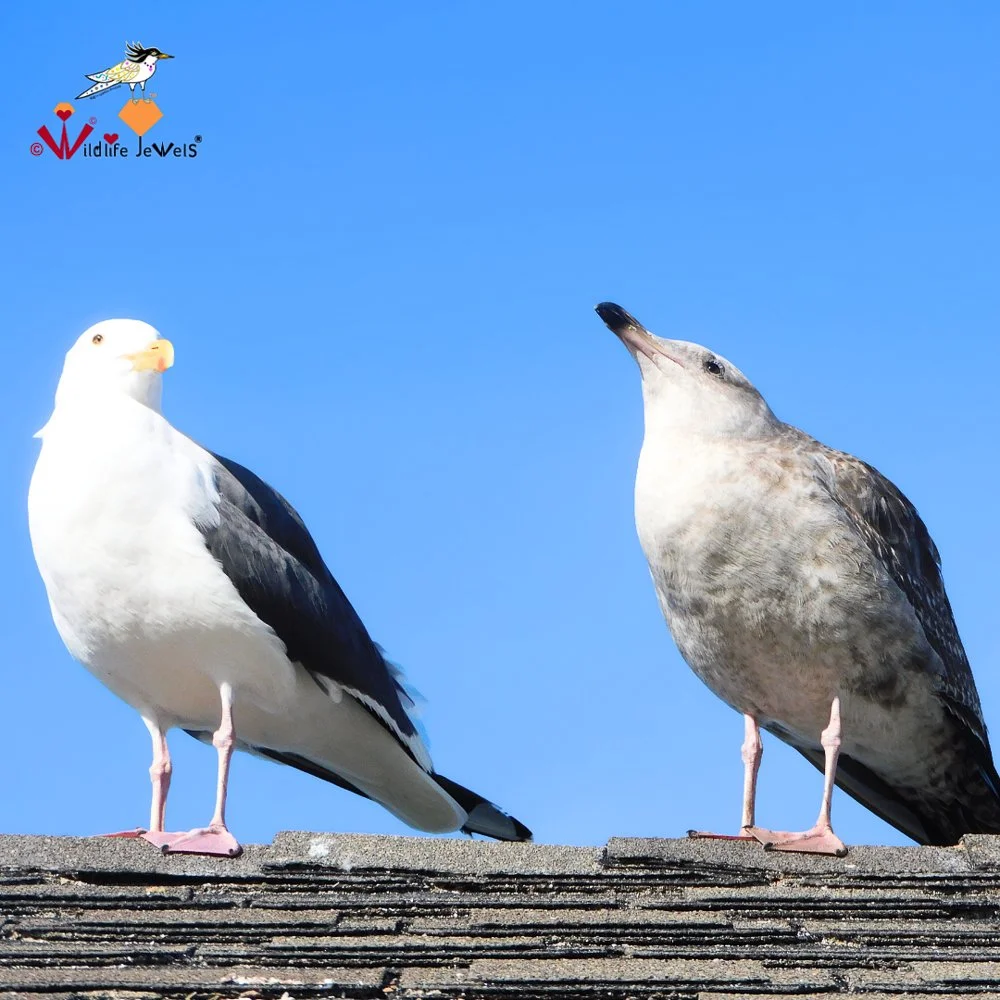
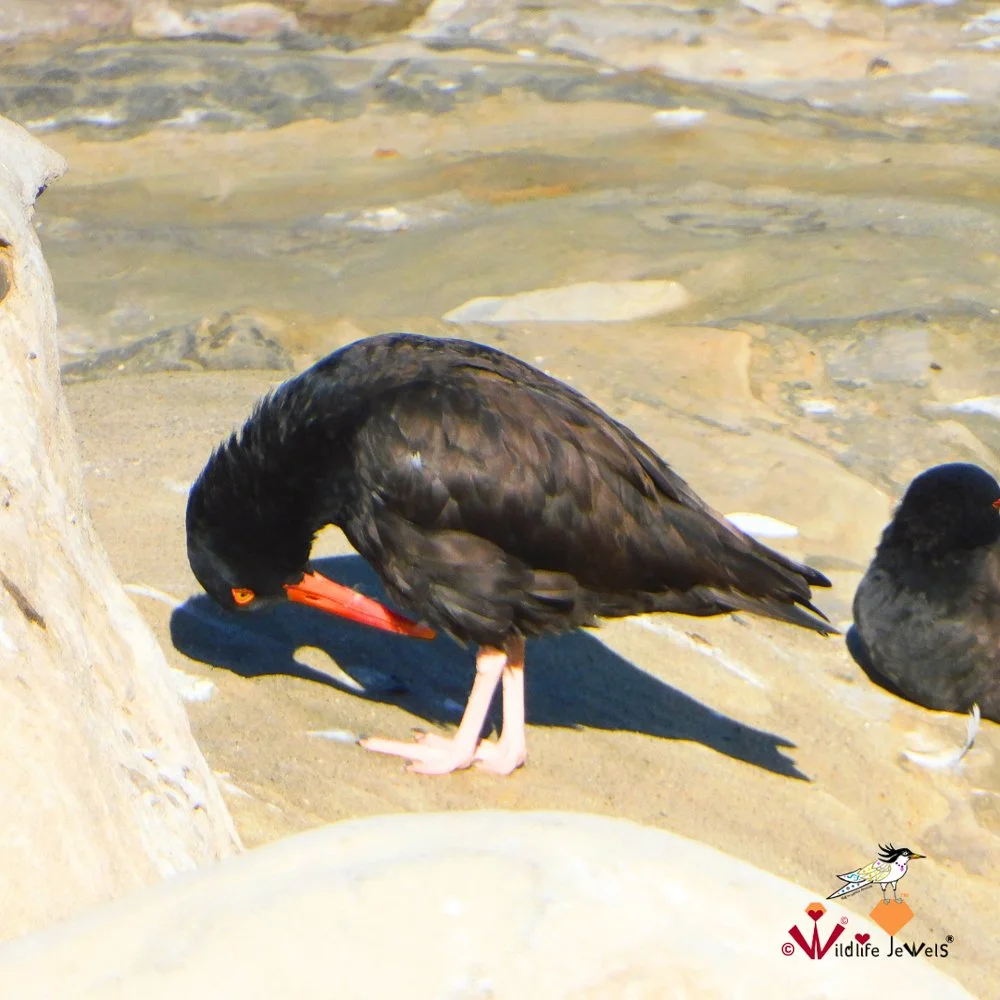
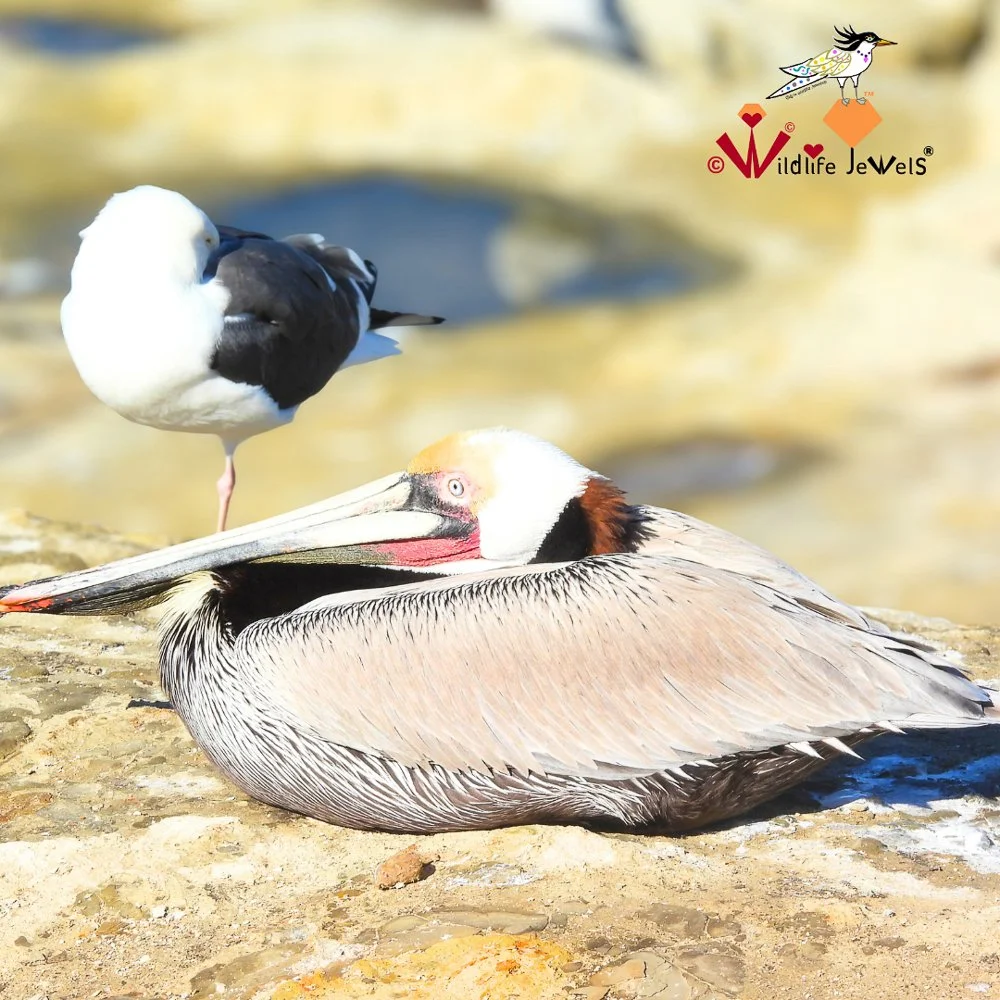
Photo credit: © Wildlife Jewels® / Azi Sharif
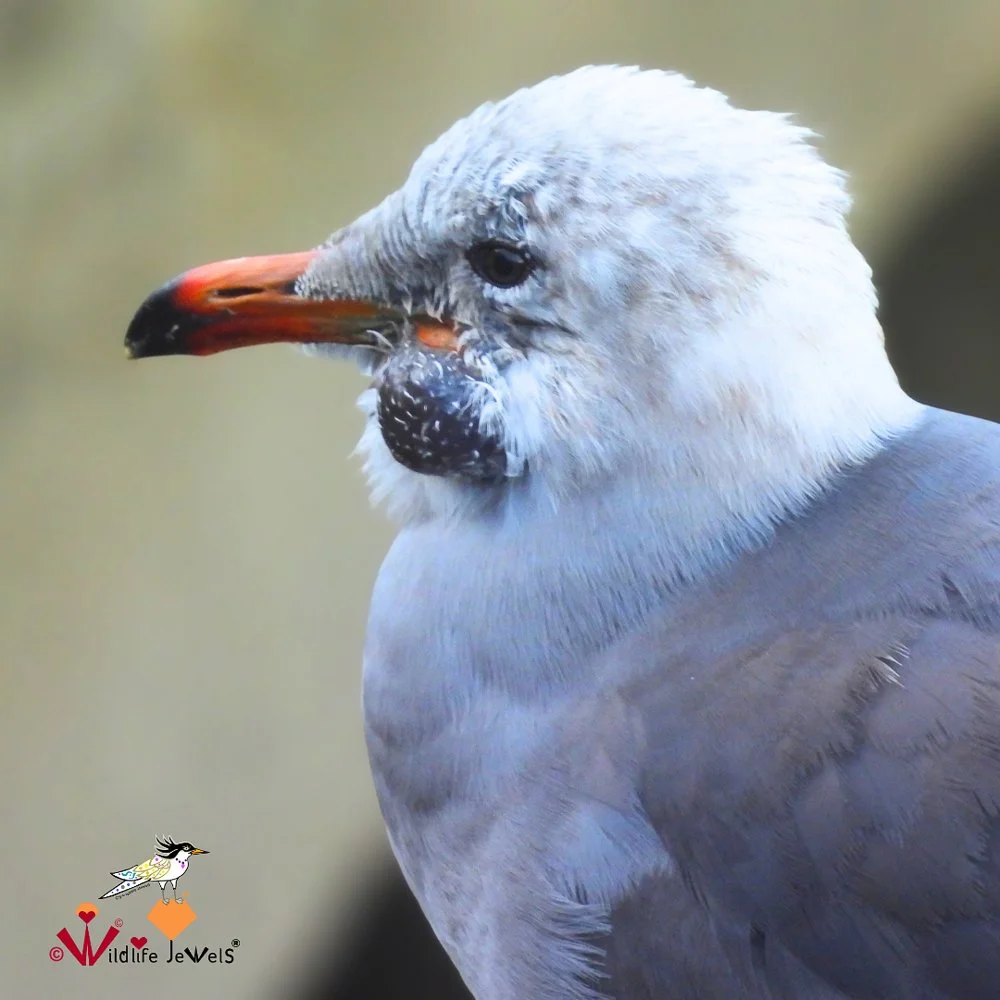
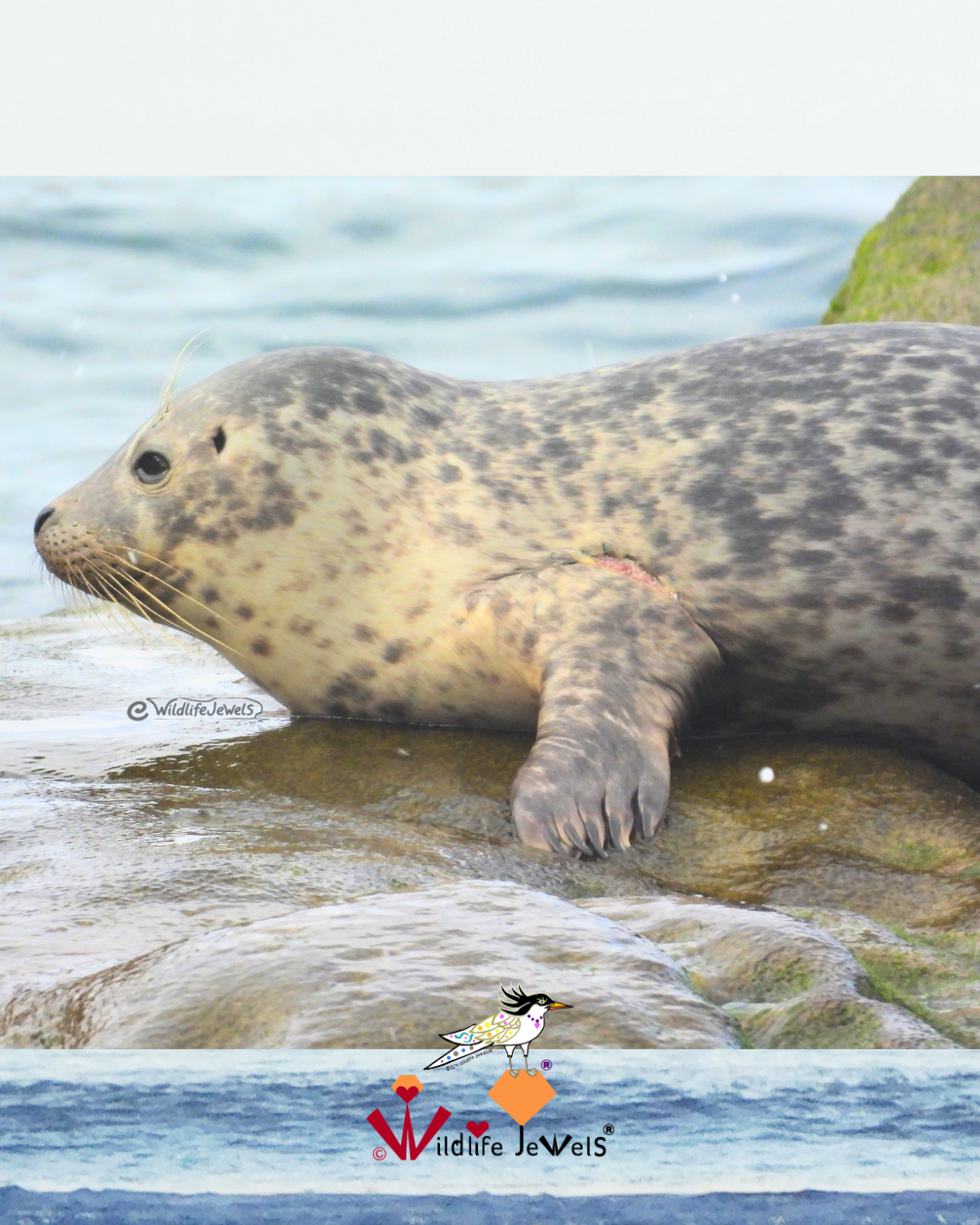
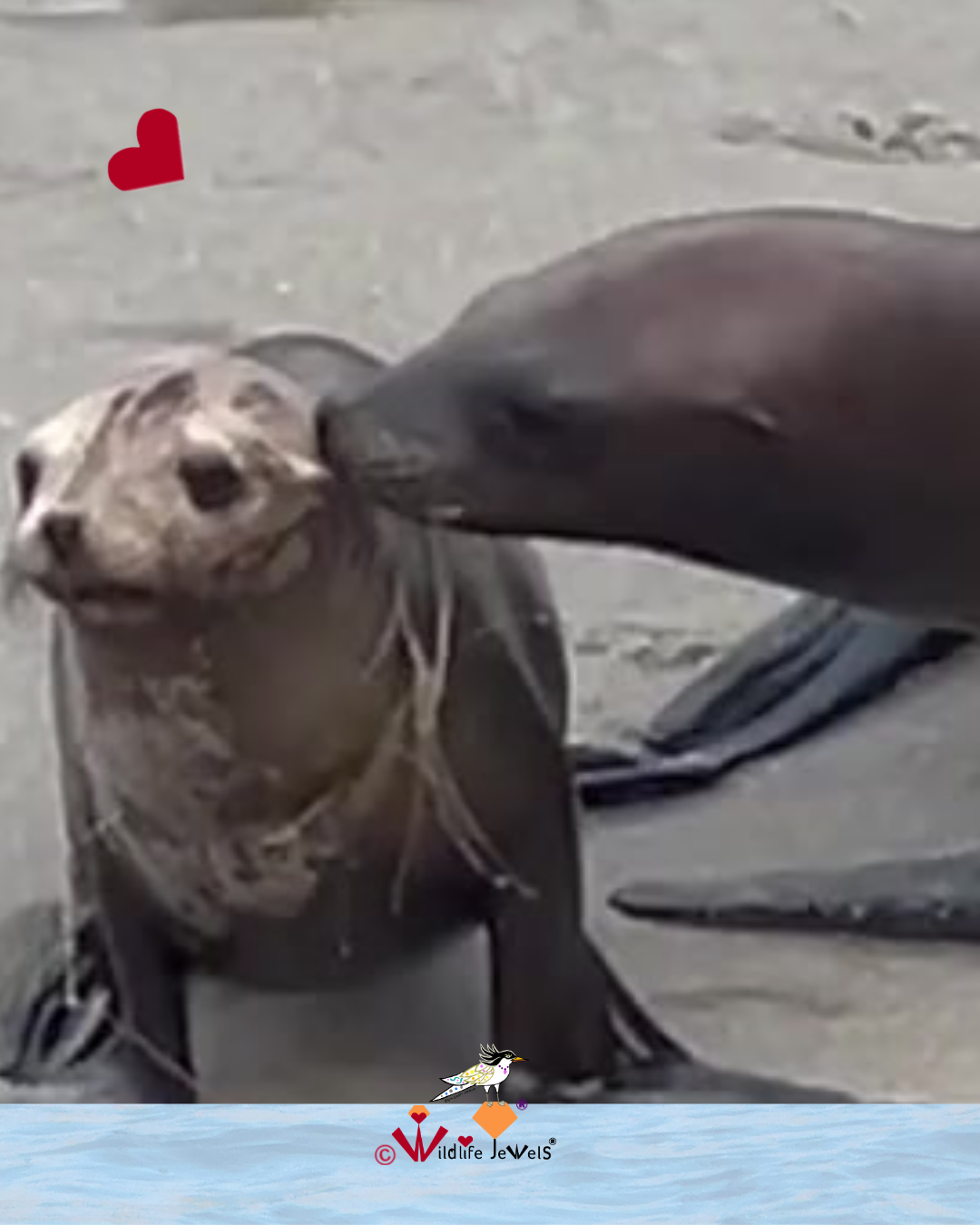
We identified an injured Heermann’s gull, documented what we observed, and reported—reminding us that careful monitoring and timely reporting can help save lives. Every wildlife life is precious. 💙 We will share more about her and the other injured wildlife including 2 entangled sea lions that we spotted during our walk through the Wildlife Jewels Rescue Blog soon.
Wildlife Jewels EYES: Blog Updates
Wildlife Jewels Rescue Blog Updates
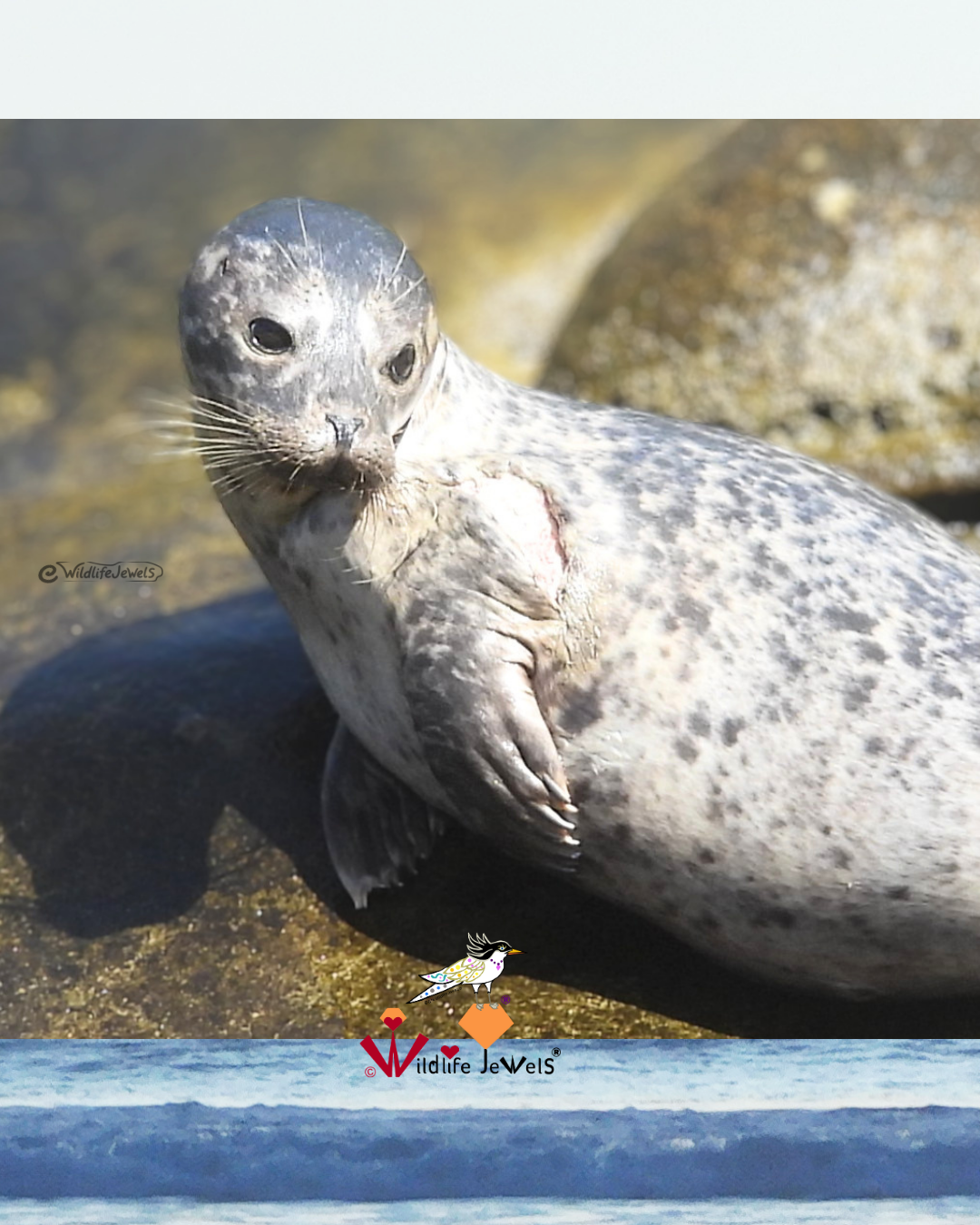
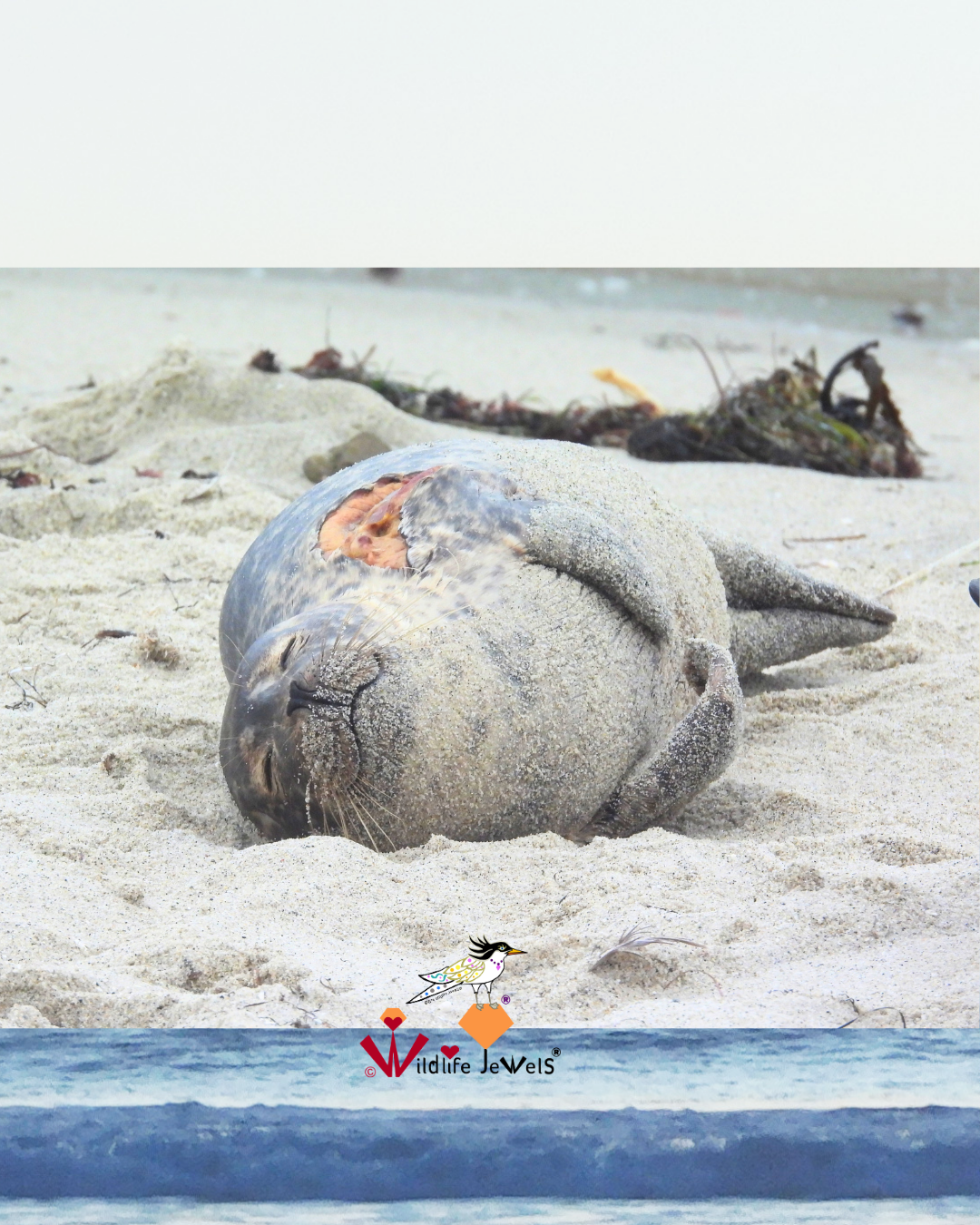
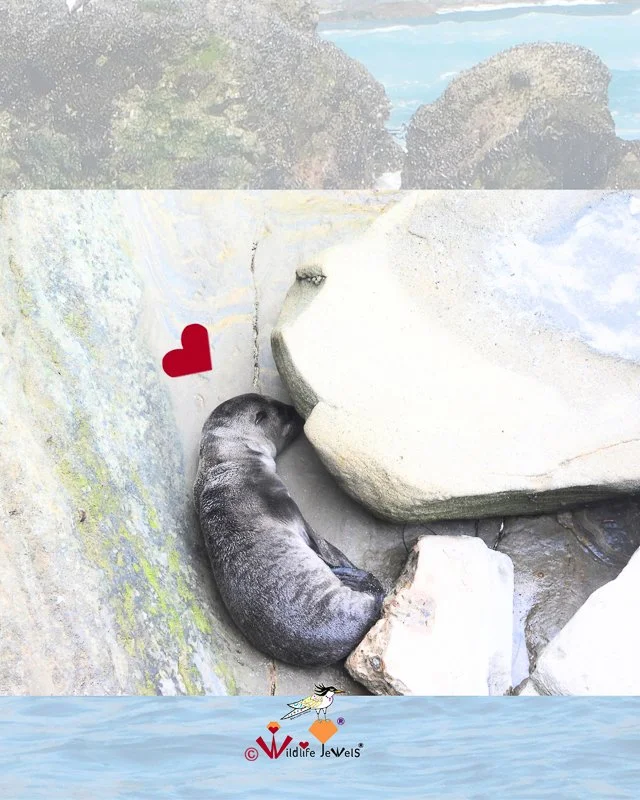
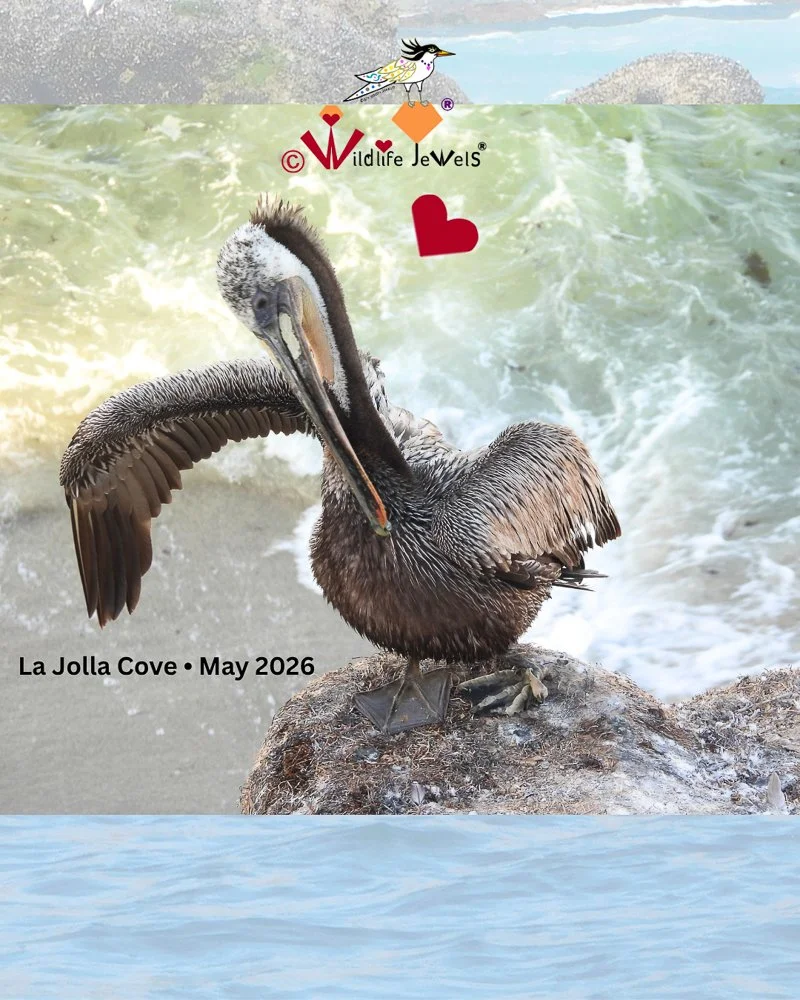




A Tiny Endangered California Least Tern: How Bird Banding Helps Conservation
Meet a young endangered California Least Tern photographed in Carlsbad and learn how bird banding helps researchers track survival, movement, and conservation.
📸 Wildlife Jewels Rescue Crew Search Scout Jennifer Vanderwoerd | Carlsbad, California
A tiny endangered seabird—and an important reminder of why protecting our coast matters.
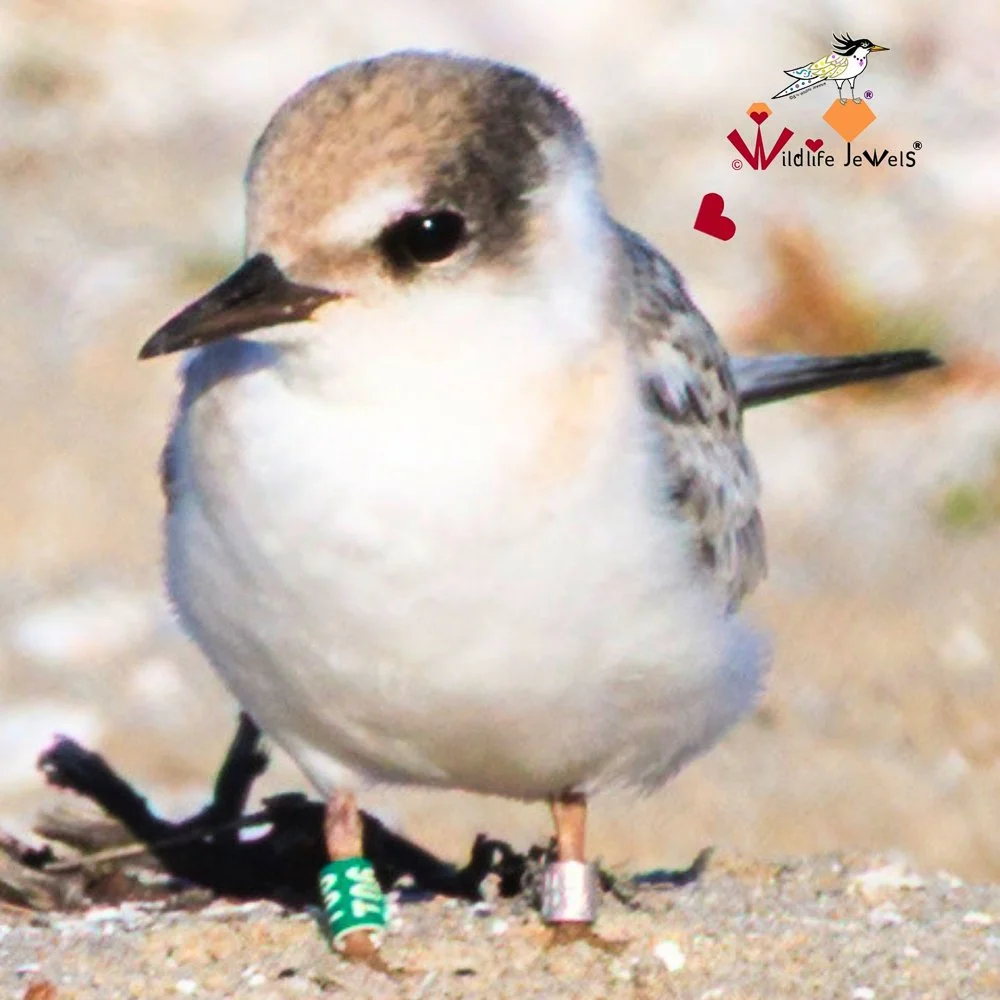
This young California Least Tern, photographed in Carlsbad, is part of a species fighting for survival along California’s coast.
The California Least Tern is federally and state listed as endangered—a designation that reflects how vulnerable this species remains and how important continued protection is to its survival and recovery.
Least Terns nest on open sand and other sparsely vegetated coastal areas, making their eggs and chicks especially vulnerable to habitat loss, human disturbance, dogs, and activity near nesting colonies.
Look closely at this little bird’s legs: she is wearing a green research band and a federal metal band. Bird banding helps biologists learn about individual birds—their survival, movements, breeding history, and connections between nesting colonies—providing valuable information for conservation.
California Least Terns can live for many years, with some banded individuals documented surviving for more than two decades. That means a tiny band placed on a chick today can potentially help researchers follow her story for years to come.
For an endangered species, every single successfully raised chick matters. Protecting nesting habitat, respecting posted closures and fencing, keeping dogs away from colonies, and giving birds plenty of space can make a meaningful difference.
This precious chick was photographed from a distance through protective fencing, allowing her to remain undisturbed.
Every nest matters. Every chick matters. Every protected stretch of habitat matters.💚
Learn about Wildlife Jewels EYES and ways you can get involved!
Learn about Wildlife Jewels Rescue Crew and ways you can help!
Meet Opal the Western Gull
Meet Opal, the Western Gull chick, when she was just about a week old. 🤍
We’ve spent countless hours in the field observing and helping protect Opal and her family since she was still an egg. This photograph was taken in June 2026. 💜
Watching Opal grow from a tiny chick into the beautiful fledgling she is today has been incredibly special—and a reminder of why every effort to protect vulnerable wildlife matters.
Opal is now one of the precious wild lives featured in our Jewels of La Jolla educational art collection, celebrating the remarkable wildlife that makes this coastline so magical. ✨
Image: Opal, Western Gull chick, June 2026, La Jolla, CA. © Wildlife Jewels® | Photo by Azi Sharif
Opal the Gull pecking at discarded plastic left near her nesting area © Wildlife Jewels® / Azi Sharif | August 2, 2026
Wildlife Jewels’ World Ocean Day Wildlife Walk, La Jolla
Observed during our EYES™ Field Day with SDSU MEBSA students: a Western Gull with a concerning beak injury—highlighting the importance of careful observation and reporting.
👀 Join EYES™ (Engage Your Eyes for Sea Life)
Become part of our coastal wildlife monitoring community—learn what to look for, how to observe responsibly, and how to report concerns to help keep birds and other coastal wildlife safe.
Learn more at about ways you can protect coastal wildlife at the Wildlife Jewels Resources Page
🛟 Join the Wildlife Jewel Rescue Crew (observation & reporting only)
Help support local wildlife rescue response by assisting with reporting, coordination, and (for trained, permitted volunteers only, transport support when a bird needs help.)
✨ Together, we can turn wildlife observation into action and help protect the magical Jewels that make our coastline so special.
EYES Community BIRD WALK, National Bird Day JANUARY 2026
Some of the magical Bird Jewels we had the delight of observing included Brandt’s cormorants with their striking turquoise eyes, the adult California brown pelican with sky-blue eyes and a vibrant red throat pouch, and the majestic Black Oystercatcher with its bold orange bill and eye-ring. We also enjoyed the intelligent, charismatic Western gull, the precious Heermann’s gulls, and the elegance of Royal and Elegant terns, crowned with their distinctive head crests.
Photo credit: © Wildlife Jewels® / Azi Sharif
We identified an injured Heermann’s gull, documented what we observed, and reported—reminding us that careful monitoring and timely reporting can help save lives. Every wildlife life is precious. 💙 We will share more about her and the other injured wildlife including 2 entangled sea lions that we spotted during our walk through the Wildlife Jewels Rescue Blog soon.
Wildlife Jewels EYES: Blog Updates
Wildlife Jewels Rescue Blog Updates
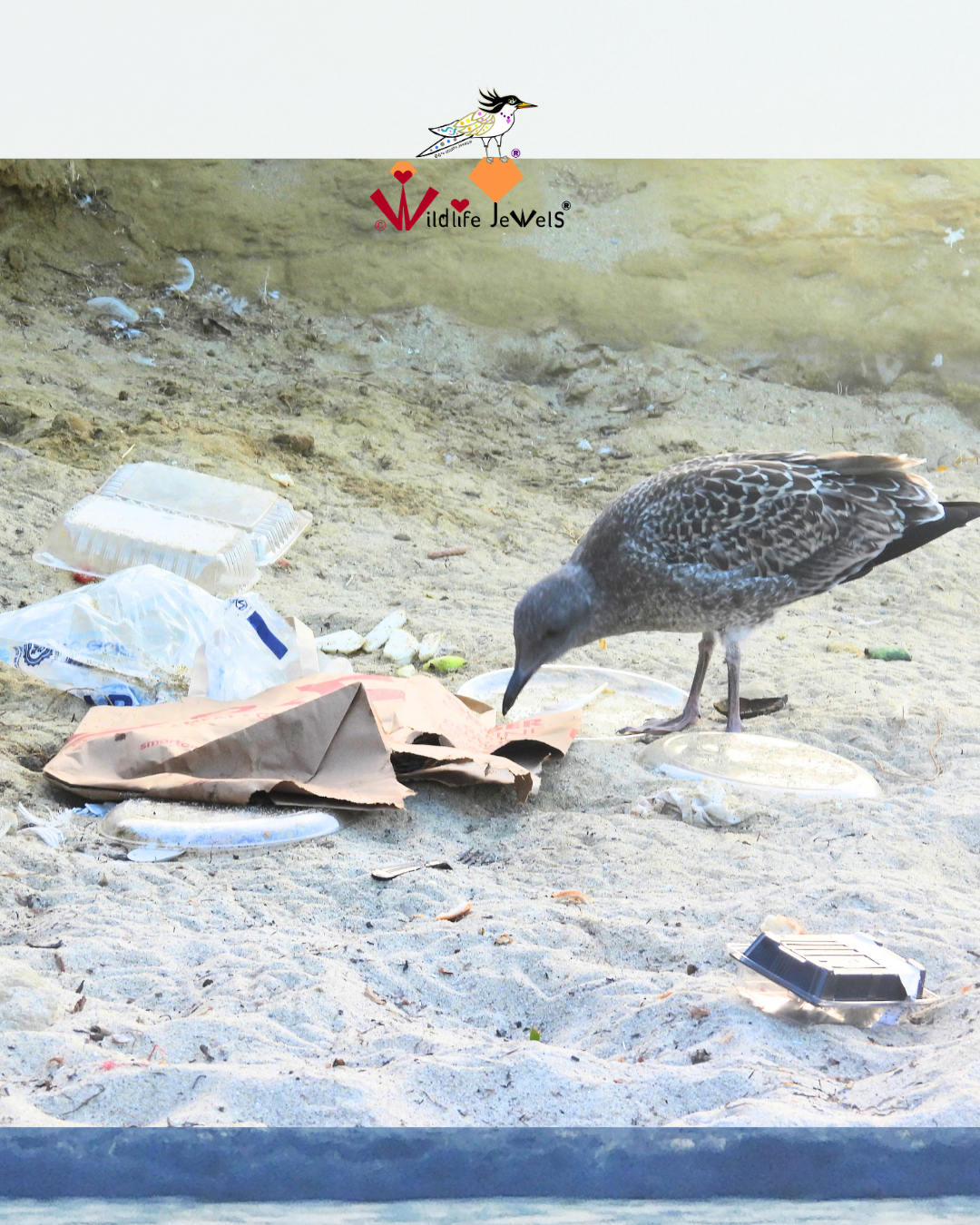
Plastic Pollution Threatens Western Gull Fledglings in La Jolla
Wildlife Jewels documents increasing litter along the La Jolla shoreline, where young Western Gull fledglings are encountering and ingesting discarded plastic.
Opal the Gull pecking at discarded plastic left near her nesting area © Wildlife Jewels® / Azi Sharif | August 2, 2026
Our wildlife deserves better.
This is Opal, one of the precious Western Gull fledglings we have had the privilege of observing and documenting since she was still an egg. Seeing her now ingesting discarded plastic is heartbreaking—and completely preventable.
During a recent Wildlife Jewels EYES Search Scout survey along the La Jolla shoreline, we documented an alarming amount of trash throughout an active Western Gull nesting area.
Over the past month, our team has seen a steady increase in litter, especially during evening surveys after busy visitor periods. We regularly remove trash when it is accessible, but last Sunday was among the worst conditions we have documented.
Young fledglings—barely two months old—were pecking at plastic food packaging, bread bags, plastic forks, and other discarded waste. Our team collected the accessible trash that day, but wildlife should never be exposed to this level of danger.
Littering is illegal, and leaving waste in an active nesting area puts wildlife at serious risk.
Clear, highly visible signage placed on the beach along with consistent enforcement are urgently needed to remind visitors to properly dispose of all waste and help protect the birds that depend on this habitat.
Meet Opal the Western Gull
Meet Opal, the Western Gull chick, when she was just about a week old. 🤍
We’ve spent countless hours in the field observing and helping protect Opal and her family since she was still an egg. This photograph was taken in June 2026. 💜
Watching Opal grow from a tiny chick into the beautiful fledgling she is today has been incredibly special—and a reminder of why every effort to protect vulnerable wildlife matters.
Opal is now one of the precious wild lives featured in our Jewels of La Jolla educational art collection, celebrating the remarkable wildlife that makes this coastline so magical. ✨
Image: Opal, Western Gull chick, June 2026, La Jolla, CA. © Wildlife Jewels® | Photo by Azi Sharif
Learn about Wildlife Jewels EYES and ways you can get involved!
Learn about Wildlife Jewels Rescue Crew and ways you can help!
Opal the Gull pecking at discarded plastic left near her nesting area © Wildlife Jewels® / Azi Sharif | August 2, 2026
Wildlife Jewels’ World Ocean Day Wildlife Walk, La Jolla
Observed during our EYES™ Field Day with SDSU MEBSA students: a Western Gull with a concerning beak injury—highlighting the importance of careful observation and reporting.
👀 Join EYES™ (Engage Your Eyes for Sea Life)
Become part of our coastal wildlife monitoring community—learn what to look for, how to observe responsibly, and how to report concerns to help keep birds and other coastal wildlife safe.
Learn more at about ways you can protect coastal wildlife at the Wildlife Jewels Resources Page
🛟 Join the Wildlife Jewel Rescue Crew (observation & reporting only)
Help support local wildlife rescue response by assisting with reporting, coordination, and (for trained, permitted volunteers only, transport support when a bird needs help.)
✨ Together, we can turn wildlife observation into action and help protect the magical Jewels that make our coastline so special.
EYES Community BIRD WALK, National Bird Day JANUARY 2026
Some of the magical Bird Jewels we had the delight of observing included Brandt’s cormorants with their striking turquoise eyes, the adult California brown pelican with sky-blue eyes and a vibrant red throat pouch, and the majestic Black Oystercatcher with its bold orange bill and eye-ring. We also enjoyed the intelligent, charismatic Western gull, the precious Heermann’s gulls, and the elegance of Royal and Elegant terns, crowned with their distinctive head crests.
Photo credit: © Wildlife Jewels® / Azi Sharif
We identified an injured Heermann’s gull, documented what we observed, and reported—reminding us that careful monitoring and timely reporting can help save lives. Every wildlife life is precious. 💙 We will share more about her and the other injured wildlife including 2 entangled sea lions that we spotted during our walk through the Wildlife Jewels Rescue Blog soon.
Wildlife Jewels EYES La Jolla: Blog Updates
Wildlife Jewels Rescue Blog Updates
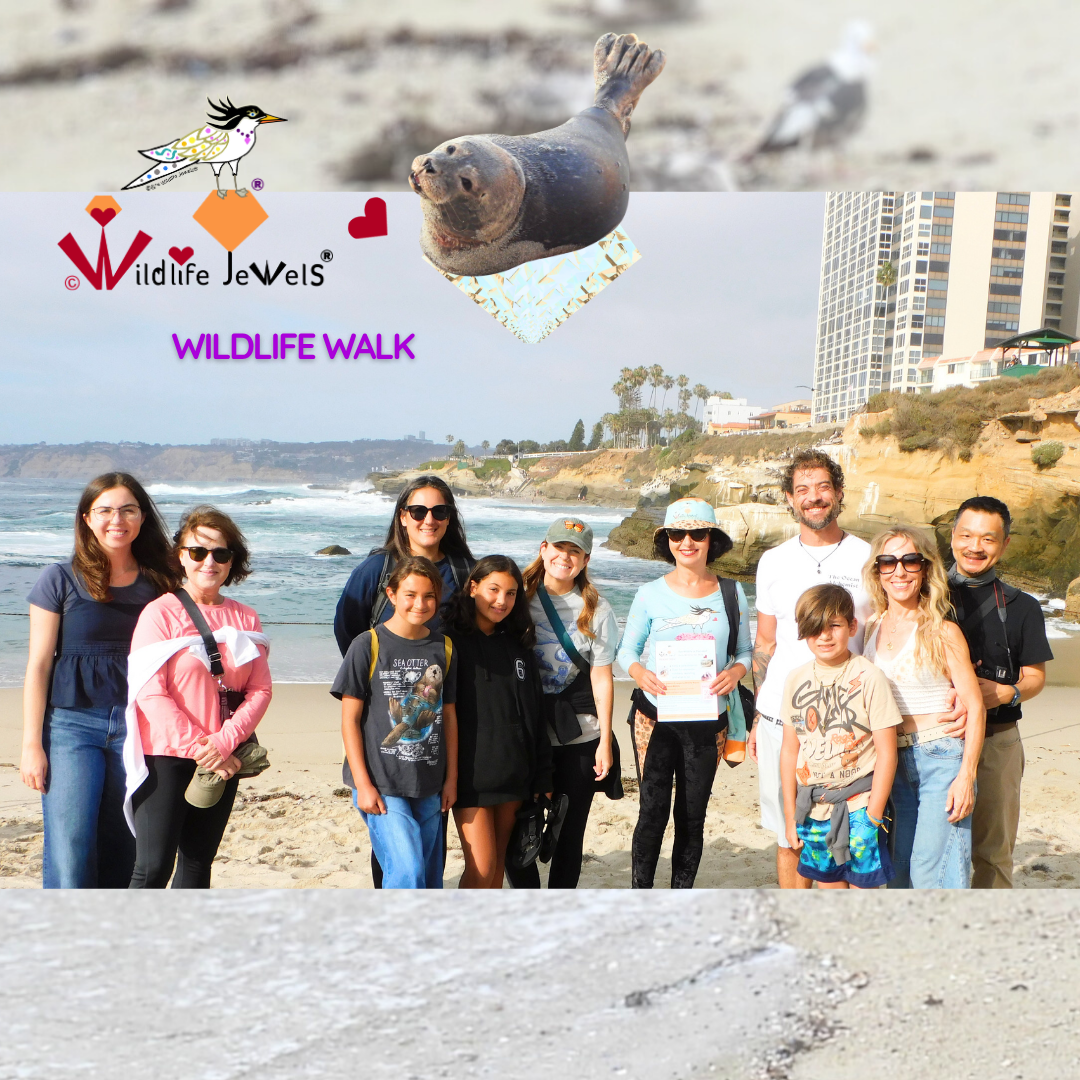
Celebrating World Ocean Day with Wildlife Jewels
Wildlife Jewels brought the community together for a special World Ocean Day Wildlife Walk, sharing real stories of La Jolla's seabirds, marine mammals, and the importance of protecting our coastal wildlife.
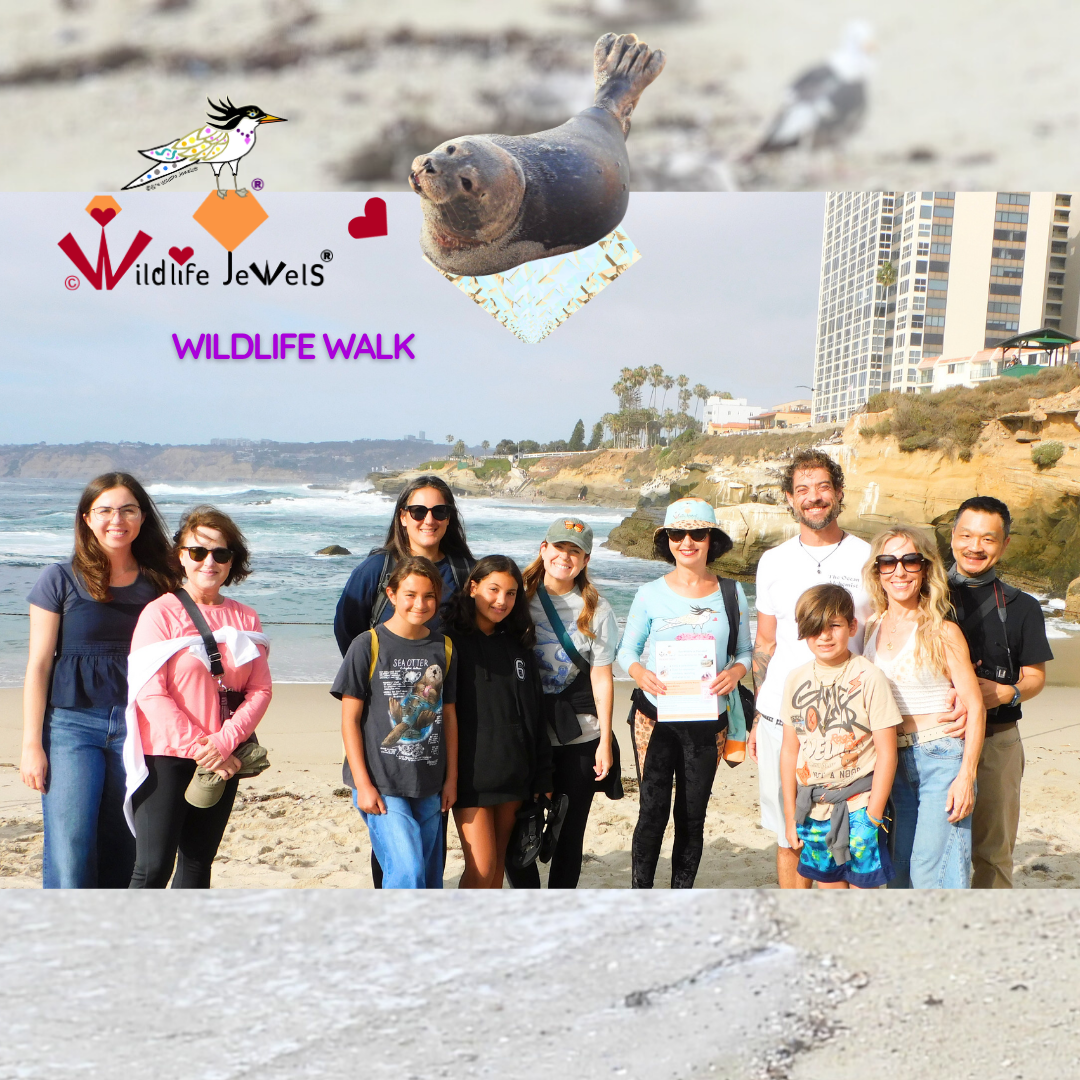
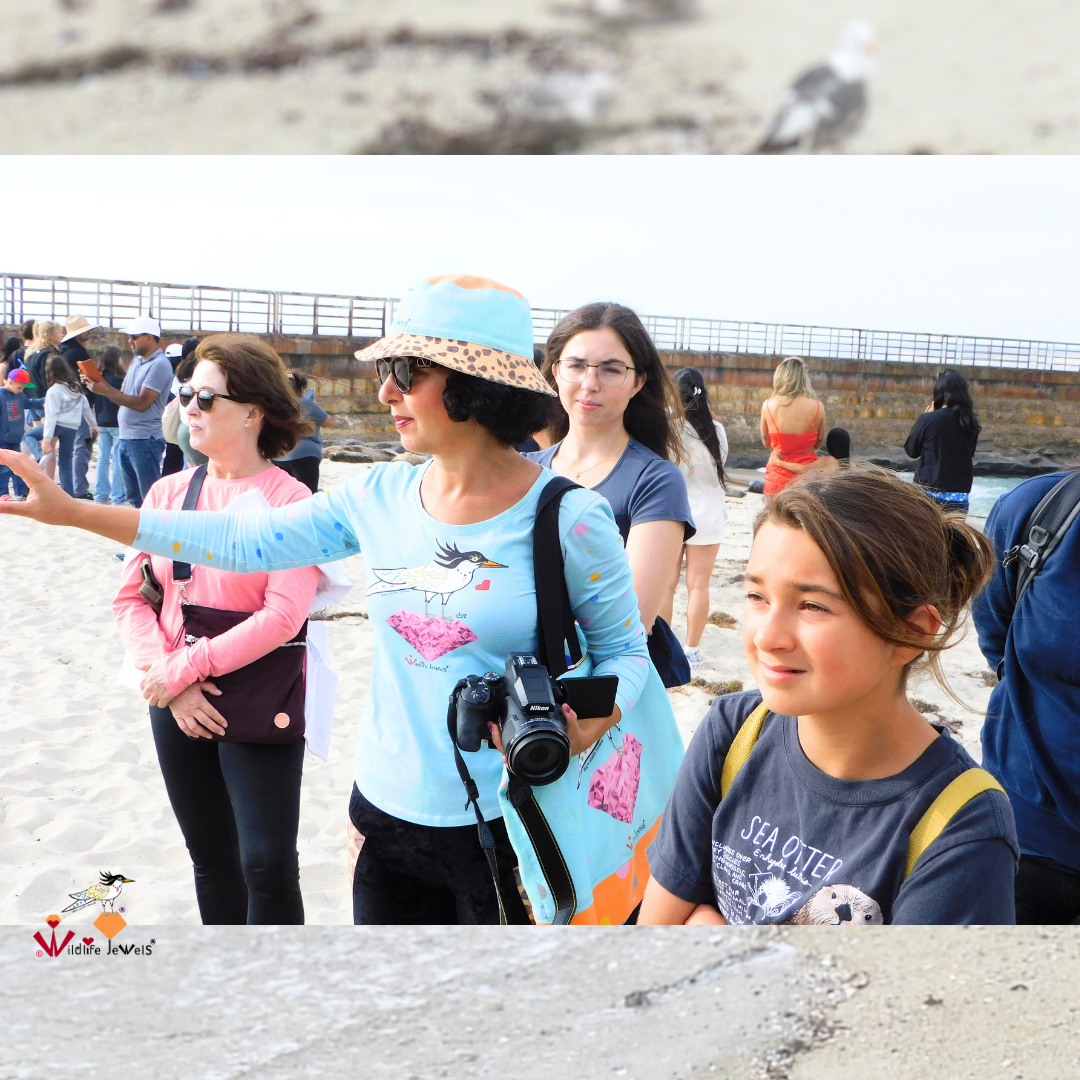
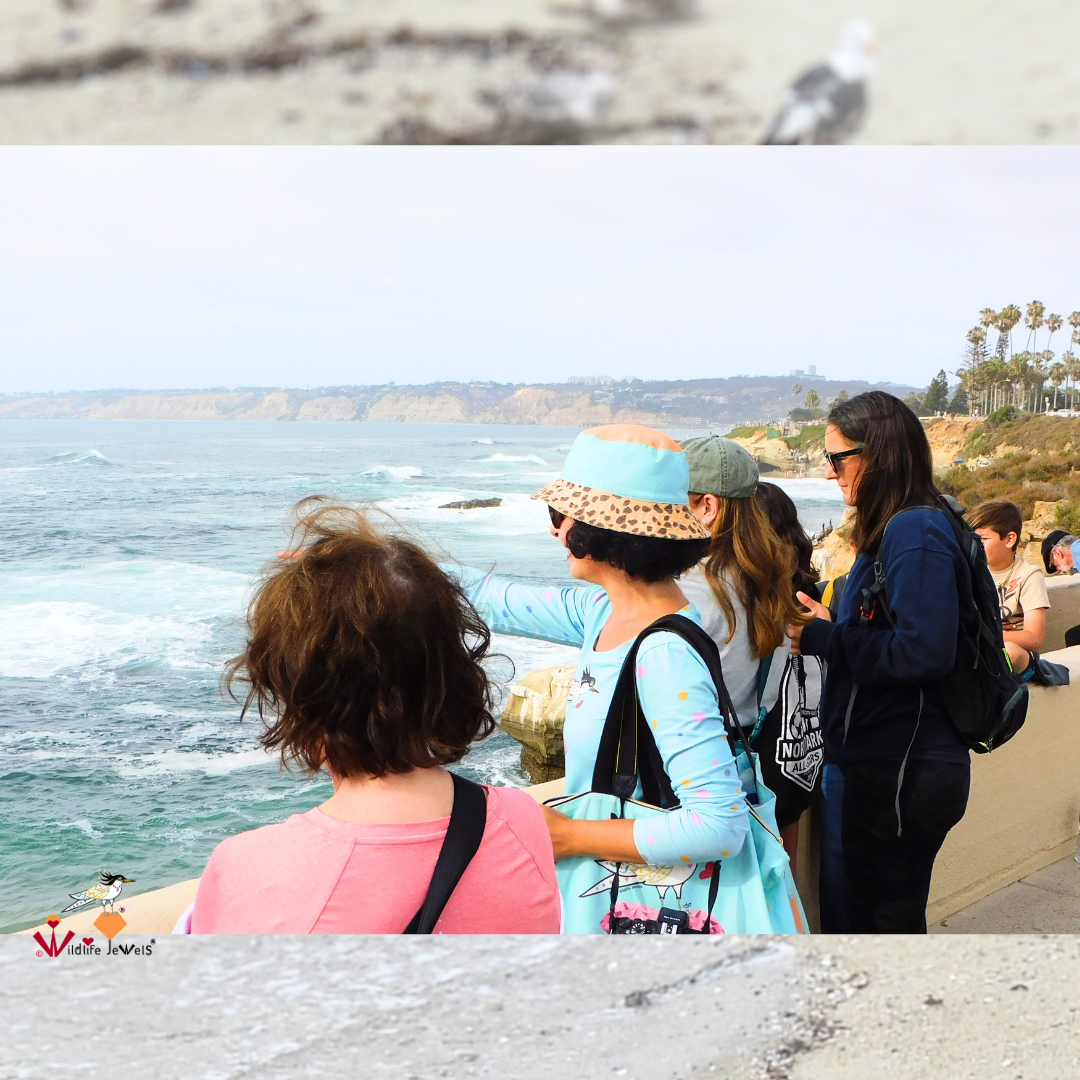
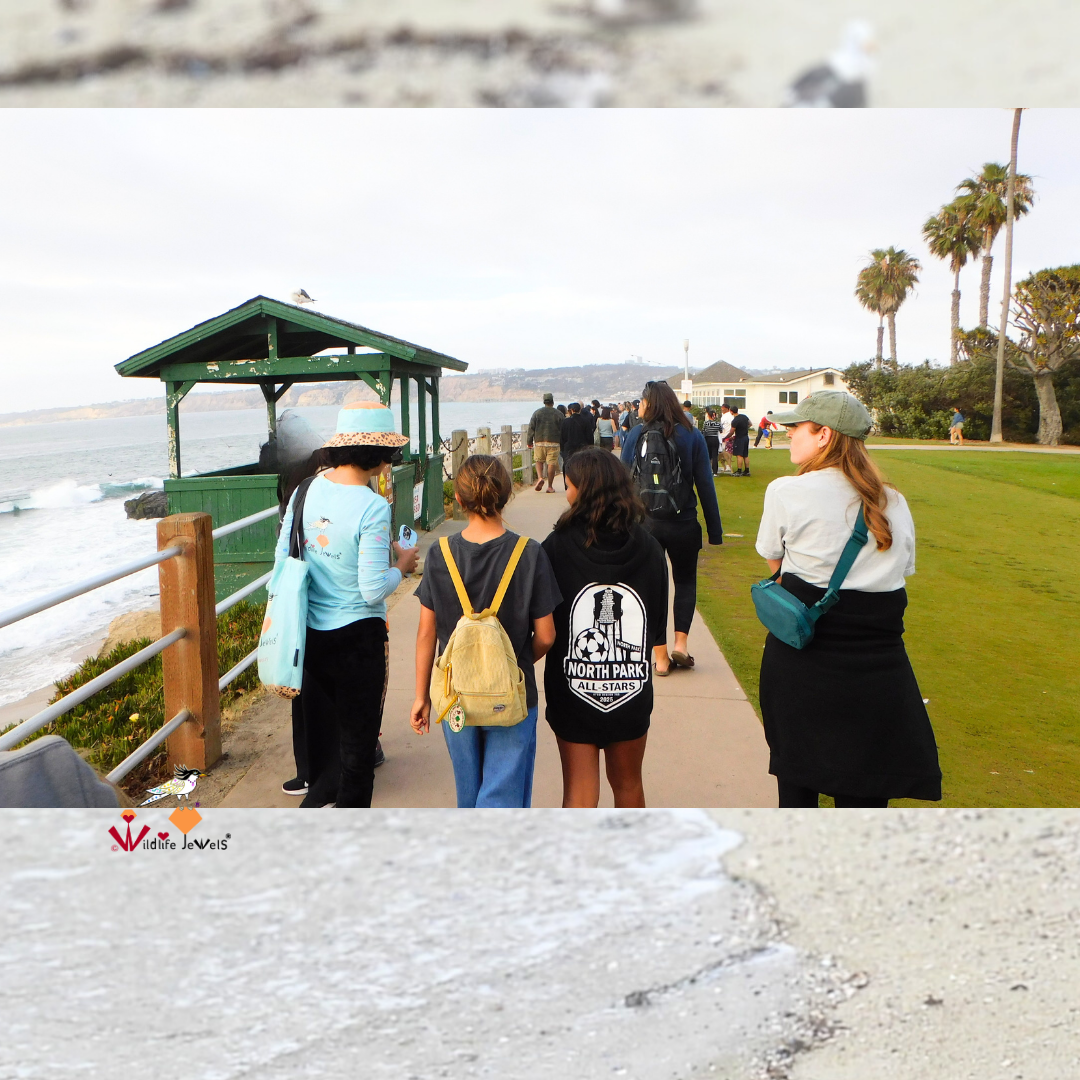
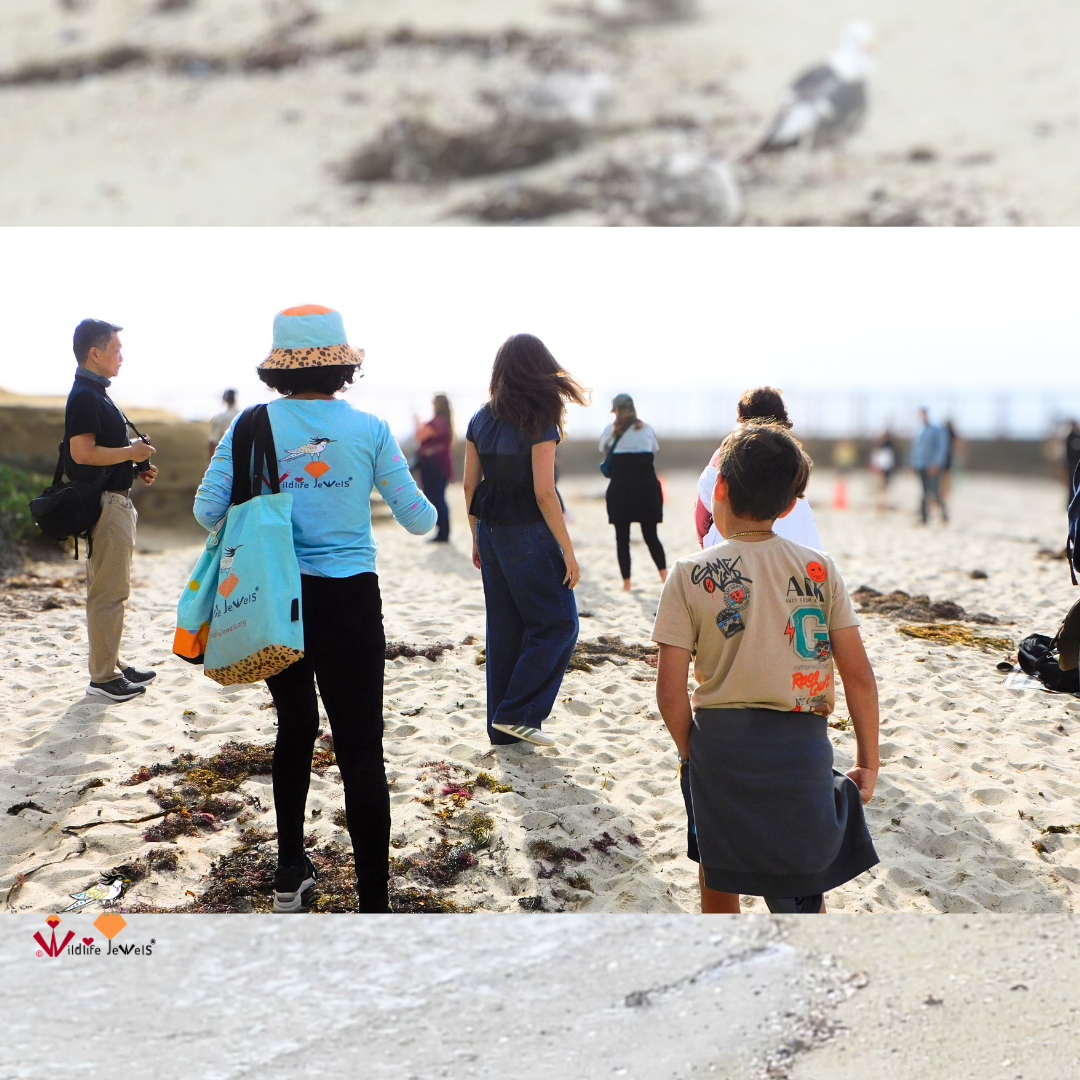
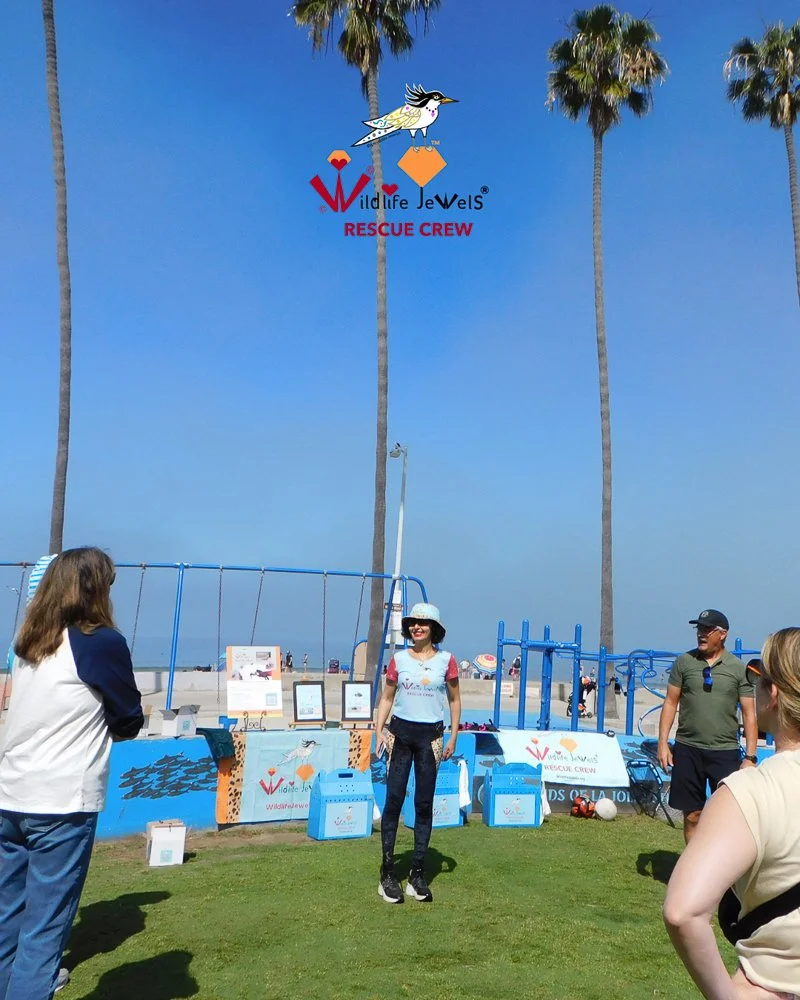
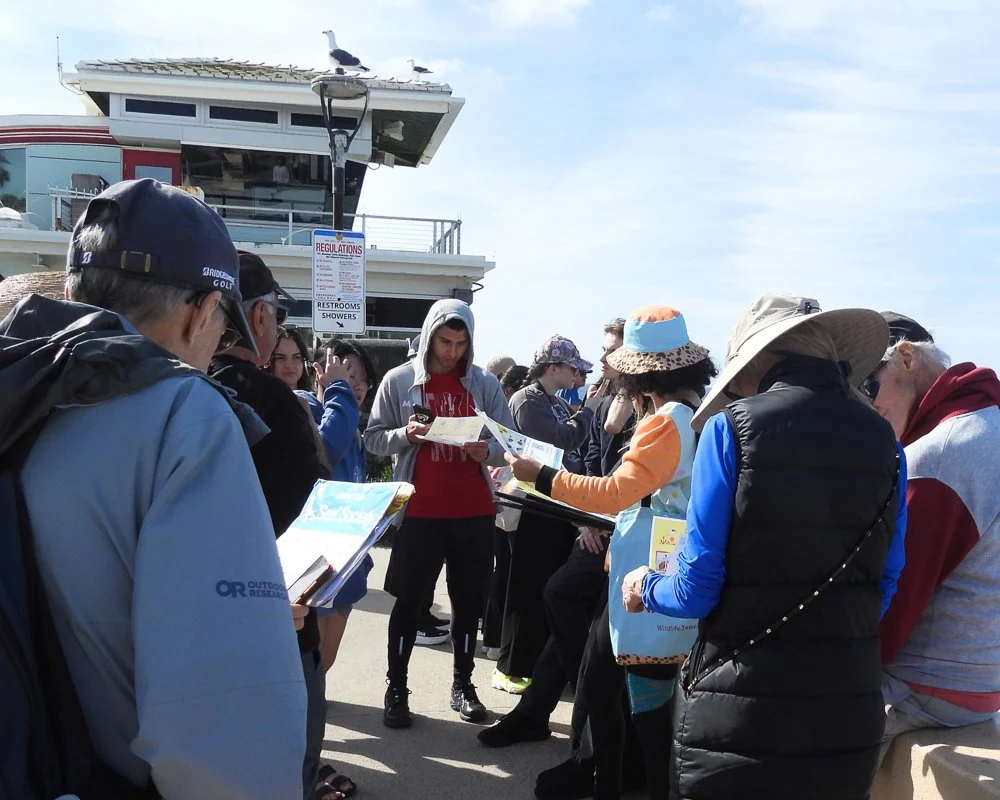
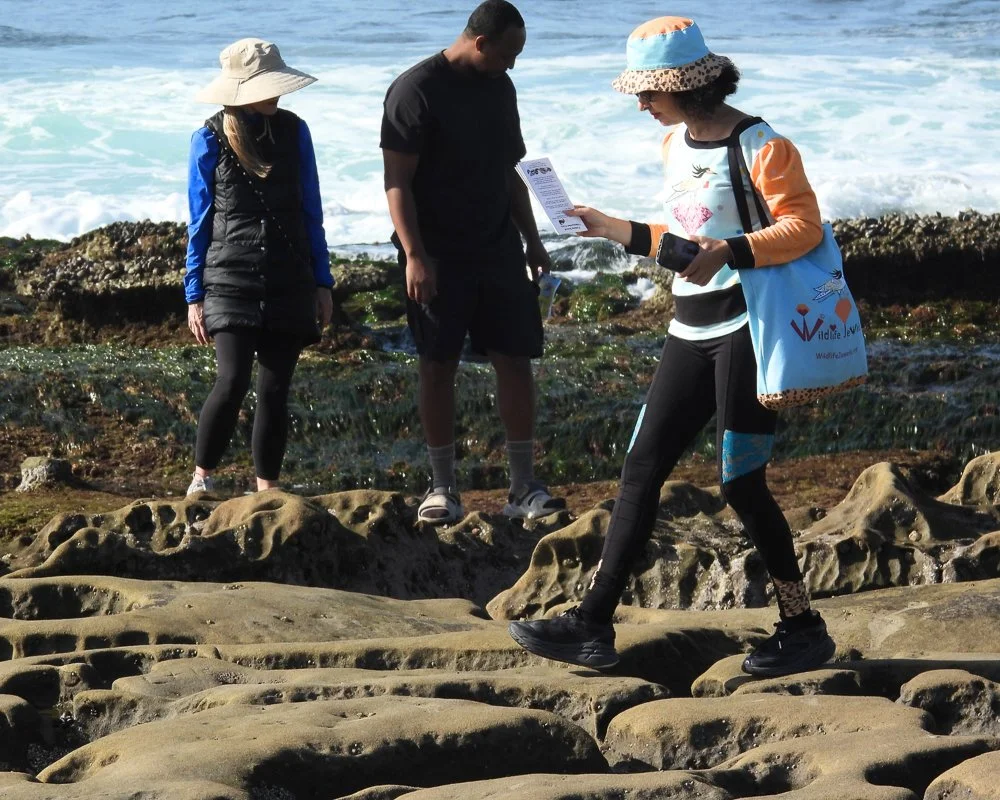
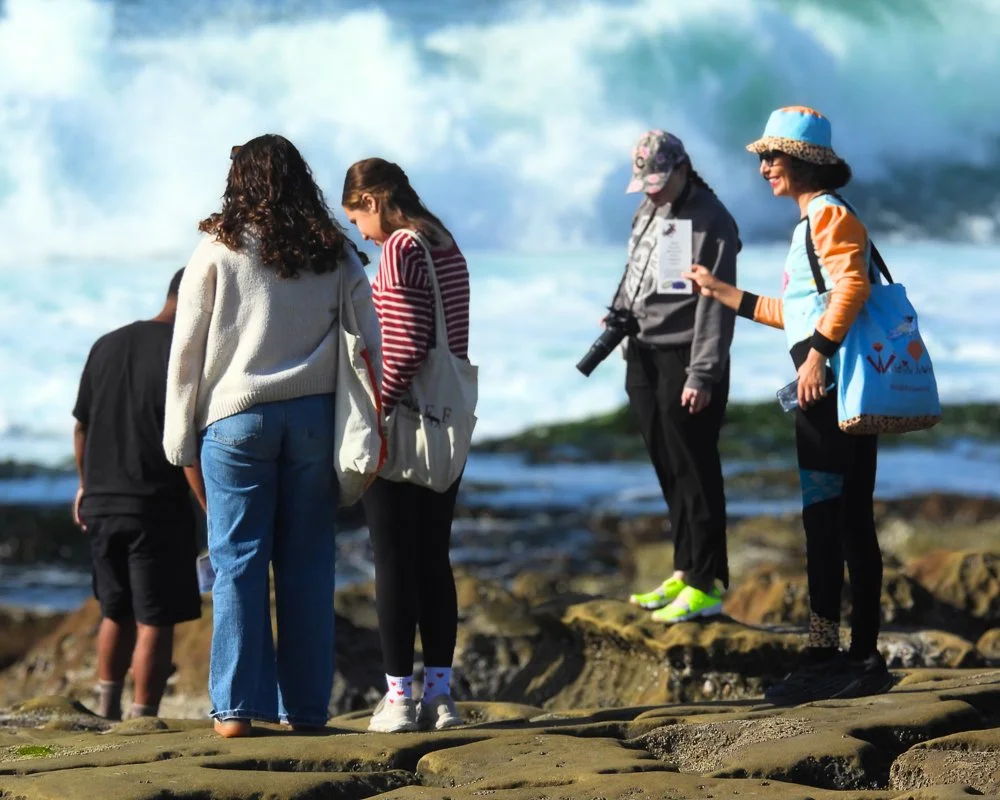
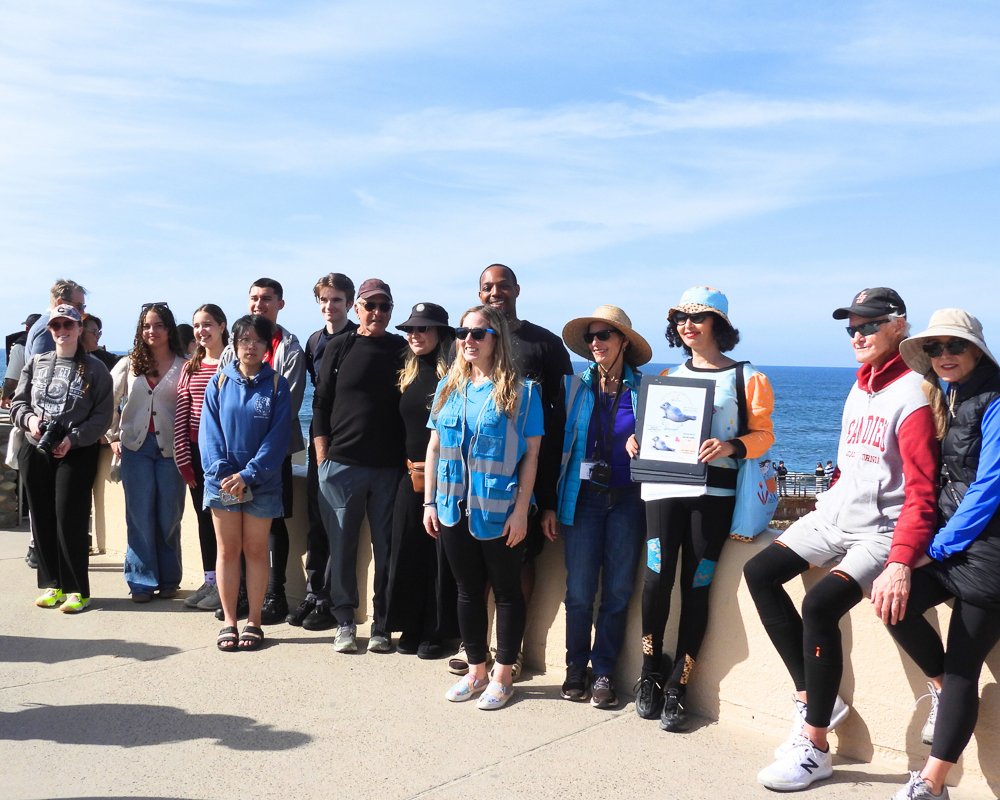
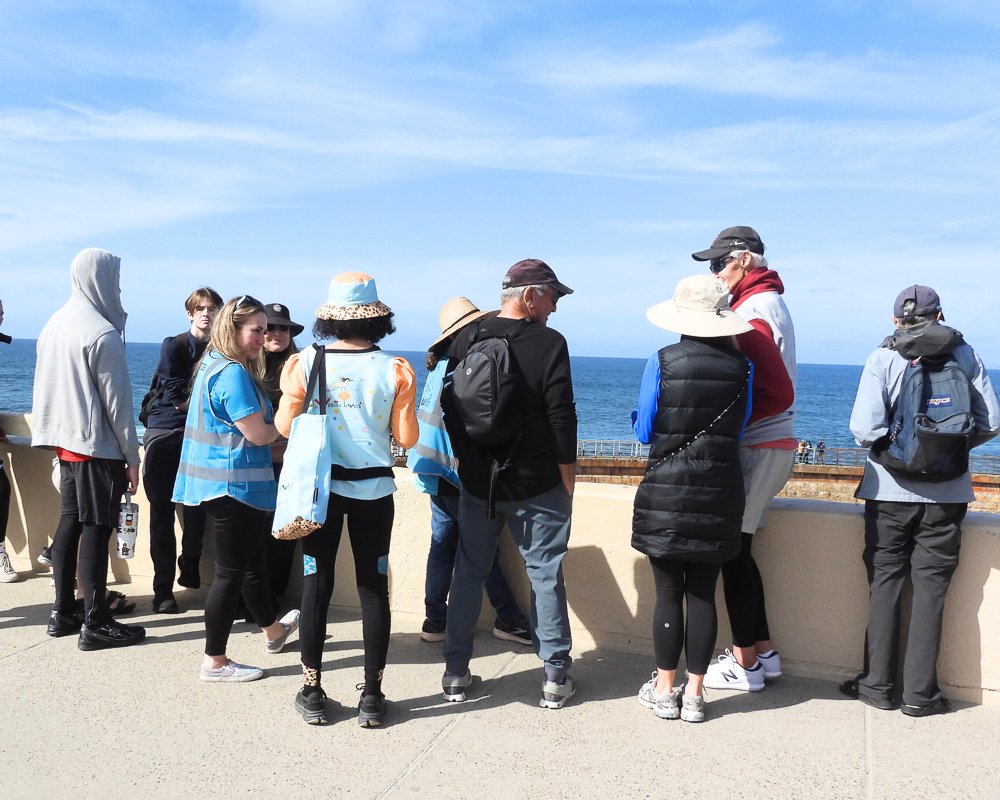
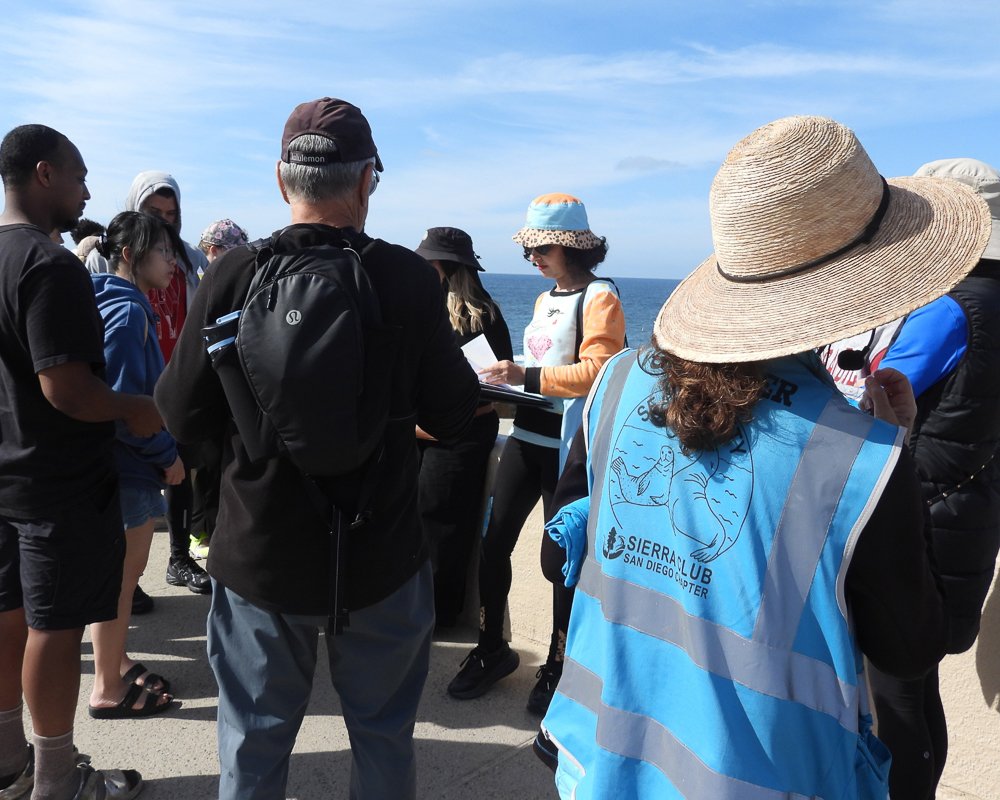
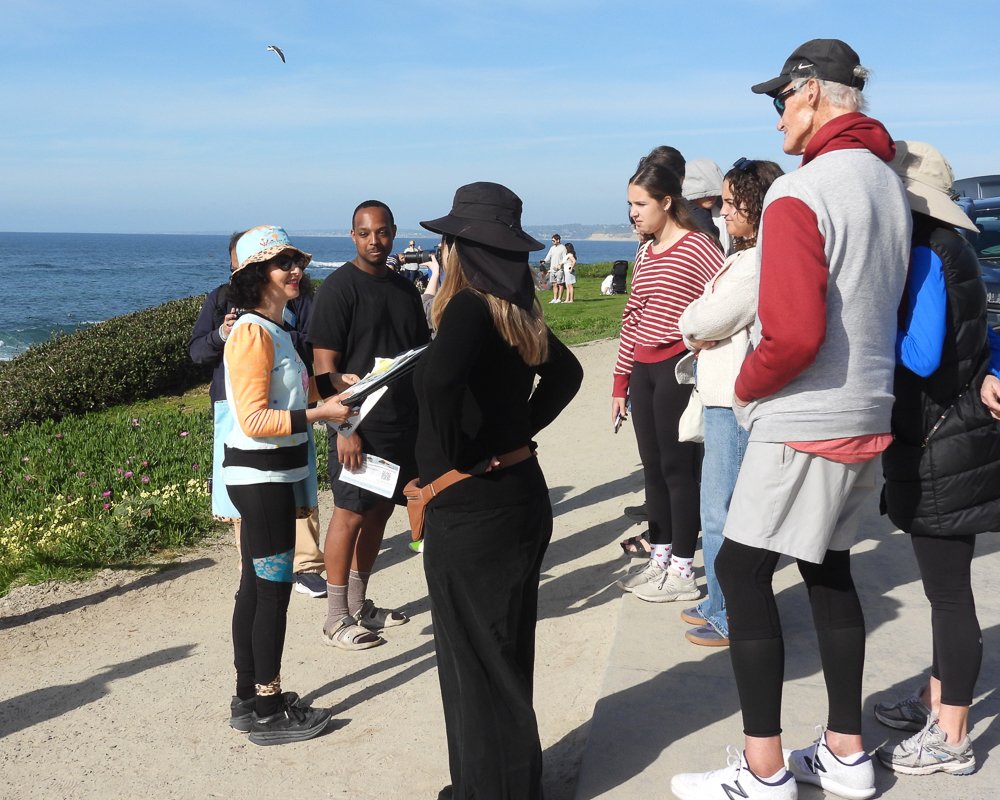
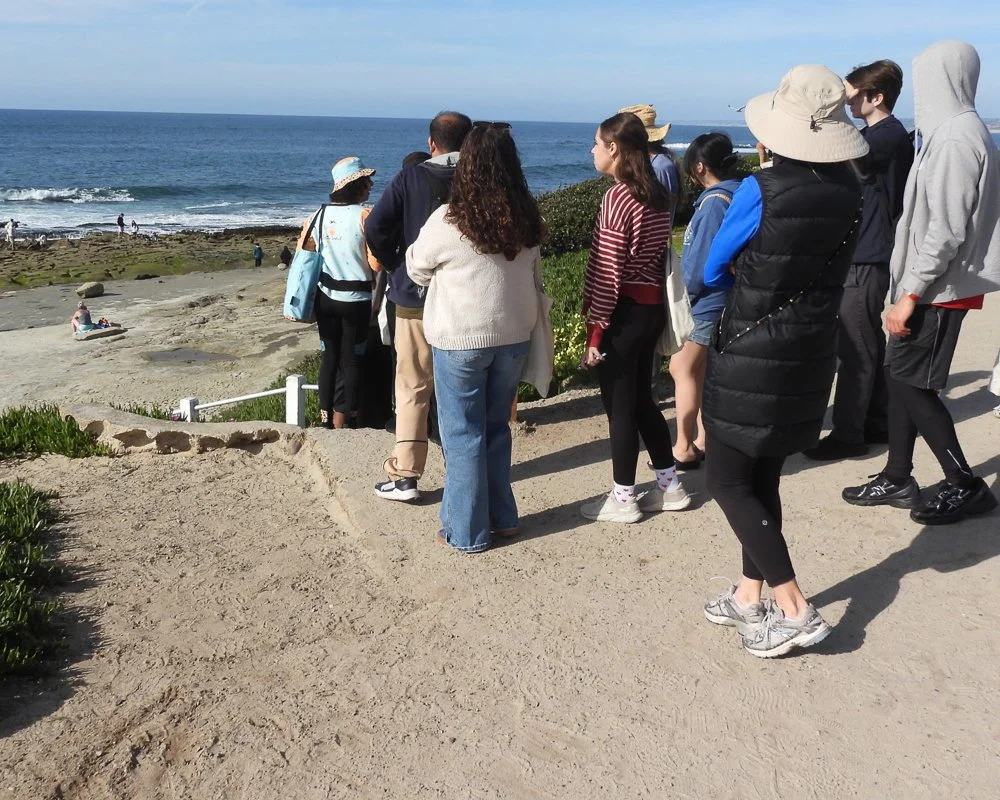
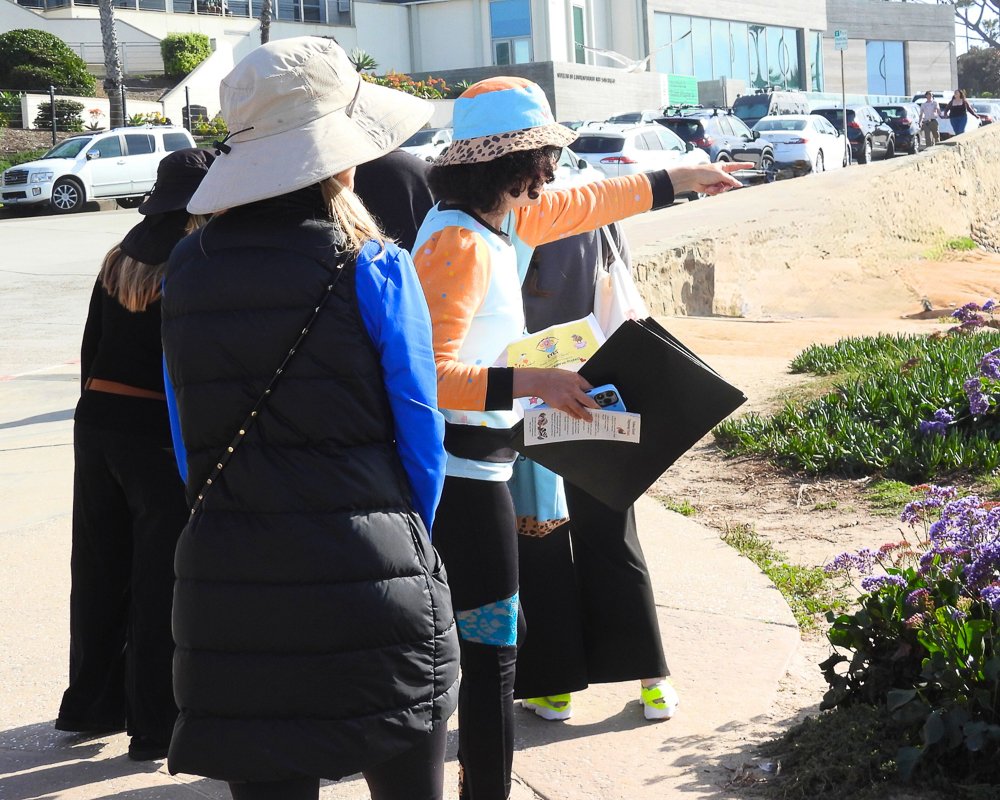
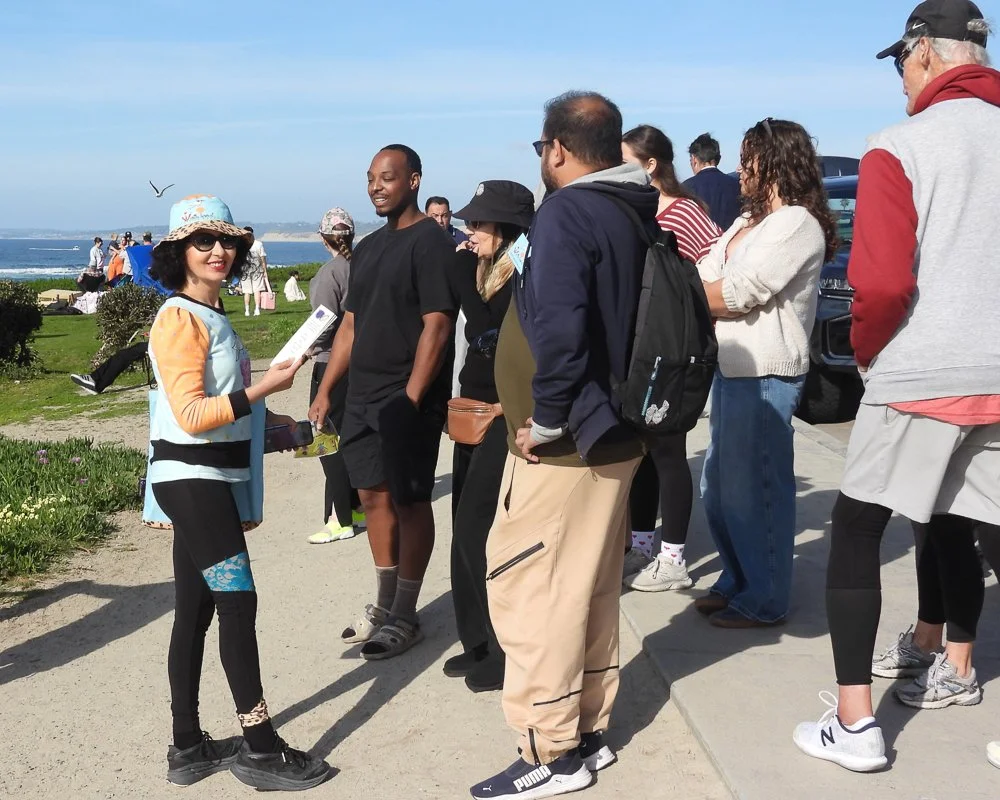
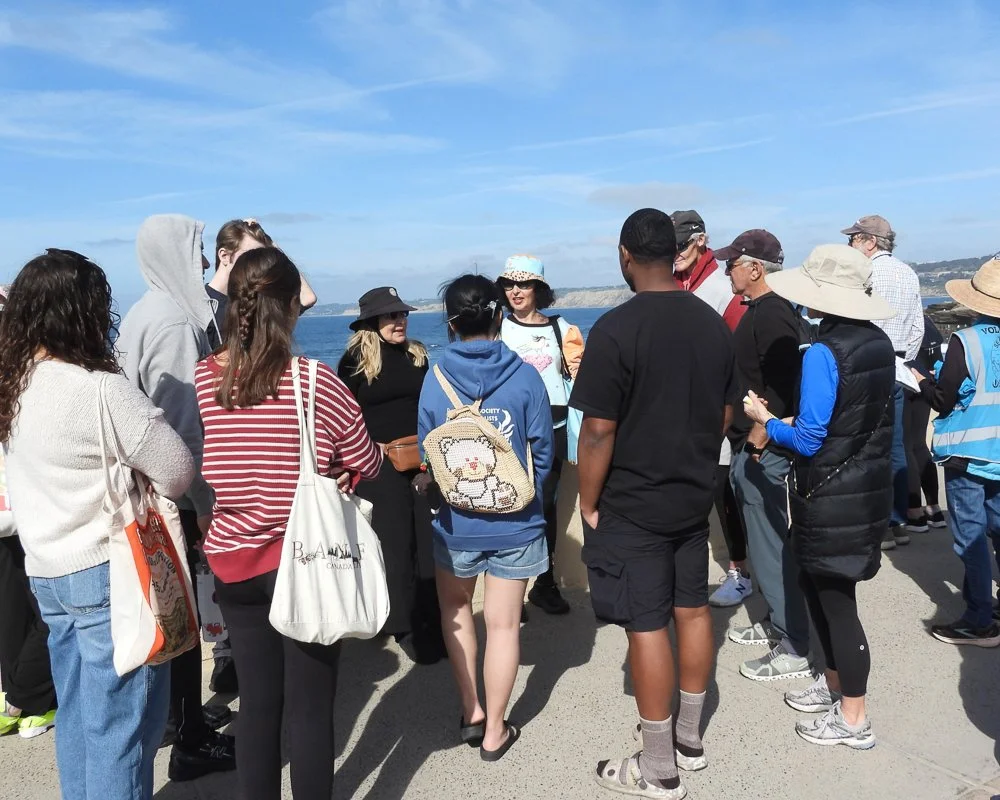
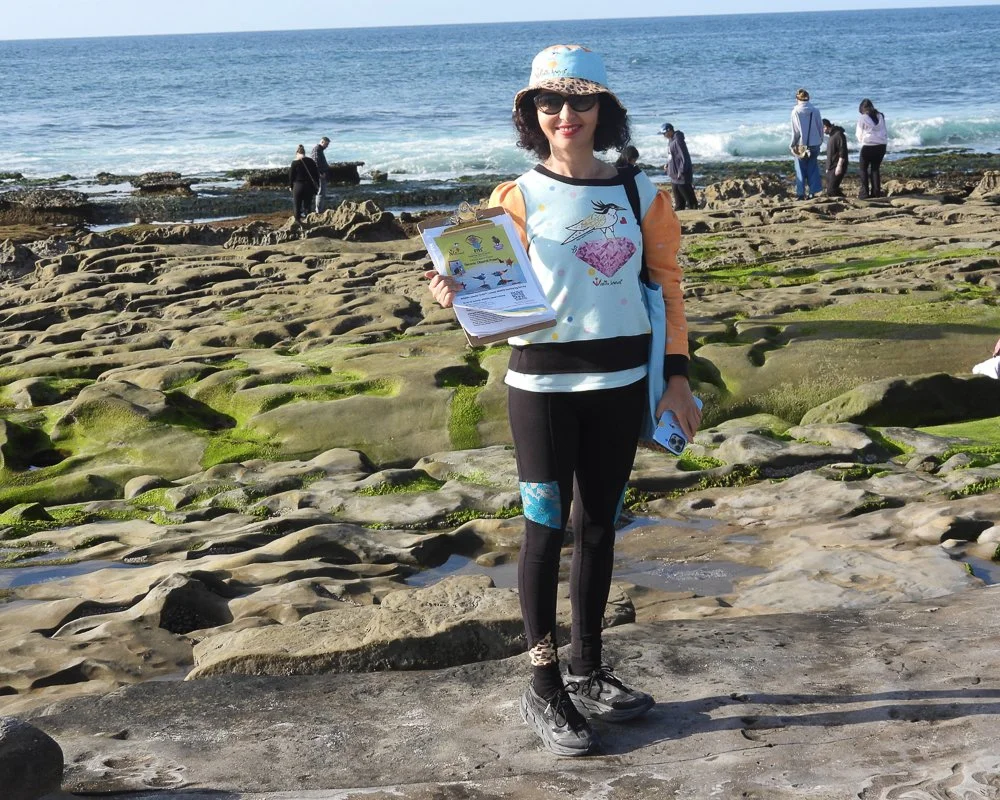
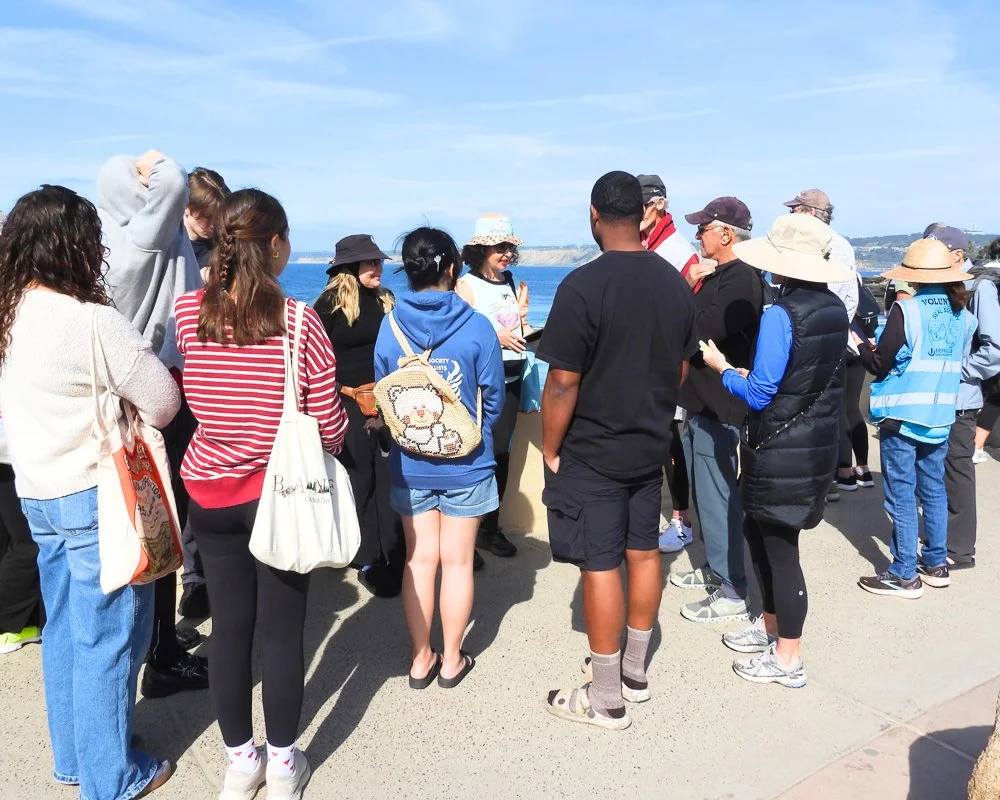
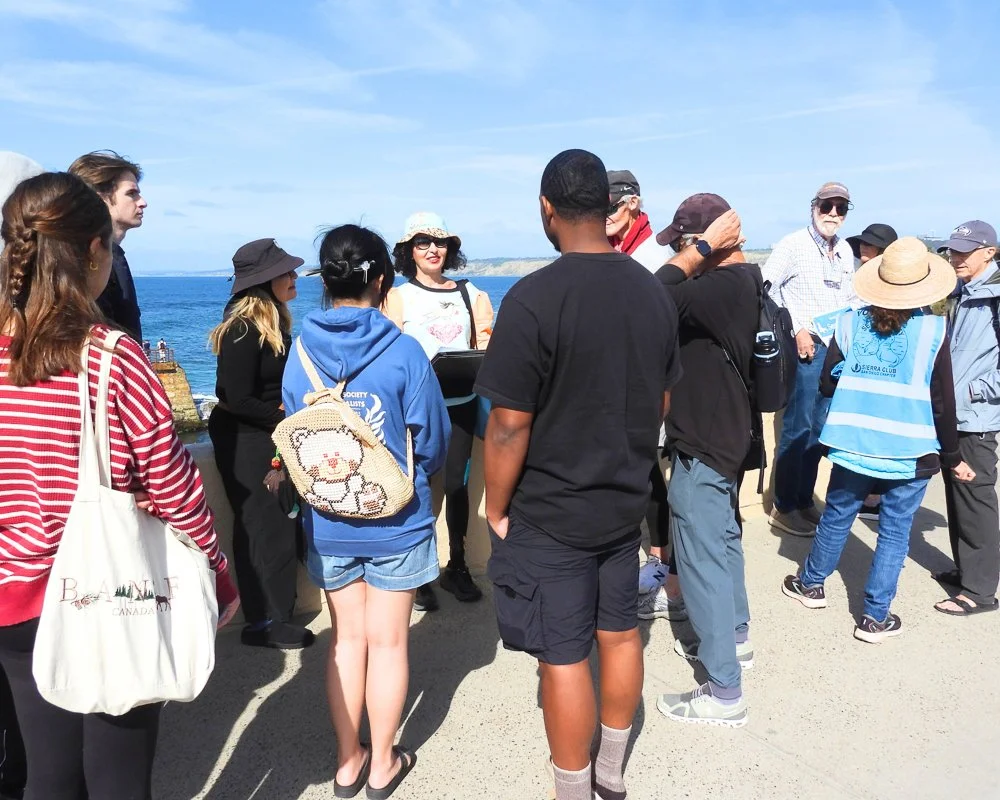
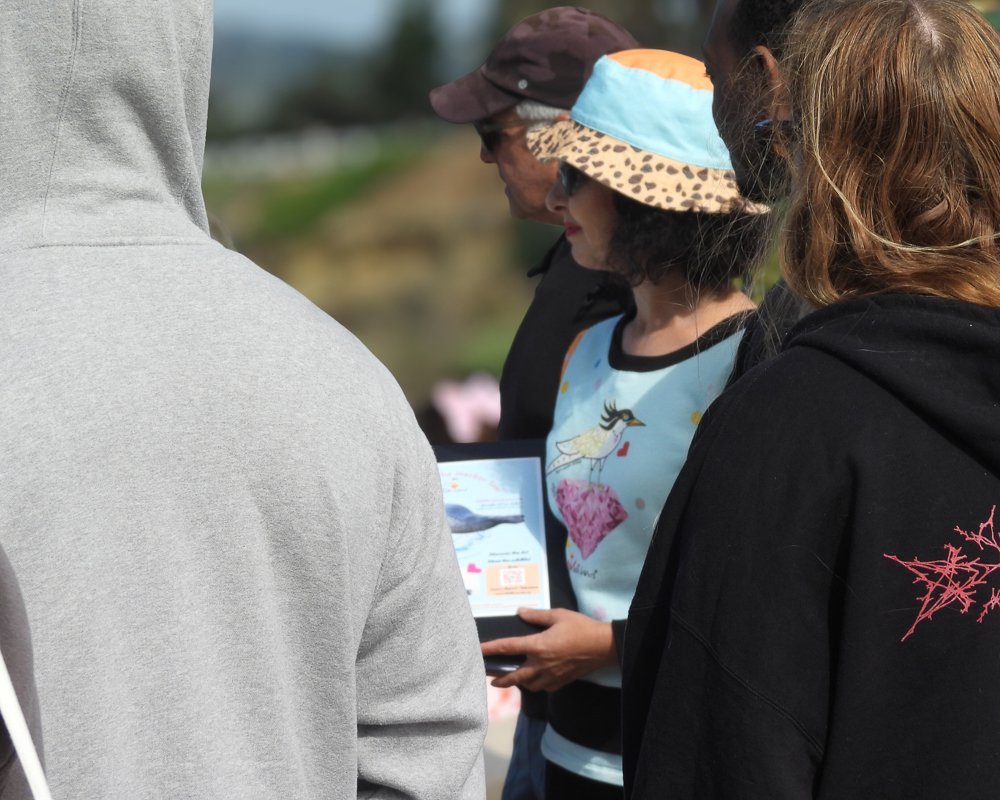
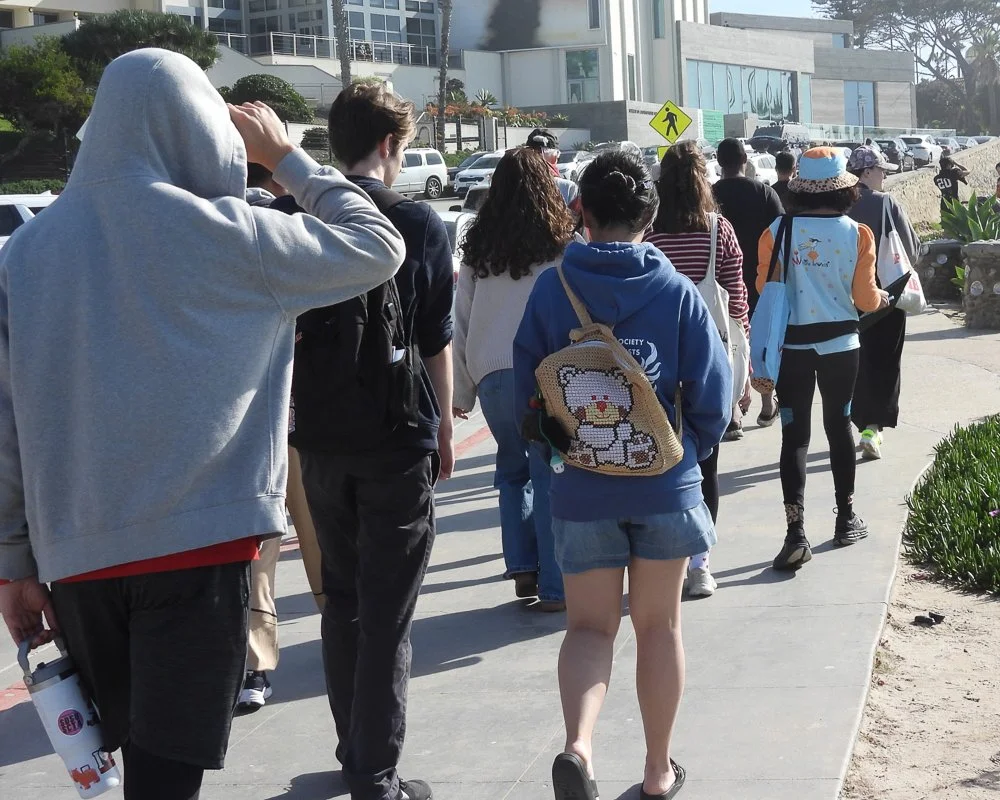
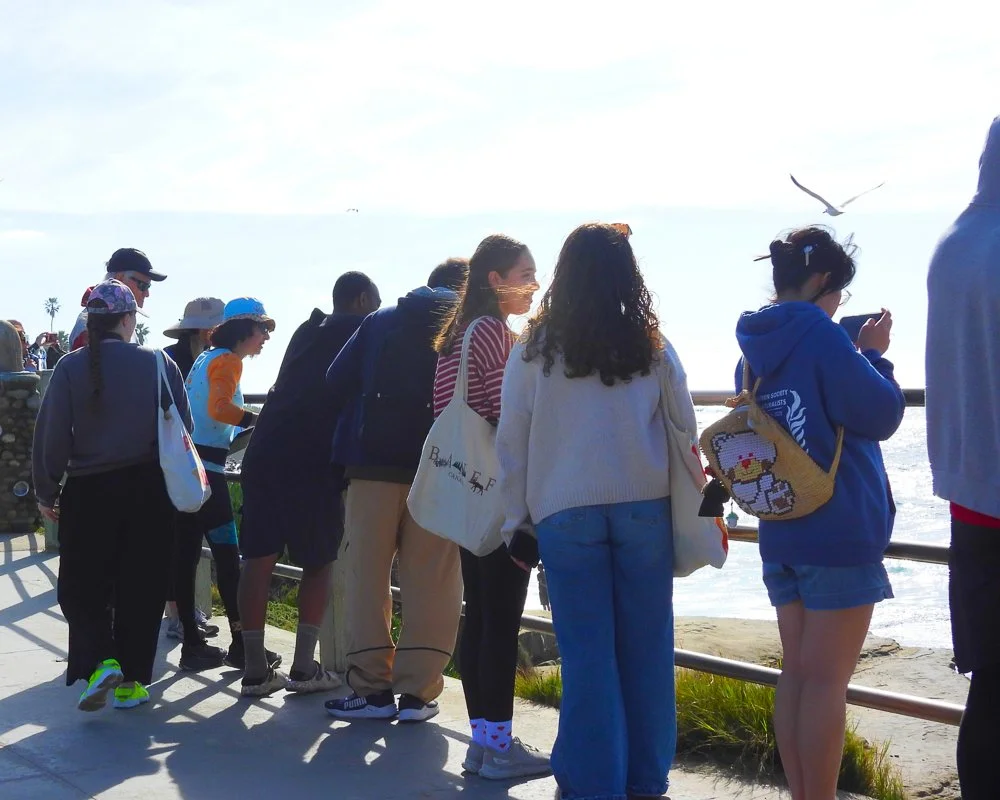
Wildlife Jewels’ World Ocean Day Wildlife Walk Along the La Jolla Shoreline | June 6, 2026
Wildlife Jewels was honored to celebrate World Ocean Day by bringing the community together for a special wildlife walk along the beautiful La Jolla coastline.
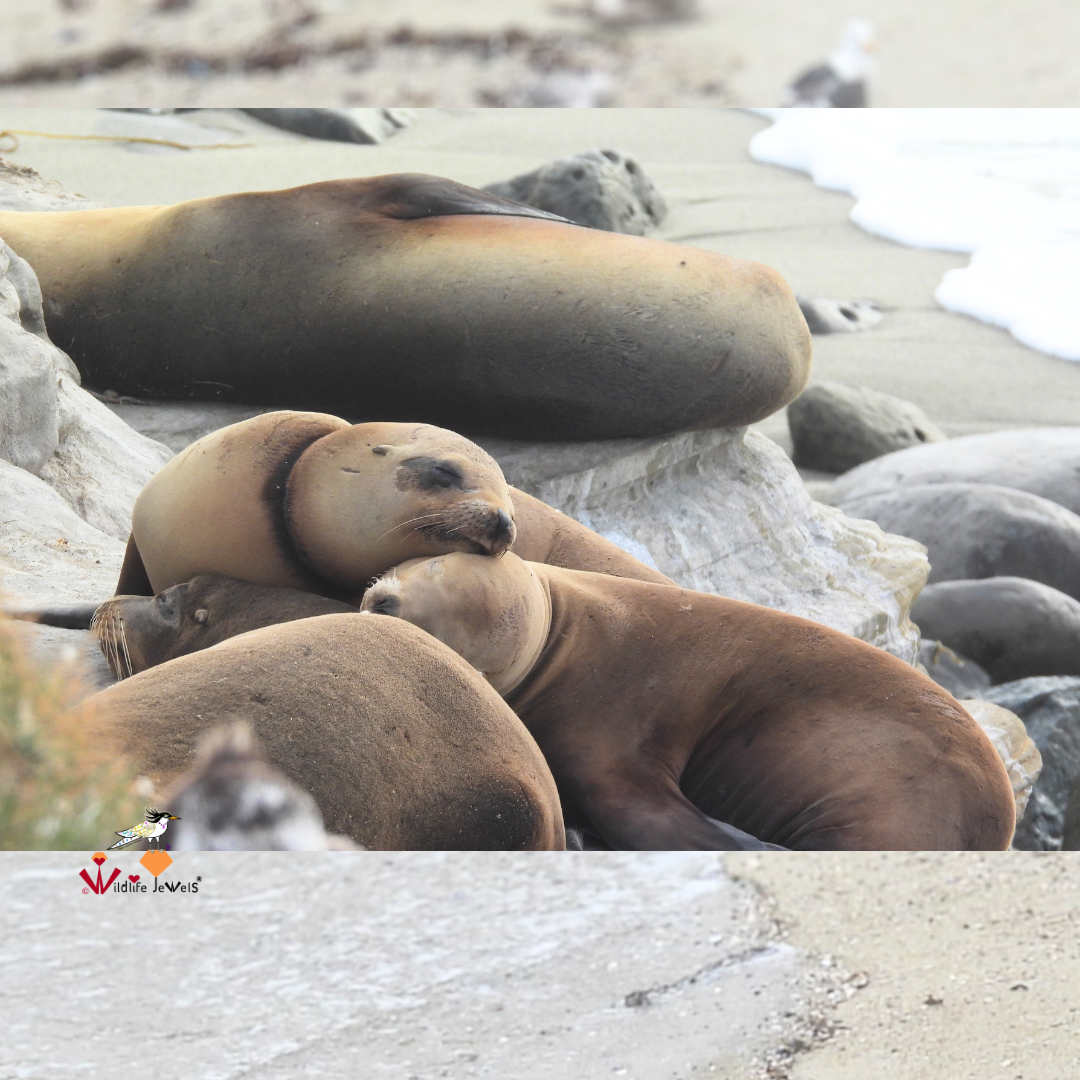
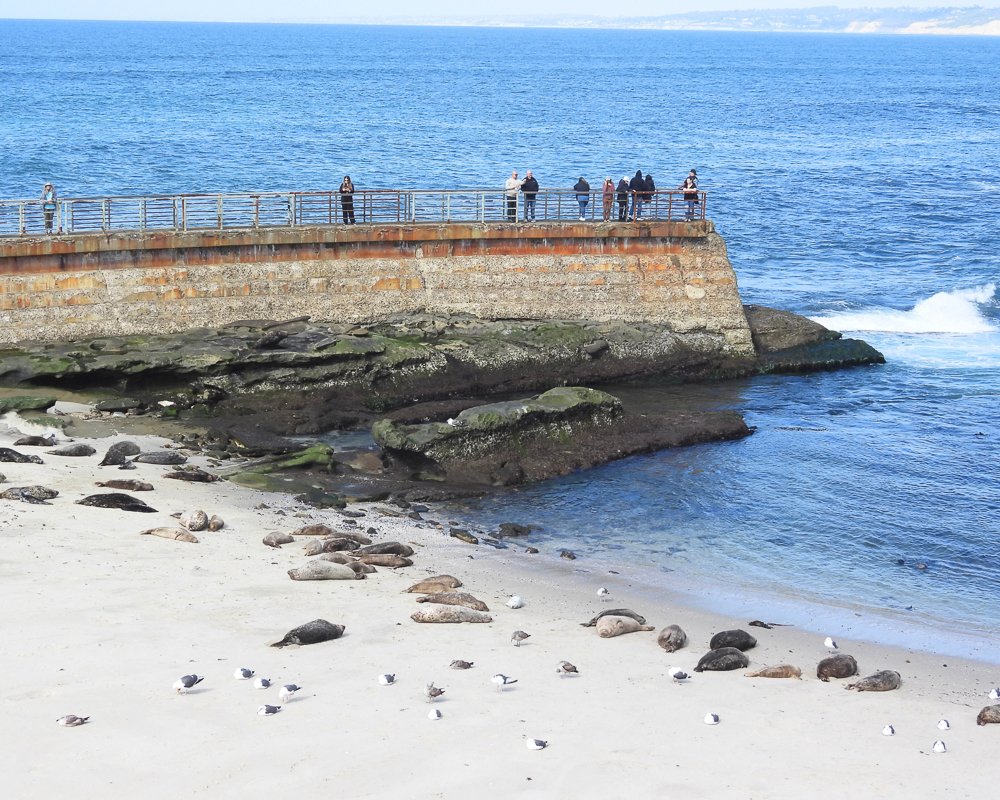
Together, we explored one of Southern California’s most remarkable coastal habitats while discovering the marine mammals and seabirds that make La Jolla their home. Throughout the walk, participants learned from real wildlife stories Wildlife Jewels has observed, photographed, monitored, documented, and supported through our EYES® field monitoring program and Rescue Crew.
One of the special parts of the walk was helping participants learn what to look for in the field, including signs of injured, entangled, starving, or distressed wildlife, and how careful observation and reporting can help animals receive timely support. Along the way, we shared stories of resilience, rescue, and survival, as well as the challenges wildlife faces, including entanglements, marine debris, injuries, seabird starvation, harmful algal blooms, and human disturbance.
By connecting people with individual animals and habitats we have come to know through countless hours of routine field surveys, participants gained a deeper appreciation for La Jolla’s remarkable wildlife and the importance of protecting the places they depend on.
Thank you to everyone who joined us in celebrating World Ocean Day. We hope the walk inspired new connections with the ocean and the extraordinary wildlife that makes the La Jolla coastline so special.
Through Wildlife Jewels’ EYES® La Jolla field monitoring and the Wildlife Jewels Rescue Crew programs, our volunteers conduct regular coastal wildlife surveys, document wildlife activity and threats, support reporting and rescue coordination, and help birds and other wildlife in need receive care whenever possible.
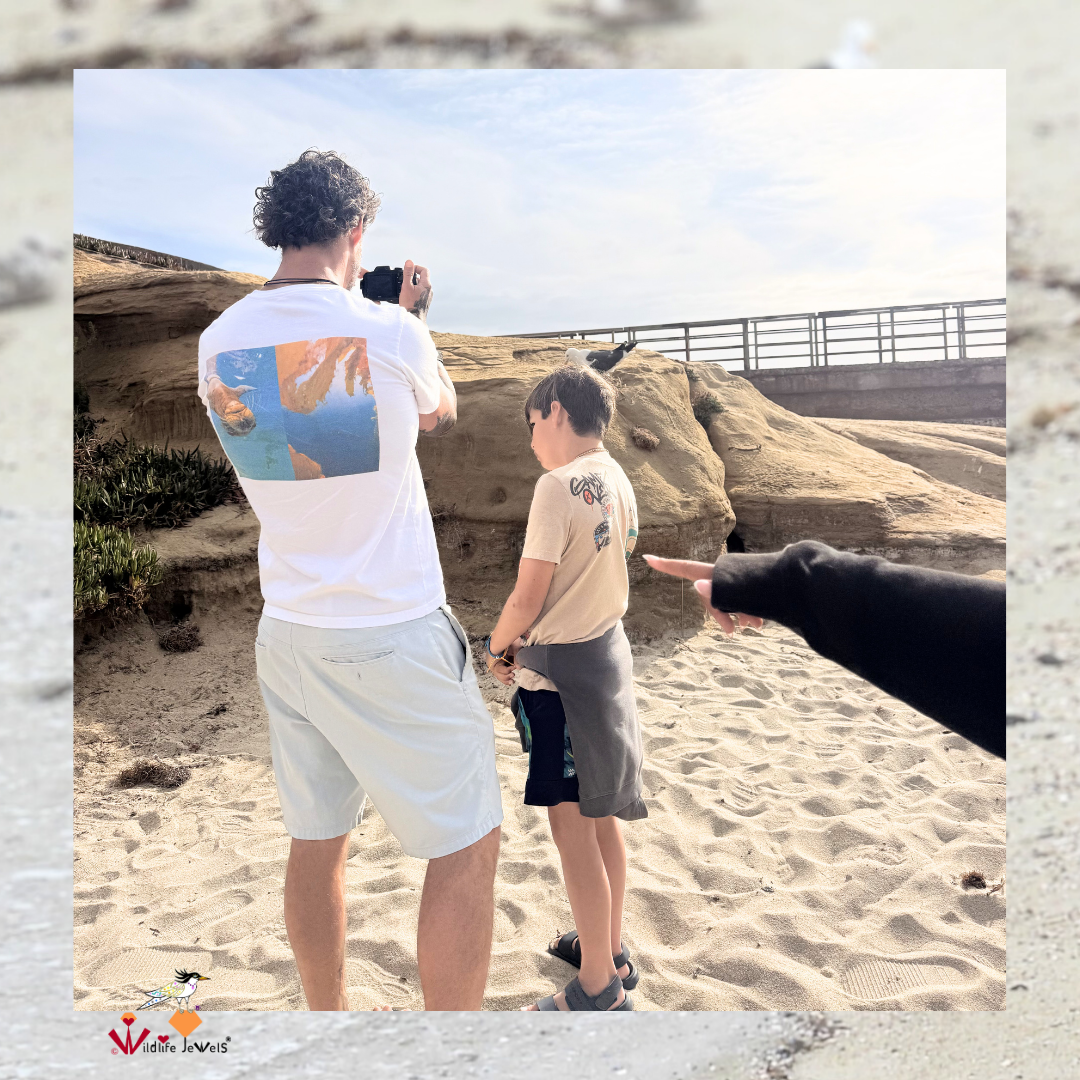
Photographs from the event were beautifully captured by The Ocean Alchemist.
Learn about Wildlife Jewels EYES and ways you can get involved!
Learn about Wildlife Jewels Rescue Crew and ways you can help!
Observed during our EYES™ Field Day with SDSU MEBSA students: a Western Gull with a concerning beak injury—highlighting the importance of careful observation and reporting.
👀 Join EYES™ (Engage Your Eyes for Sea Life)
Become part of our coastal wildlife monitoring community—learn what to look for, how to observe responsibly, and how to report concerns to help keep birds and other coastal wildlife safe.
Learn more at about ways you can protect coastal wildlife at the Wildlife Jewels Resources Page
🛟 Join the Wildlife Jewel Rescue Crew (observation & reporting only)
Help support local wildlife rescue response by assisting with reporting, coordination, and (for trained, permitted volunteers only, transport support when a bird needs help.)
✨ Together, we can turn wildlife observation into action and help protect the magical Jewels that make our coastline so special.
EYES Community BIRD WALK, National Bird Day JANUARY 2026
Some of the magical Bird Jewels we had the delight of observing included Brandt’s cormorants with their striking turquoise eyes, the adult California brown pelican with sky-blue eyes and a vibrant red throat pouch, and the majestic Black Oystercatcher with its bold orange bill and eye-ring. We also enjoyed the intelligent, charismatic Western gull, the precious Heermann’s gulls, and the elegance of Royal and Elegant terns, crowned with their distinctive head crests.
Photo credit: © Wildlife Jewels® / Azi Sharif
We identified an injured Heermann’s gull, documented what we observed, and reported—reminding us that careful monitoring and timely reporting can help save lives. Every wildlife life is precious. 💙 We will share more about her and the other injured wildlife including 2 entangled sea lions that we spotted during our walk through the Wildlife Jewels Rescue Blog soon.
Wildlife Jewels EYES La Jolla: Blog Updates
Wildlife Jewels Rescue Blog Updates
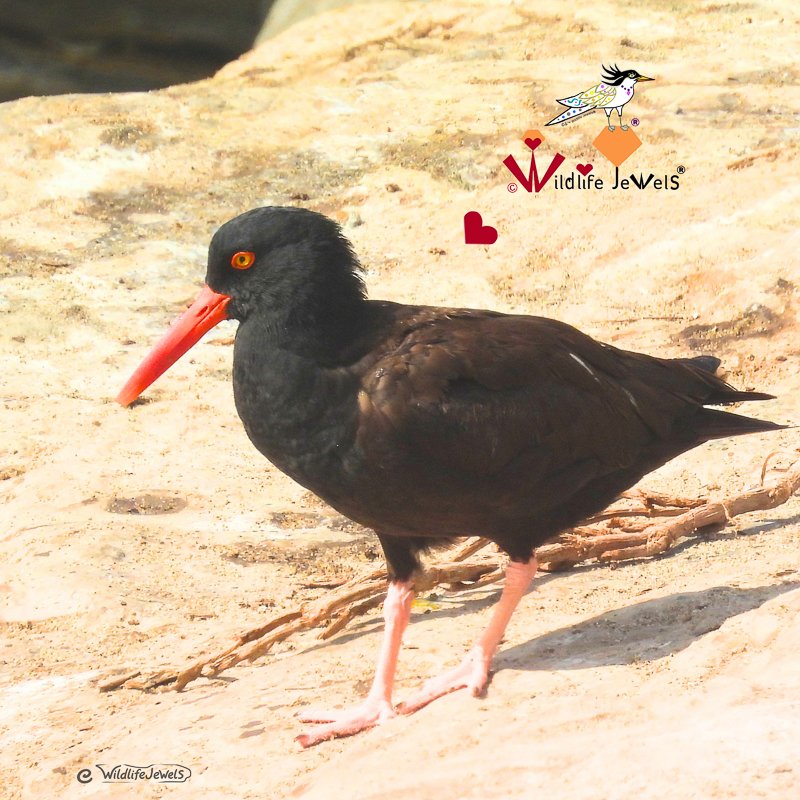
Black Oystercatcher at Point La Jolla: A Jewel of La Jolla’s Protected Shoreline
A Black Oystercatcher observed during Wildlife Jewels EYES routine monitoring at Point La Jolla — a striking reminder of the importance of protecting La Jolla’s rocky shoreline habitat within this protected marine area.
A Black Oystercatcher at La Jolla, CA June 2026 | © Wildlife Jewels/ Azi Sharif
An enchanting sight during a Wildlife Jewels EYES routine monitoring day at Point La Jolla ✨
A beautiful Black Oystercatcher, with its vivid orange-red bill, moved along the rocky shoreline — a magical jewel of the coast and a beautiful reminder of what is at stake.
Point La Jolla lies within a protected marine area, and this precious shoreline supports sensitive coastal birds and vulnerable ocean life. At a time when this habitat continues to face growing human pressures, protecting it must remain a priority. 🧡
Learn about Wildlife Jewels EYES and ways you can get involved!
Observed during our EYES™ Field Day with SDSU MEBSA students: a Western Gull with a concerning beak injury—highlighting the importance of careful observation and reporting.
👀 Join EYES™ (Engage Your Eyes for Sea Life)
Become part of our coastal wildlife monitoring community—learn what to look for, how to observe responsibly, and how to report concerns to help keep birds and other coastal wildlife safe.
Learn more at about ways you can protect coastal wildlife at the Wildlife Jewels Resources Page
🛟 Join the Wildlife Jewel Rescue Crew (observation & reporting only)
Help support local wildlife rescue response by assisting with reporting, coordination, and (for trained, permitted volunteers only, transport support when a bird needs help.)
✨ Together, we can turn wildlife observation into action and help protect the magical Jewels that make our coastline so special.
EYES Community BIRD WALK, National Bird Day JANUARY 2026
Some of the magical Bird Jewels we had the delight of observing included Brandt’s cormorants with their striking turquoise eyes, the adult California brown pelican with sky-blue eyes and a vibrant red throat pouch, and the majestic Black Oystercatcher with its bold orange bill and eye-ring. We also enjoyed the intelligent, charismatic Western gull, the precious Heermann’s gulls, and the elegance of Royal and Elegant terns, crowned with their distinctive head crests.
Photo credit: © Wildlife Jewels® / Azi Sharif
We identified an injured Heermann’s gull, documented what we observed, and reported—reminding us that careful monitoring and timely reporting can help save lives. Every wildlife life is precious. 💙 We will share more about her and the other injured wildlife including 2 entangled sea lions that we spotted during our walk through the Wildlife Jewels Rescue Blog soon.
Wildlife Jewels EYES La Jolla: Blog Updates
Wildlife Jewels Rescue Blog Updates
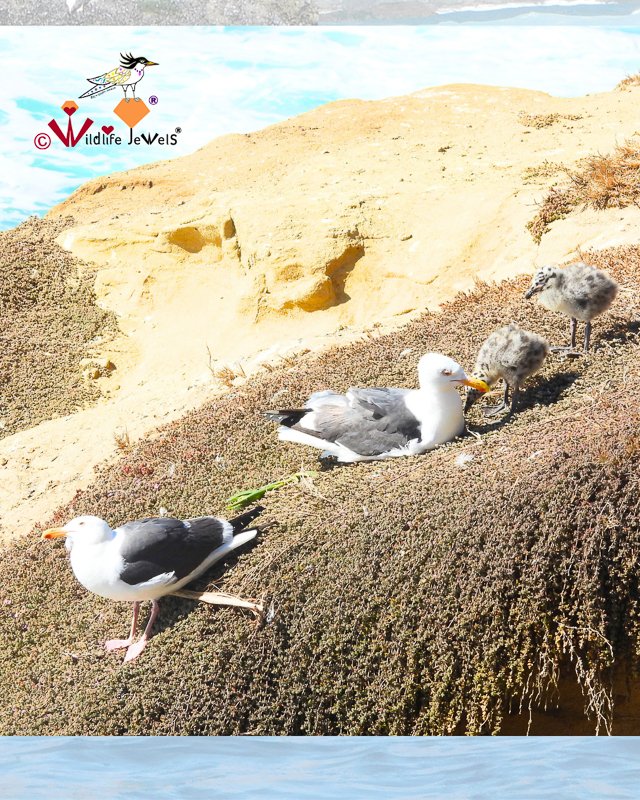
Western Gull Parents Protect Chicks on La Jolla Cliffs
An enchanting Father’s Day moment along the La Jolla coast ✨ During our routine Wildlife Jewels EYES monitoring yesterday, we witnessed a magical scene of devoted gull parents, fierce protection, and coastal wonder.
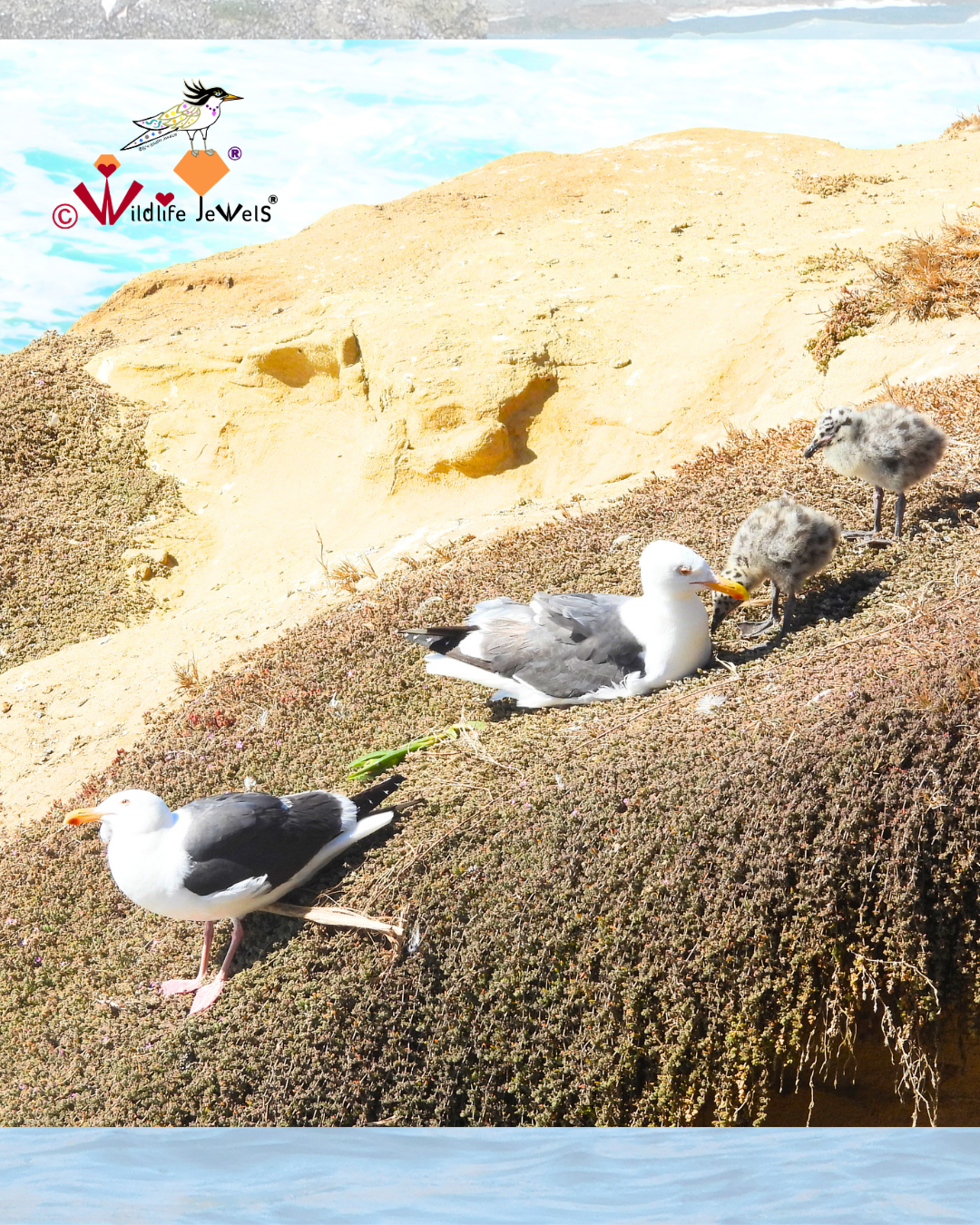
A Western Gull family at La Jolla, CA | © Wildlife Jewels/ Azi Sharif
Happy Father’s Day from Wildlife Jewels
A Father’s Day weekend moment along the La Jolla coast ✨
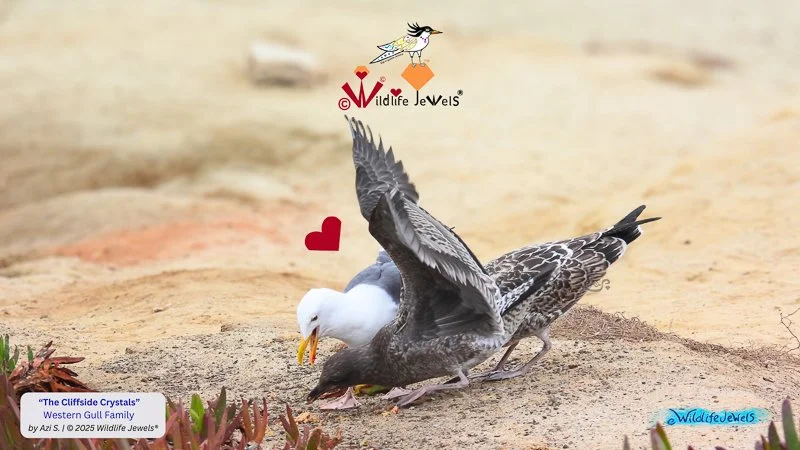
During our routine Wildlife Jewels EYES monitoring yesterday, we witnessed a remarkable scene of devoted gull parents, protective instincts, and coastal life.
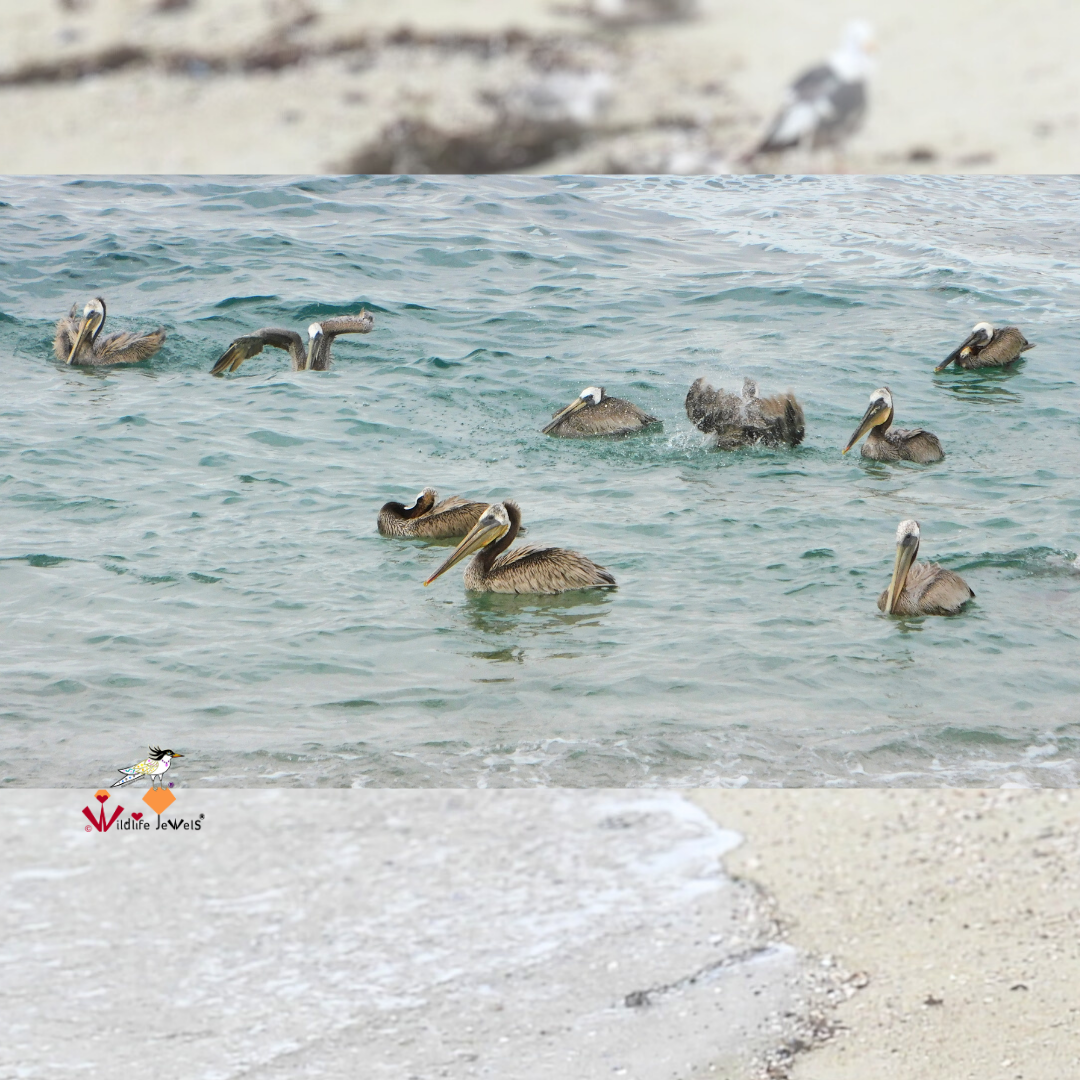
When we arrived, two Western Gull parents were flying over two pelicans that had unknowingly landed in the nest area near their chicks. As the pelicans perched close by, both gull parents called, dove, and worked together to guide them away.
Western Gulls are incredibly intelligent birds, and both parents are deeply devoted to their young — working together to defend, protect, and care for their chicks. 💙
Learn about Wildlife Jewels EYES and ways you can get involved!
A Western Gull family and Pelicans at La Jolla, CA | © Wildlife Jewels/ Azi Sharif
Observed during our EYES™ Field Day with SDSU MEBSA students: a Western Gull with a concerning beak injury—highlighting the importance of careful observation and reporting.
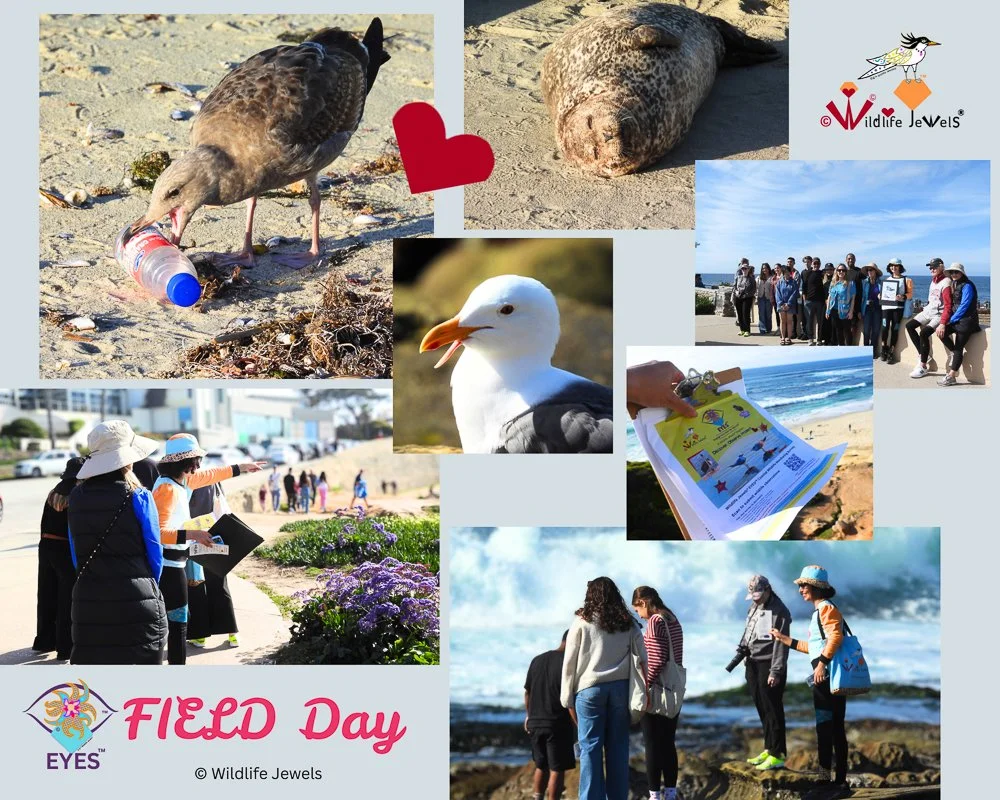
👀 Join EYES™ (Engage Your Eyes for Sea Life)
Become part of our coastal wildlife monitoring community—learn what to look for, how to observe responsibly, and how to report concerns to help keep birds and other coastal wildlife safe.
Learn more at about ways you can protect coastal wildlife at the Wildlife Jewels Resources Page
For La Jolla seal and sea lion viewing guidelines, visit San Diego Seal Society.
🛟 Join the Wildlife Jewel Rescue Crew (observation & reporting only)
Help support local wildlife rescue response by assisting with reporting, coordination, and (for trained, permitted volunteers only, transport support when a bird needs help.)
✨ Together, we can turn wildlife observation into action and help protect the magical Jewels that make our coastline so special.
EYES Community BIRD WALK, National Bird Day JANUARY 2026
Some of the magical Bird Jewels we had the delight of observing included Brandt’s cormorants with their striking turquoise eyes, the adult California brown pelican with sky-blue eyes and a vibrant red throat pouch, and the majestic Black Oystercatcher with its bold orange bill and eye-ring. We also enjoyed the intelligent, charismatic Western gull, the precious Heermann’s gulls, and the elegance of Royal and Elegant terns, crowned with their distinctive head crests.
Photo credit: © Wildlife Jewels® / Azi Sharif
We identified an injured Heermann’s gull, documented what we observed, and reported—reminding us that careful monitoring and timely reporting can help save lives. Every wildlife life is precious. 💙 We will share more about her and the other injured wildlife including 2 entangled sea lions that we spotted during our walk through the Wildlife Jewels Rescue Blog soon.
Wildlife Jewels EYES La Jolla: Blog Updates
Wildlife Jewels Rescue Blog Updates
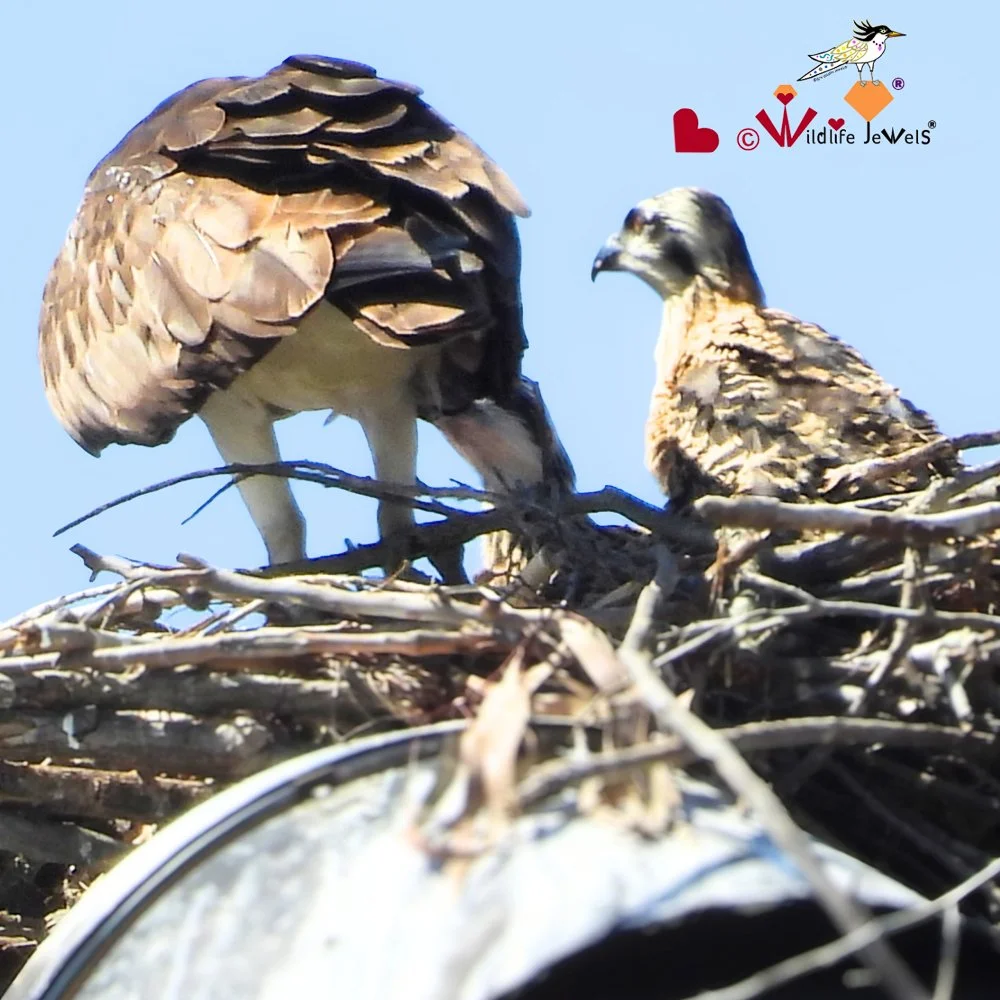
A Magical Osprey Family Moment in Carlsbad | Wildlife Jewels
A magical moment we recently observed at a Carlsbad osprey nest: a devoted mother feeding one tiny chick, while the other waits patiently for her turn.
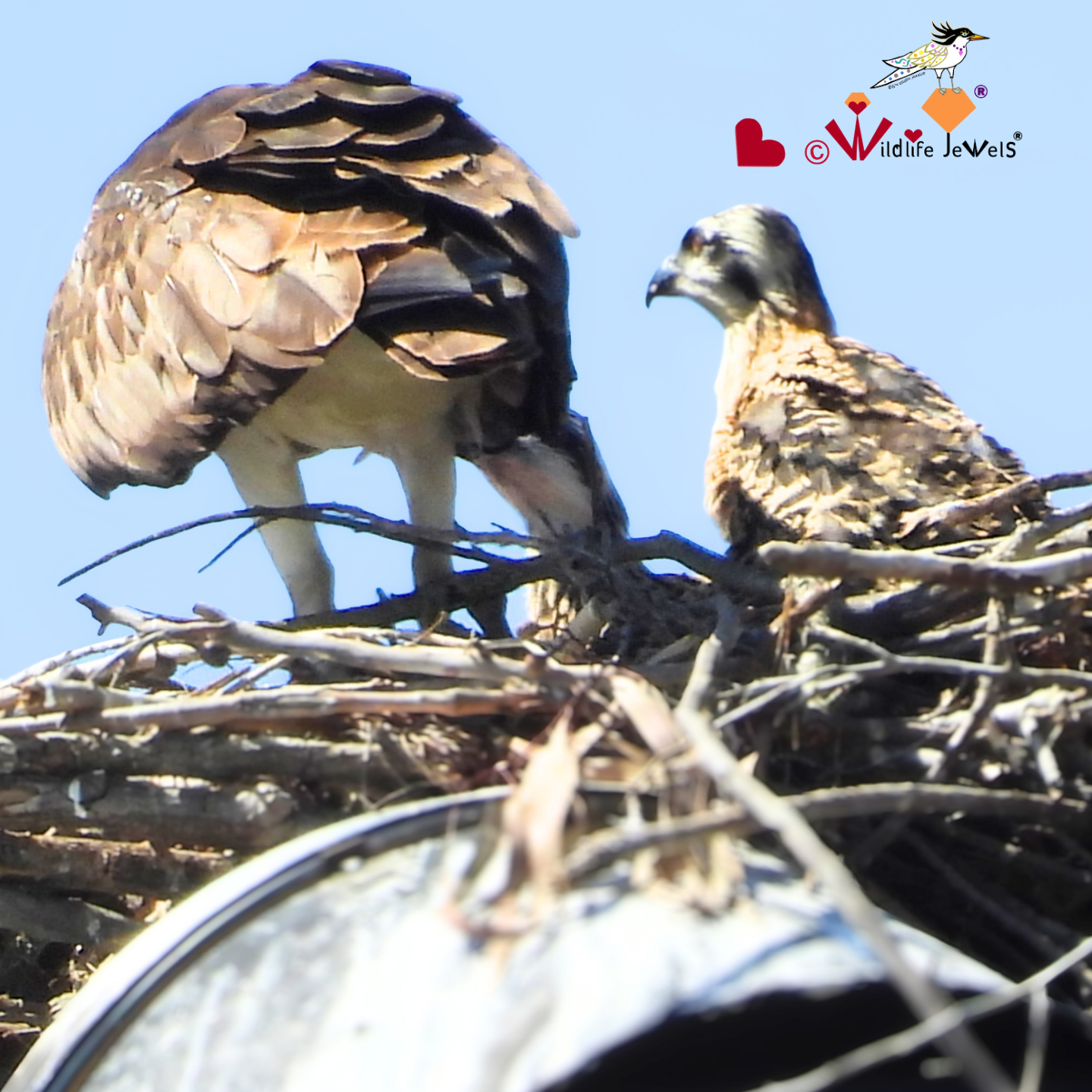
Osprey family observed at a Carlsbad nest, April 2026. © Wildlife Jewels / Azi Sharif
Happy Mother’s Day from Wildlife Jewels 💙
A magical moment we recently observed at a Carlsbad osprey nest: a devoted mother feeding one tiny chick, while the other waits patiently for her turn. Nearby, the father remained perched beside the nest after delivering food, standing guard over his family.
These precious chicks depend on their parents for every meal, every moment of warmth, and every chance to grow. May we protect their nests, their coast, and their wild future by giving nesting birds space and keeping fishing line and debris out of the environment.
Every nest matters. Every chick matters. 💙
Learn about Wildlife Jewels EYES and ways you can get involved!
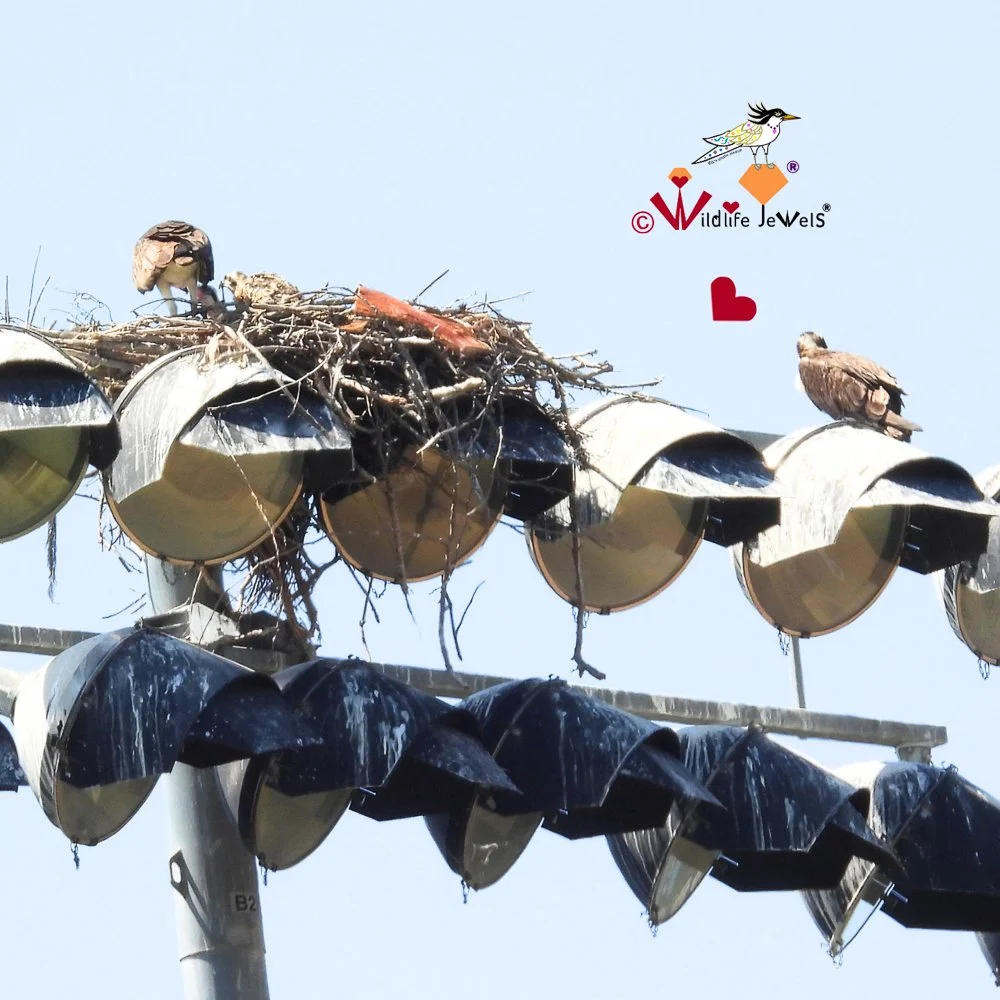
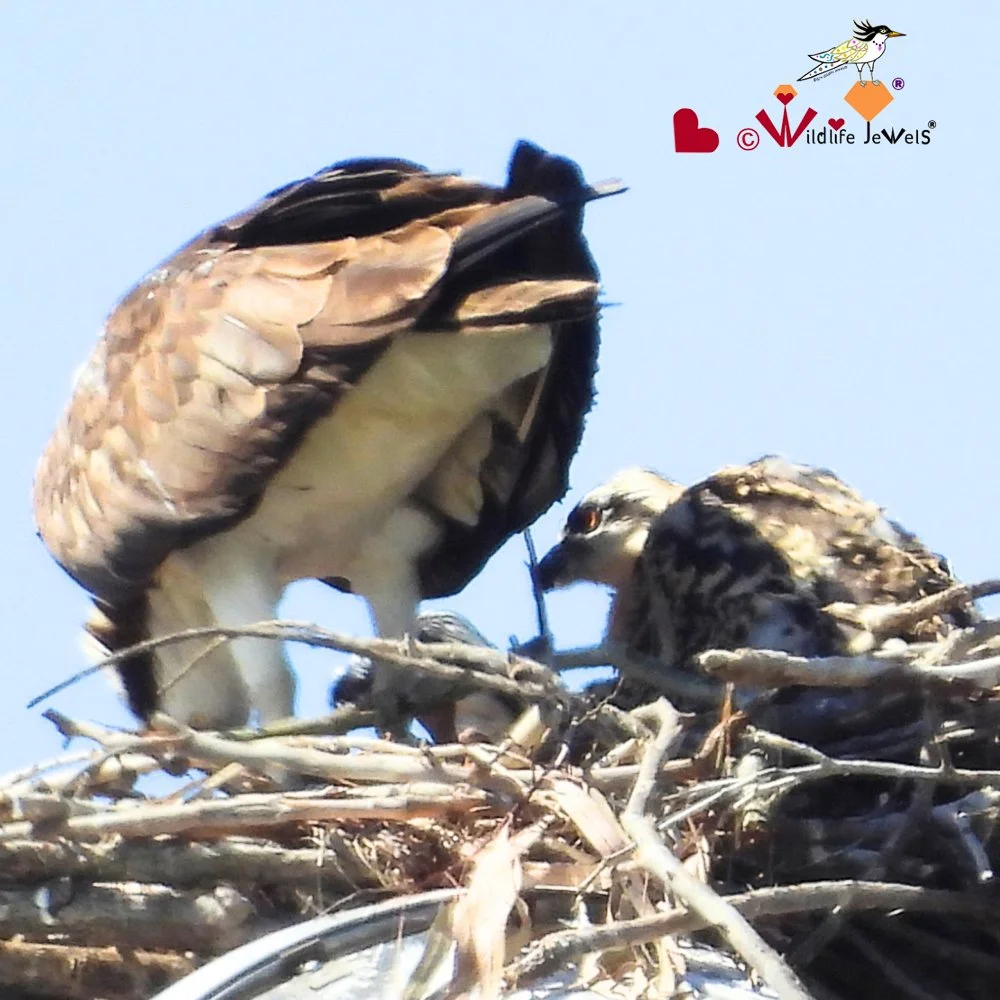
Osprey family observed at a Carlsbad nest, April 2026. © Wildlife Jewels / Azi Sharif
Observed during our EYES™ Field Day with SDSU MEBSA students: a Western Gull with a concerning beak injury—highlighting the importance of careful observation and reporting.
👀 Join EYES™ (Engage Your Eyes for Sea Life)
Become part of our coastal wildlife monitoring community—learn what to look for, how to observe responsibly, and how to report concerns to help keep birds and other coastal wildlife safe.
Learn more at about ways you can protect coastal wildlife at the Wildlife Jewels Resources Page
For La Jolla seal and sea lion viewing guidelines, visit San Diego Seal Society.
🛟 Join the Wildlife Jewel Rescue Crew (observation & reporting only)
Help support local wildlife rescue response by assisting with reporting, coordination, and (for trained, permitted volunteers only, transport support when a bird needs help.)
✨ Together, we can turn wildlife observation into action and help protect the magical Jewels that make our coastline so special.
EYES Community BIRD WALK, National Bird Day JANUARY 2026
Some of the magical Bird Jewels we had the delight of observing included Brandt’s cormorants with their striking turquoise eyes, the adult California brown pelican with sky-blue eyes and a vibrant red throat pouch, and the majestic Black Oystercatcher with its bold orange bill and eye-ring. We also enjoyed the intelligent, charismatic Western gull, the precious Heermann’s gulls, and the elegance of Royal and Elegant terns, crowned with their distinctive head crests.
Photo credit: © Wildlife Jewels® / Azi Sharif
We identified an injured Heermann’s gull, documented what we observed, and reported—reminding us that careful monitoring and timely reporting can help save lives. Every wildlife life is precious. 💙 We will share more about her and the other injured wildlife including 2 entangled sea lions that we spotted during our walk through the Wildlife Jewels Rescue Blog soon.
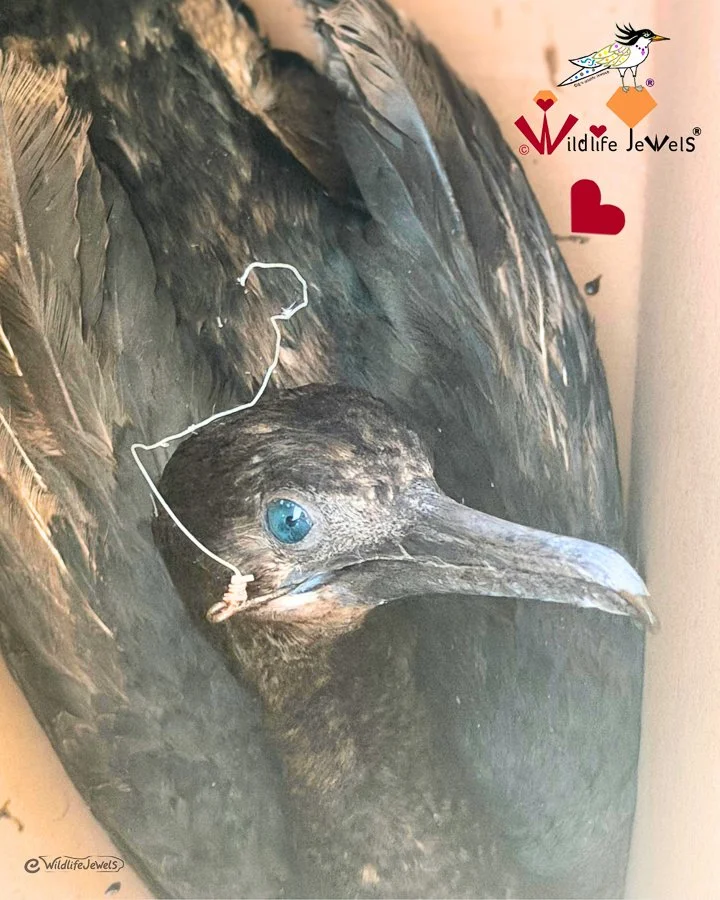
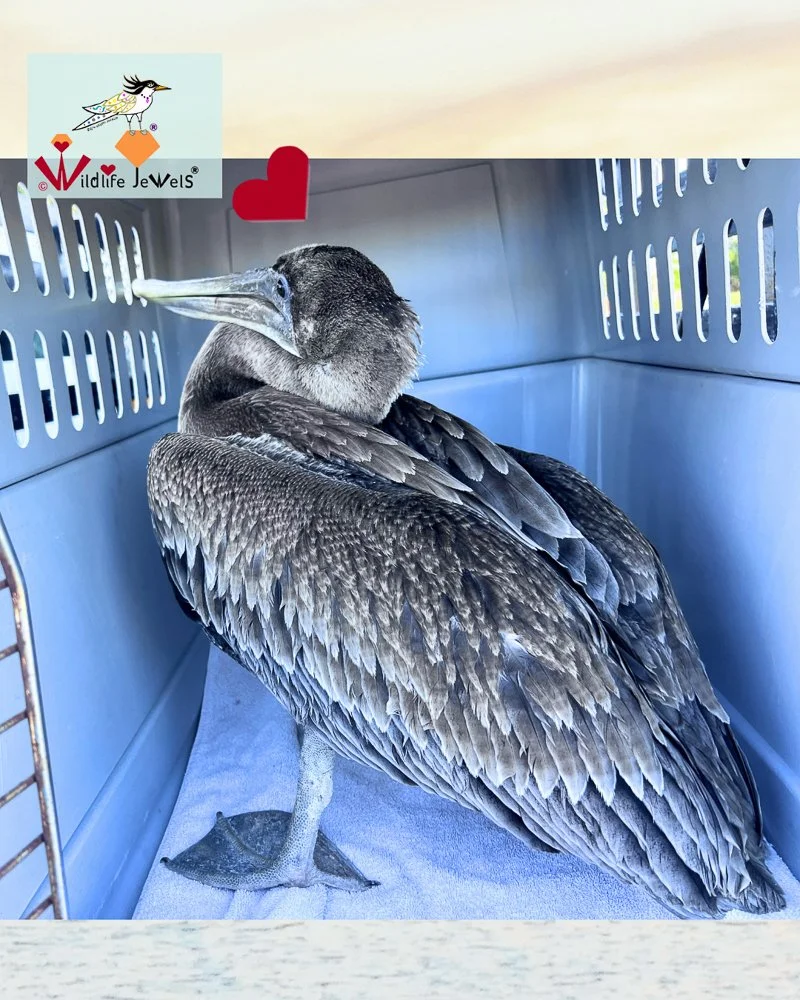
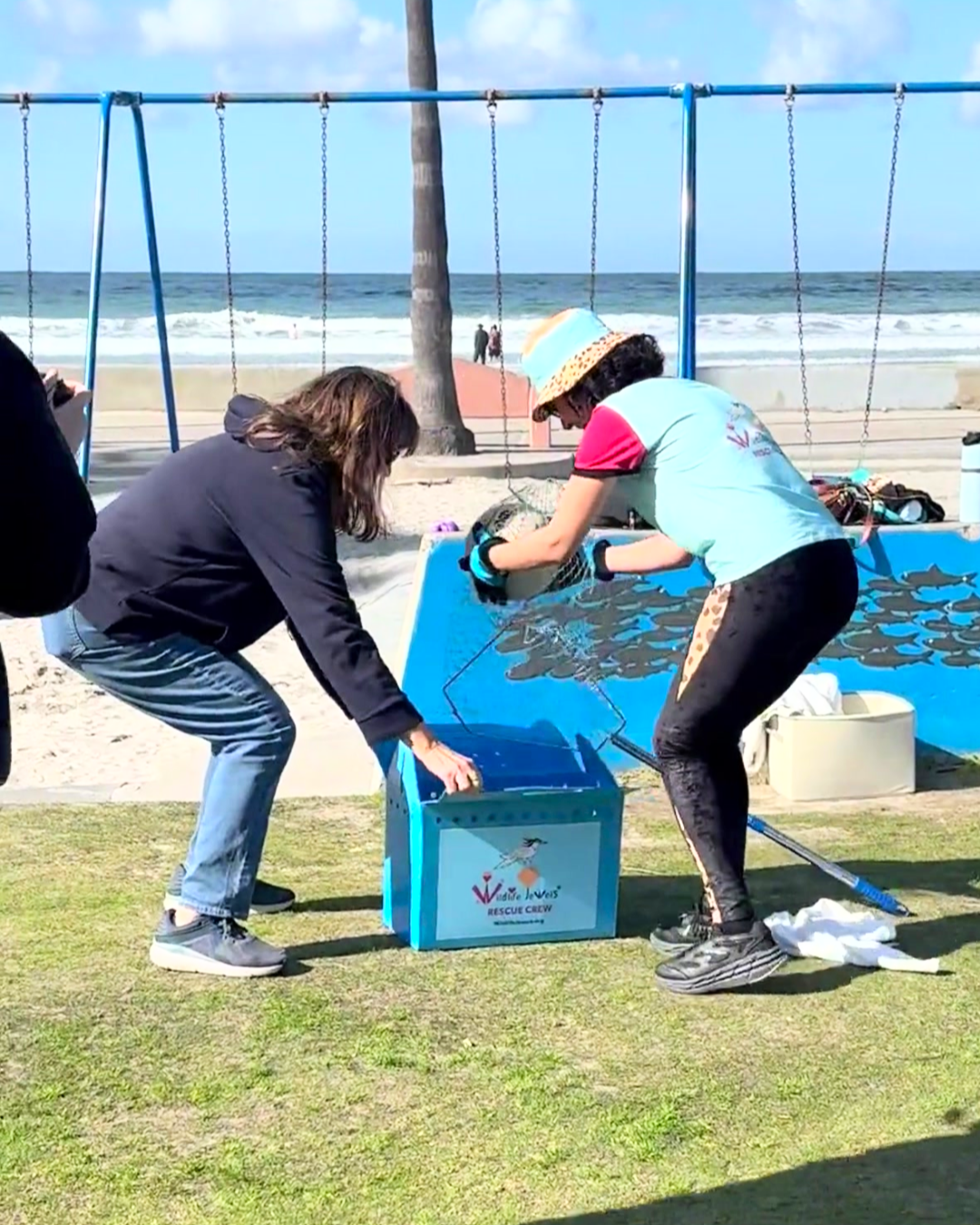
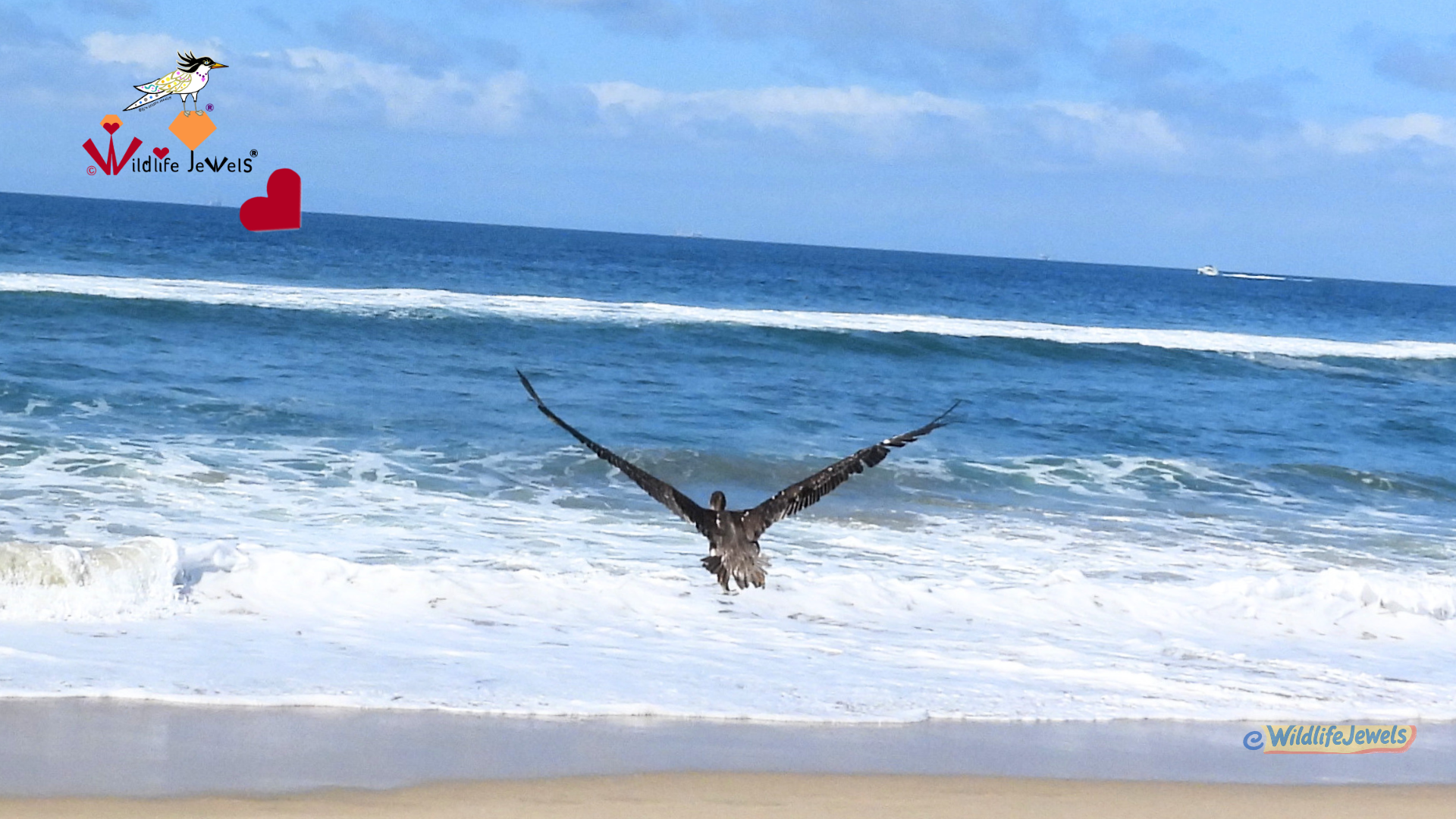
Follow the remarkable rescue of an entangled Brown Pelican at Crystal Cove, from fishing-gear injuries through rehabilitation to his return to the wild.