Western Grebe Rescued as Seabirds in Distress Are Found Along the Southern California Coast
Wildlife Jewels Rescue Crew responded to a stranded Western Grebe and transported the bird for emergency care as distressed and deceased grebes are found along the Southern California coast.
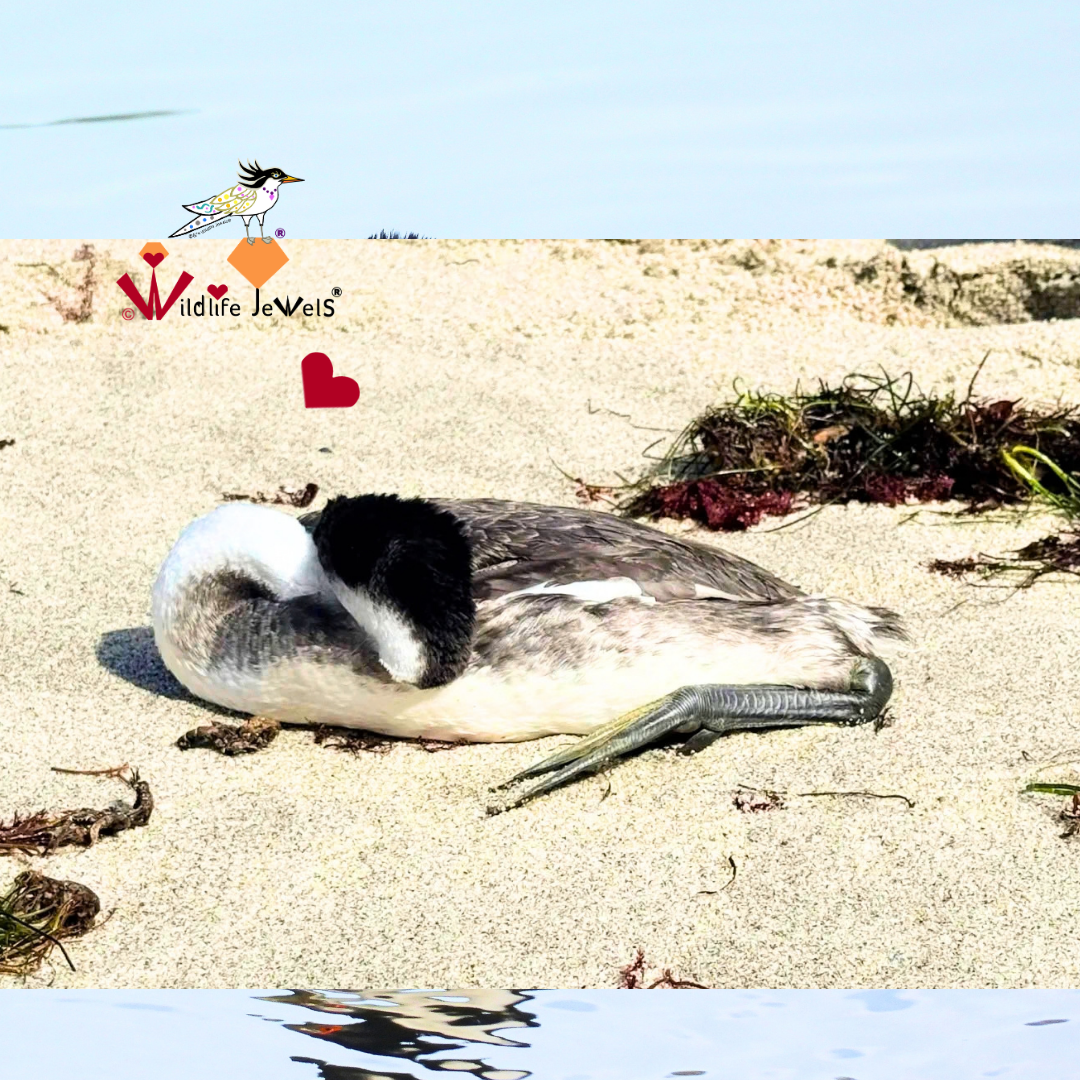
Western Grebe in distress at La Jolla Cove, September 2026. Photo courtesy of submitted wildlife report.
Seabird Alert: Western Grebes in Distress Along the Southern California Coast
Wildlife Jewels is asking beachgoers to be on the lookout for Western Grebes in distress along the Southern California coast.
Over the past two weeks, our team has encountered several distressed and deceased grebes along the coast. Western Grebes are highly adapted to life on the water and rarely come onto land. A grebe sitting or lying on the beach is likely in serious distress and needs help as soon as possible.
A Western Grebe Rescue at La Jolla Cove
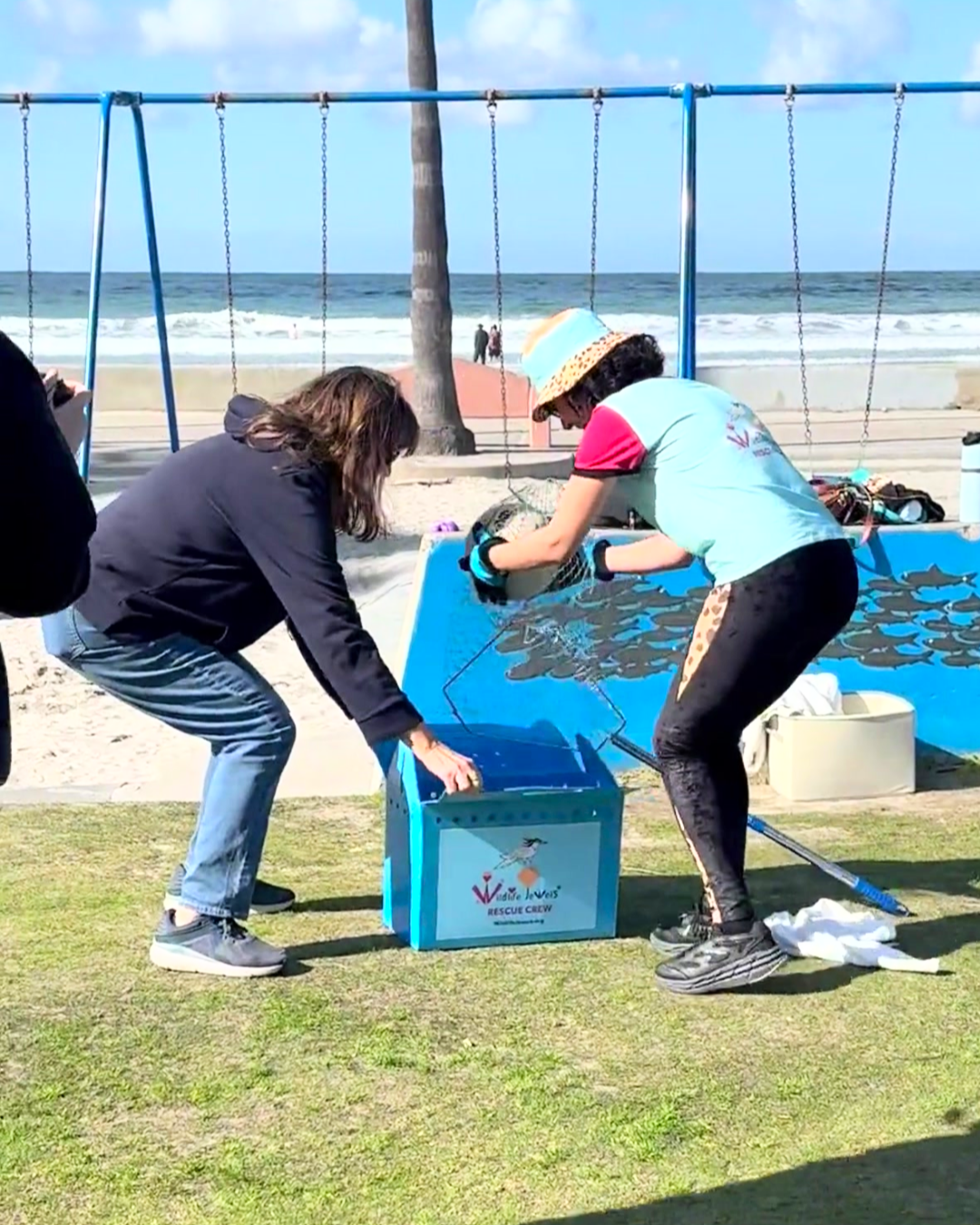
Wildlife Jewels’ Rescue Crew recently received a report of a Western Grebe stranded at La Jolla Cove and immediately responded, transporting the bird for emergency wildlife care.
Reports like this are especially important because stranded seabirds may already be severely weakened by the time they reach shore. Birds affected by starvation may appear lethargic, unusually still, weak, thin, or unable to return to the water.
Western Grebes Belong on the Water
Western Grebes are striking aquatic birds adapted for life on the water. During a Wildlife Jewels EYES® monitoring survey at San Elijo Lagoon in April 2026, we photographed a Western Grebe swimming on the water and behaving normally.
The contrast is important: seeing a grebe swimming on the water is expected, while finding one stranded on a beach is an important warning sign.
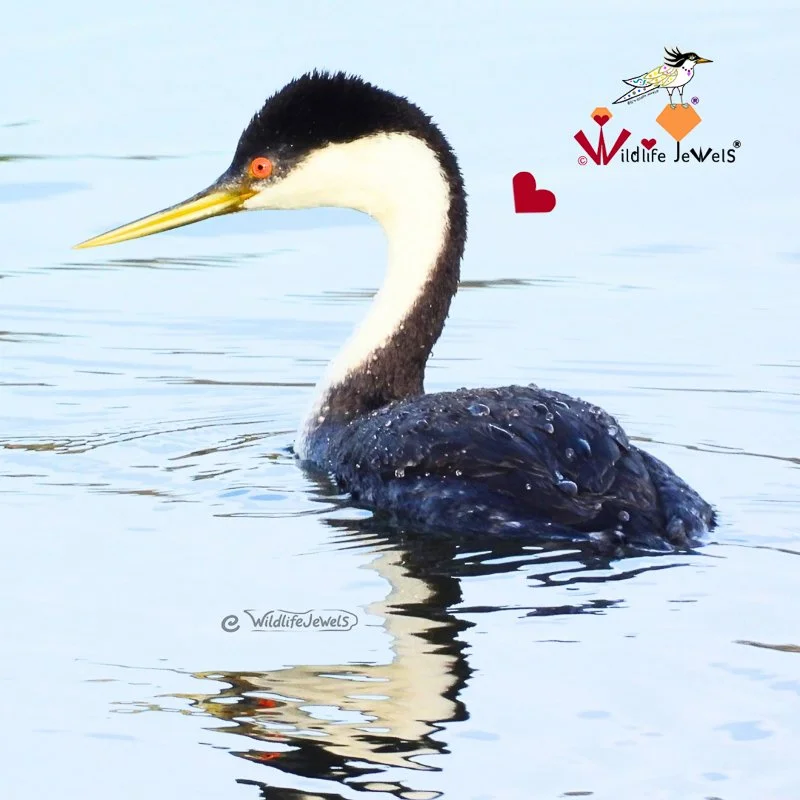
Western Grebe at San Elijo Lagoon during a Wildlife Jewels EYES® survey, April 2026. © Wildlife Jewels® by Azi Sharif
What to Do if You Find a Grebe on the Beach
If you encounter a Western Grebe or other seabird stranded or in distress:
Report the bird immediately.
Keep people and dogs a safe distance away.
If safe, remain nearby and keep the bird in sight until a wildlife responder arrives.
Do not chase, handle, feed, or attempt to return the bird to the water.
Early detection and response can make a critical difference.
Report Wildlife in Distress
Wildlife Jewels monitors reports of injured, distressed, entangled, and deceased wildlife along the Orange County and San Diego County coastlines and coordinates response within the scope of our wildlife rescue programs.
Report Wildlife to Wildlife Jewels
Wildlife Jewels® EYES® + Rescue Crew
Monitoring wildlife. Identifying threats. Responding when wildlife needs help.
Learn about Wildlife Jewels EYES and ways you can get involved!
Learn about Wildlife Jewels Rescue and ways you can help!
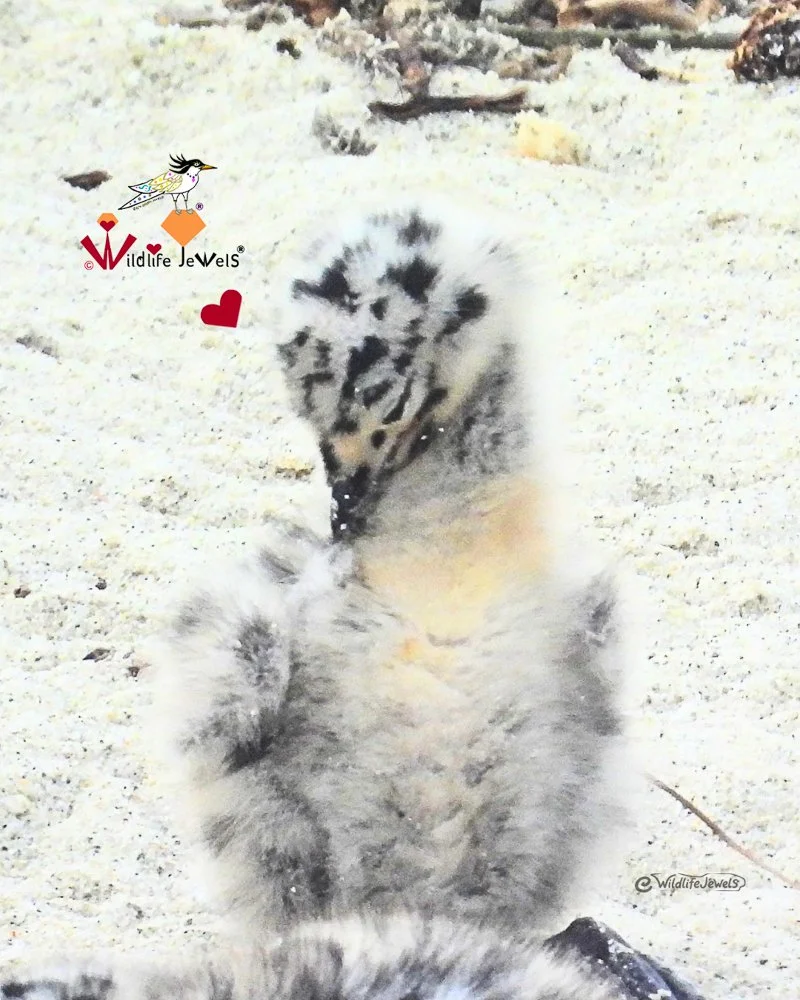
Meet Opal the Western Gull
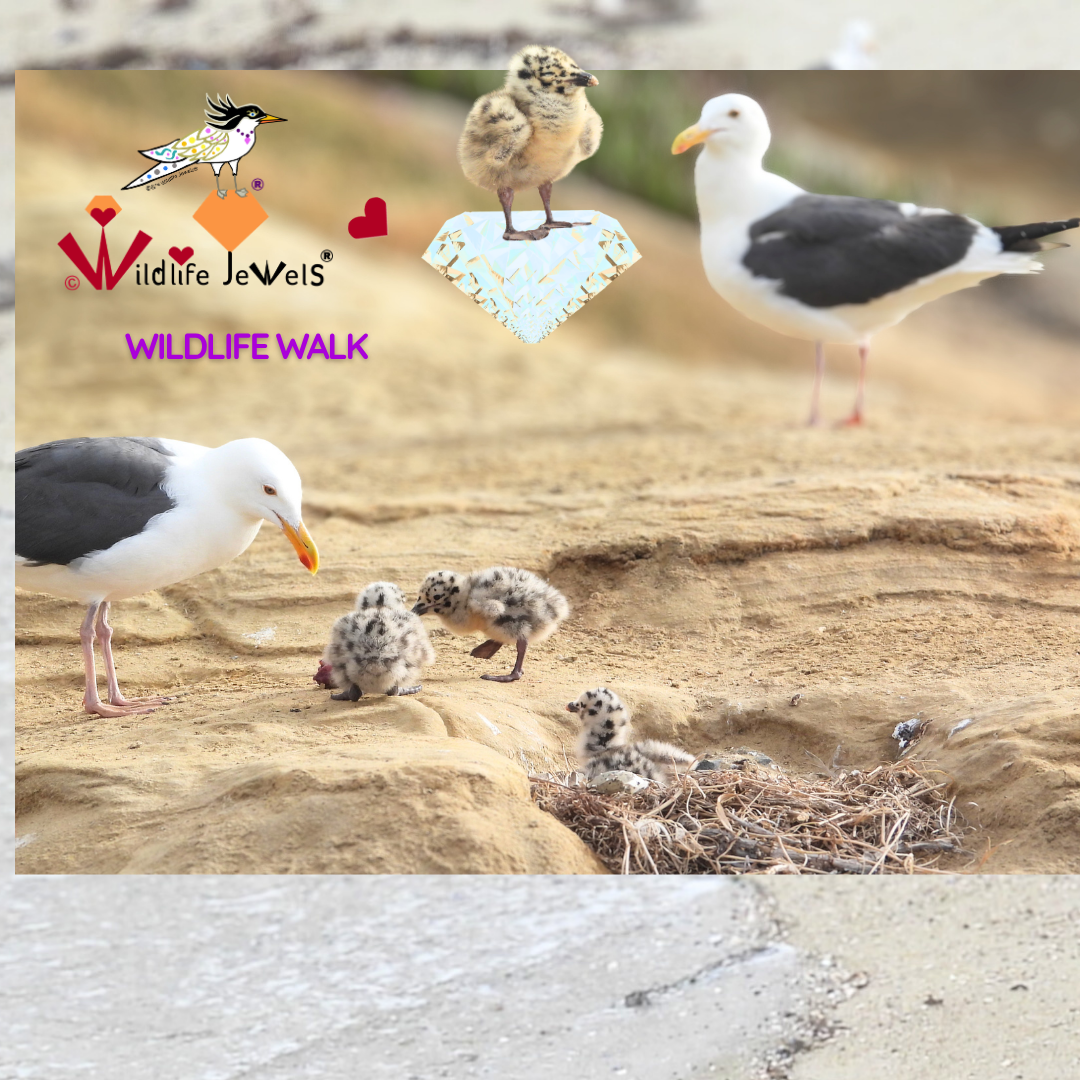
Meet Opal, the Western Gull chick, when she was just about a week old. 🤍
We’ve spent countless hours in the field observing and helping protect Opal and her family since she was still an egg. This photograph was taken in June 2026. 💜
Watching Opal grow from a tiny chick into the beautiful fledgling she is today has been incredibly special—and a reminder of why every effort to protect vulnerable wildlife matters.
Opal is now one of the precious wild lives featured in our Jewels of La Jolla educational art collection, celebrating the remarkable wildlife that makes this coastline so magical. ✨
Image: Opal, Western Gull chick, June 2026, La Jolla, CA. © Wildlife Jewels® | Photo by Azi Sharif
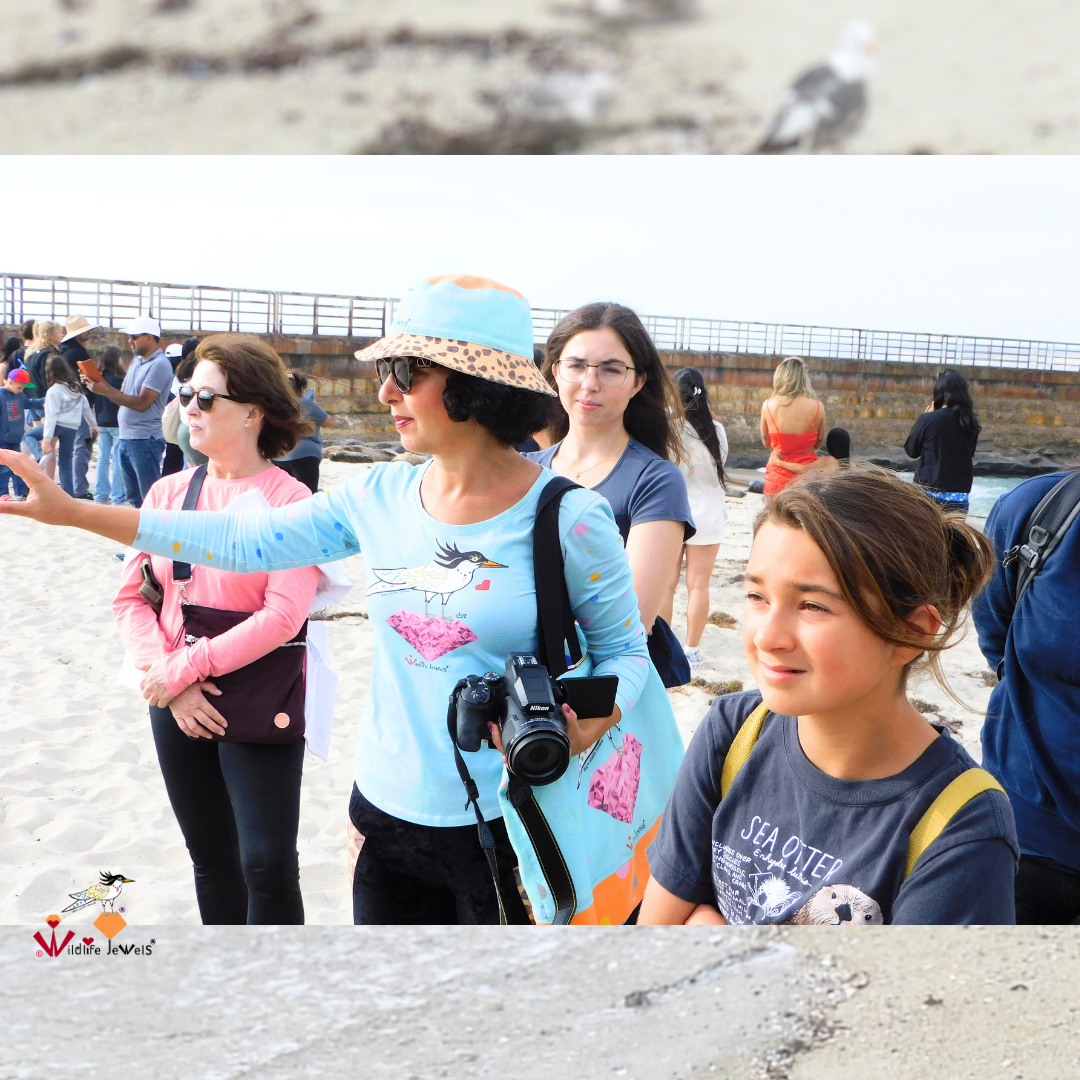
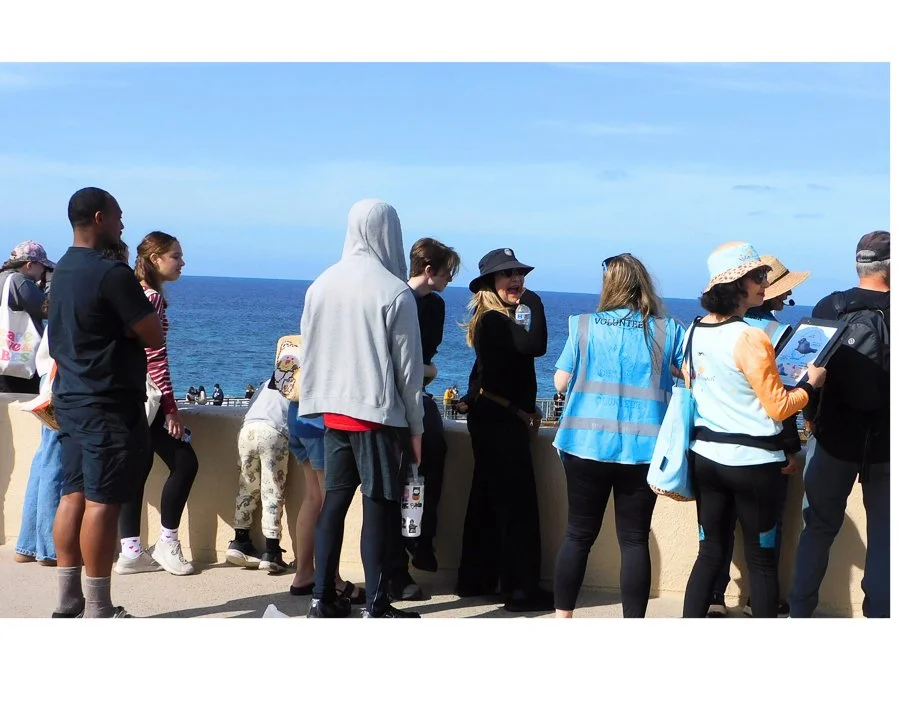
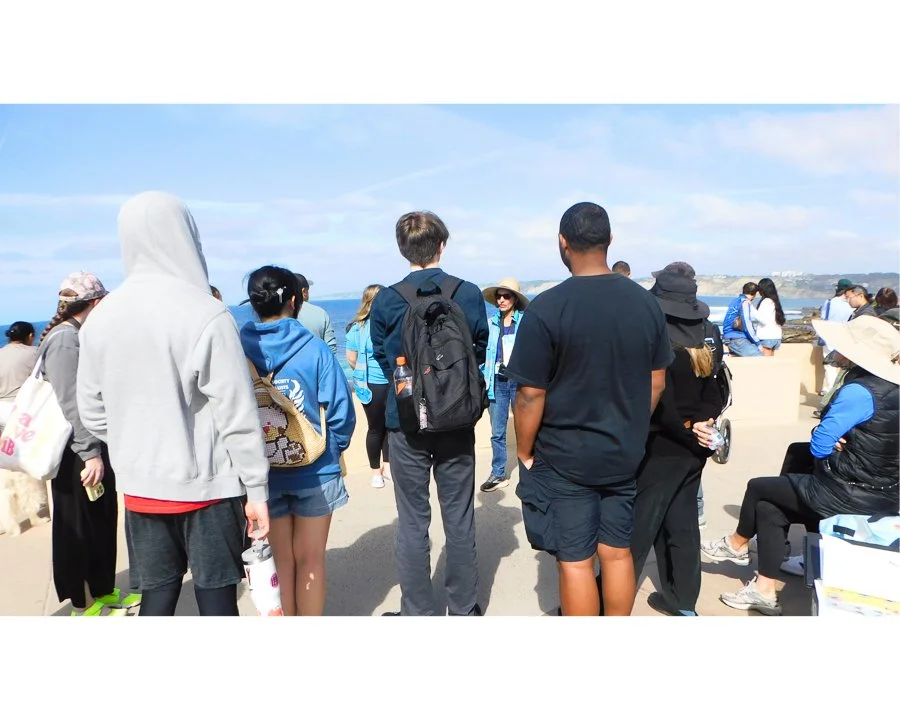
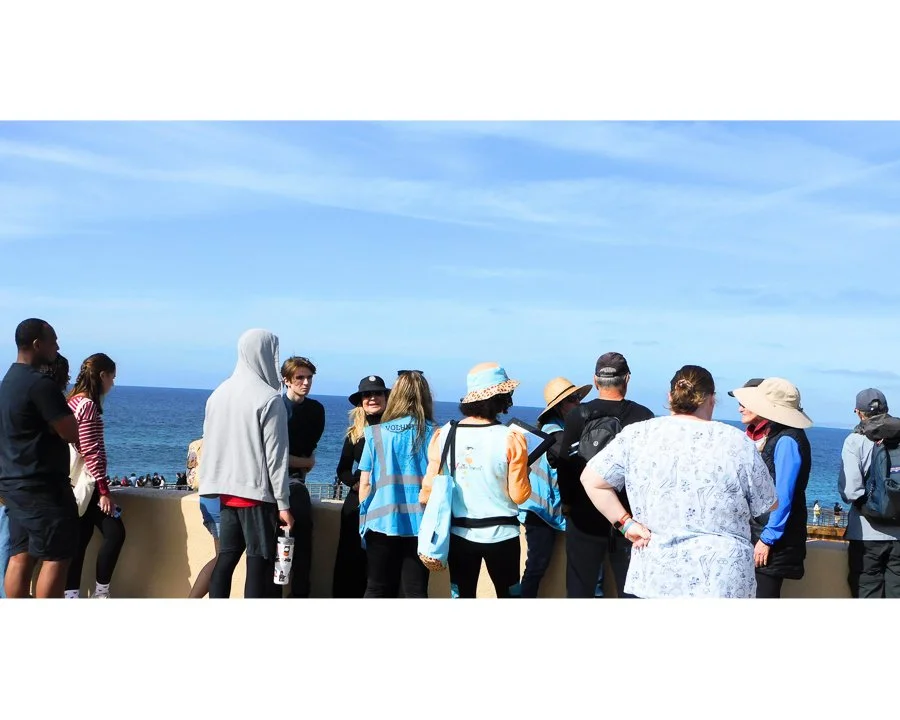
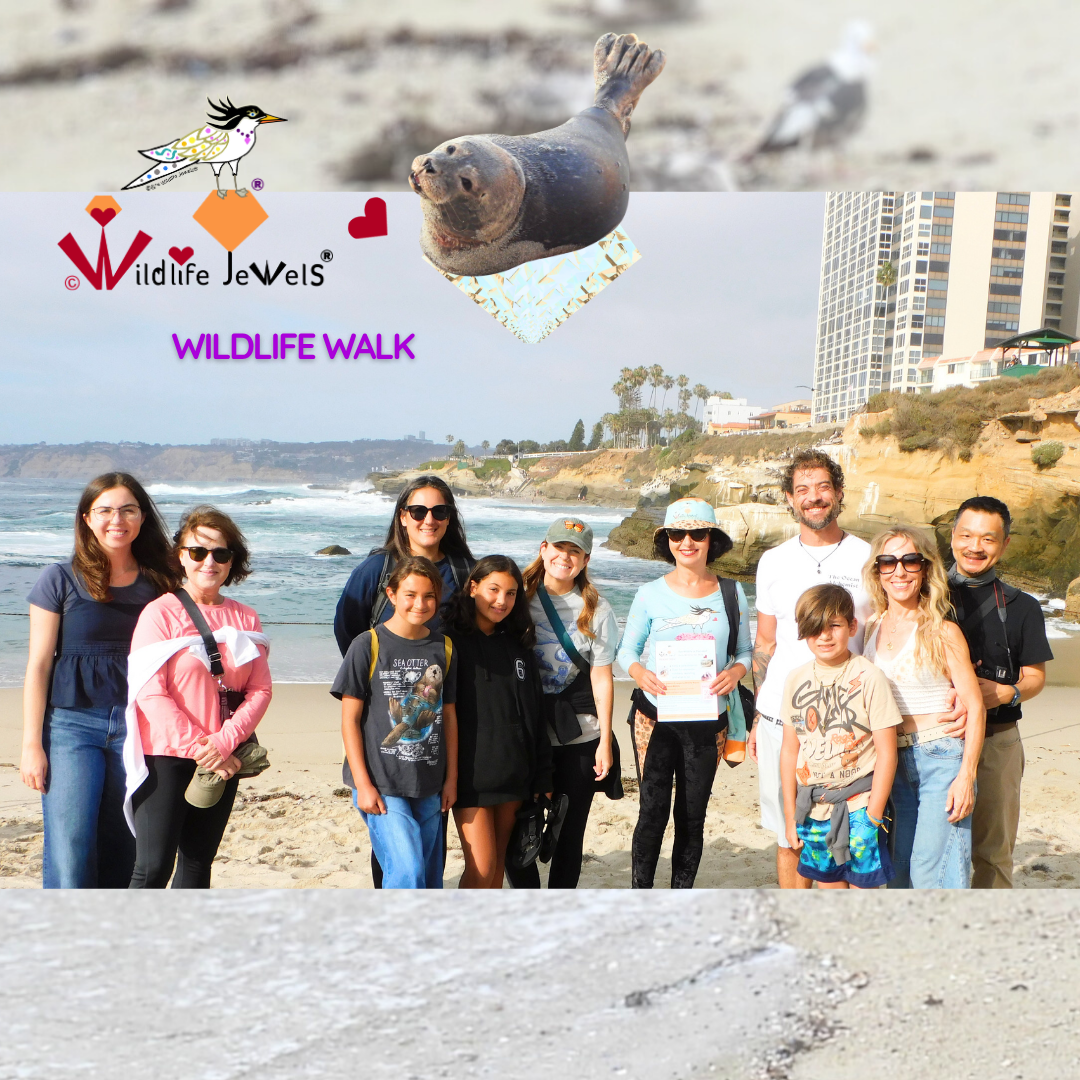
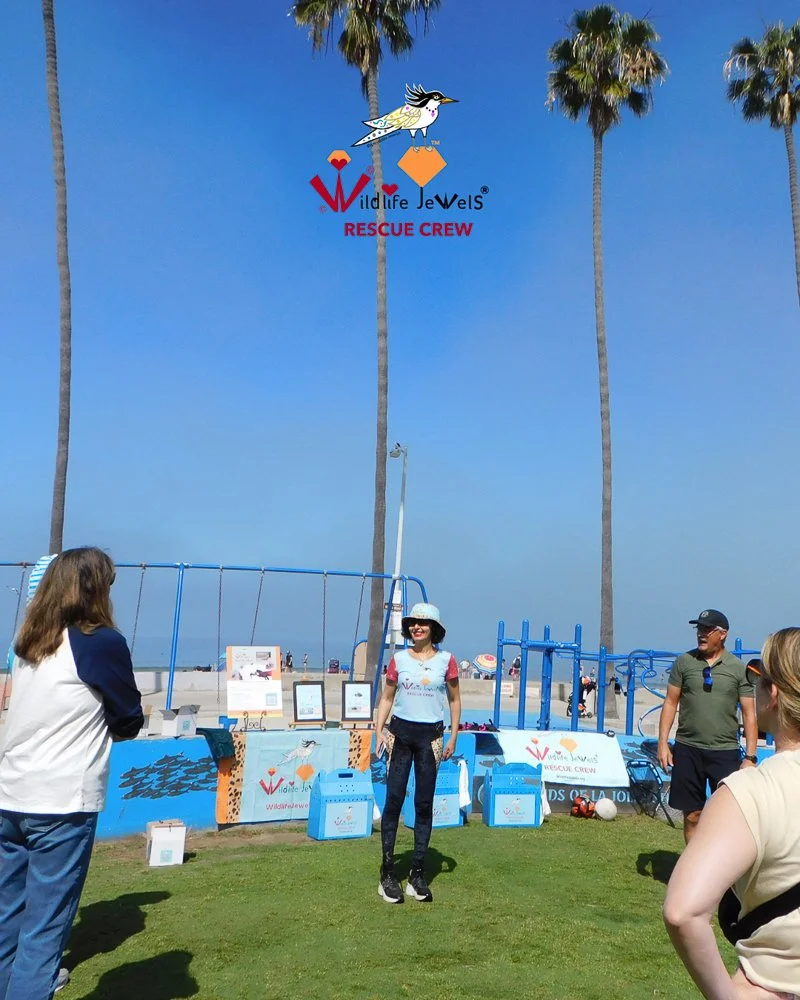
Wildlife Jewels’ World Ocean Day Wildlife Walk, La Jolla
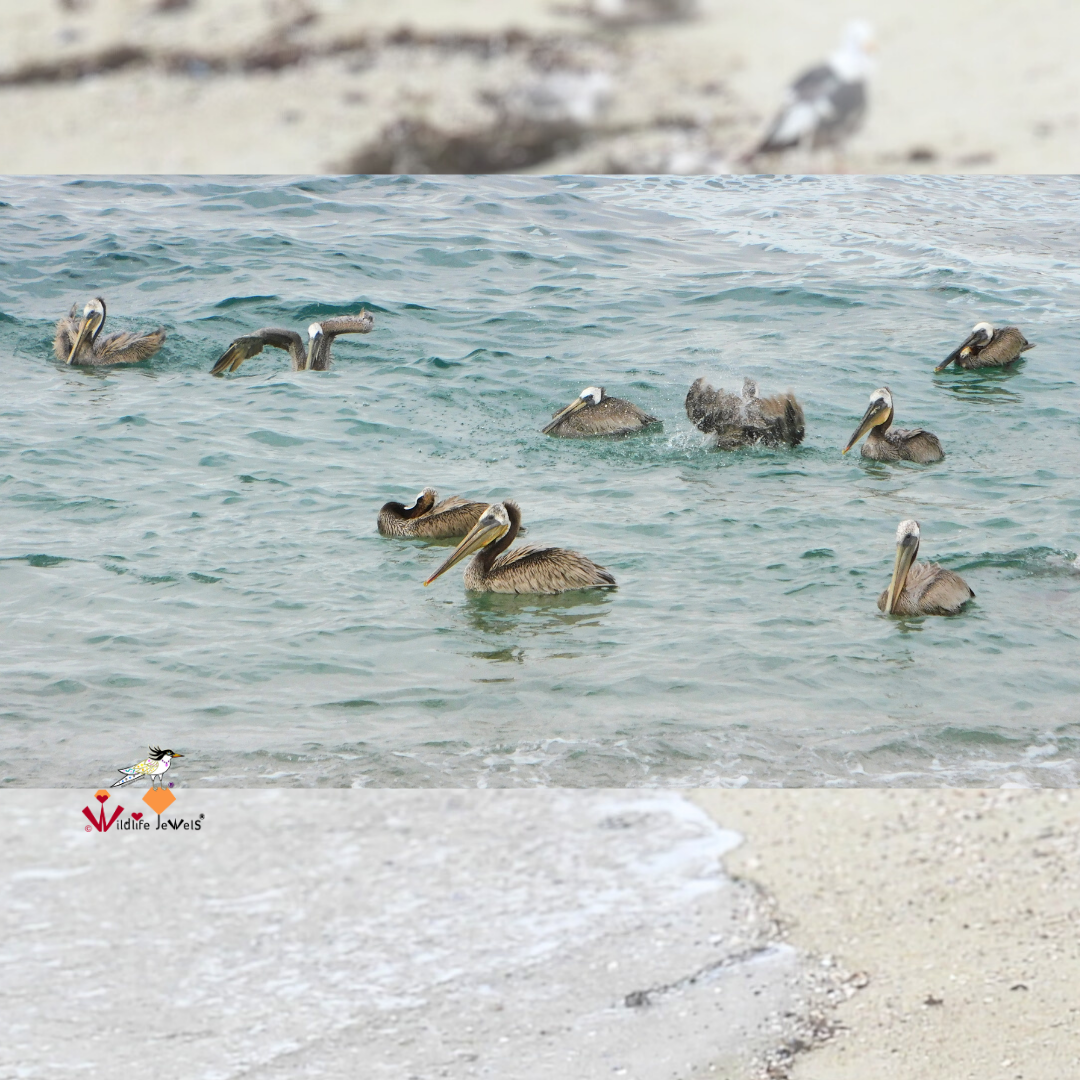
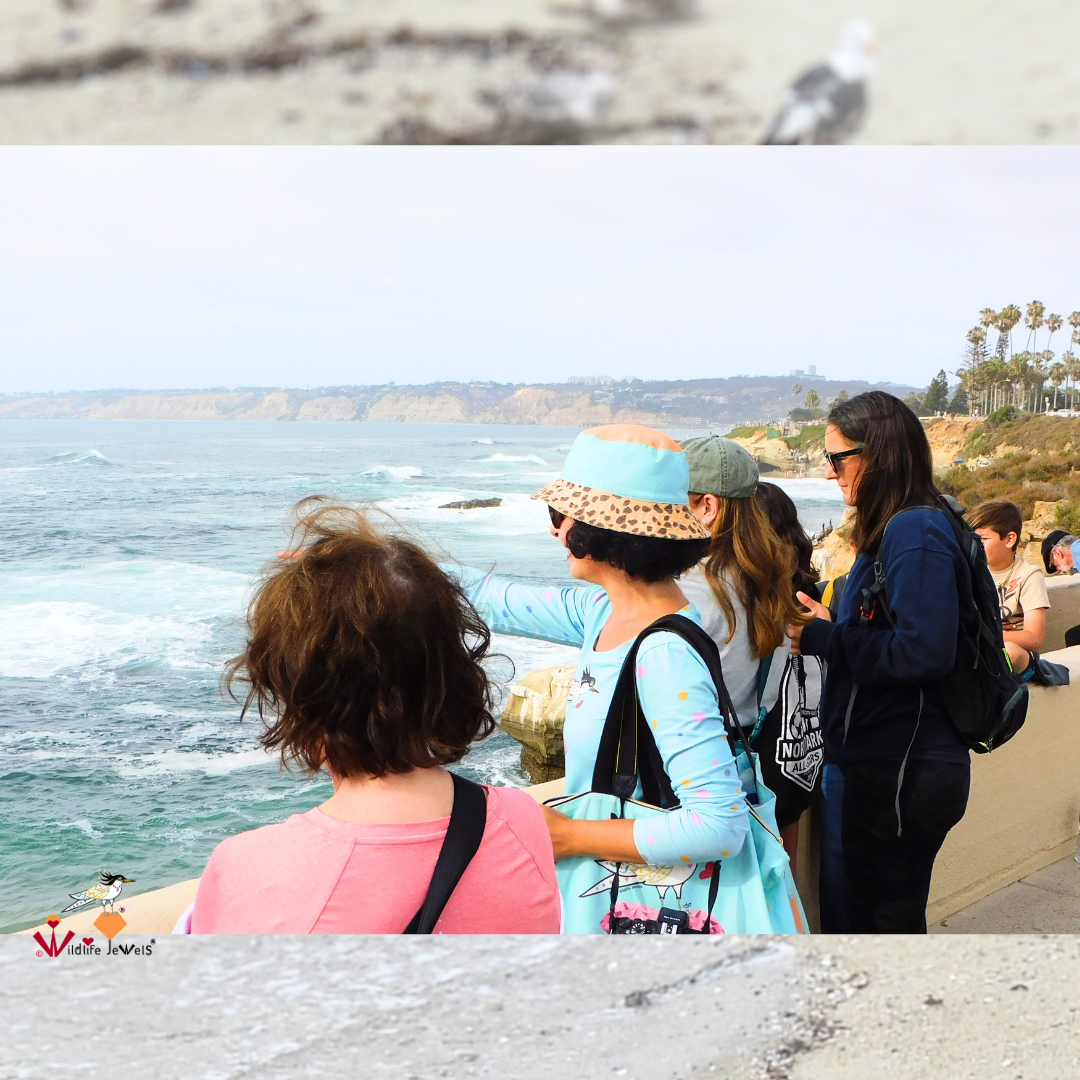
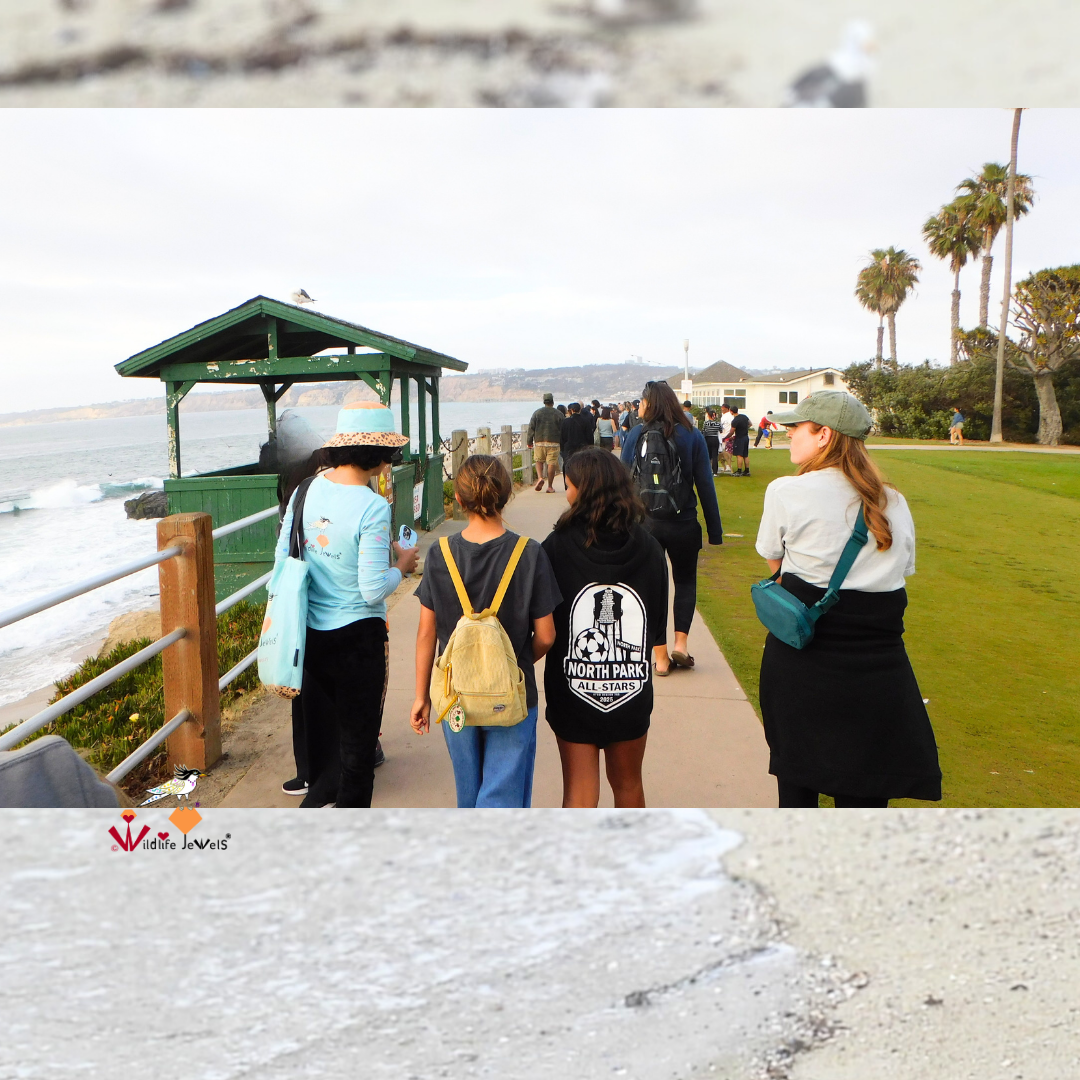
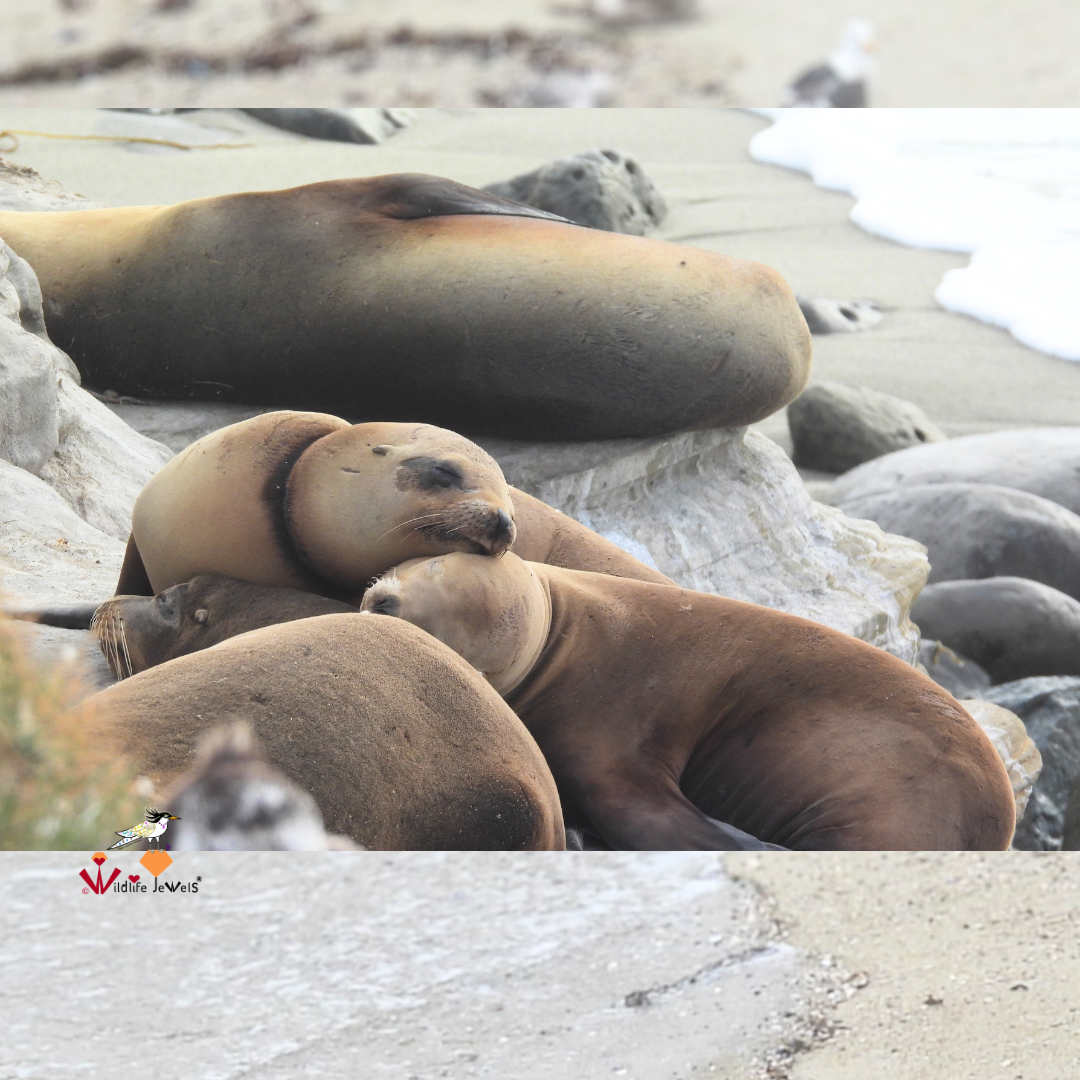
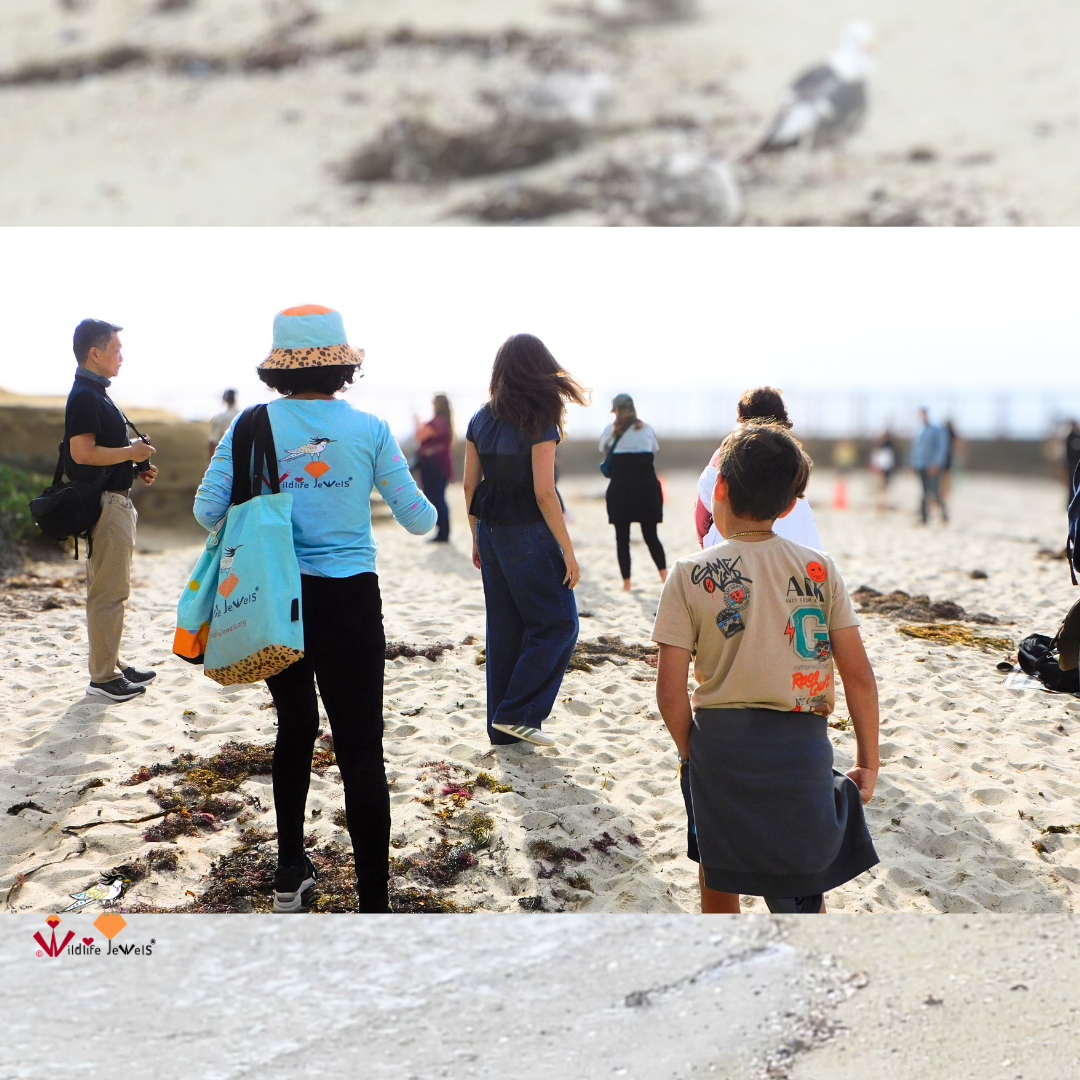
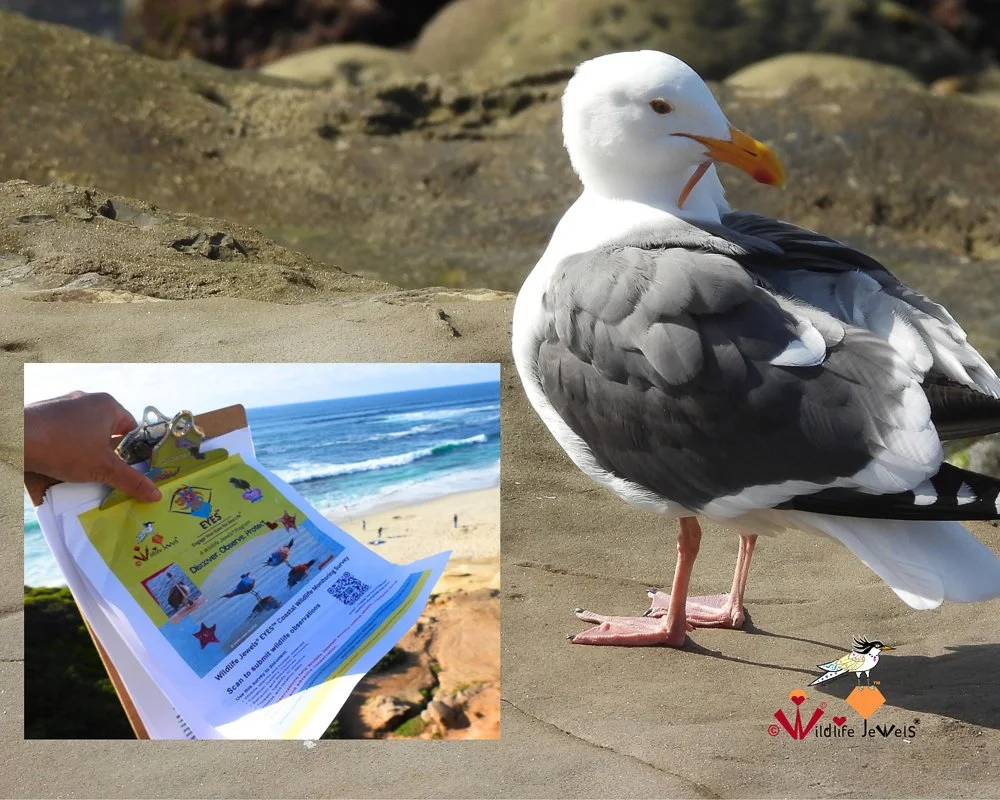
Observed during our EYES™ Field Day with SDSU MEBSA students: a Western Gull with a concerning beak injury—highlighting the importance of careful observation and reporting.
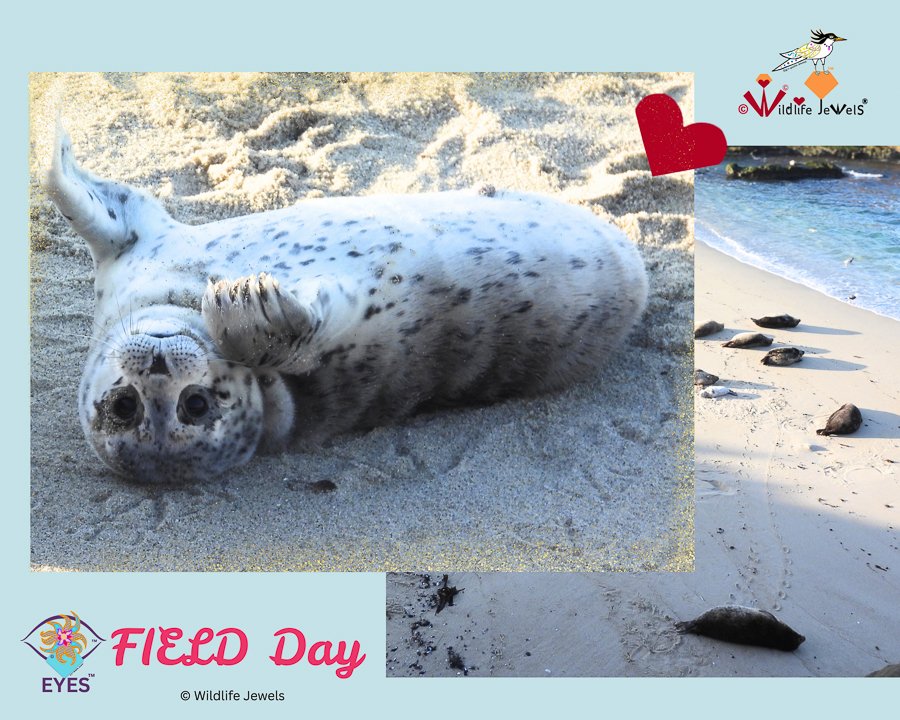
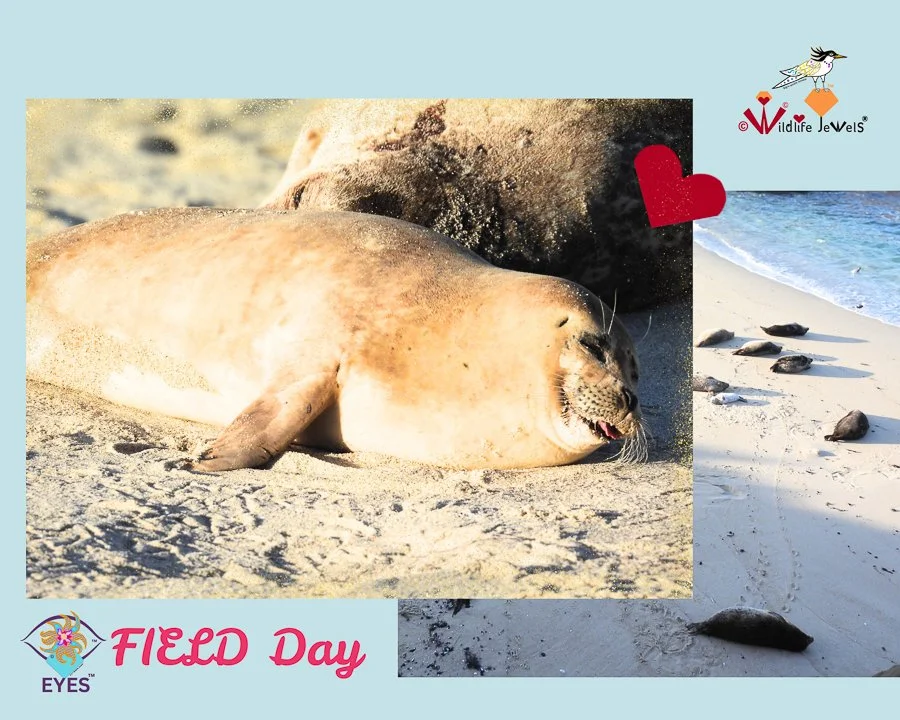
👀 Join EYES™ (Engage Your Eyes for Sea Life)
Become part of our coastal wildlife monitoring community—learn what to look for, how to observe responsibly, and how to report concerns to help keep birds and other coastal wildlife safe.
Learn more at about ways you can protect coastal wildlife at the Wildlife Jewels Resources Page
🛟 Join the Wildlife Jewel Rescue Crew (observation & reporting only)
Help support local wildlife rescue response by assisting with reporting, coordination, and (for trained, permitted volunteers only, transport support when a bird needs help.)
✨ Together, we can turn wildlife observation into action and help protect the magical Jewels that make our coastline so special.
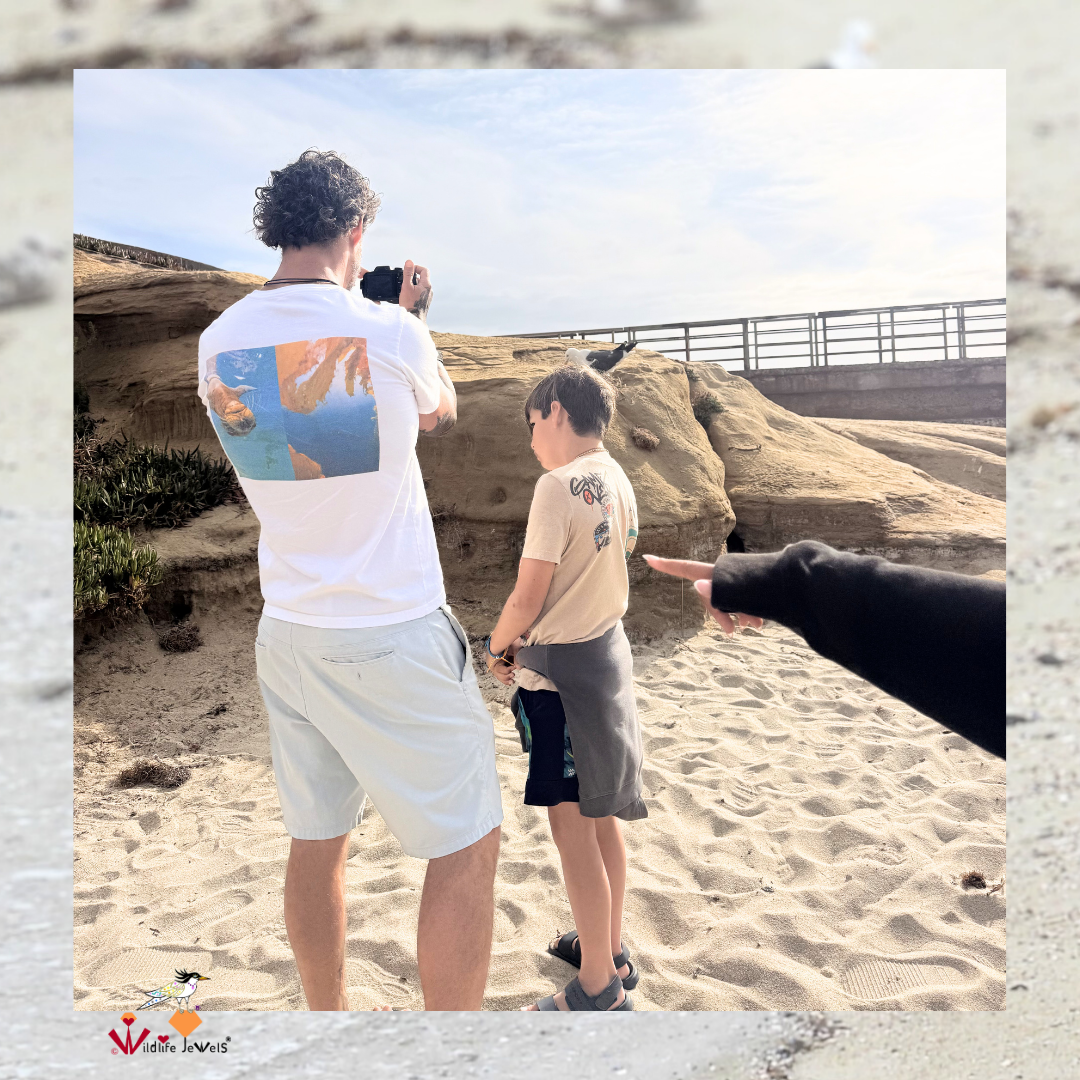
EYES Community BIRD WALK, National Bird Day JANUARY 2026
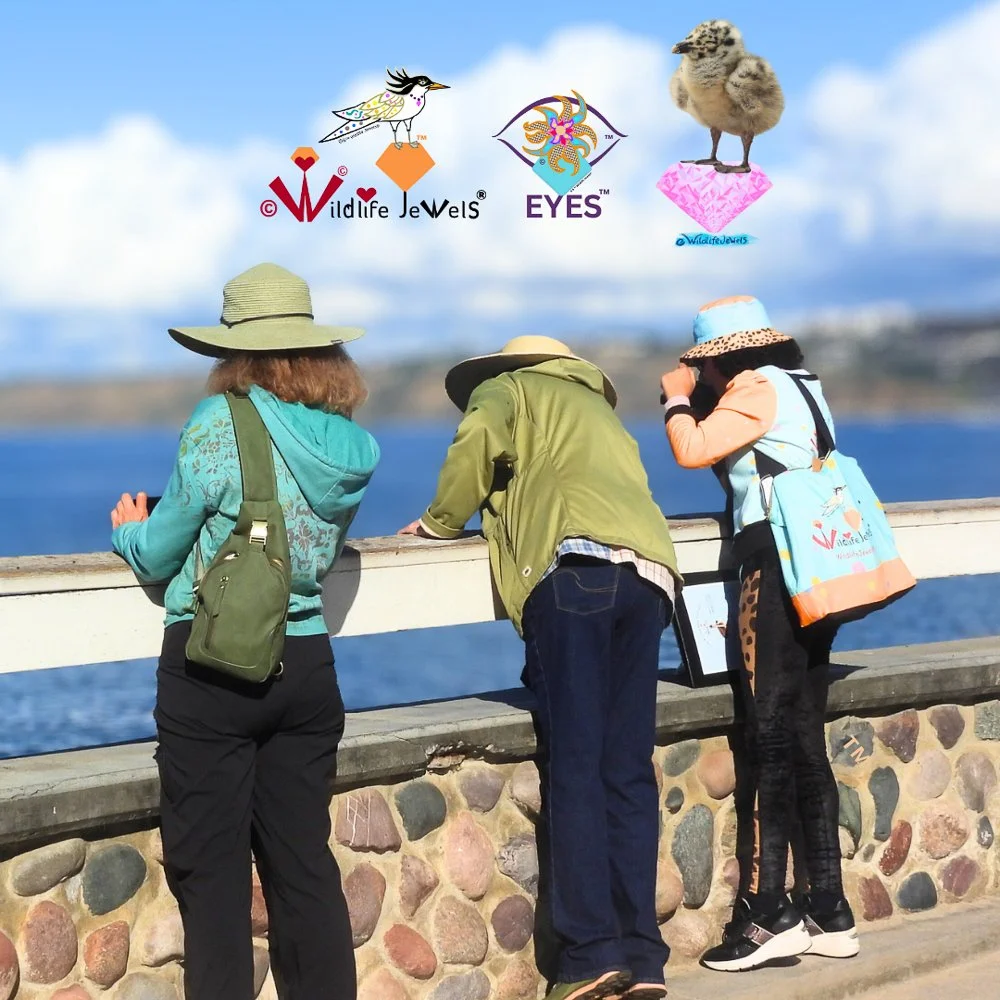
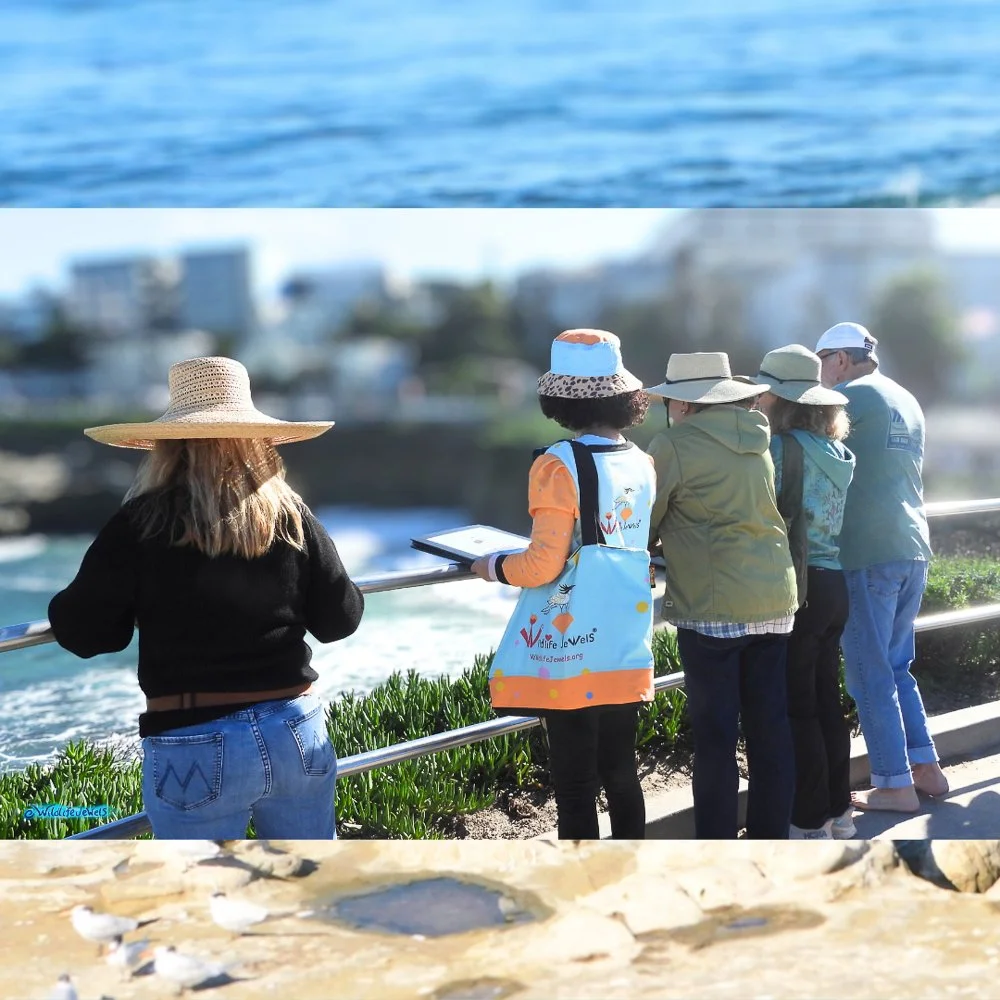
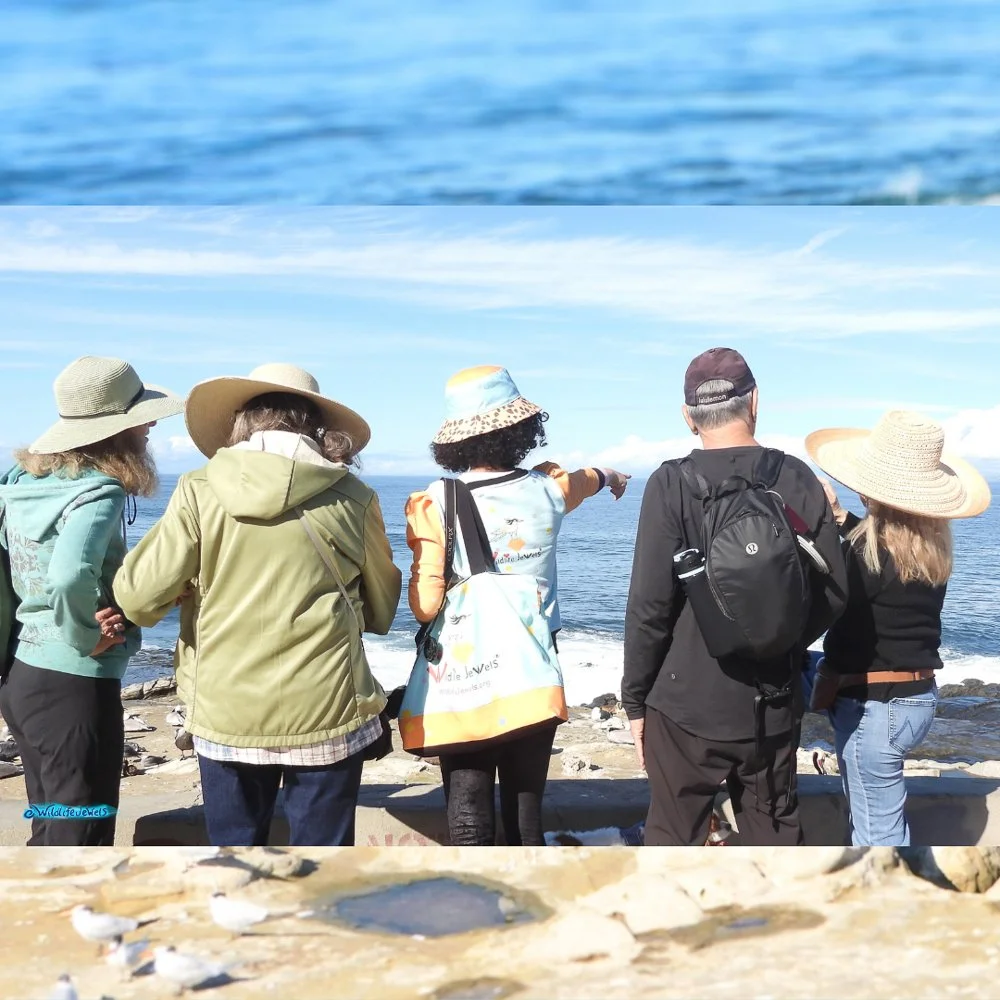
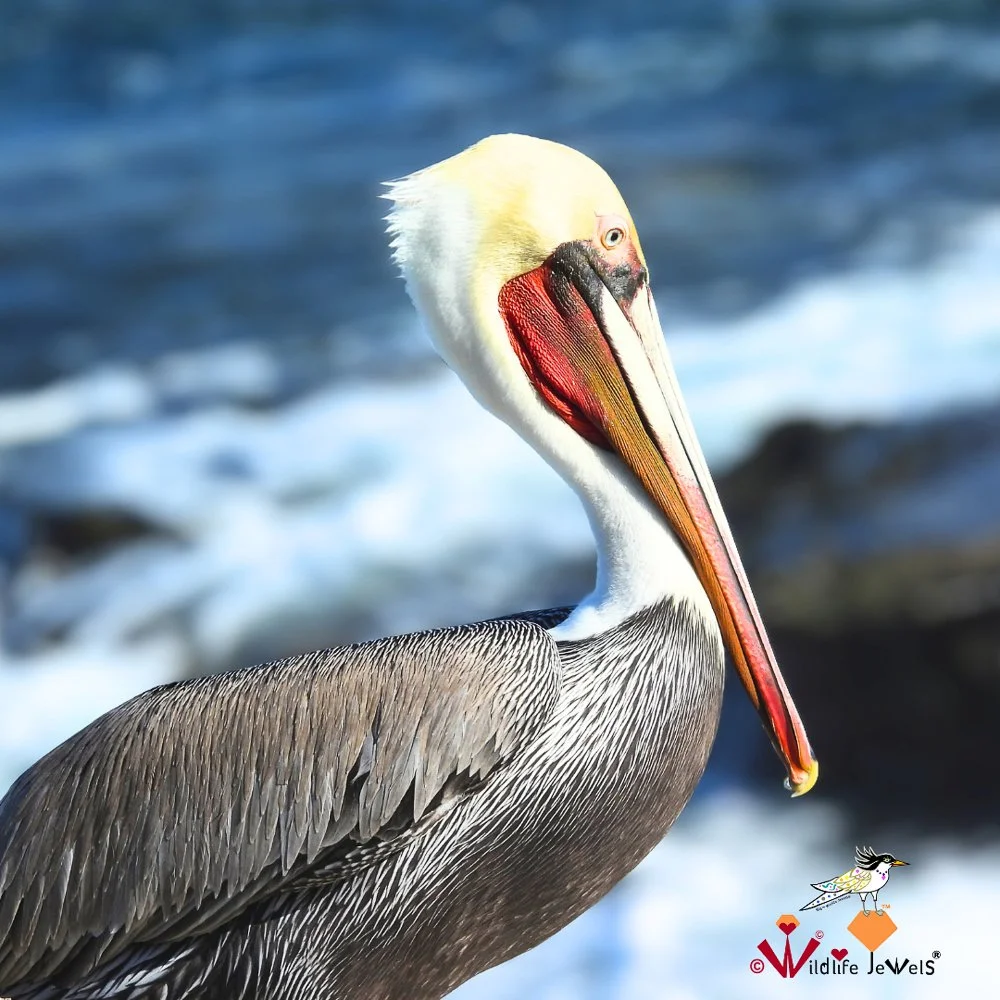
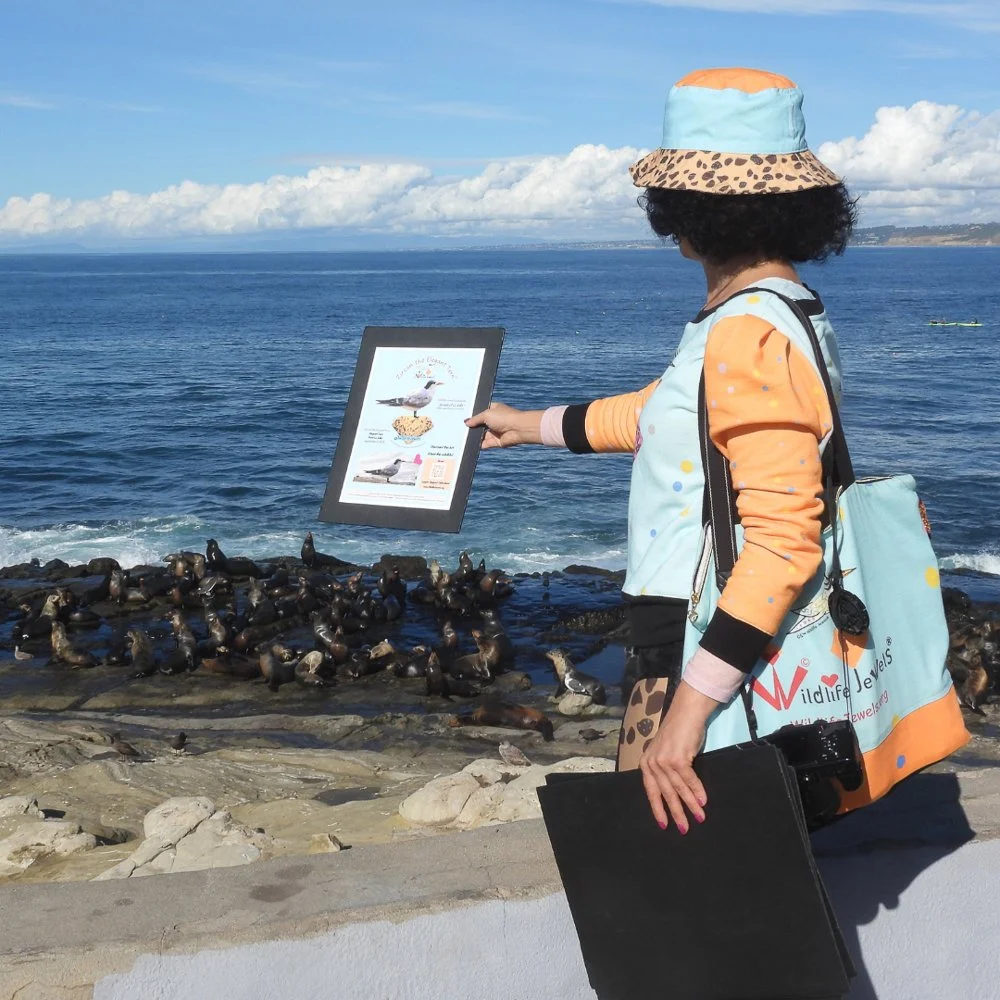
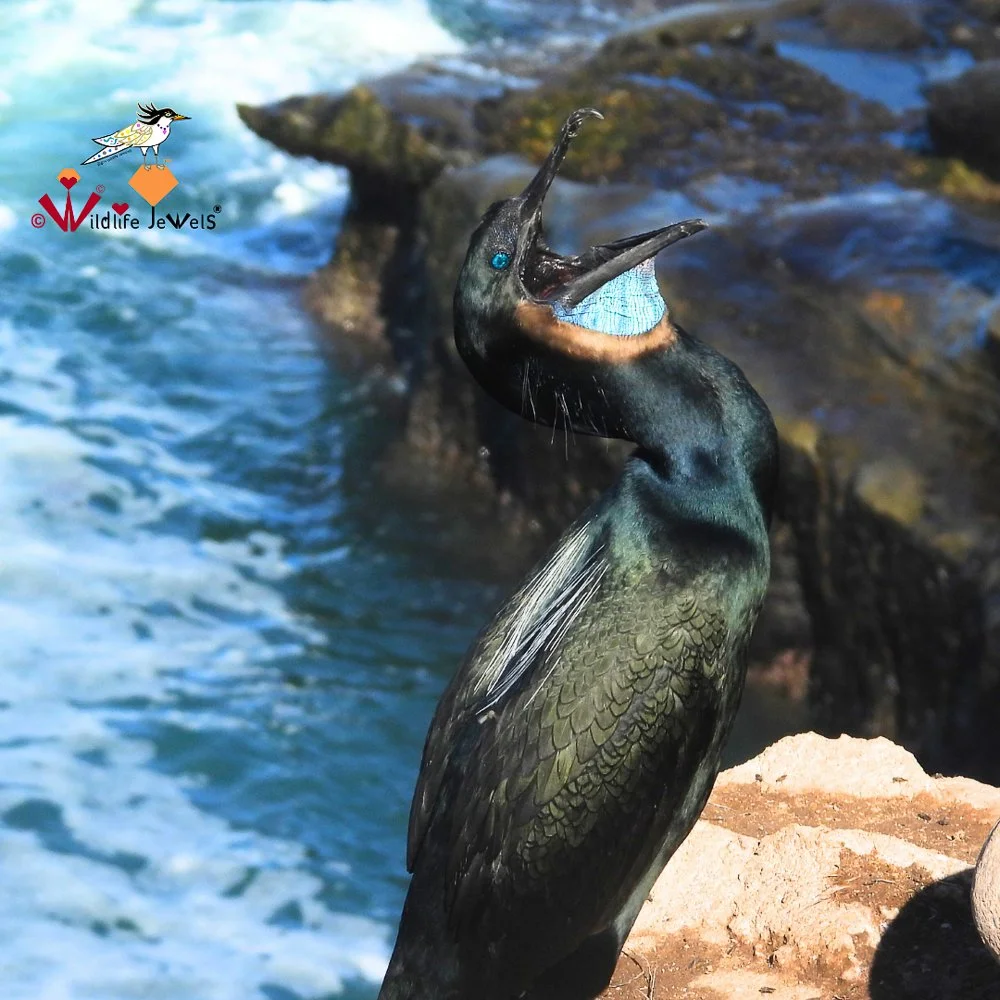
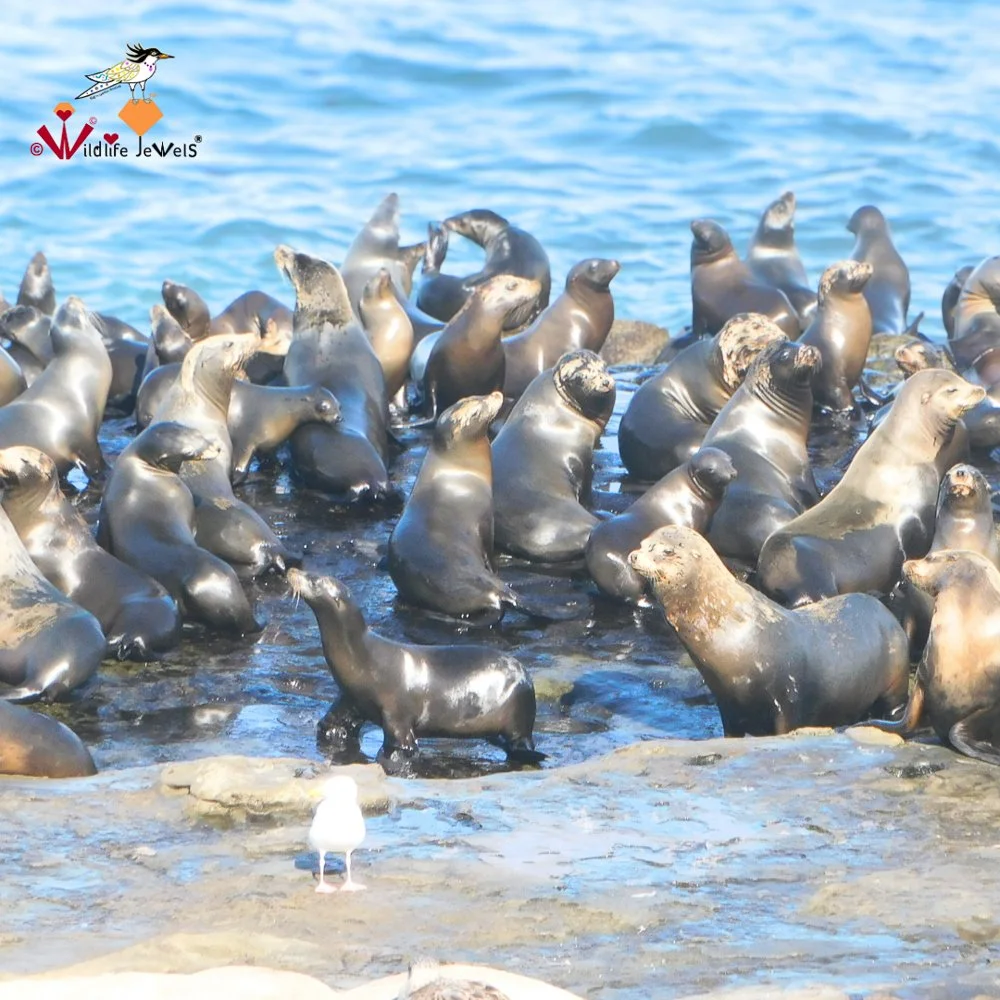
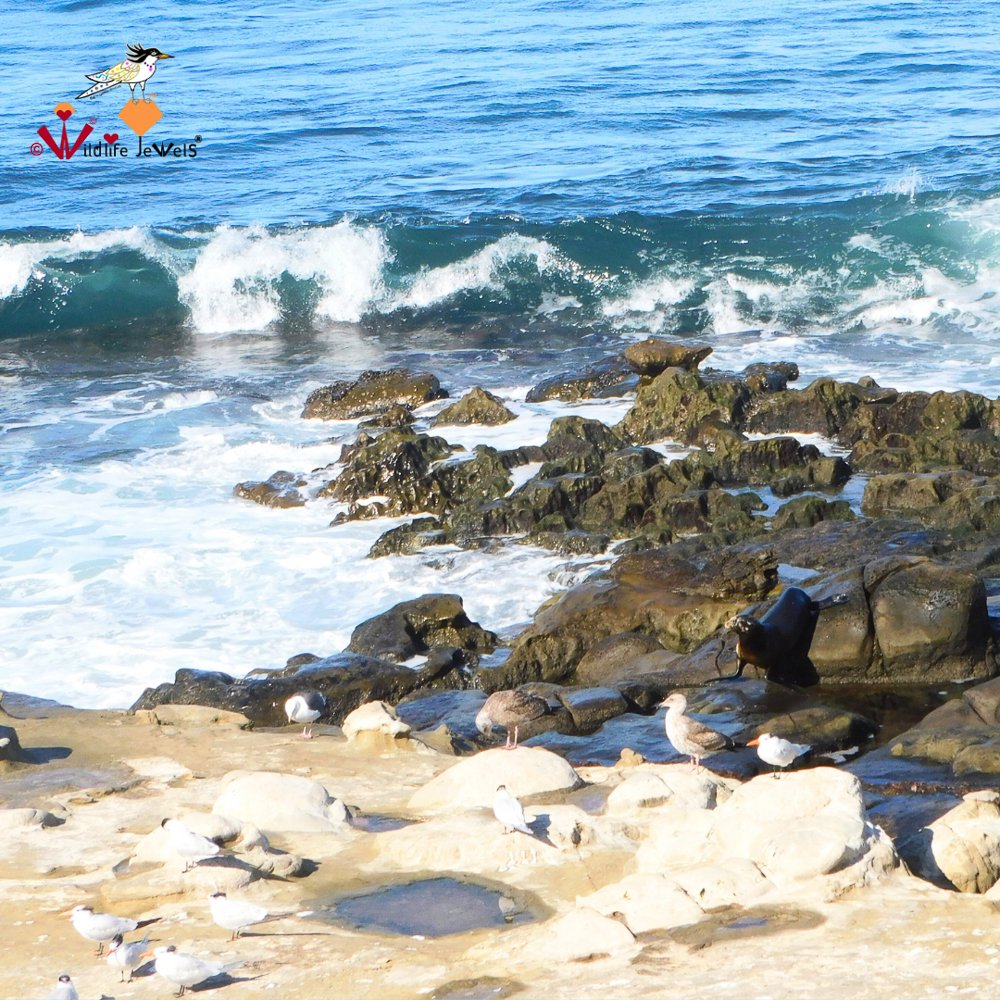
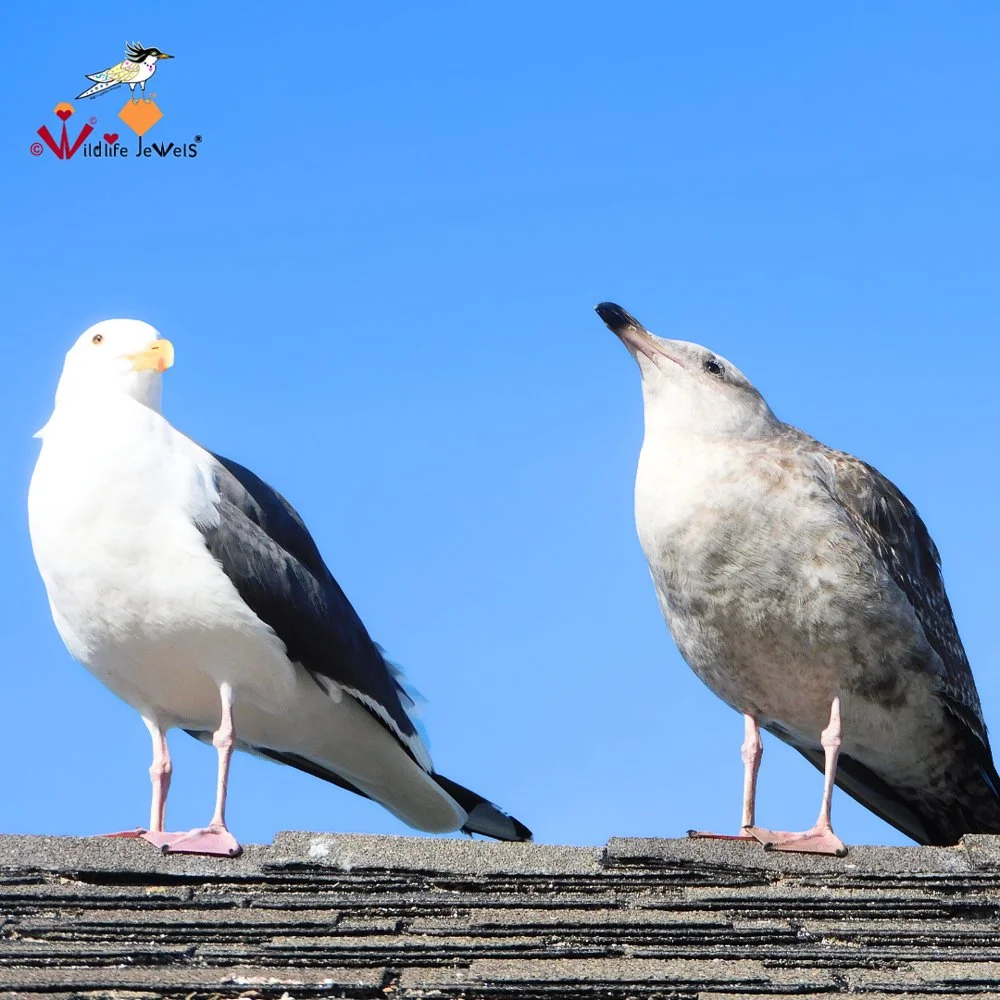
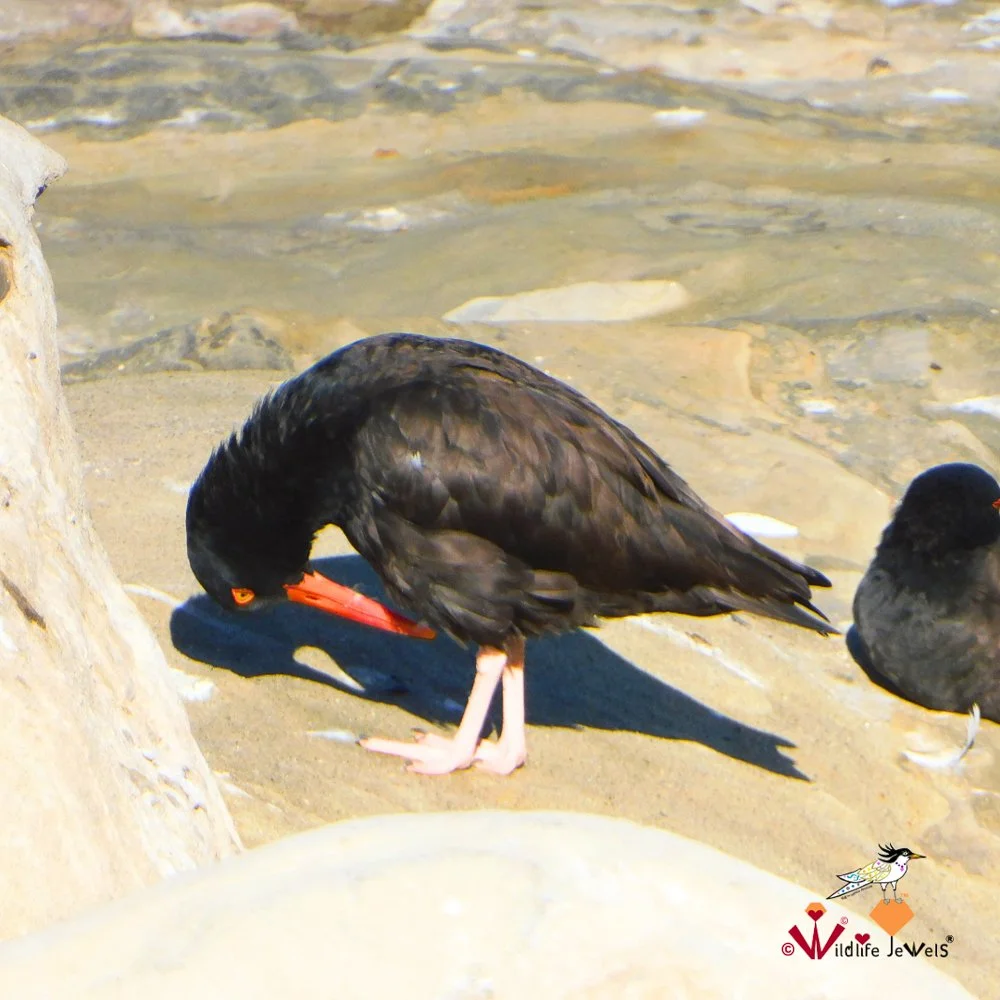
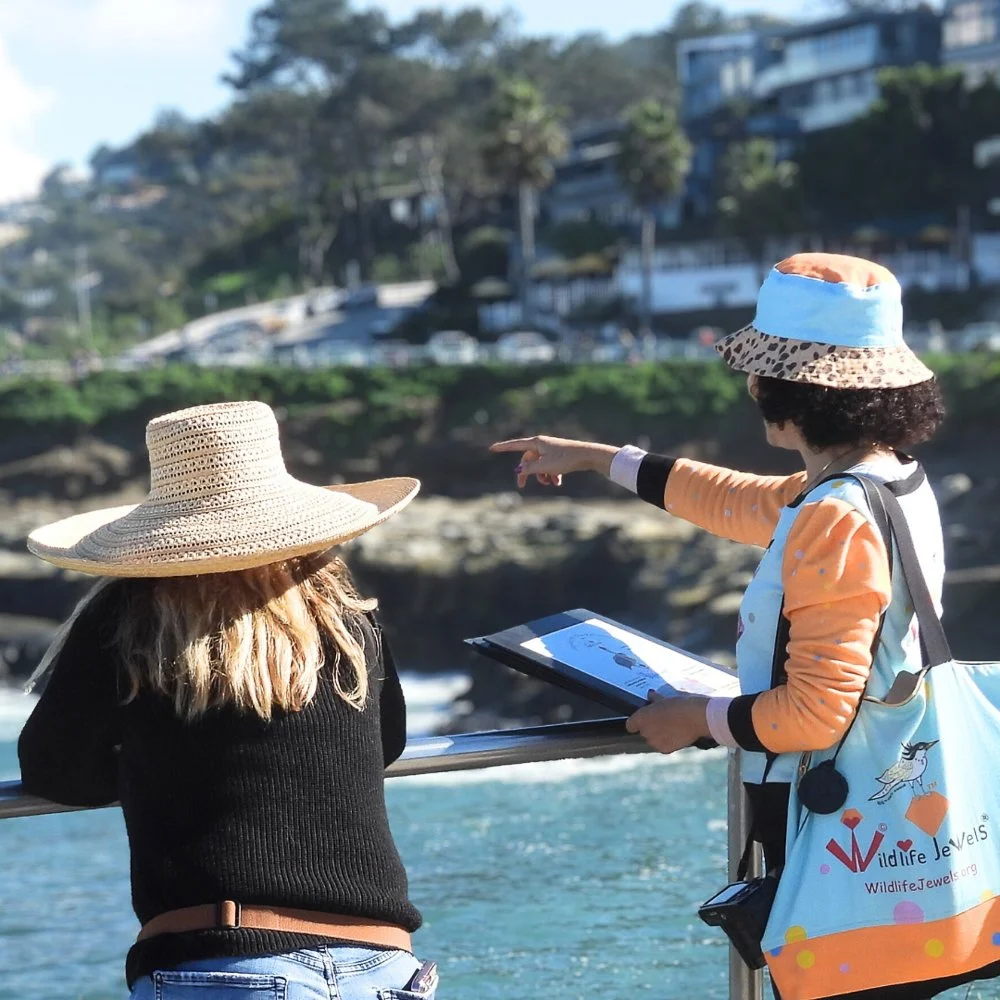
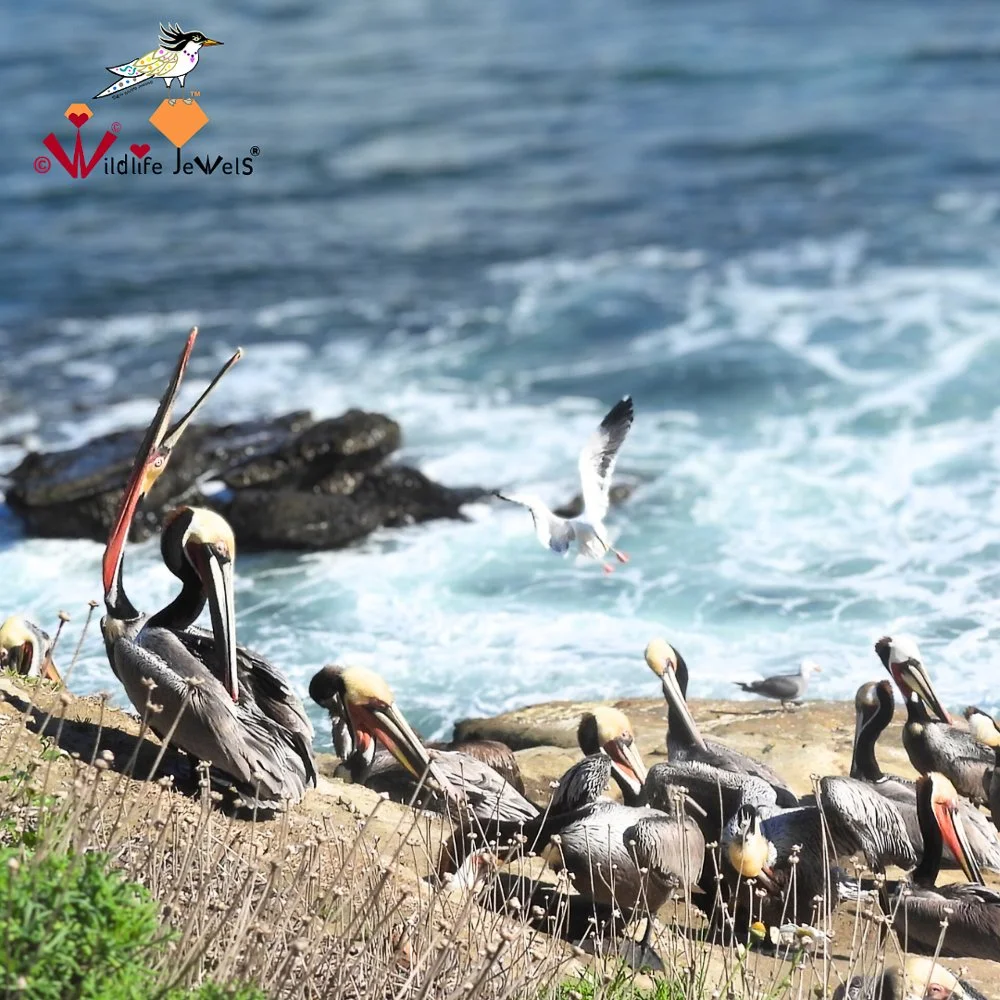
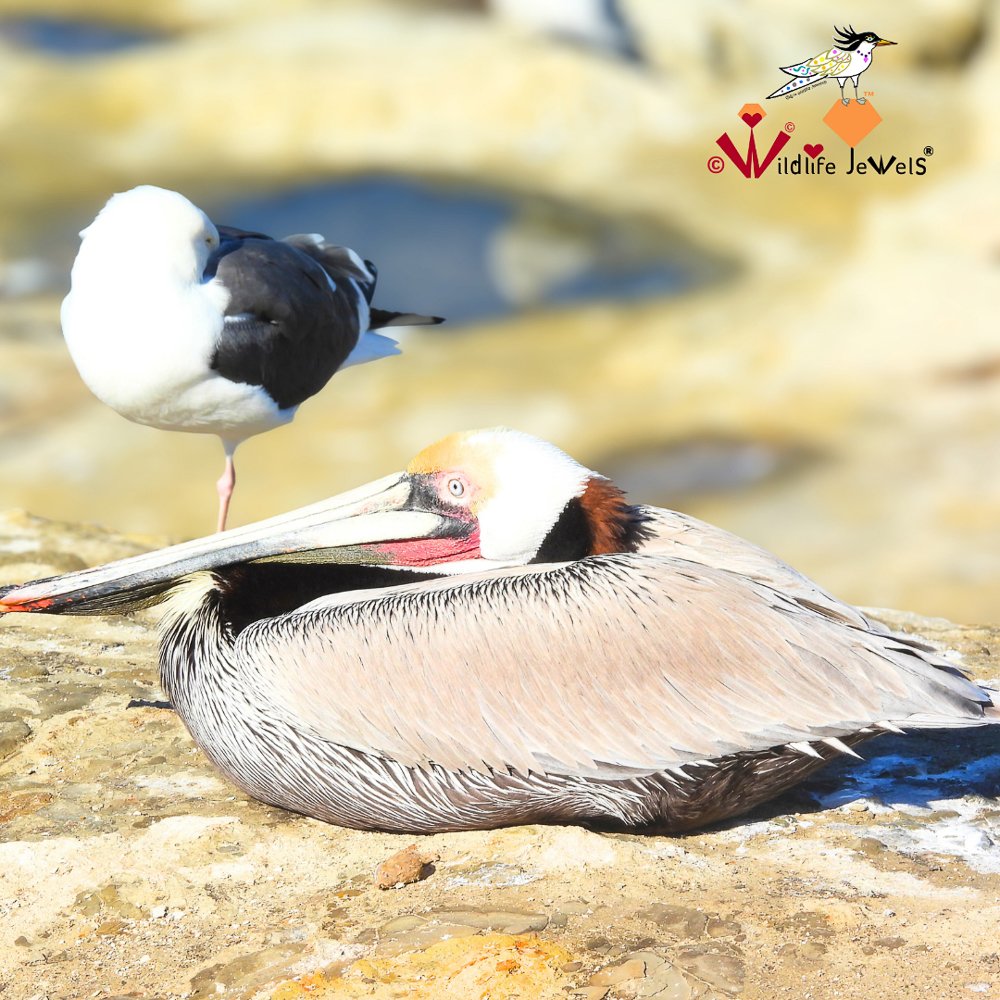
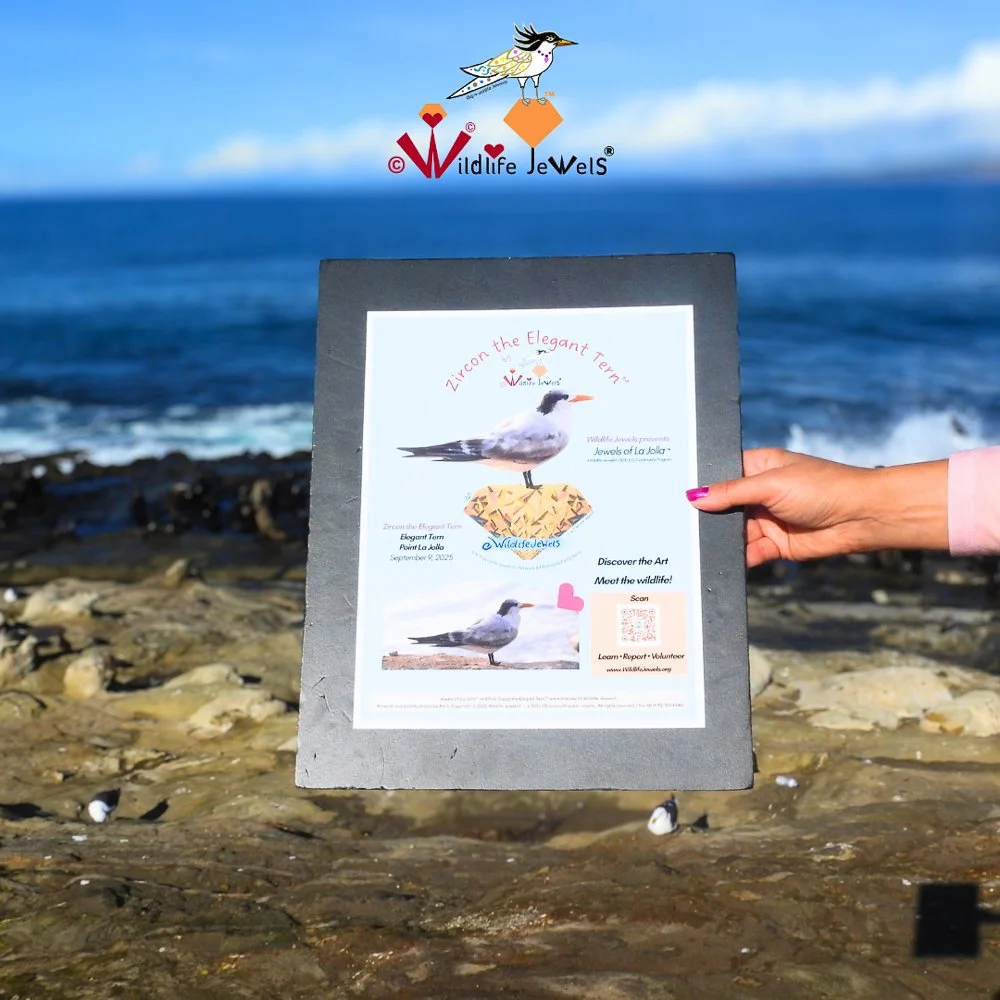
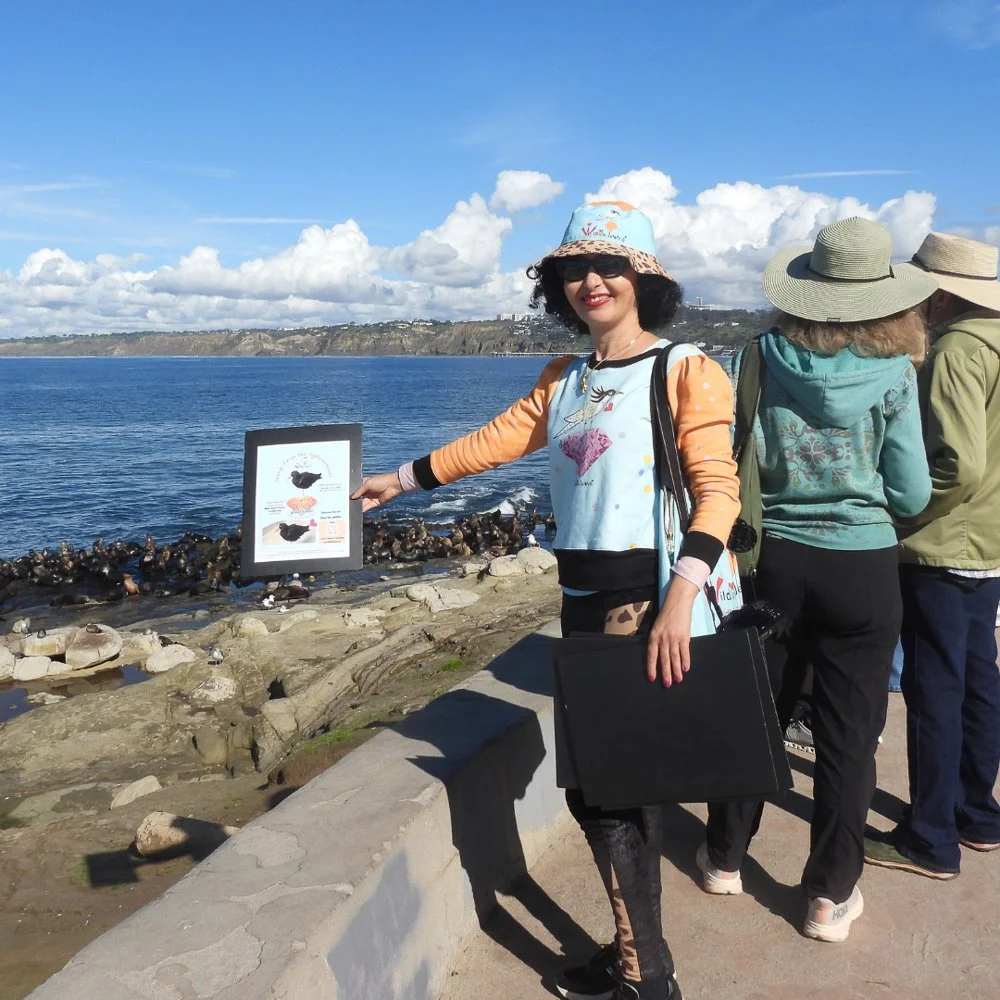
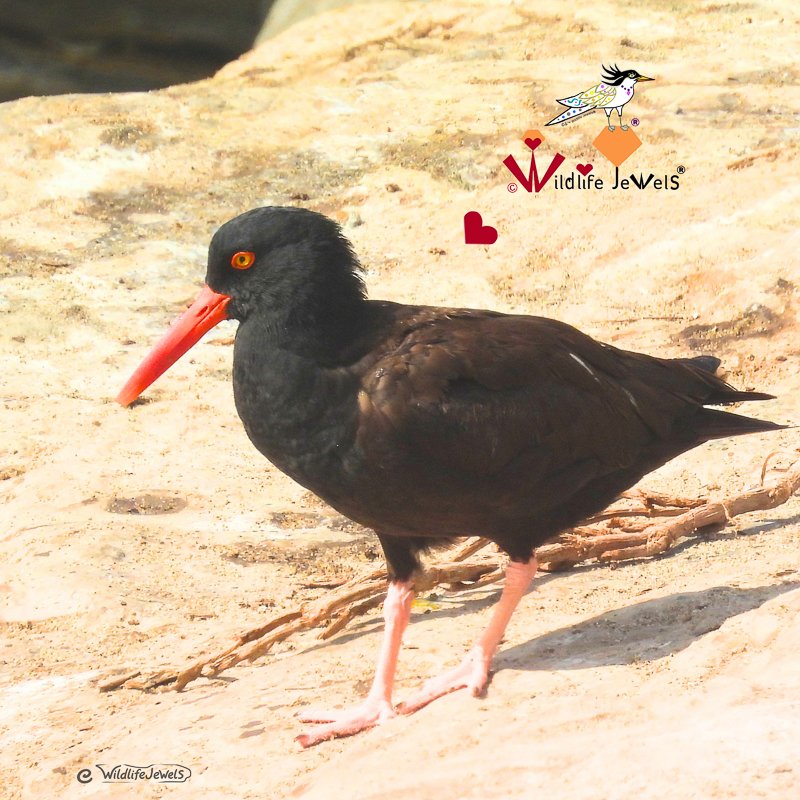
Some of the magical Bird Jewels we had the delight of observing included Brandt’s cormorants with their striking turquoise eyes, the adult California brown pelican with sky-blue eyes and a vibrant red throat pouch, and the majestic Black Oystercatcher with its bold orange bill and eye-ring. We also enjoyed the intelligent, charismatic Western gull, the precious Heermann’s gulls, and the elegance of Royal and Elegant terns, crowned with their distinctive head crests.
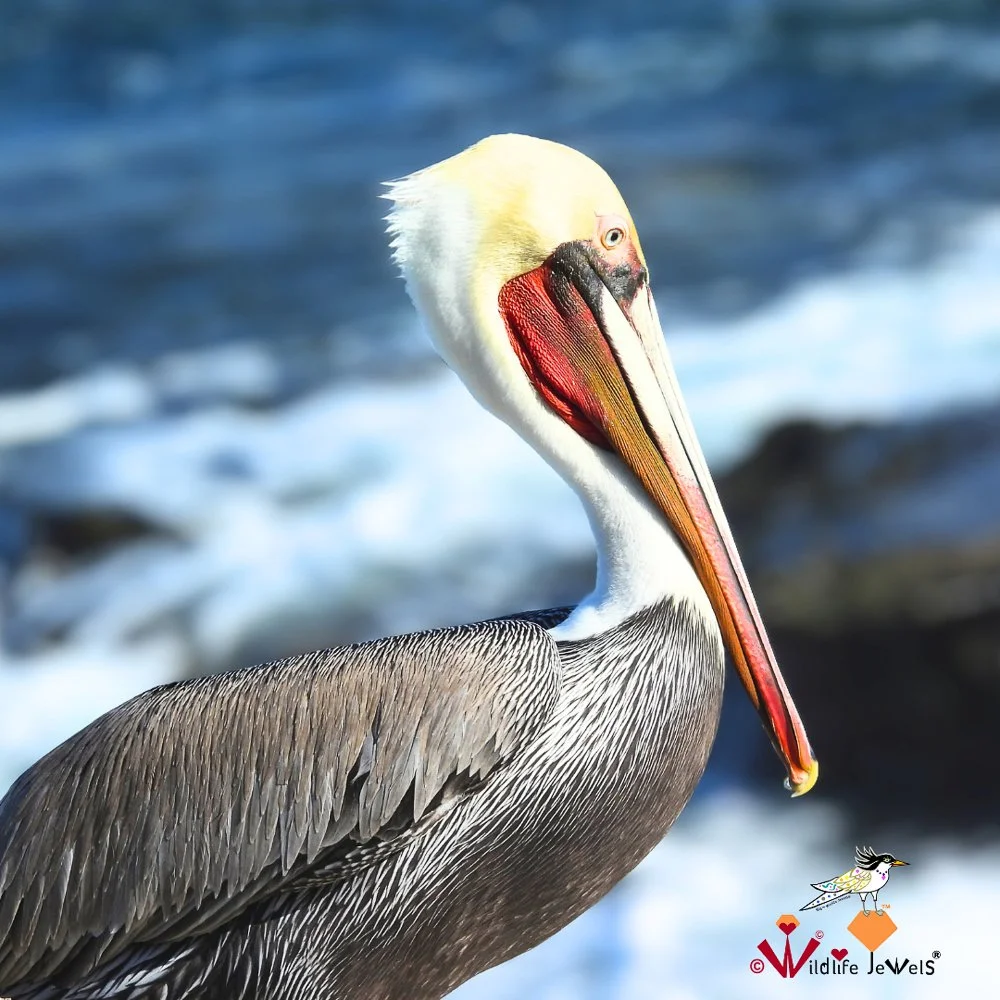
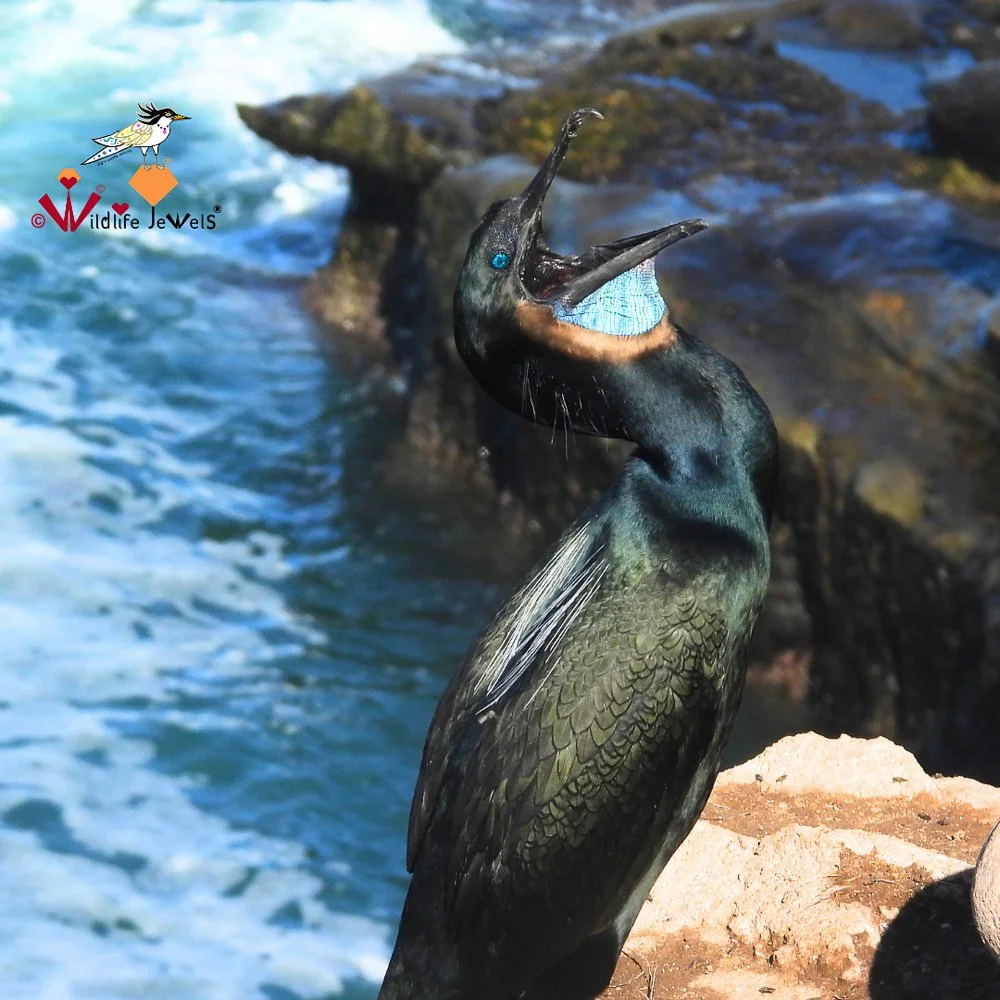
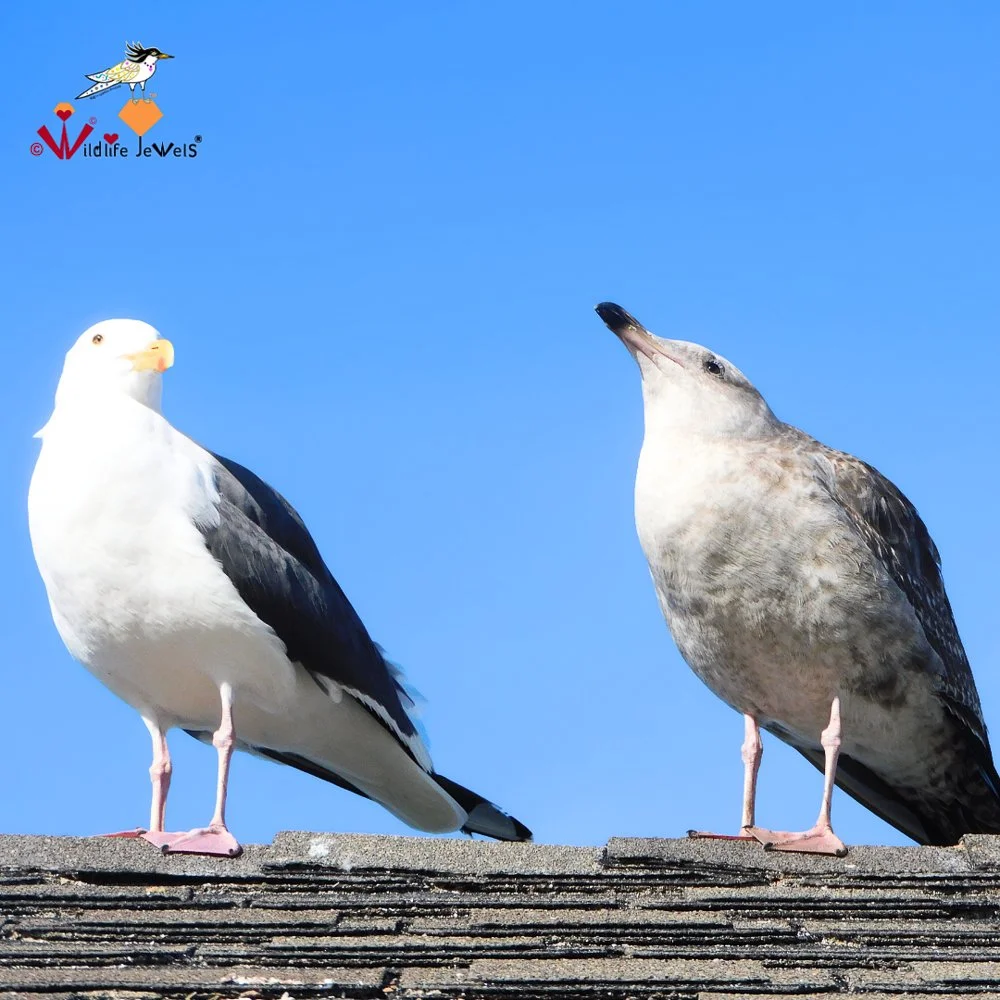
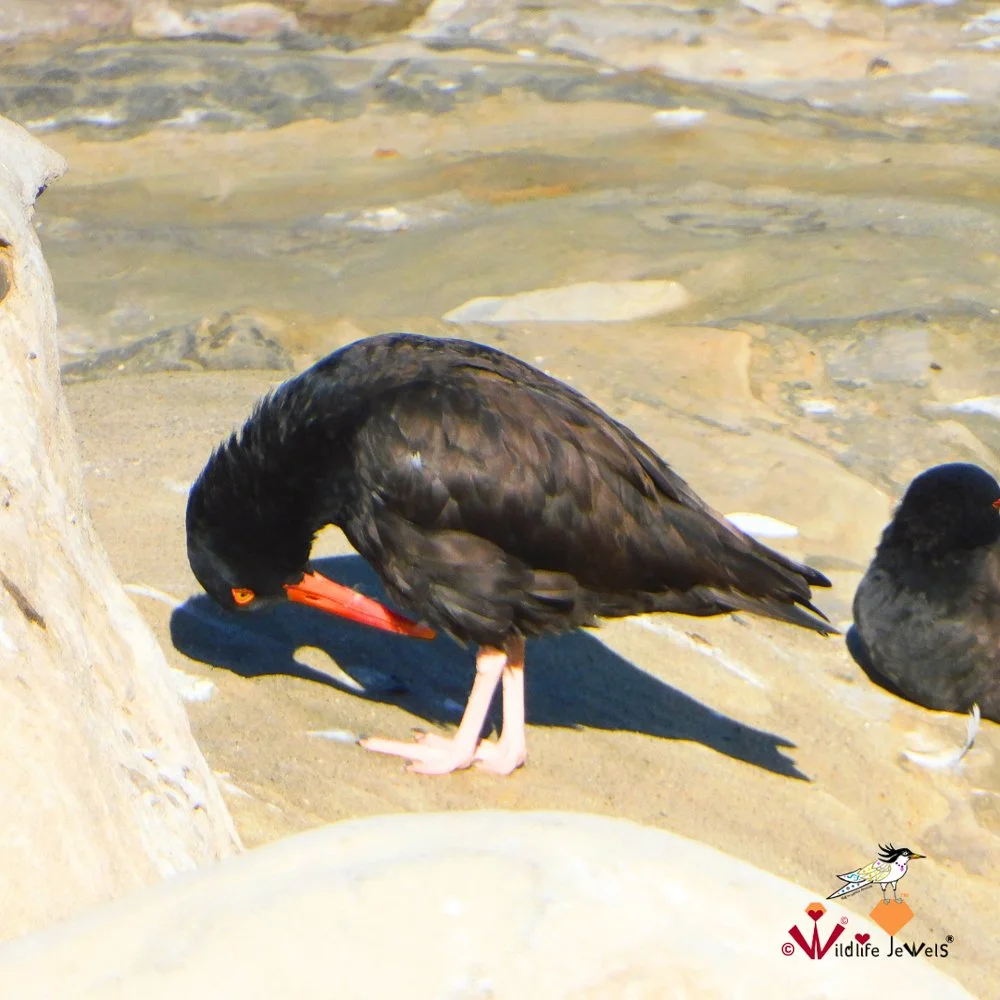
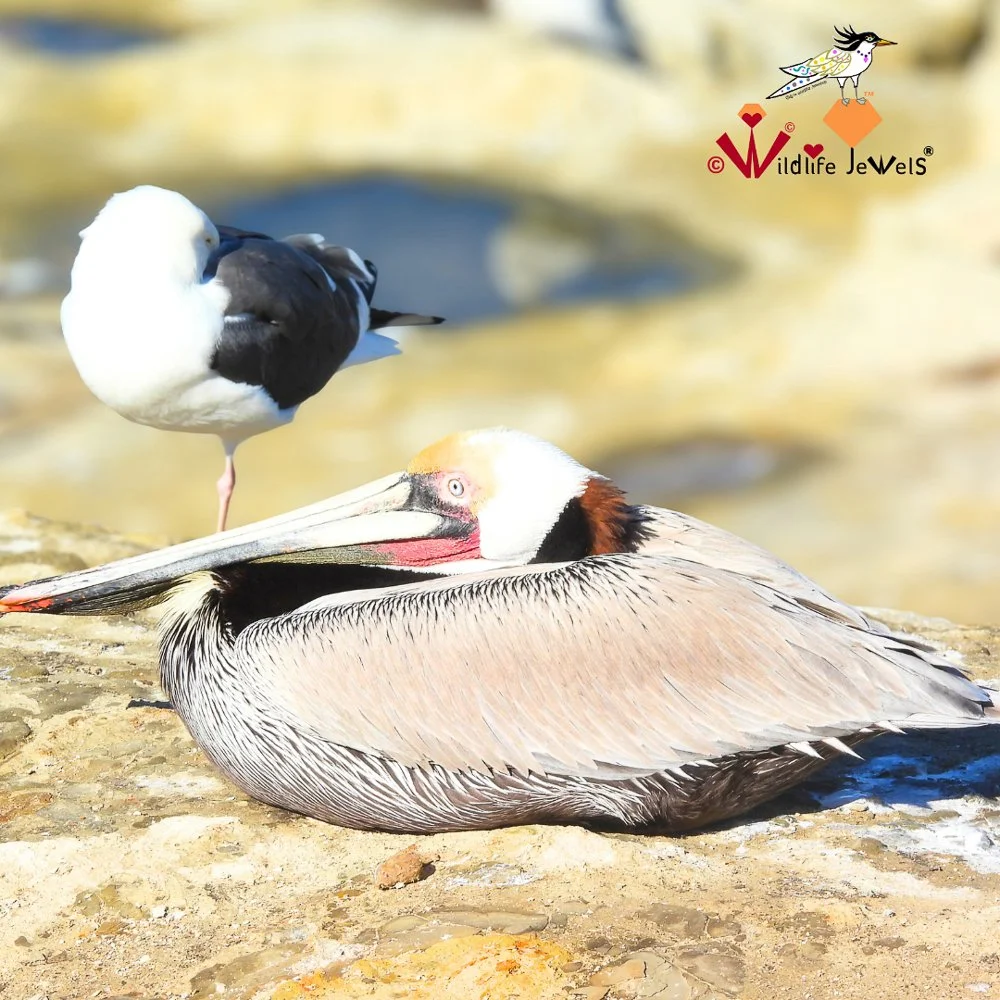
Photo credit: © Wildlife Jewels® / Azi Sharif
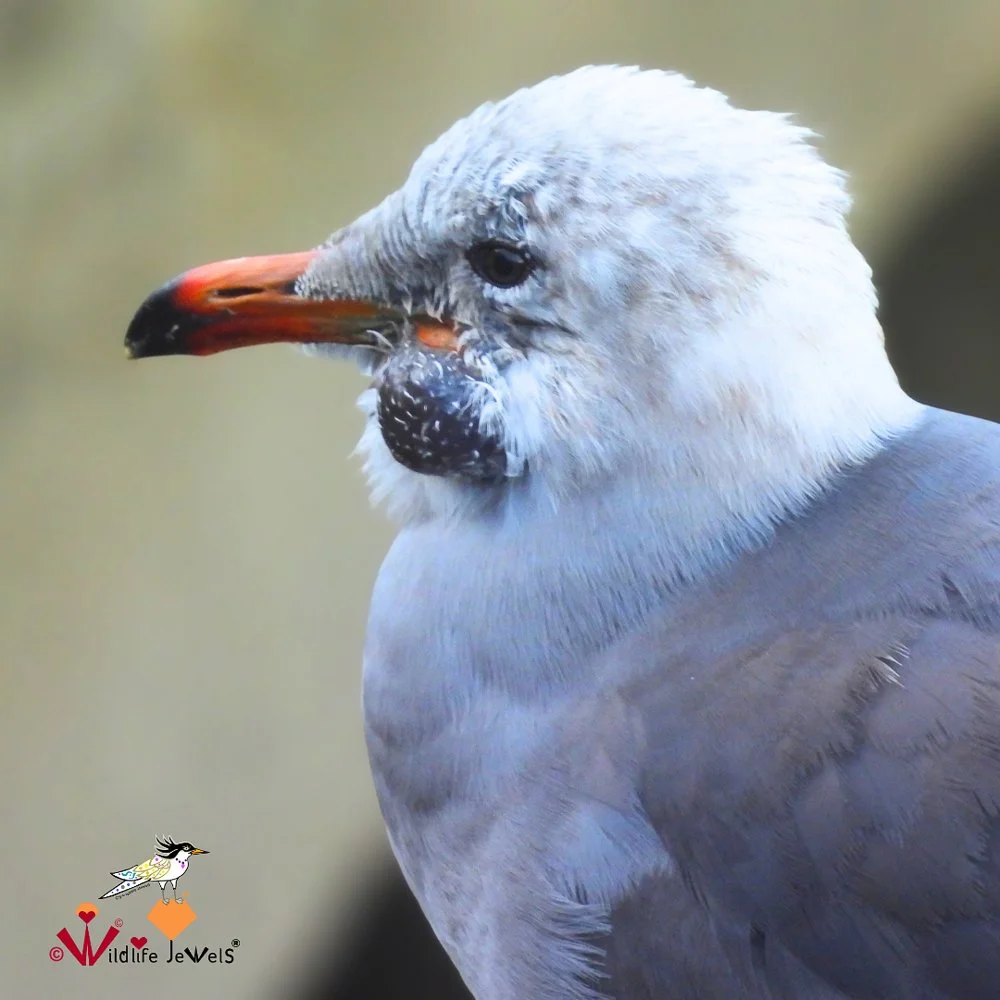
We identified an injured Heermann’s gull, documented what we observed, and reported—reminding us that careful monitoring and timely reporting can help save lives. Every wildlife life is precious. 💙 We will share more about her and the other injured wildlife including 2 entangled sea lions that we spotted during our walk through the Wildlife Jewels Rescue Blog soon.
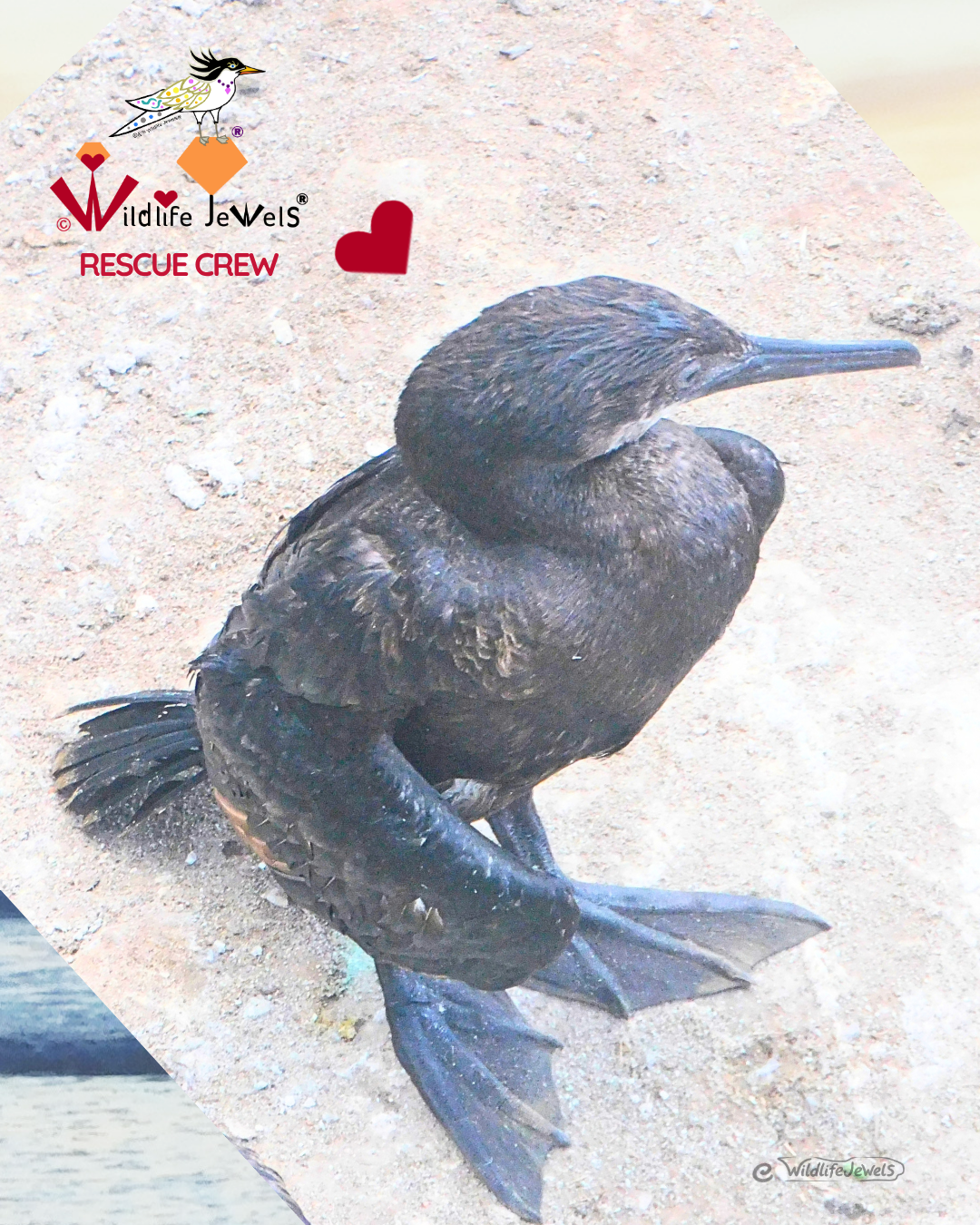
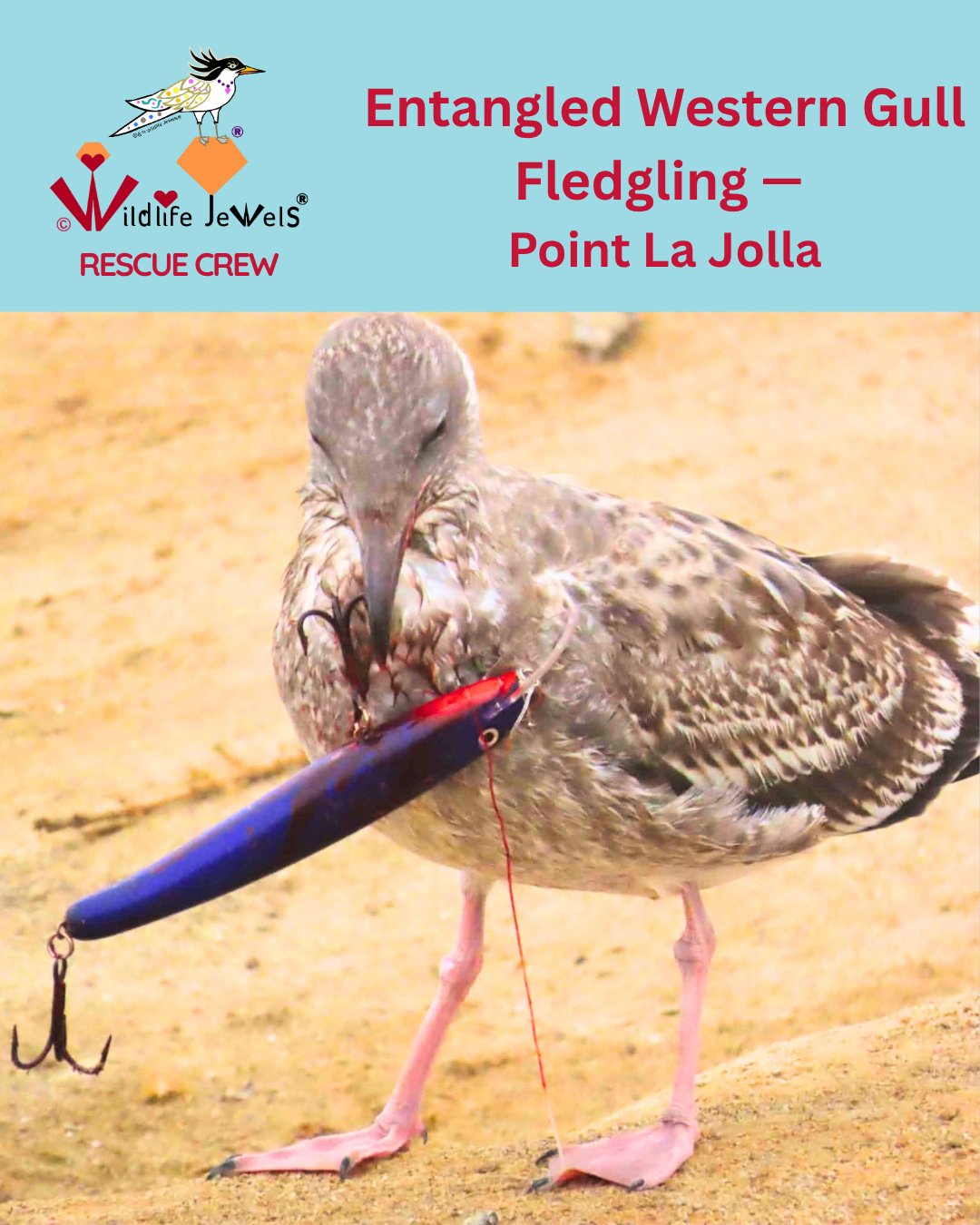
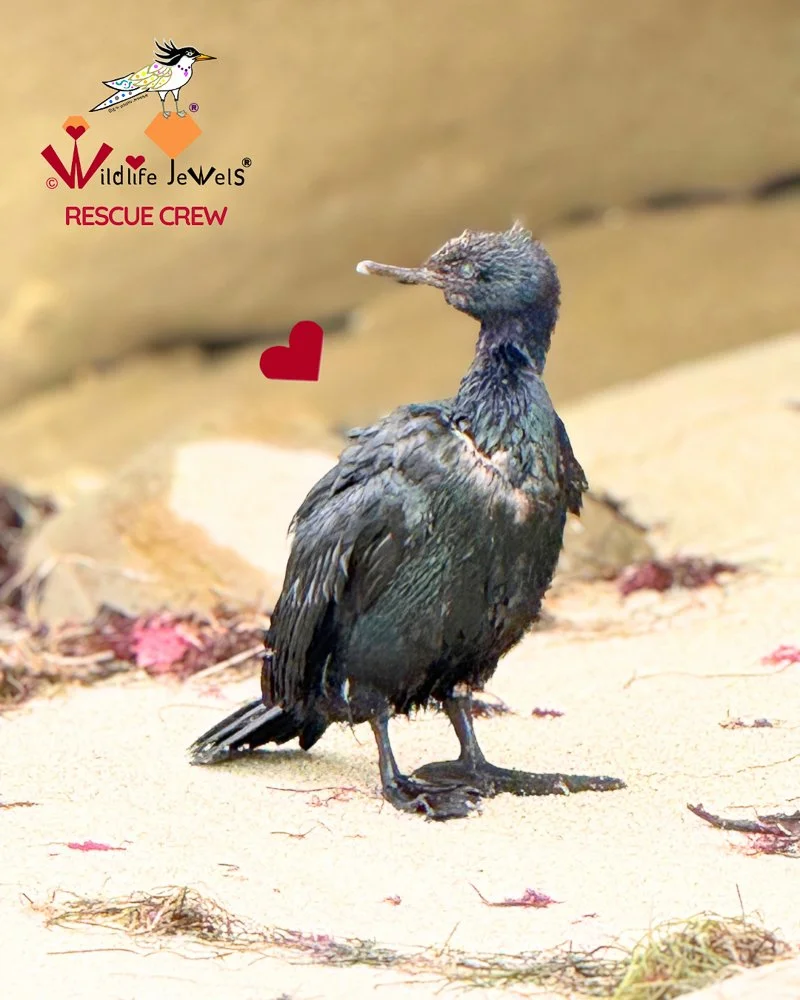
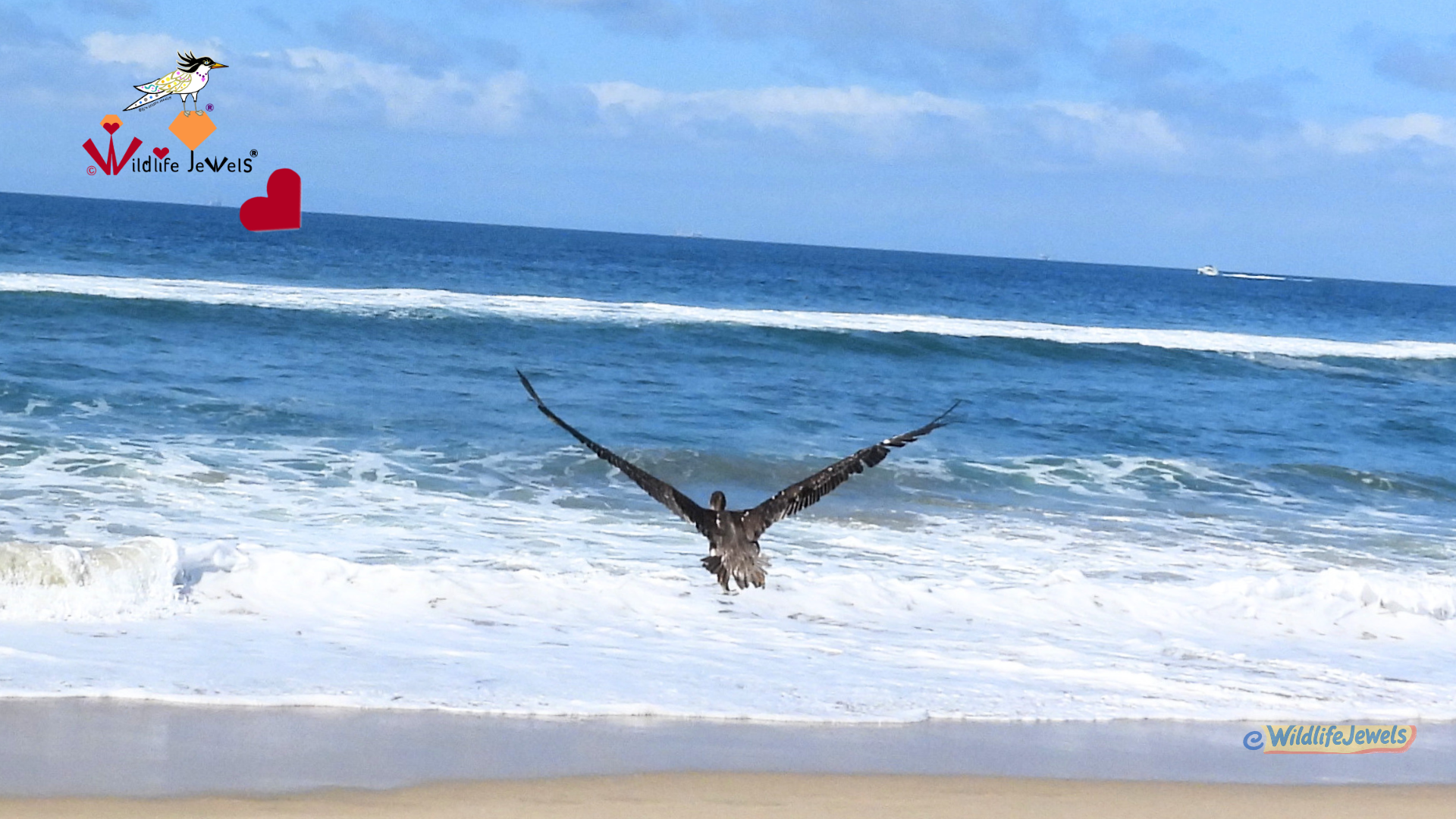
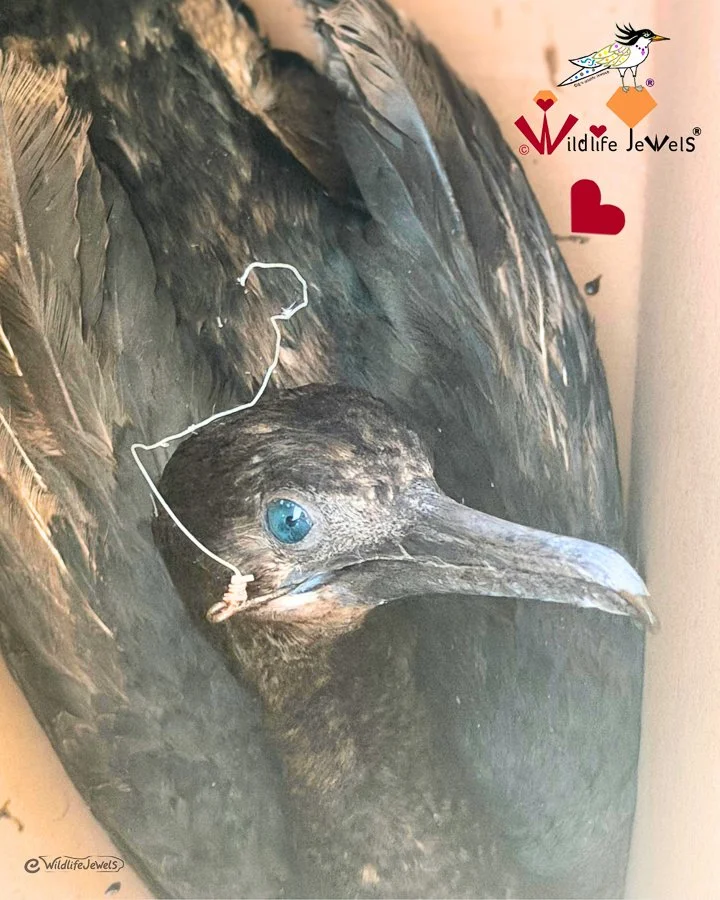
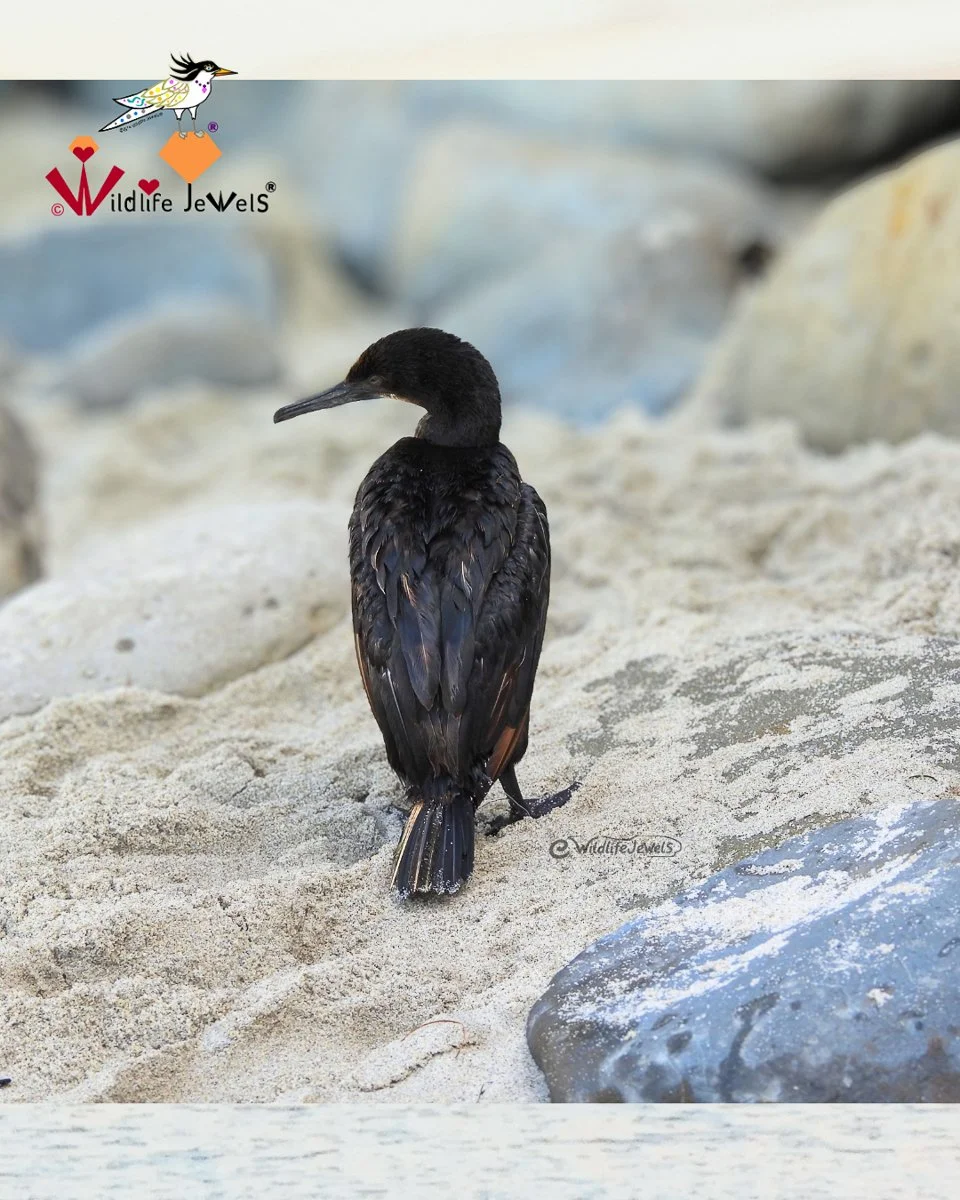
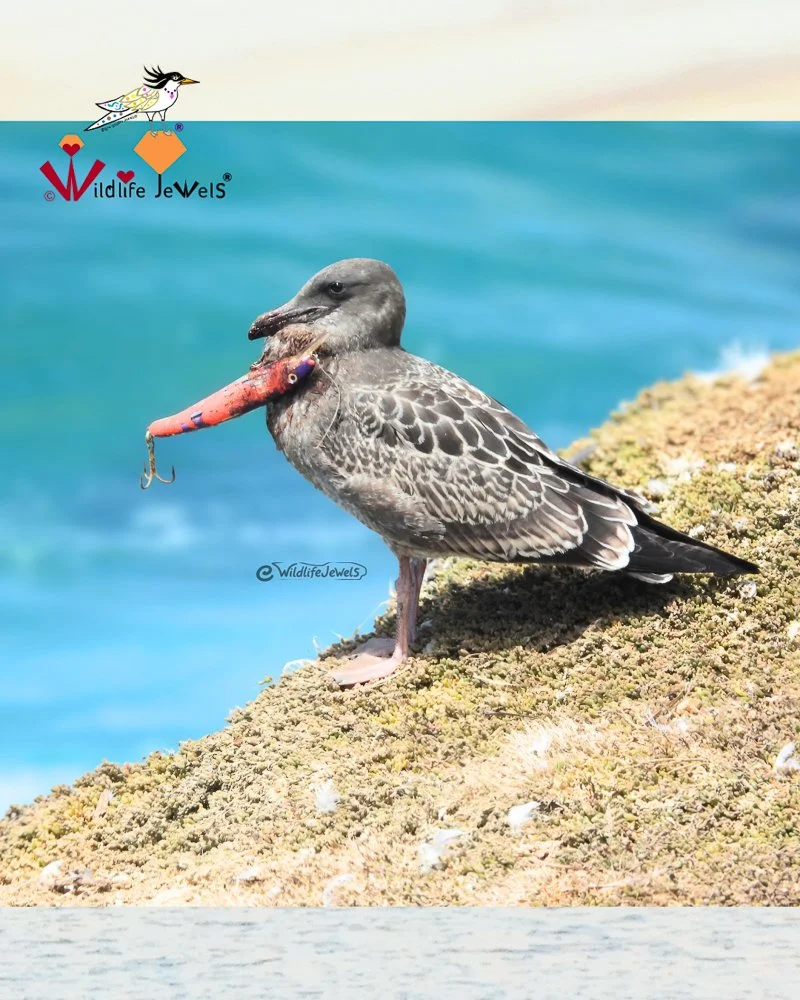
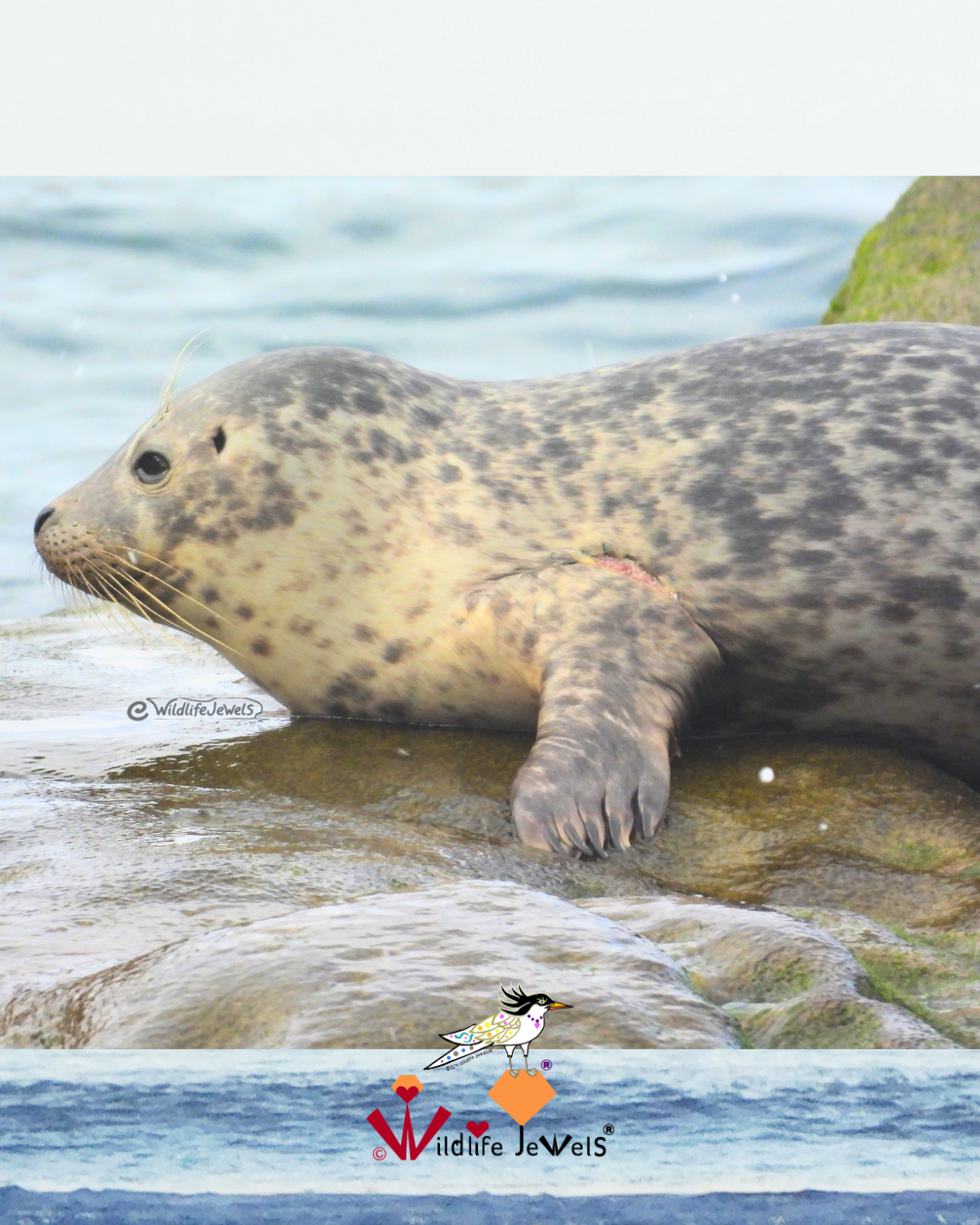
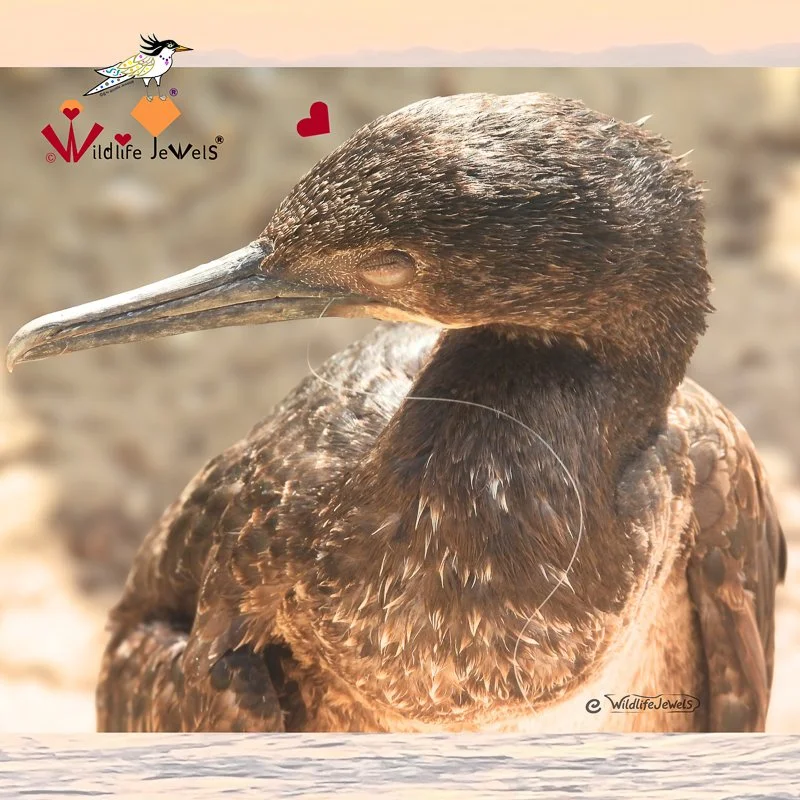
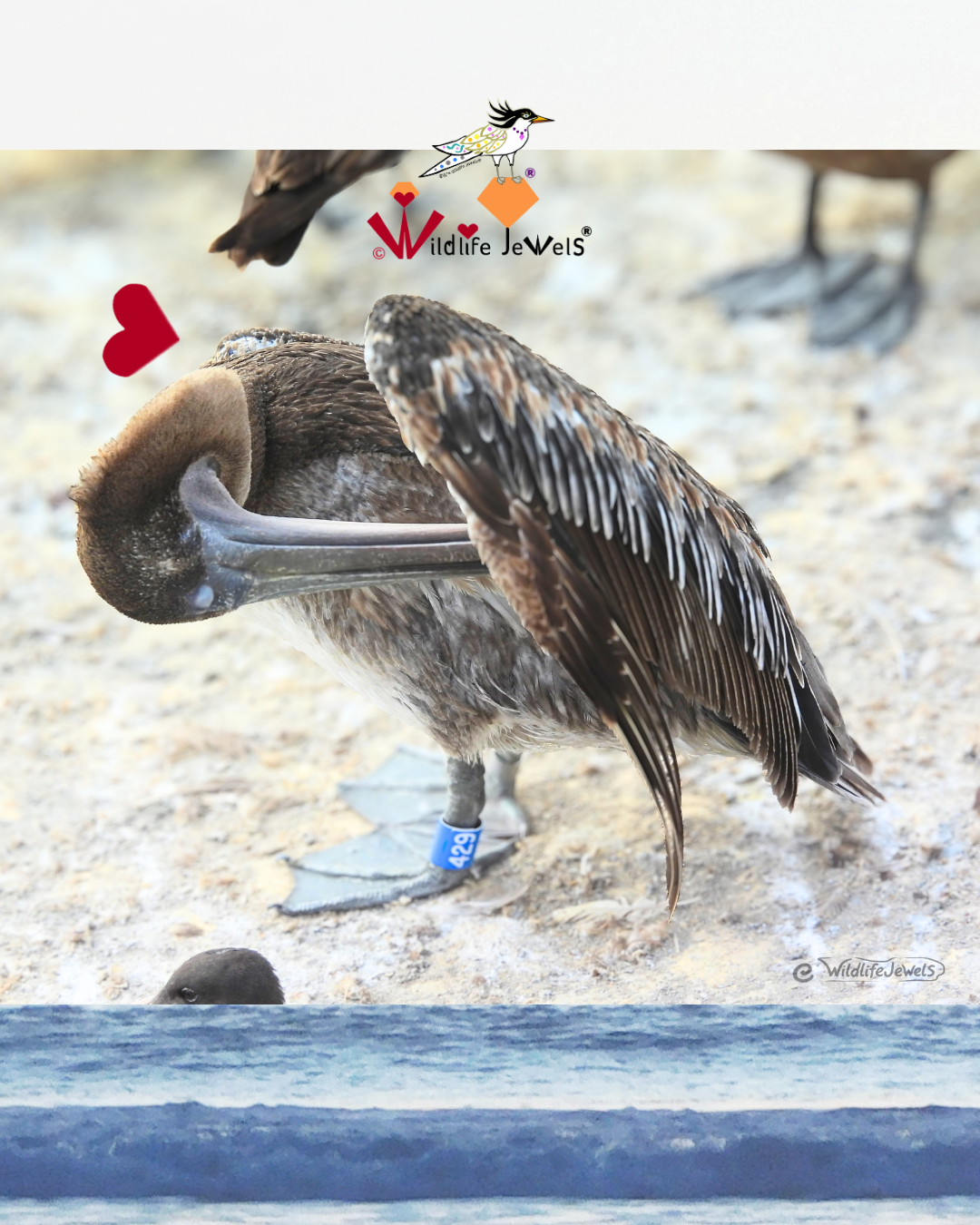
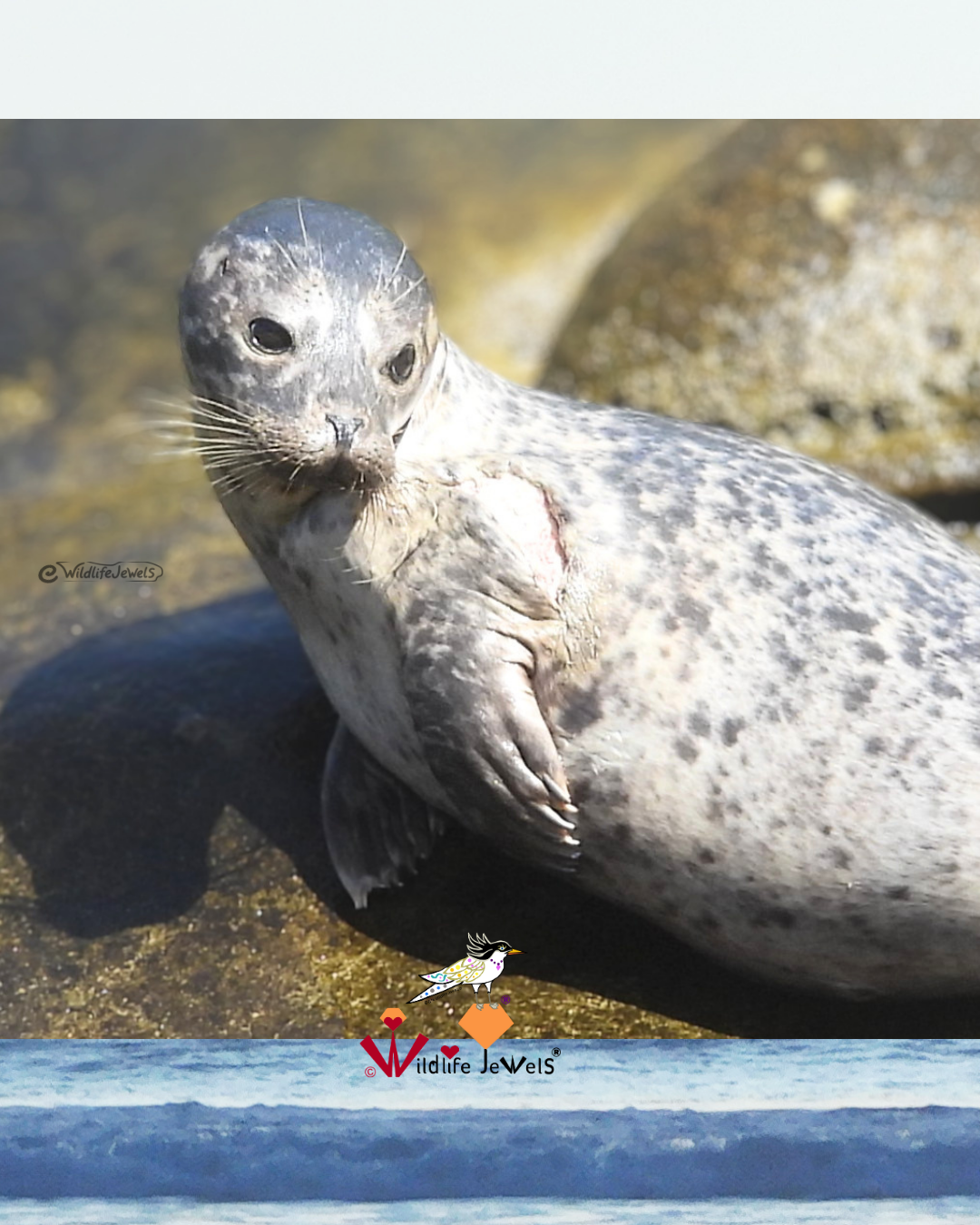
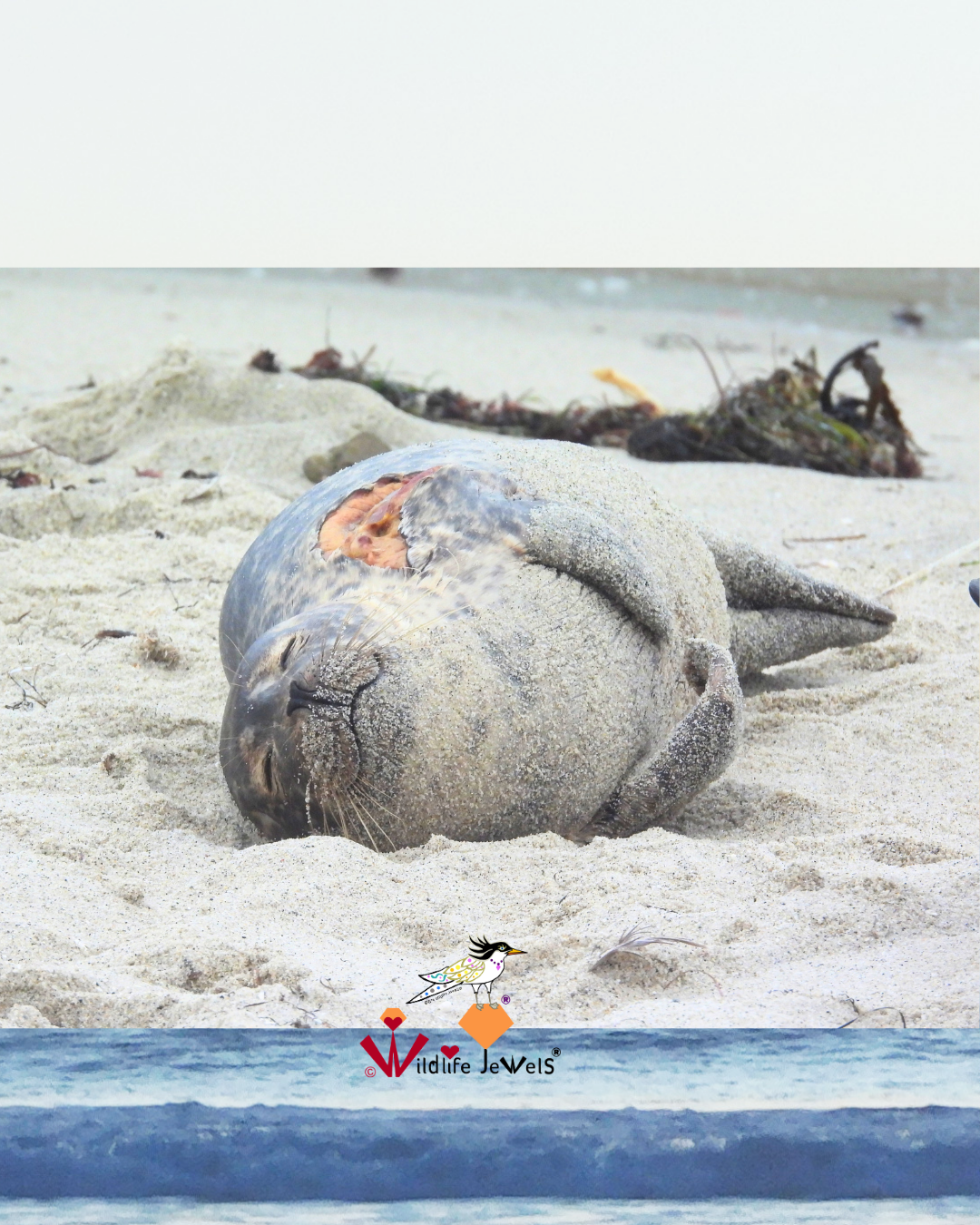
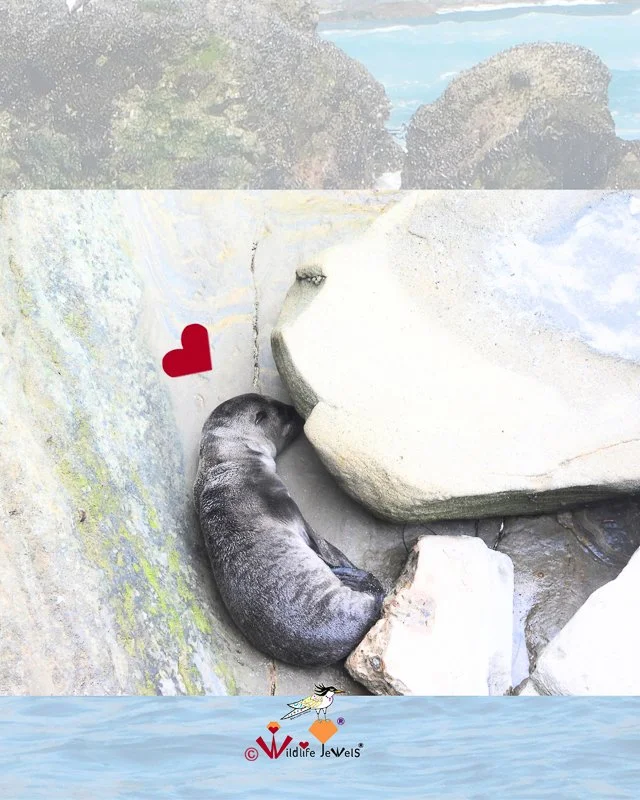
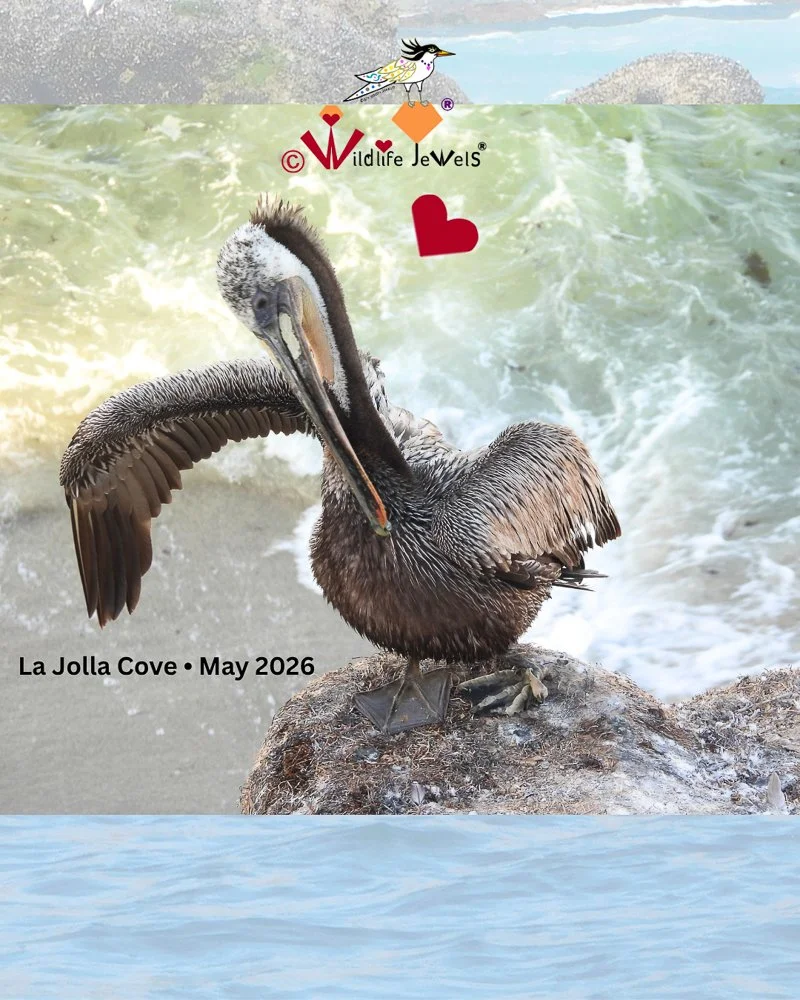
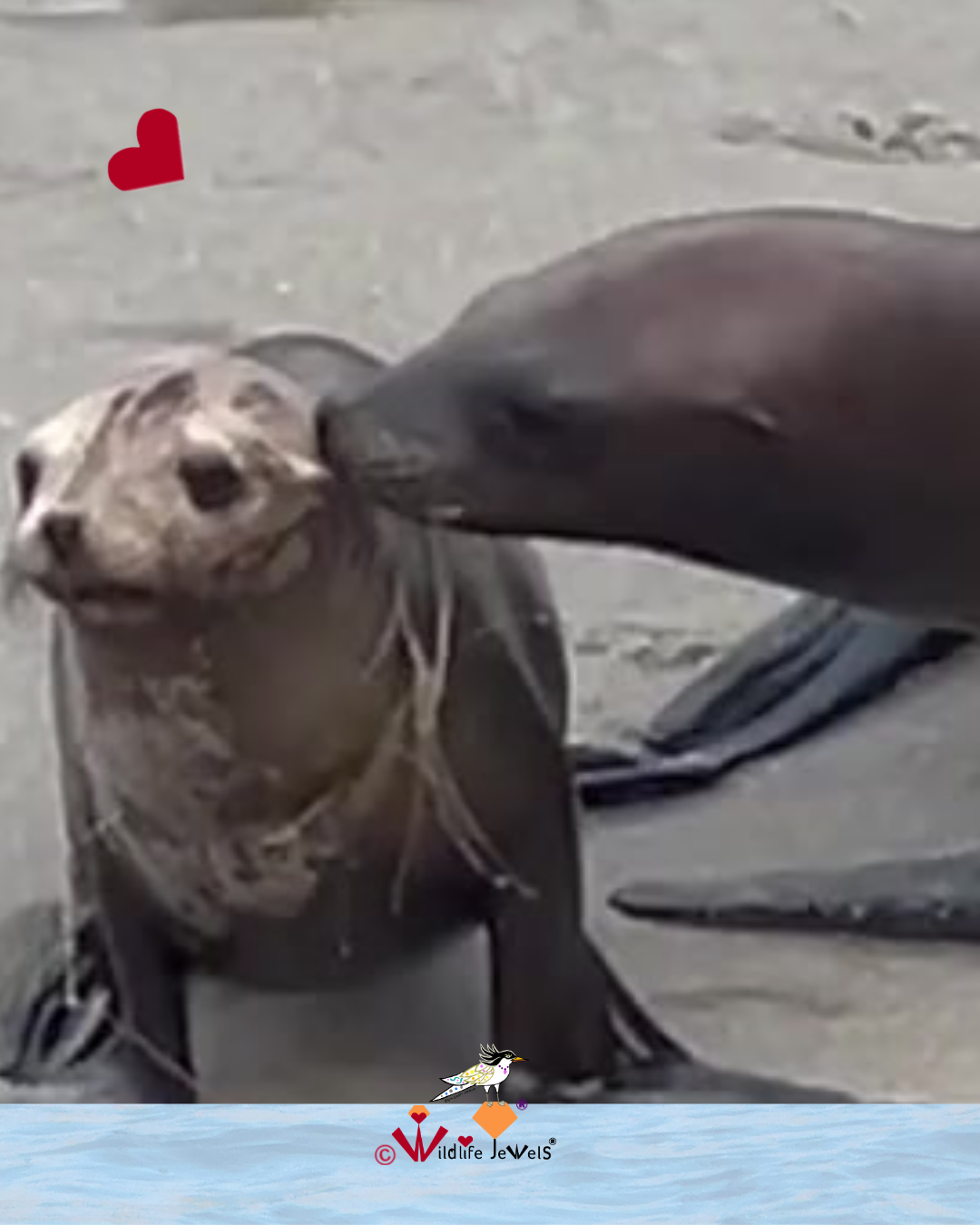
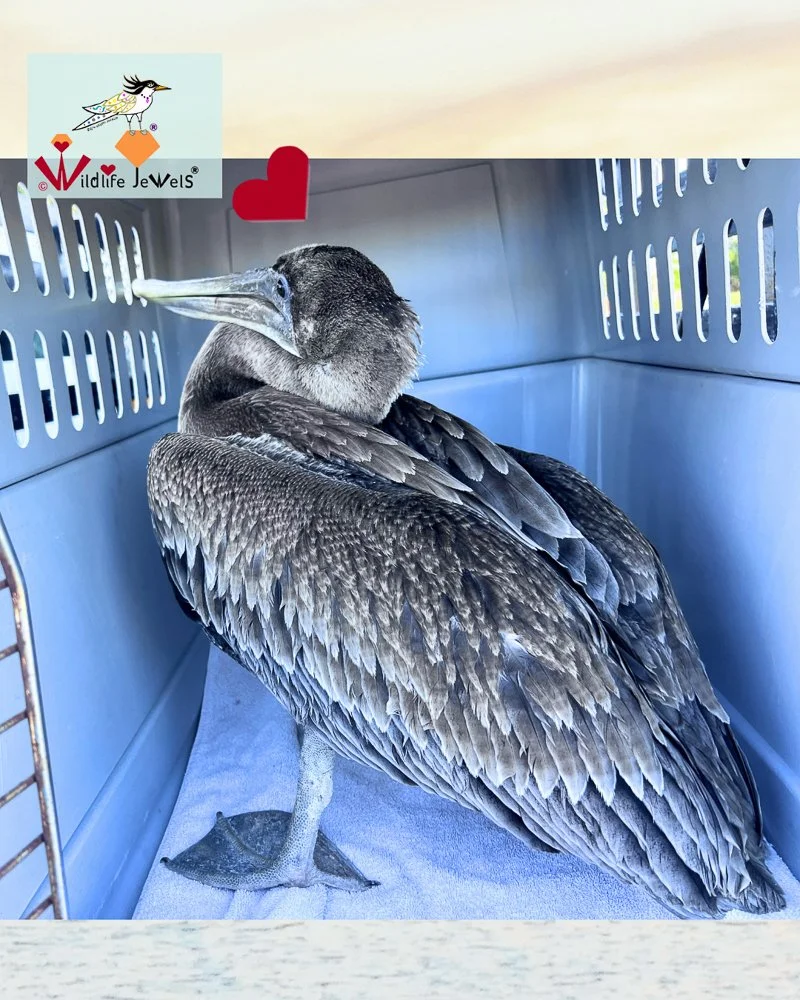
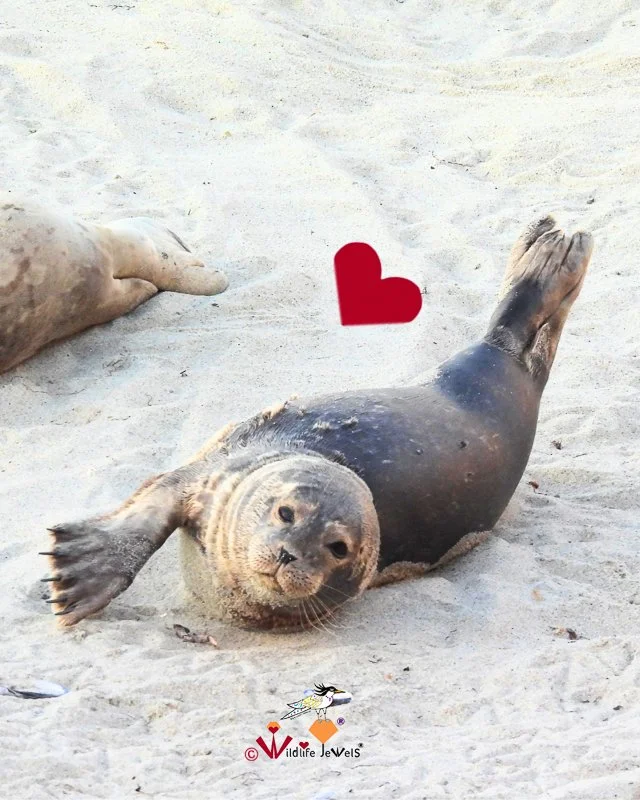
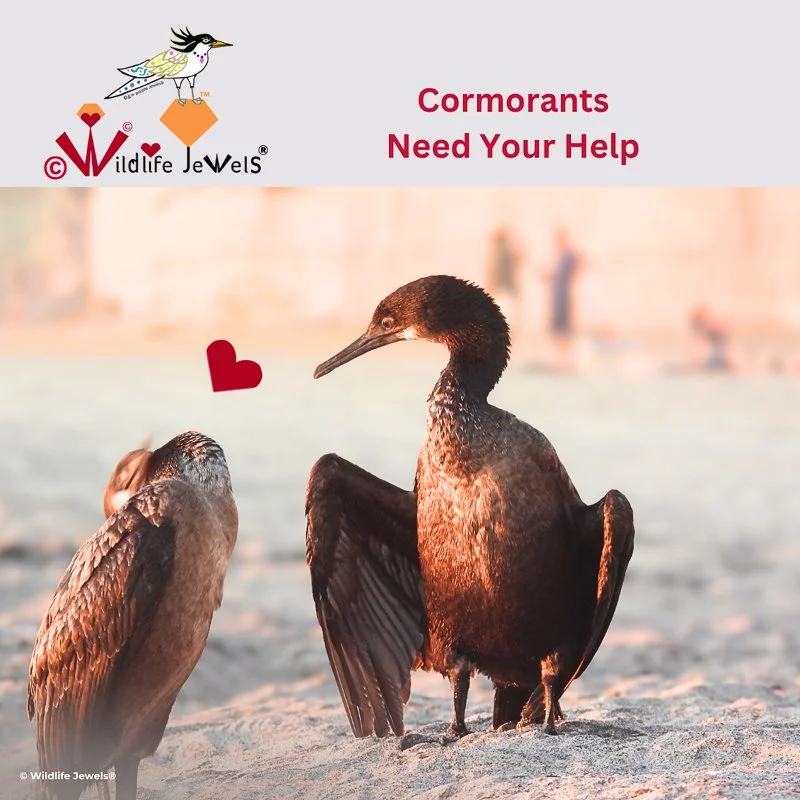
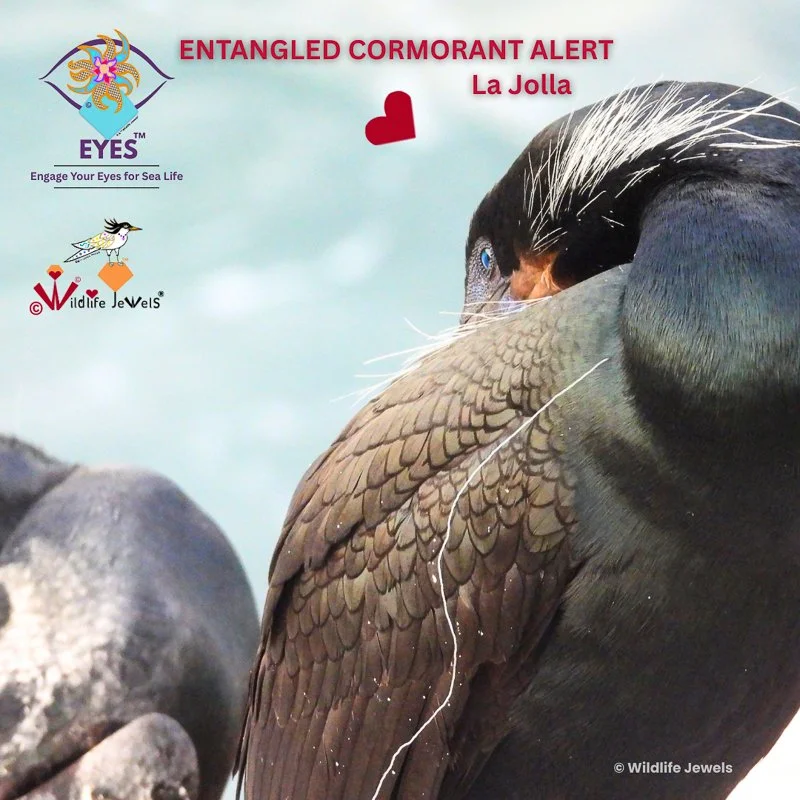
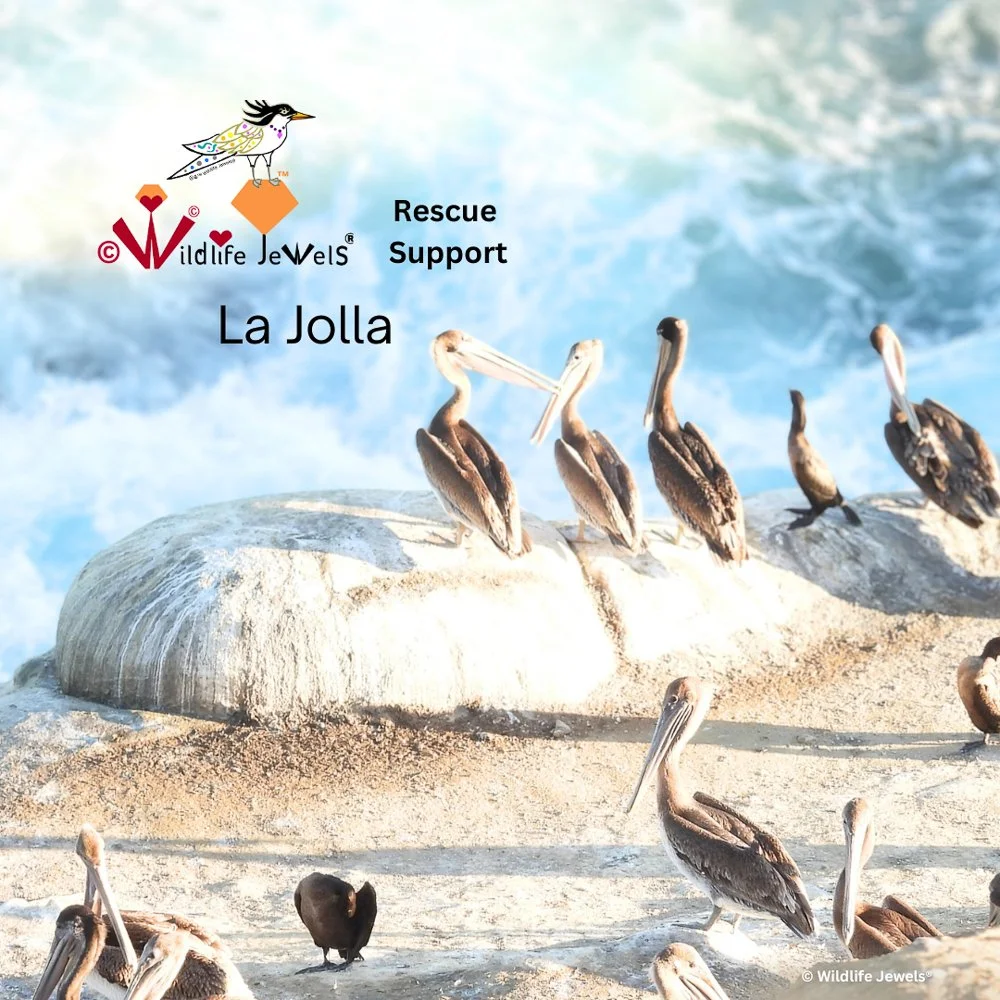
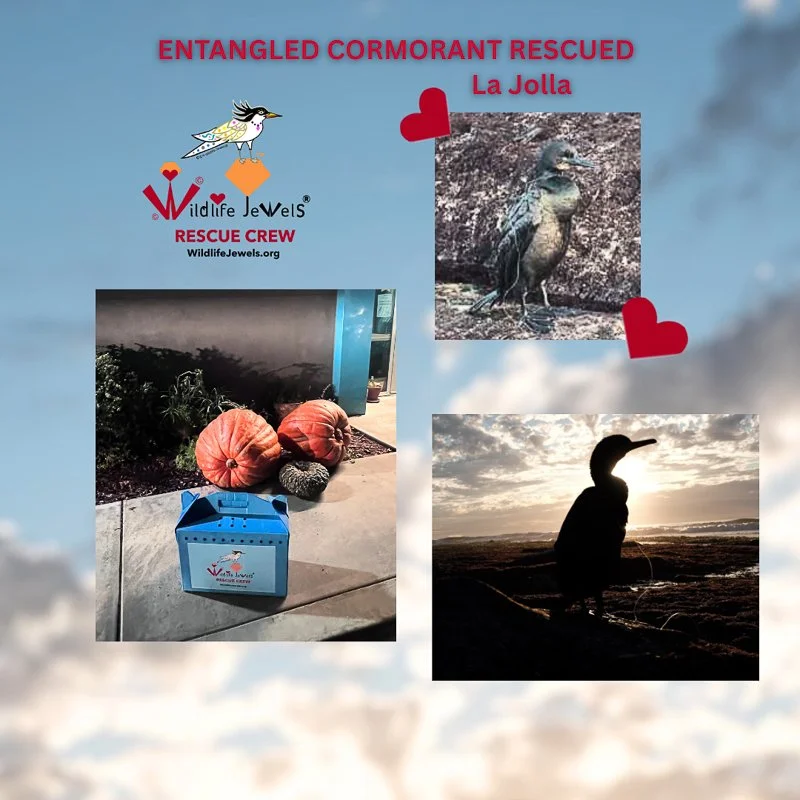
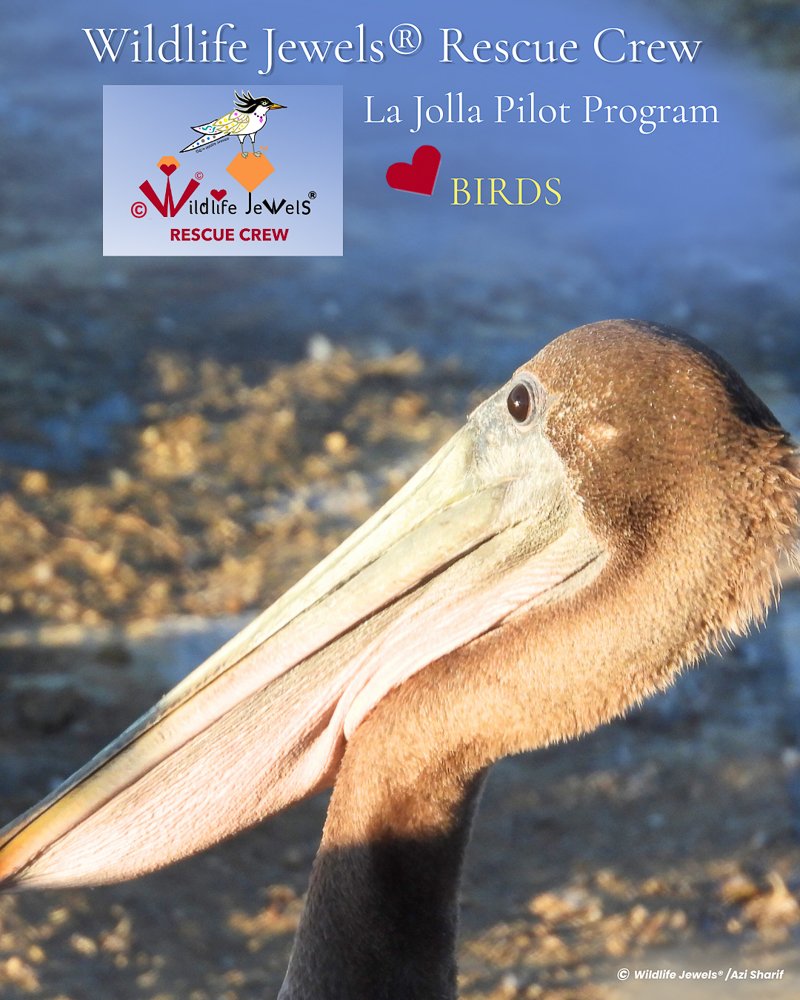
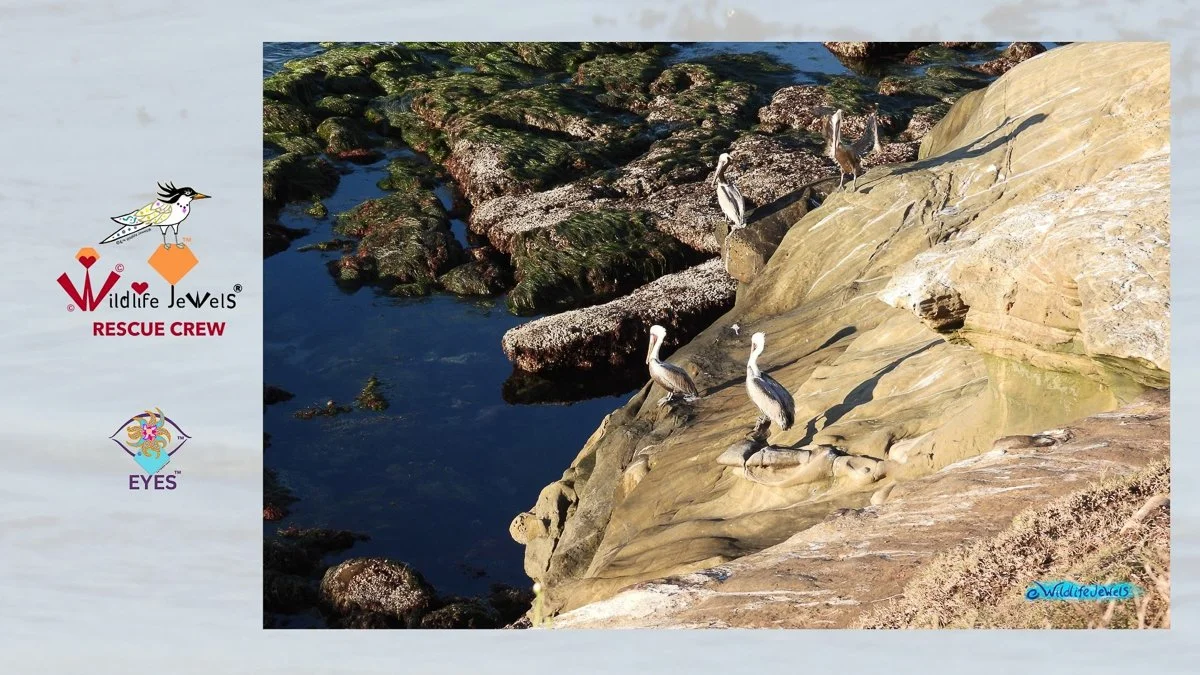
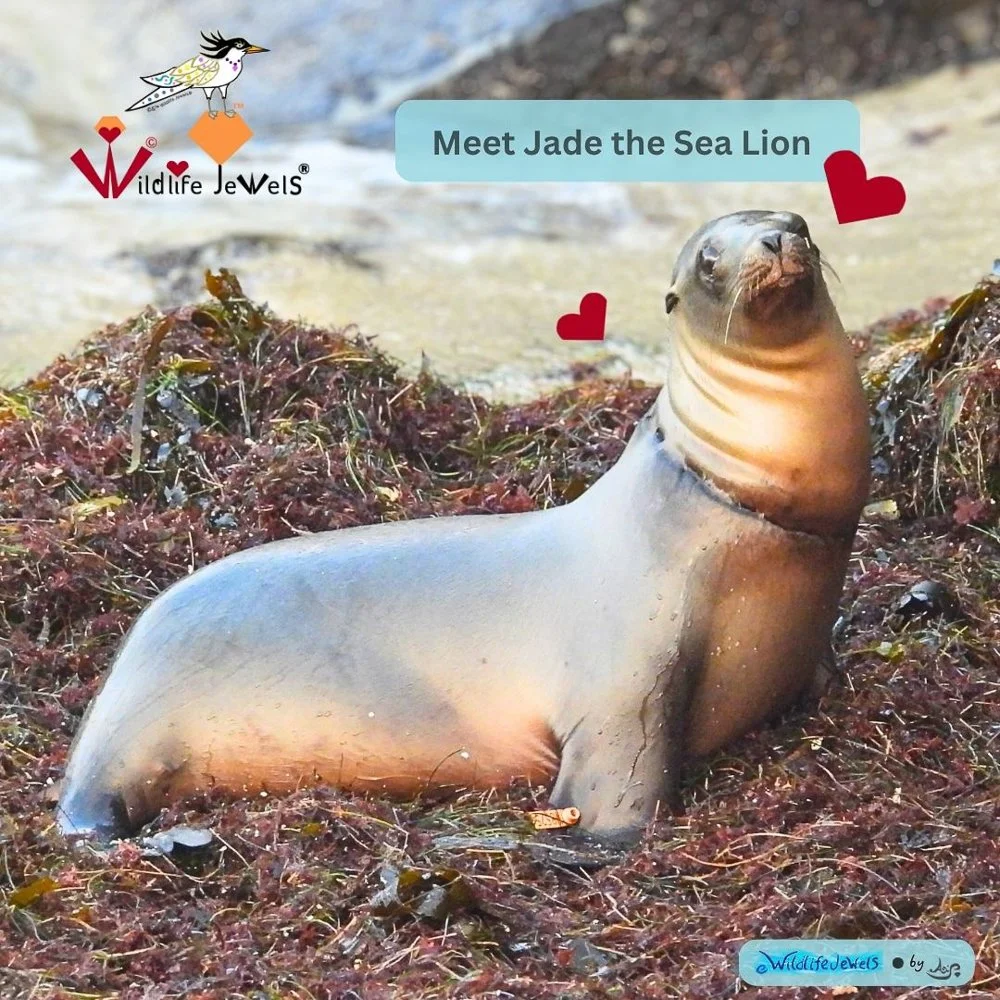

Wildlife Jewels continues to document seabird entanglements in La Jolla, particularly at Point La Jolla, as birds face fishing gear and other pressures.