Event Recap: Wildlife Jewels’ Earth Day Sweep for Wildlife at Corona del Mar State Beach

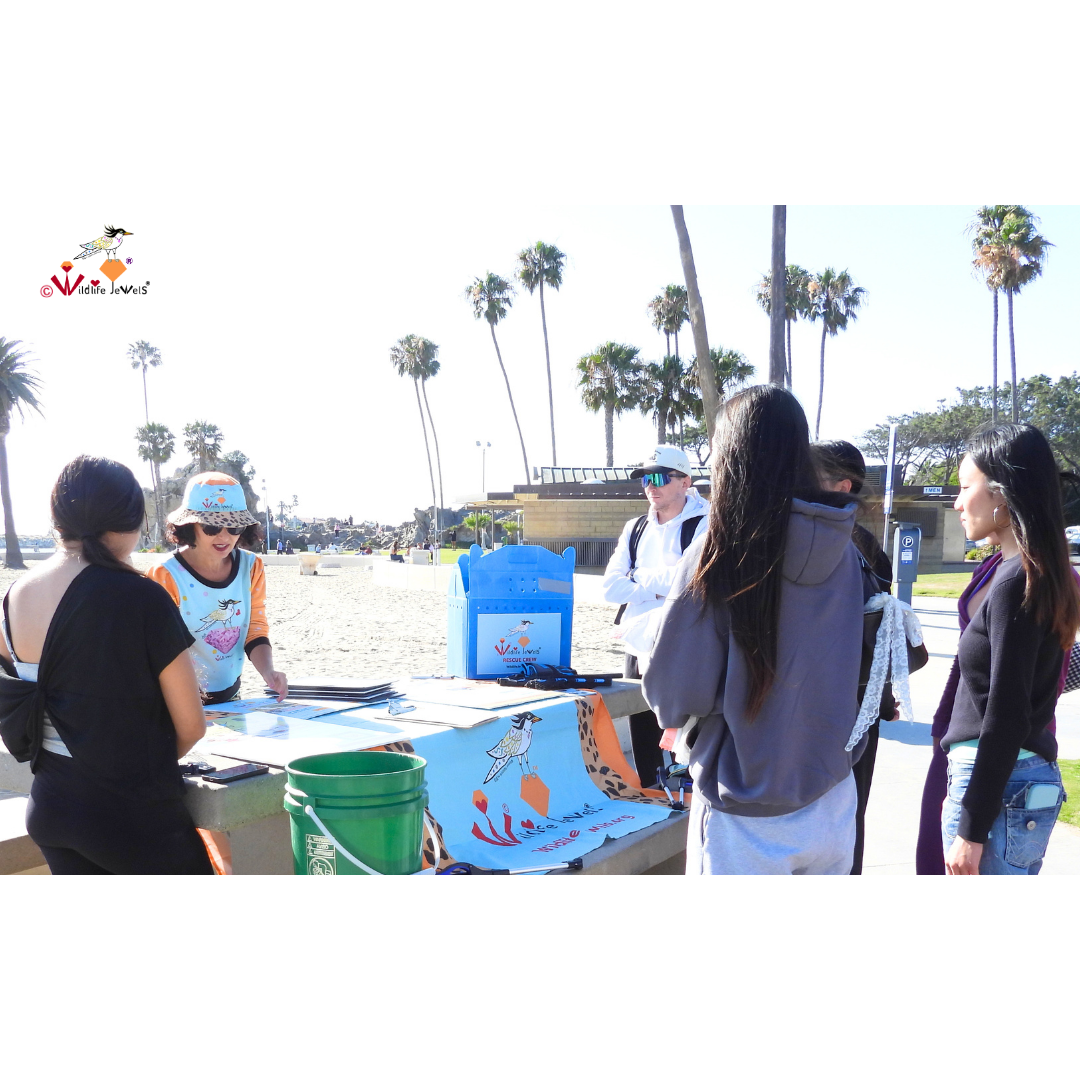
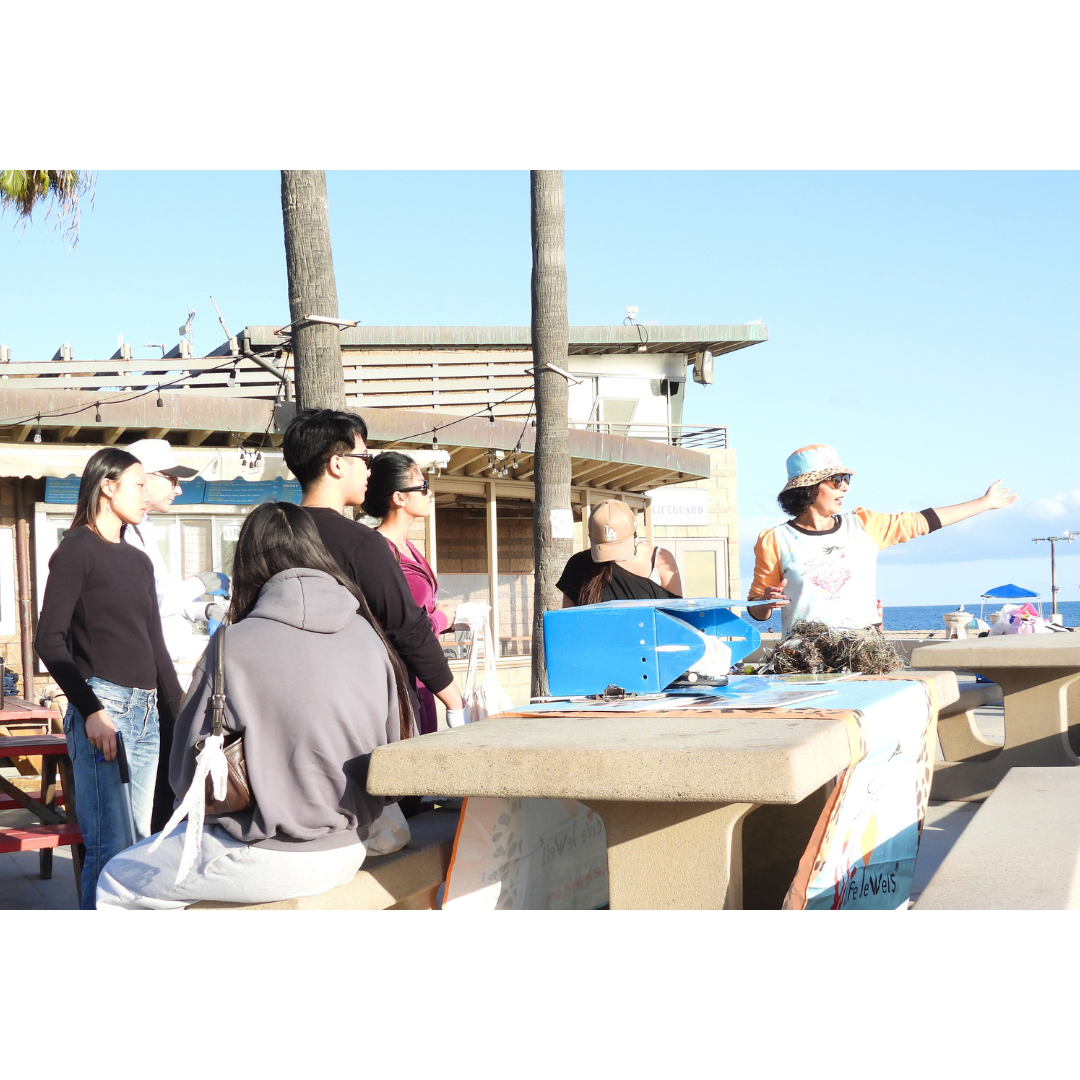
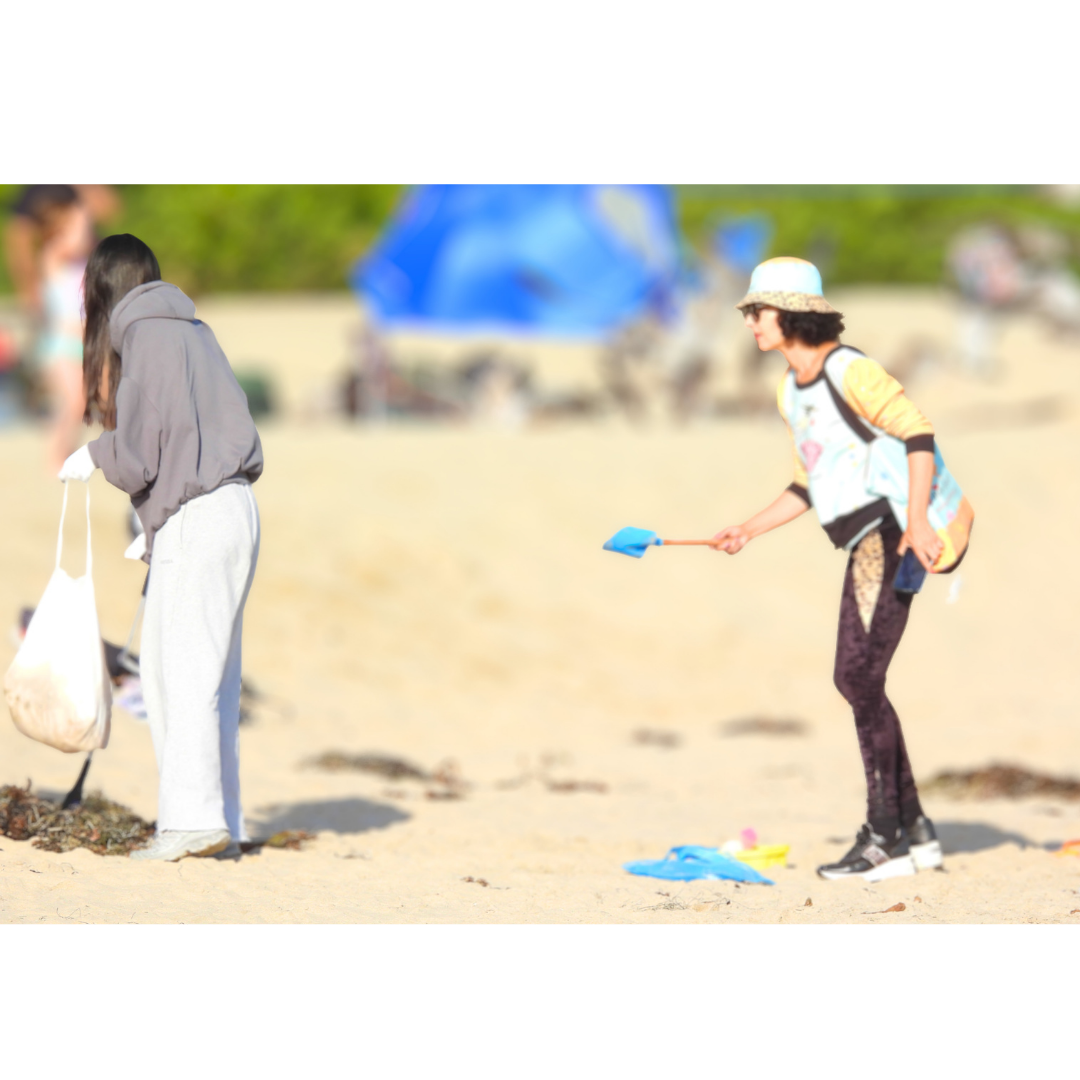
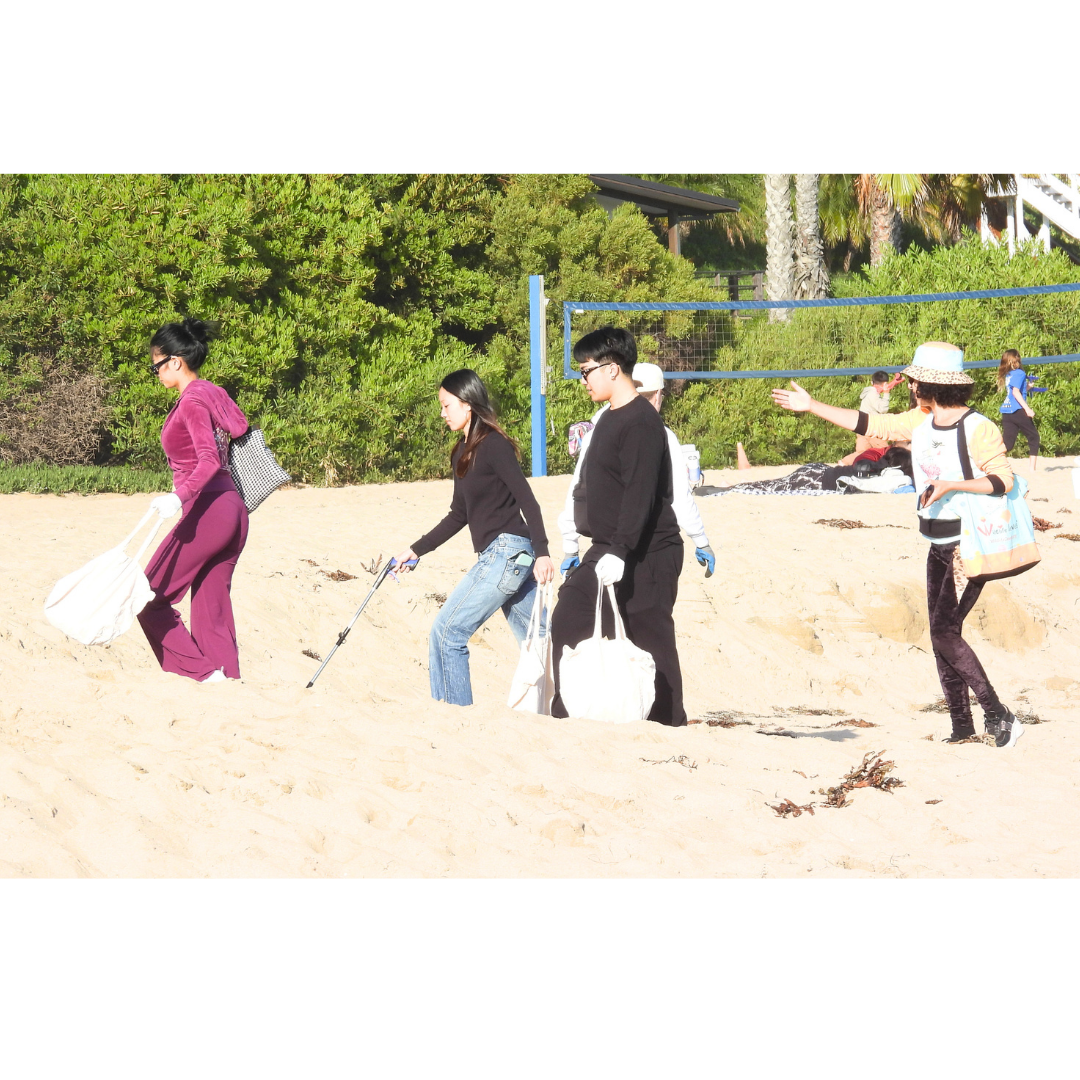
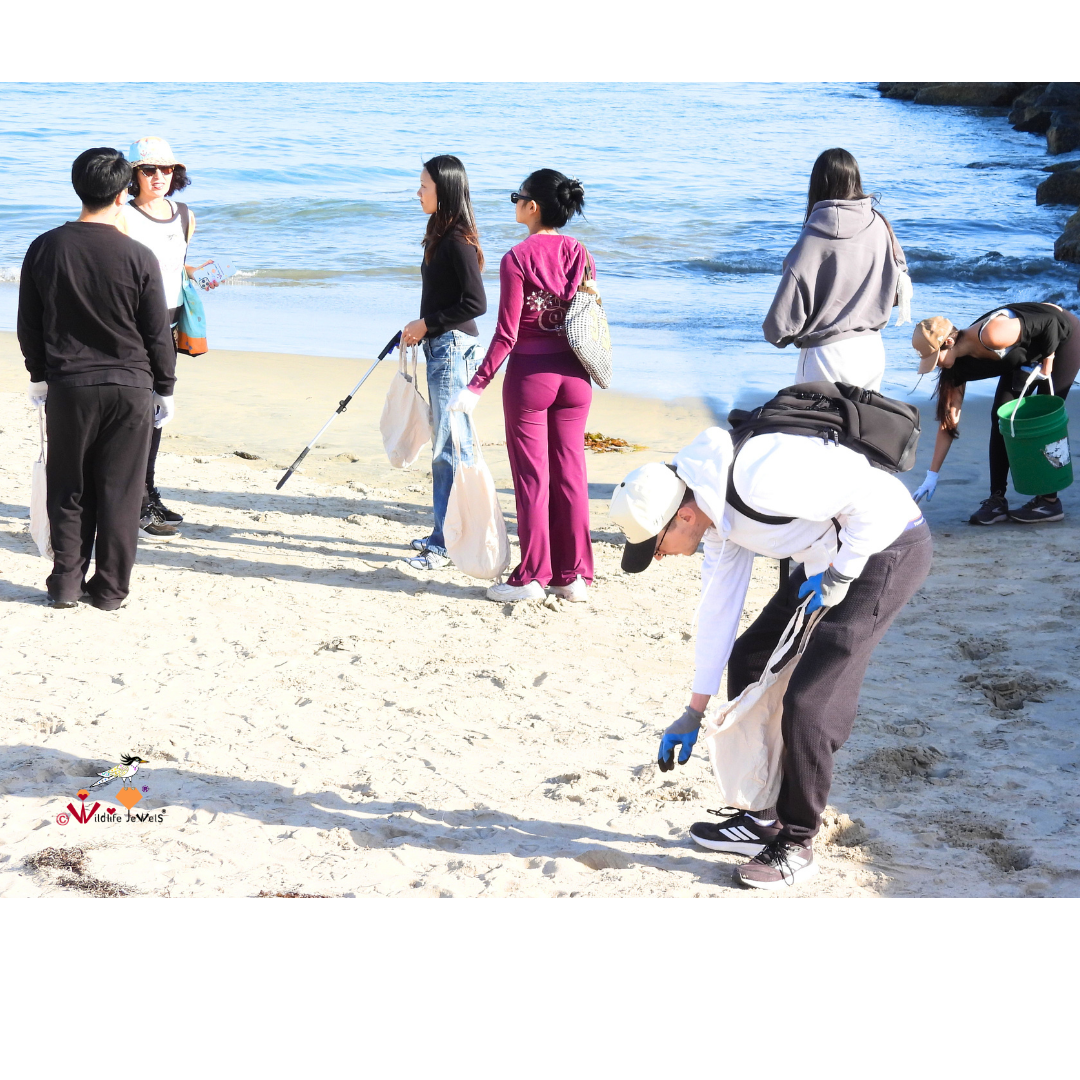
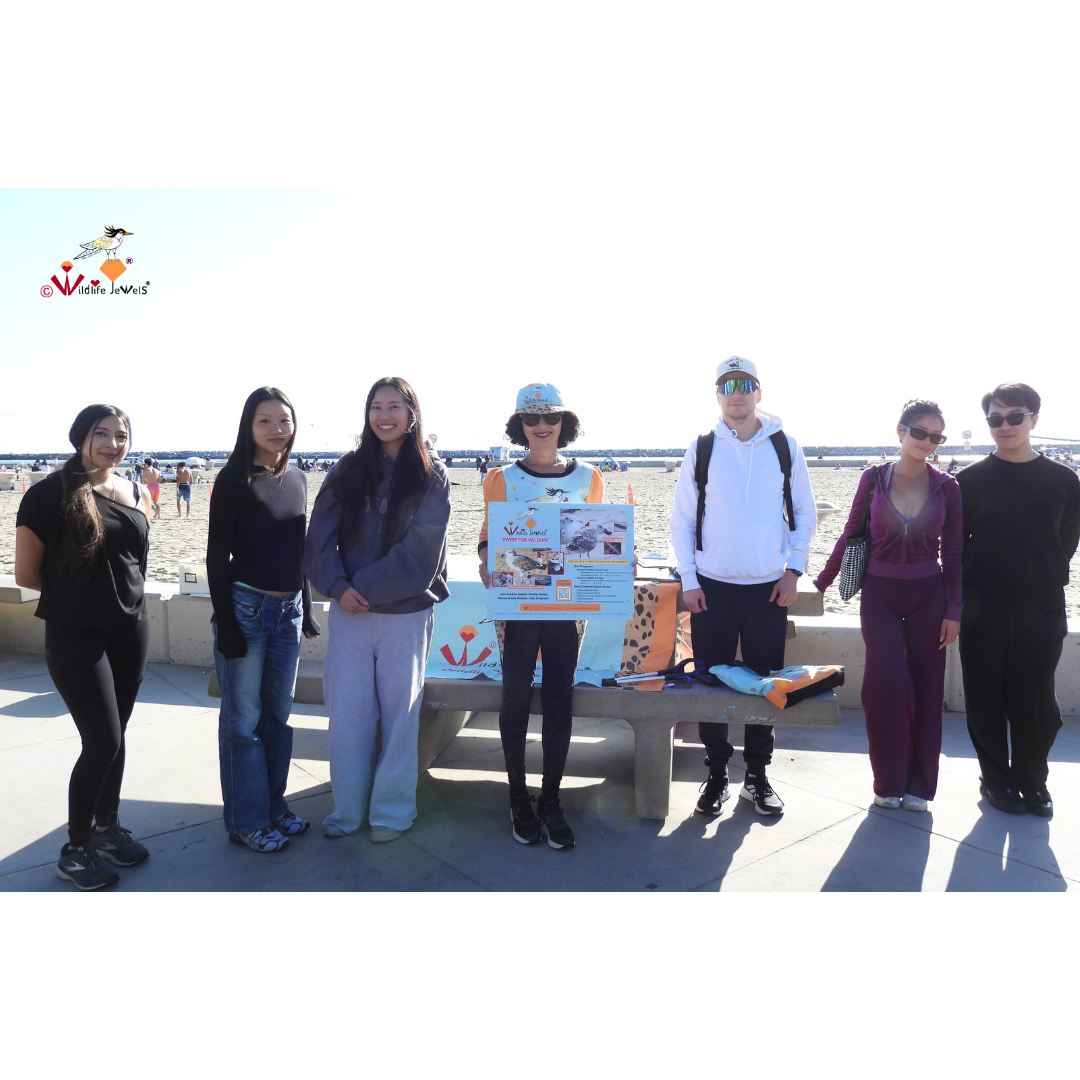
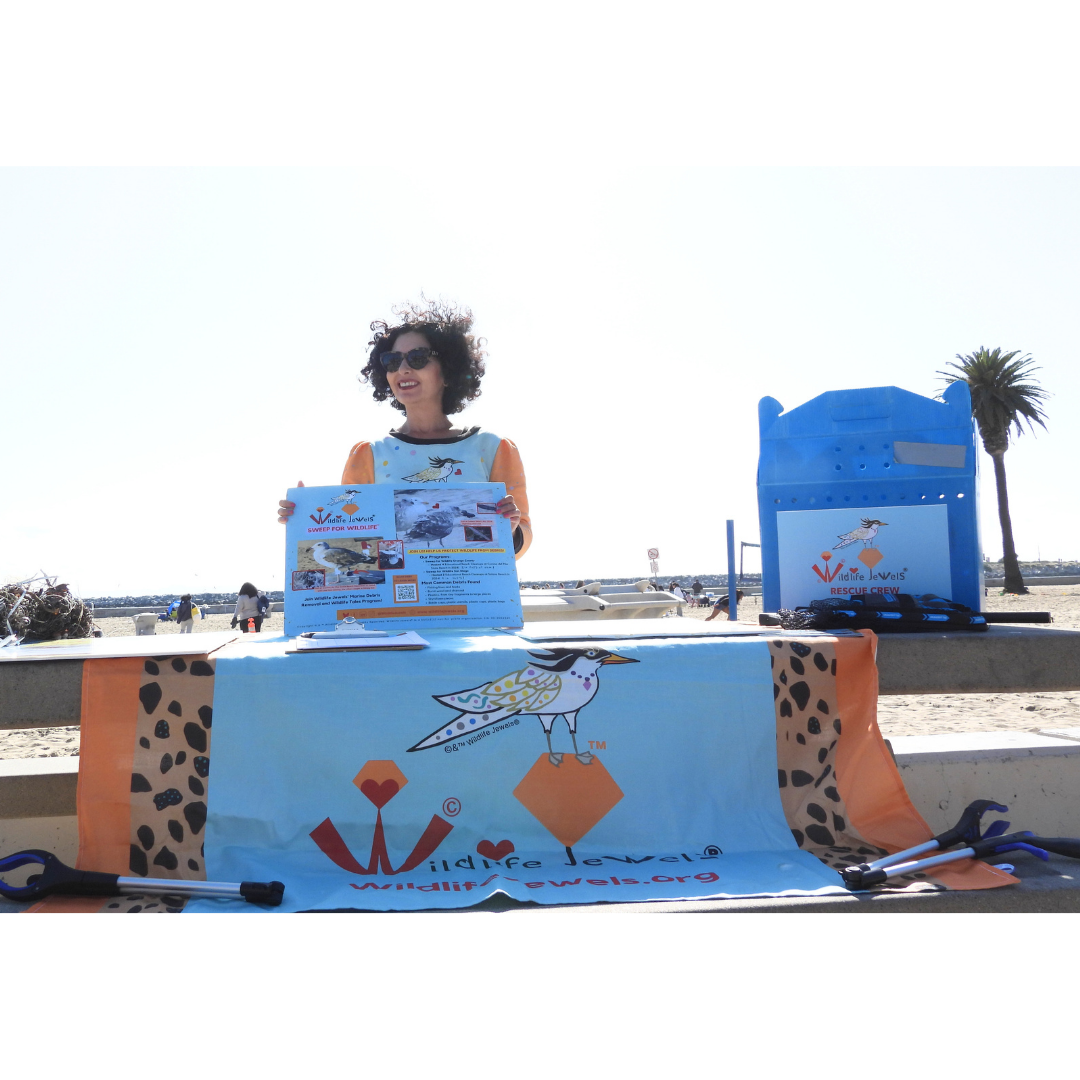
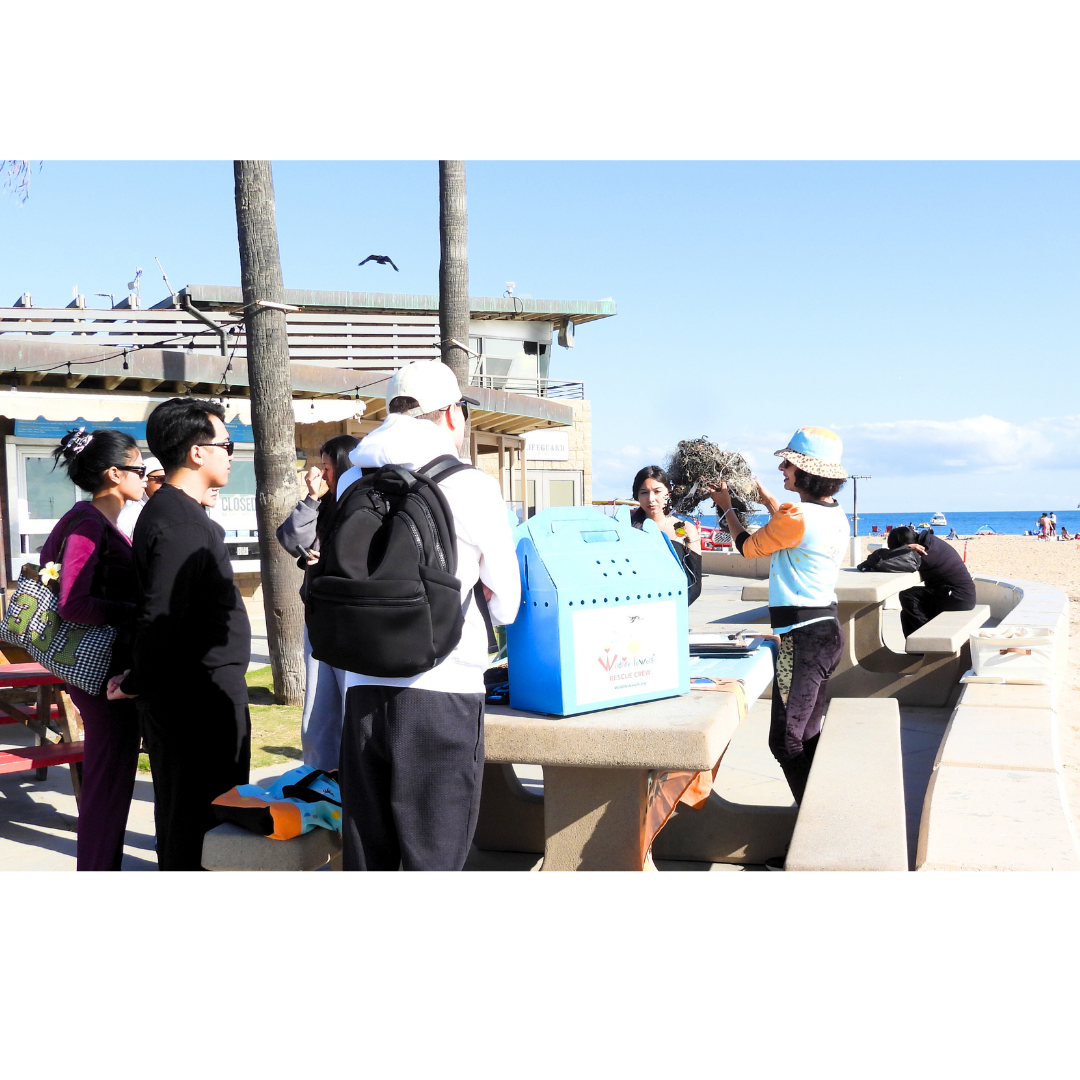
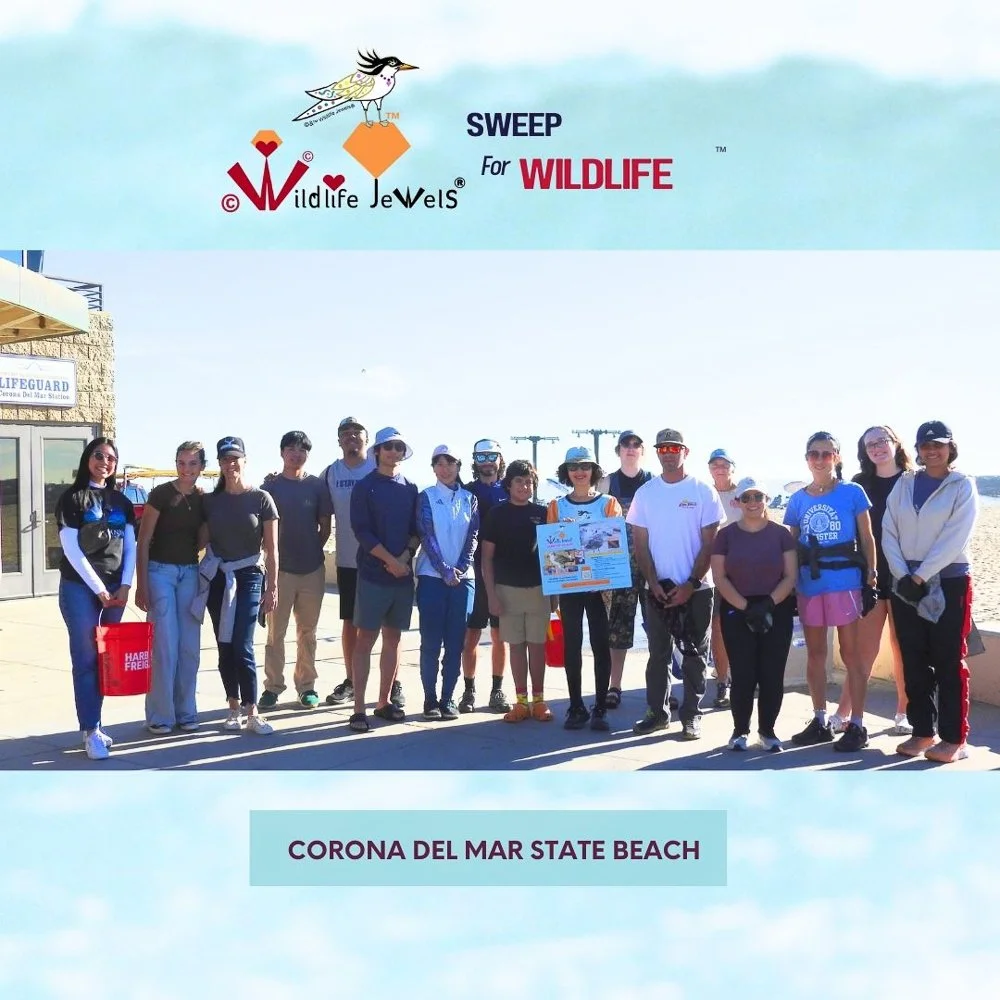
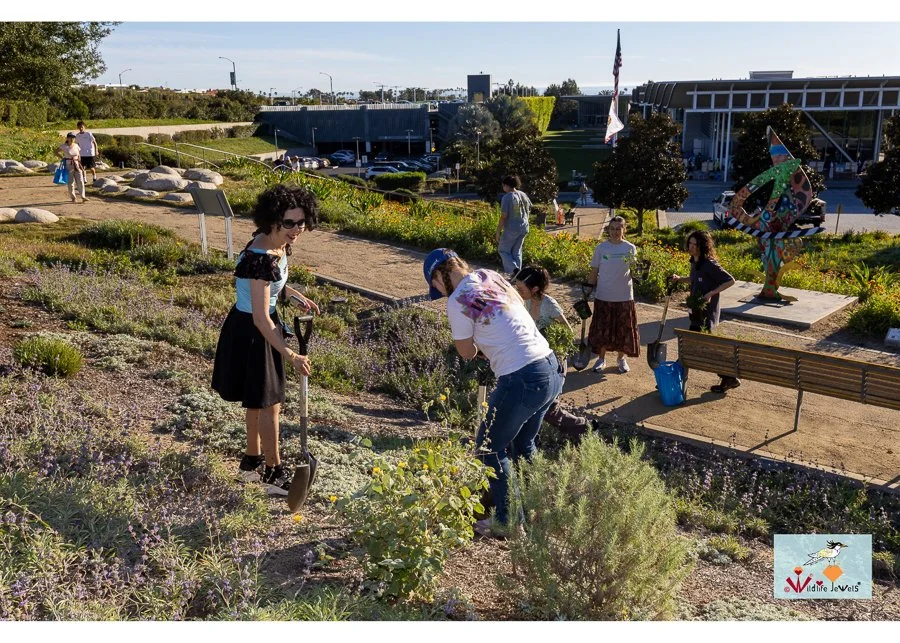
What an inspiring Earth Day at the coast! Thank you to everyone who joined Wildlife Jewels for our Earth Day Sweep & Learn for Wildlife at Corona del Mar State Beach.
Together, our community helped make the shoreline safer for people, seabirds, and marine life while learning about the local wildlife who depend on our beaches and ocean.
Our Focus for the Day
Protecting Coastal Wildlife
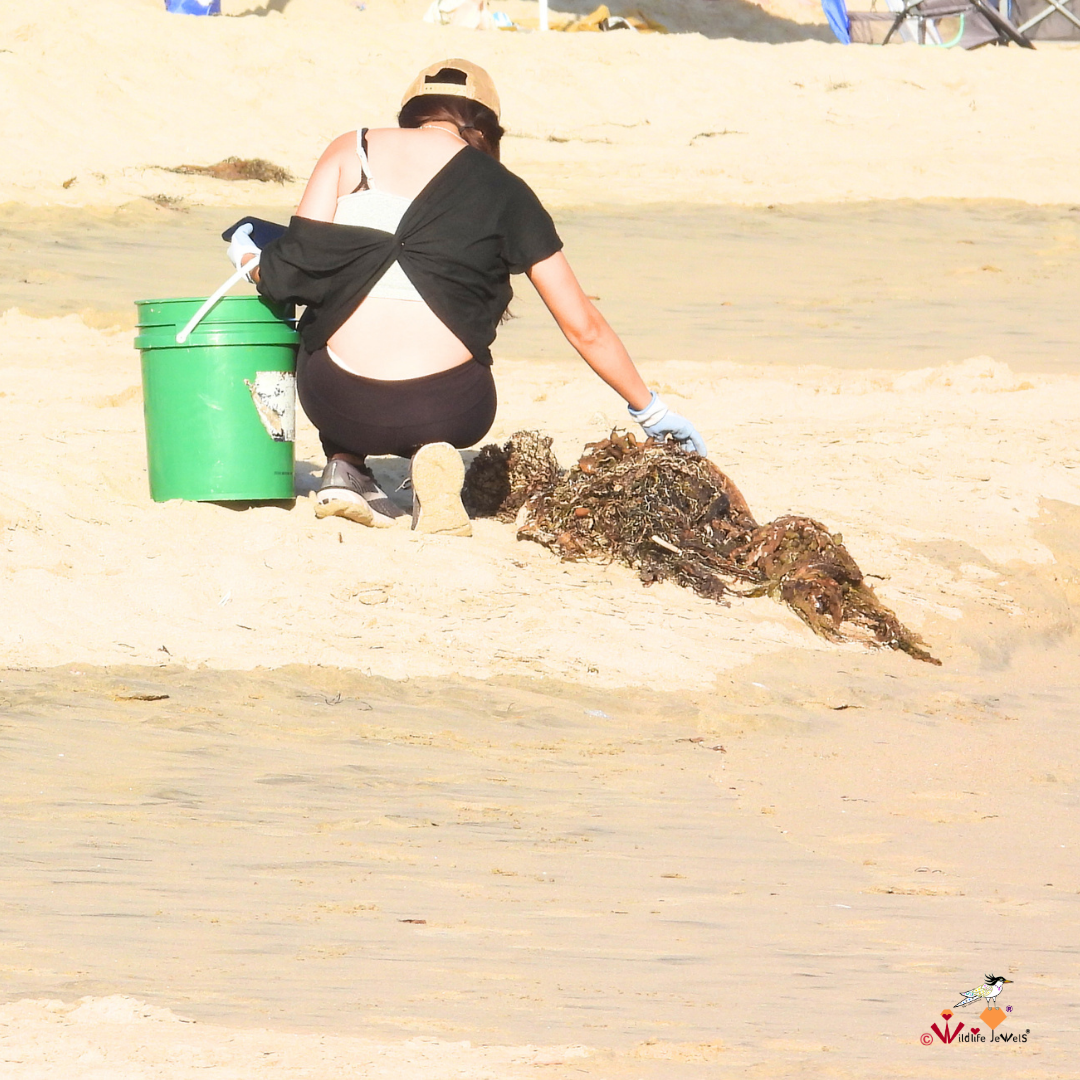
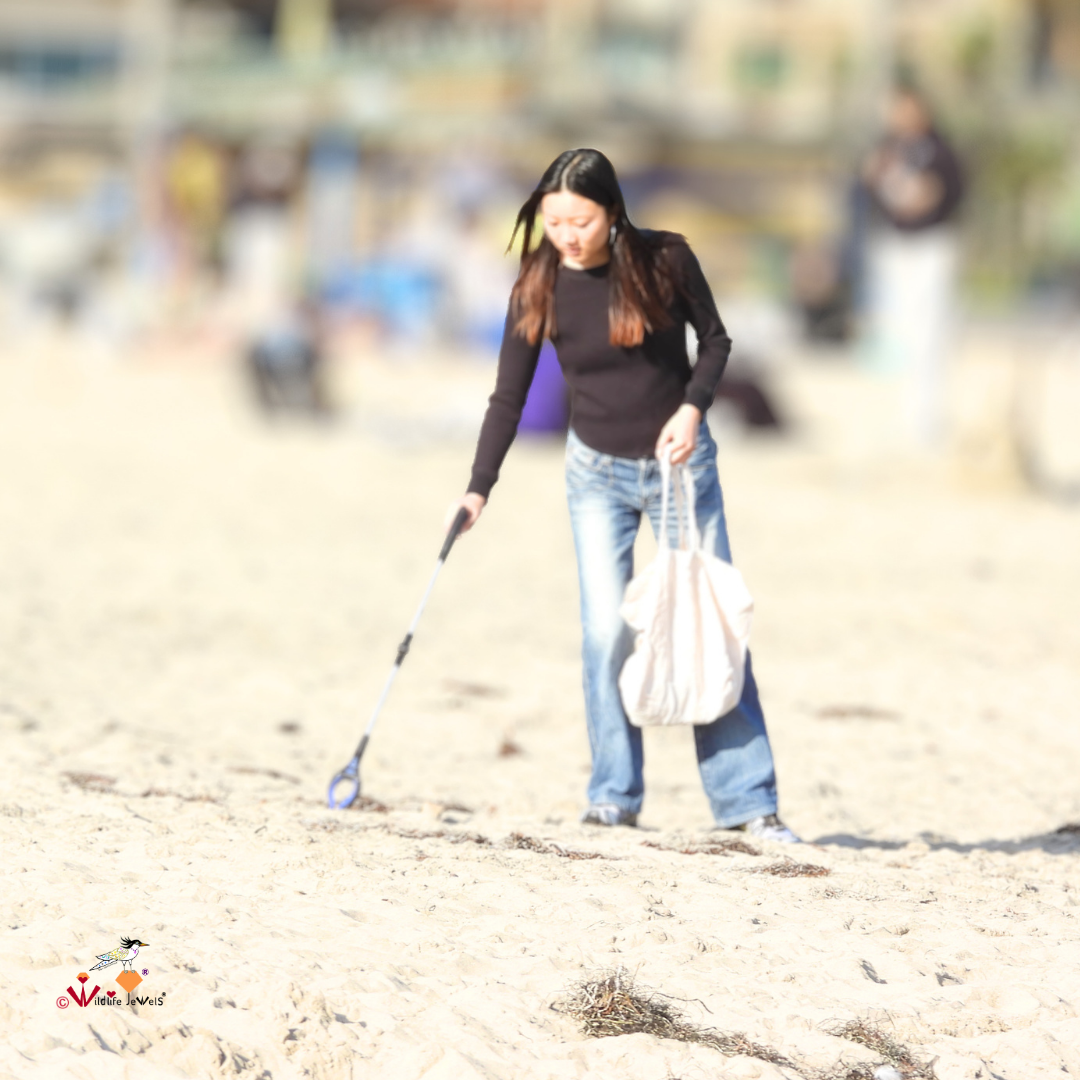
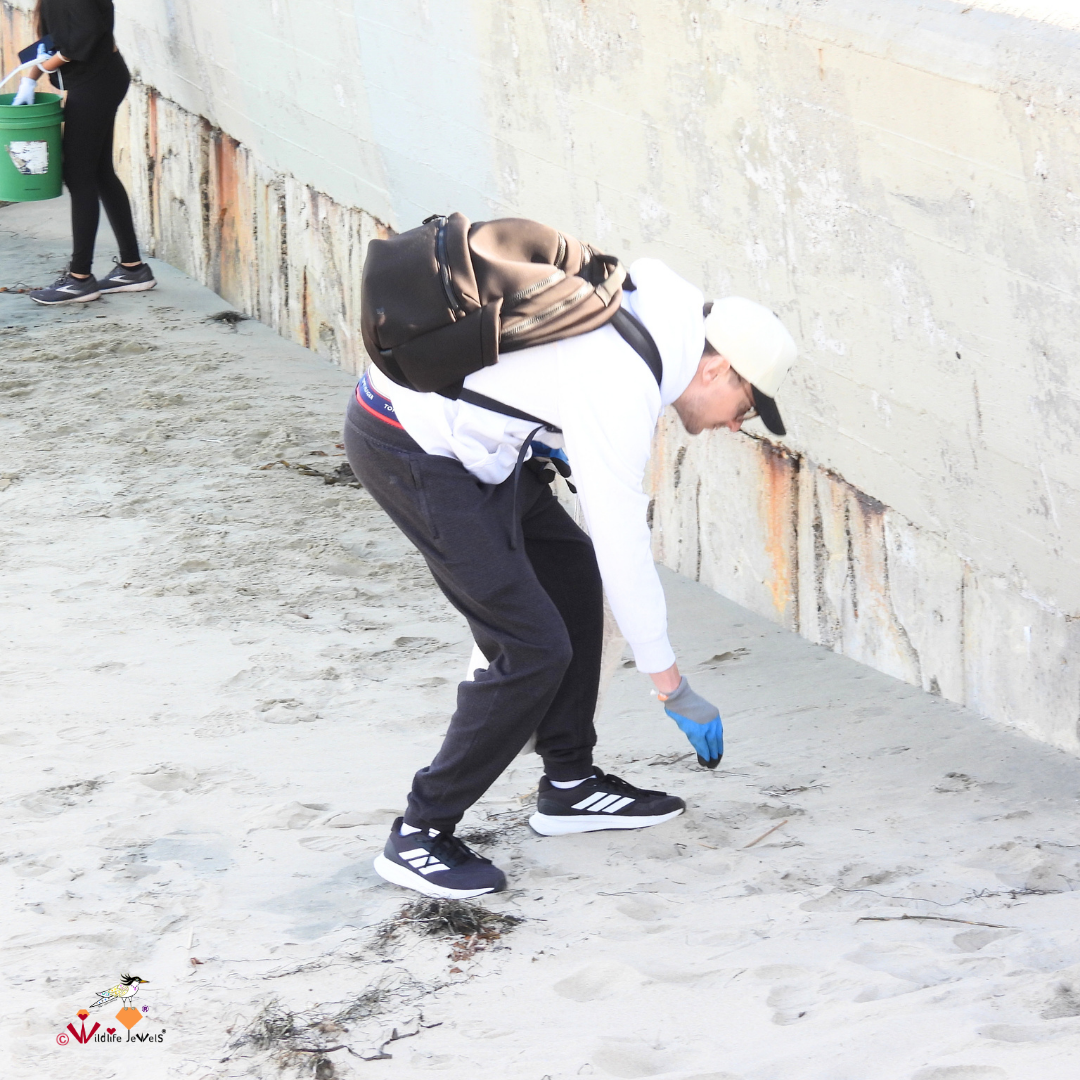
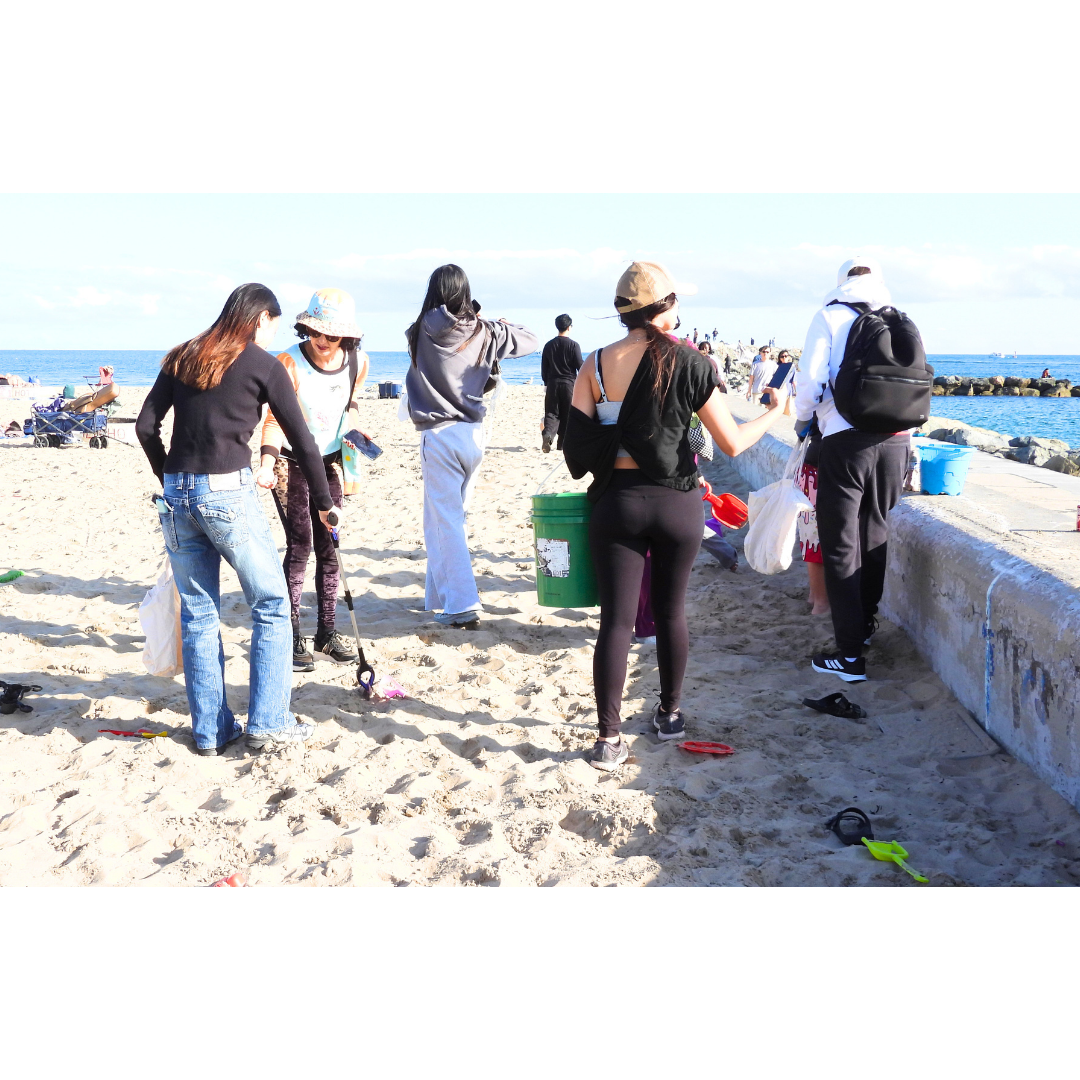
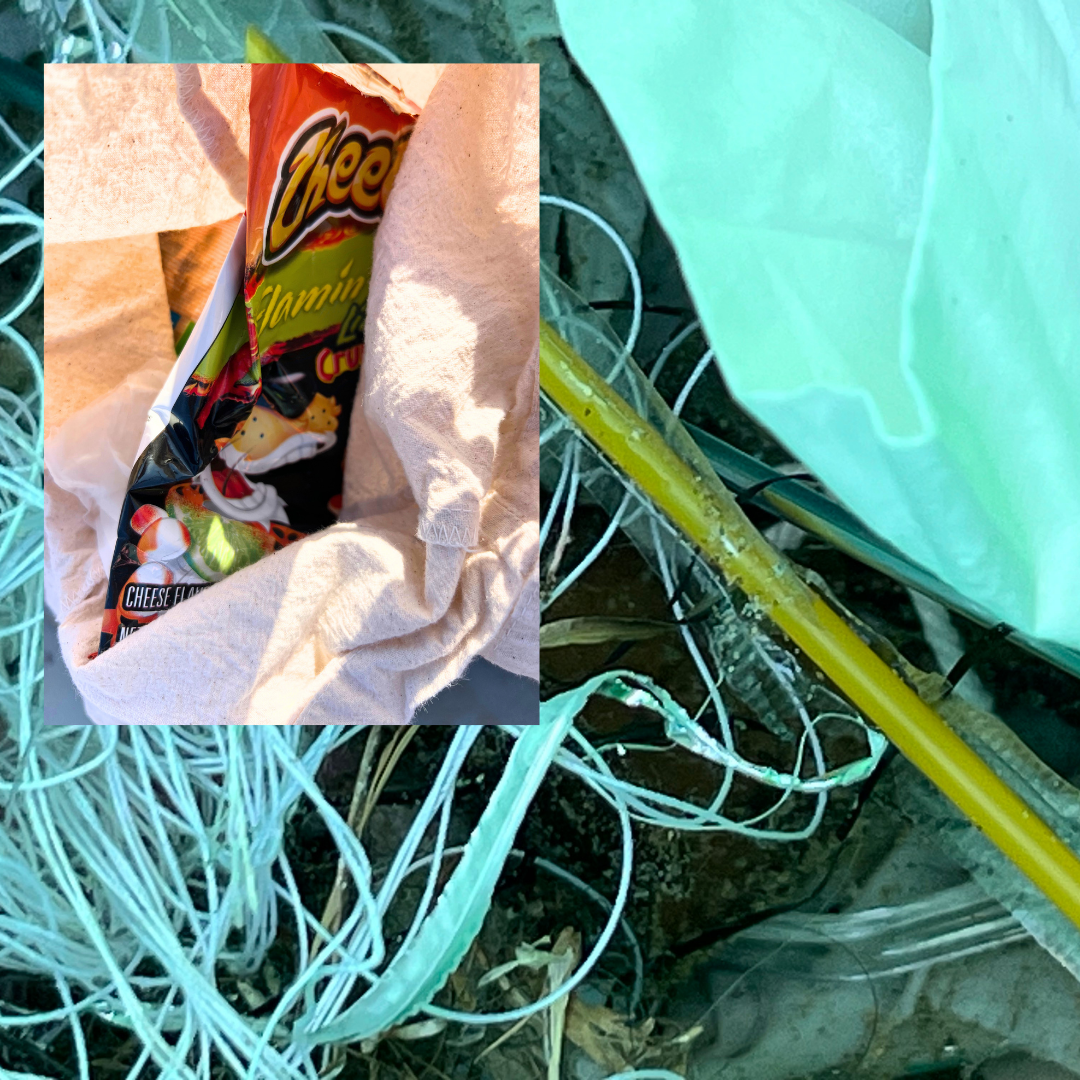
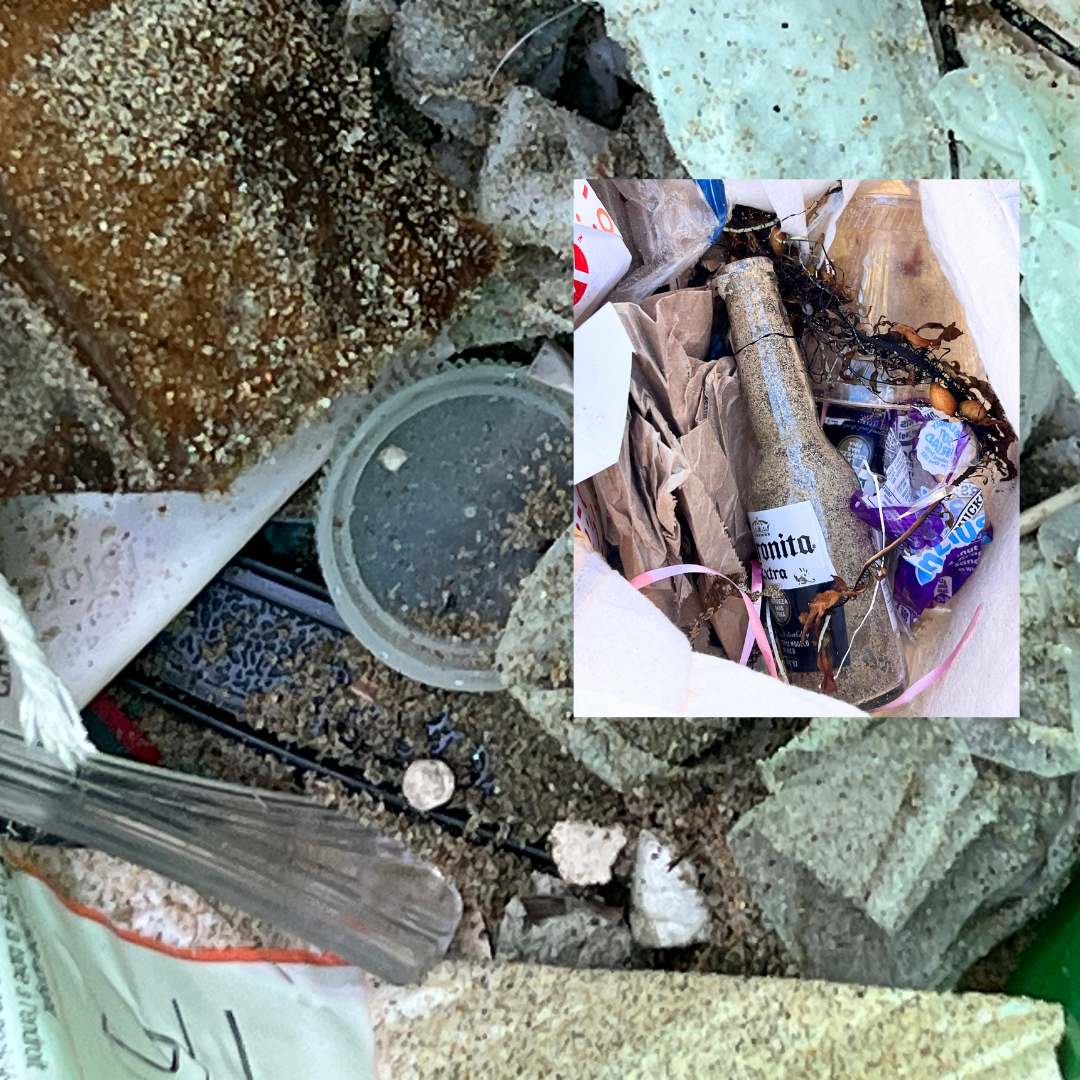
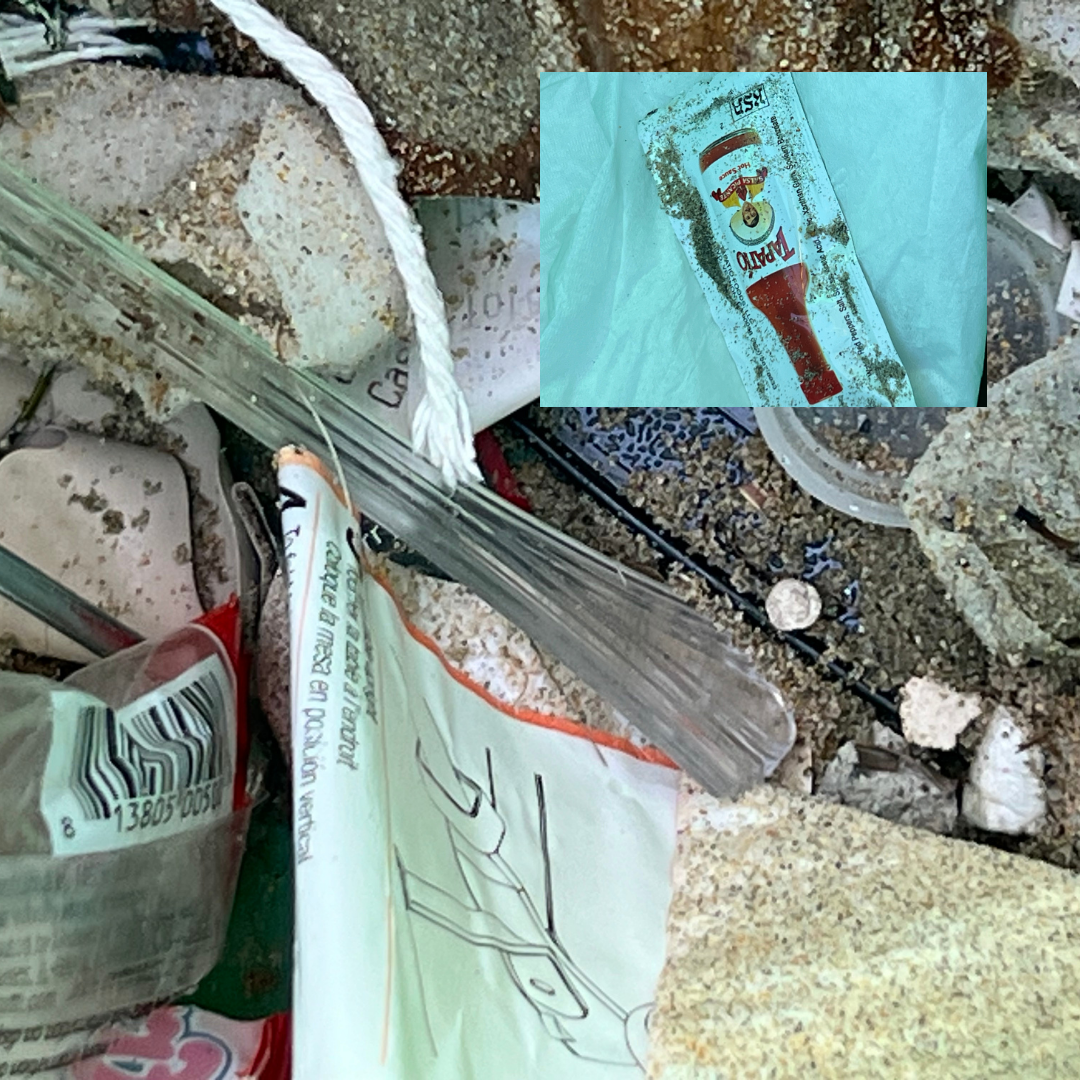
Volunteers removed debris that can injure, entangle, or poison seabirds and marine animals, including plastics, fishing line, glass, food wrappers, and coal fragments.
Learning in Action
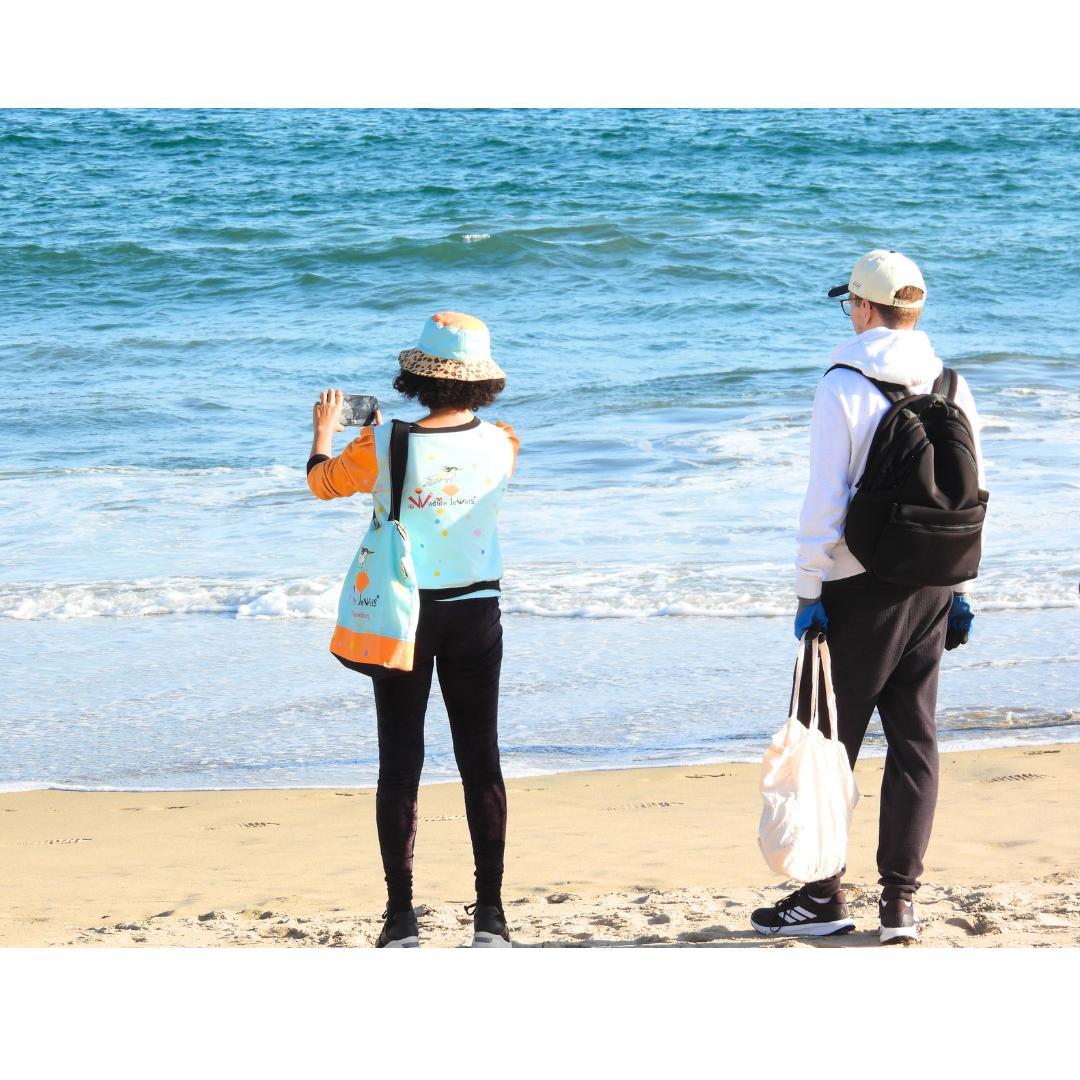
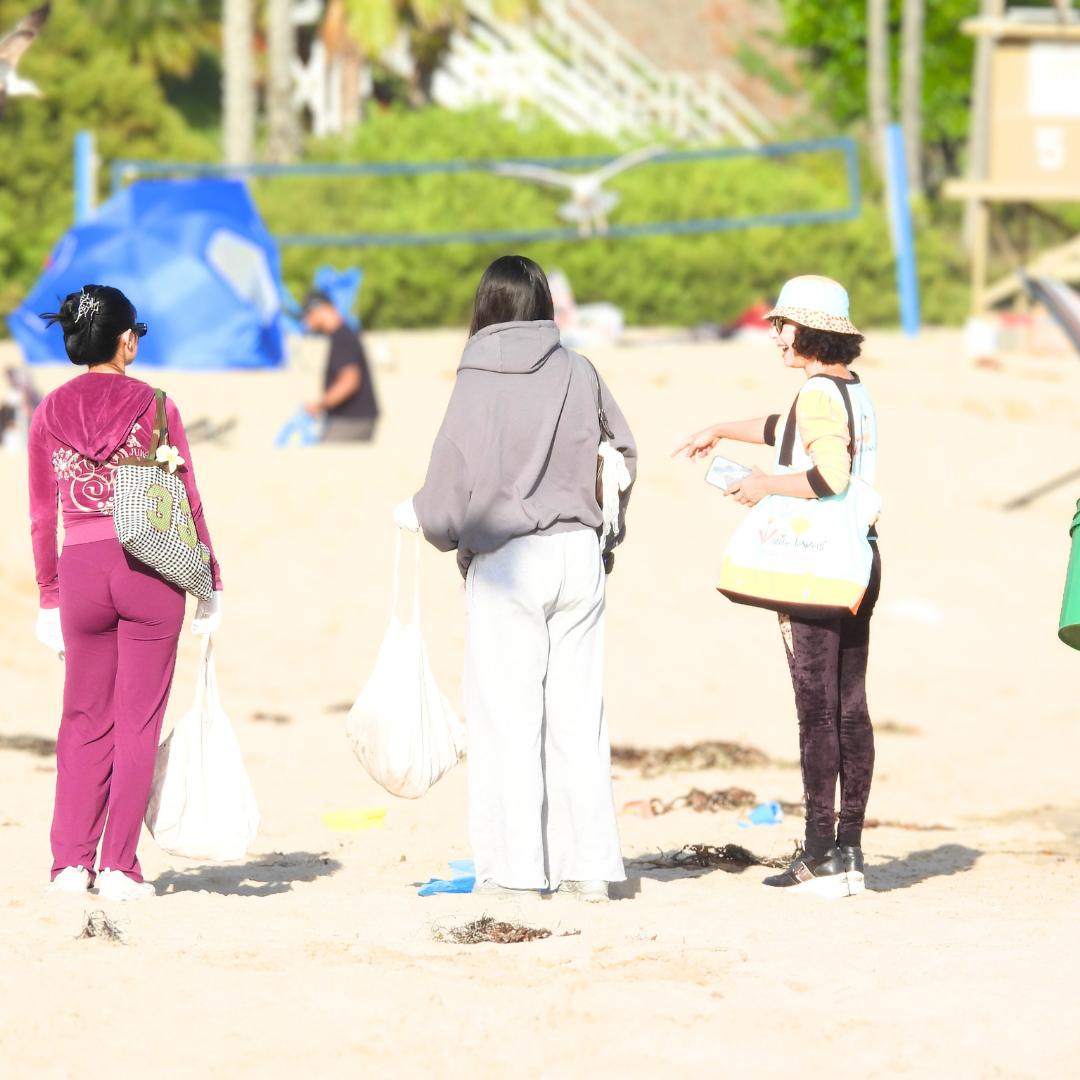
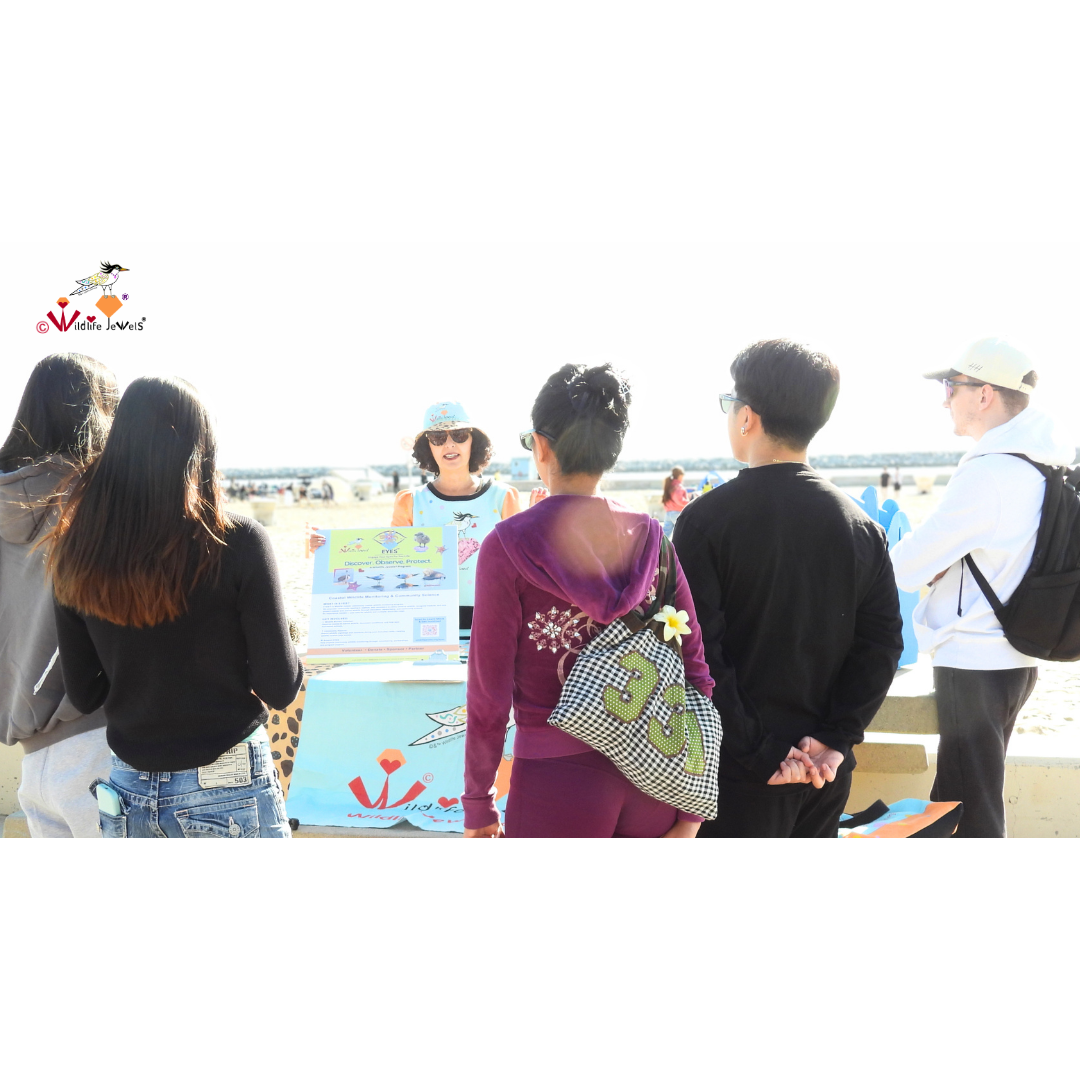
Throughout the cleanup walk, we shared information about the wildlife we observed, common coastal threats, and how everyday actions—like packing out trash and never feeding wildlife—can help prevent harm.
Threat Awareness
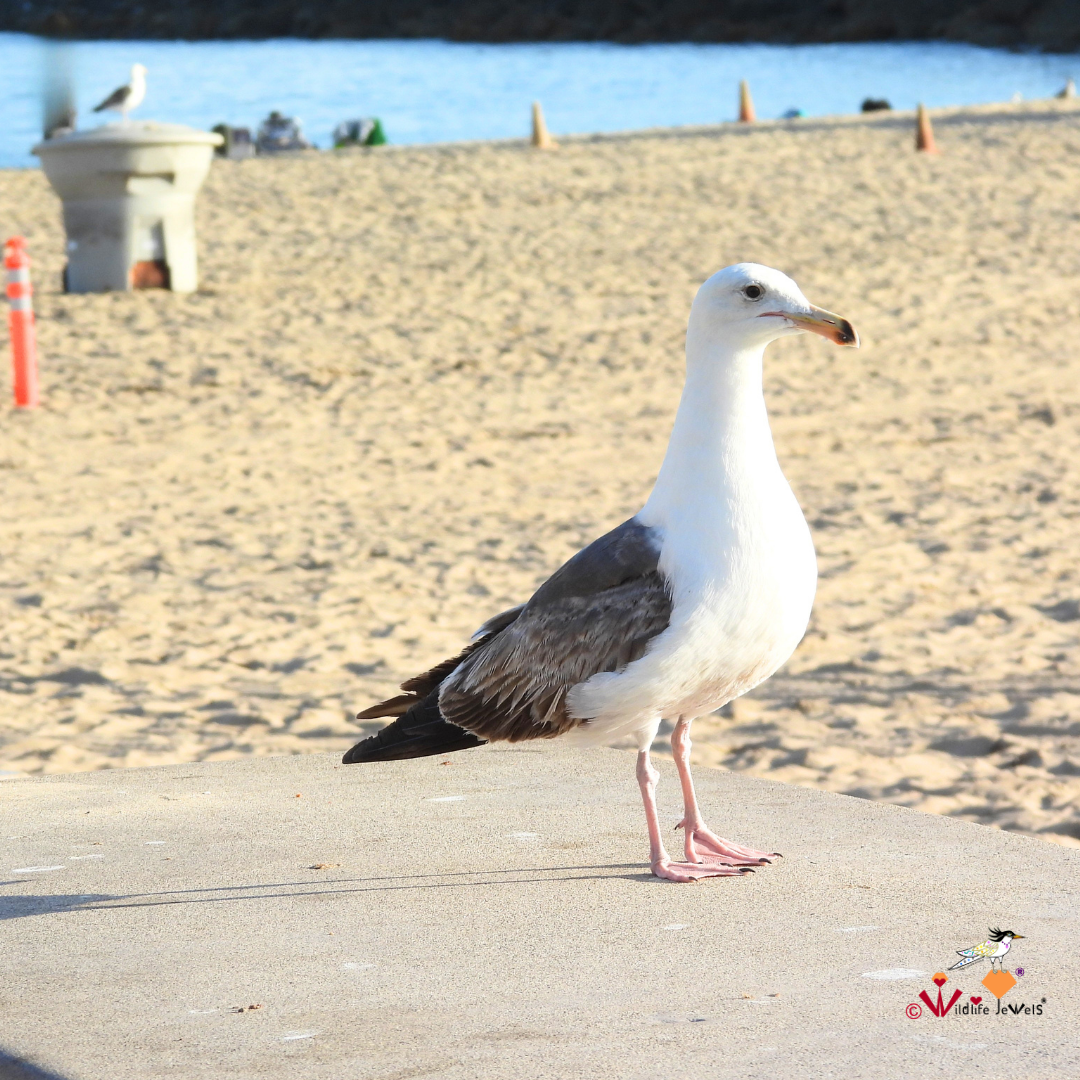
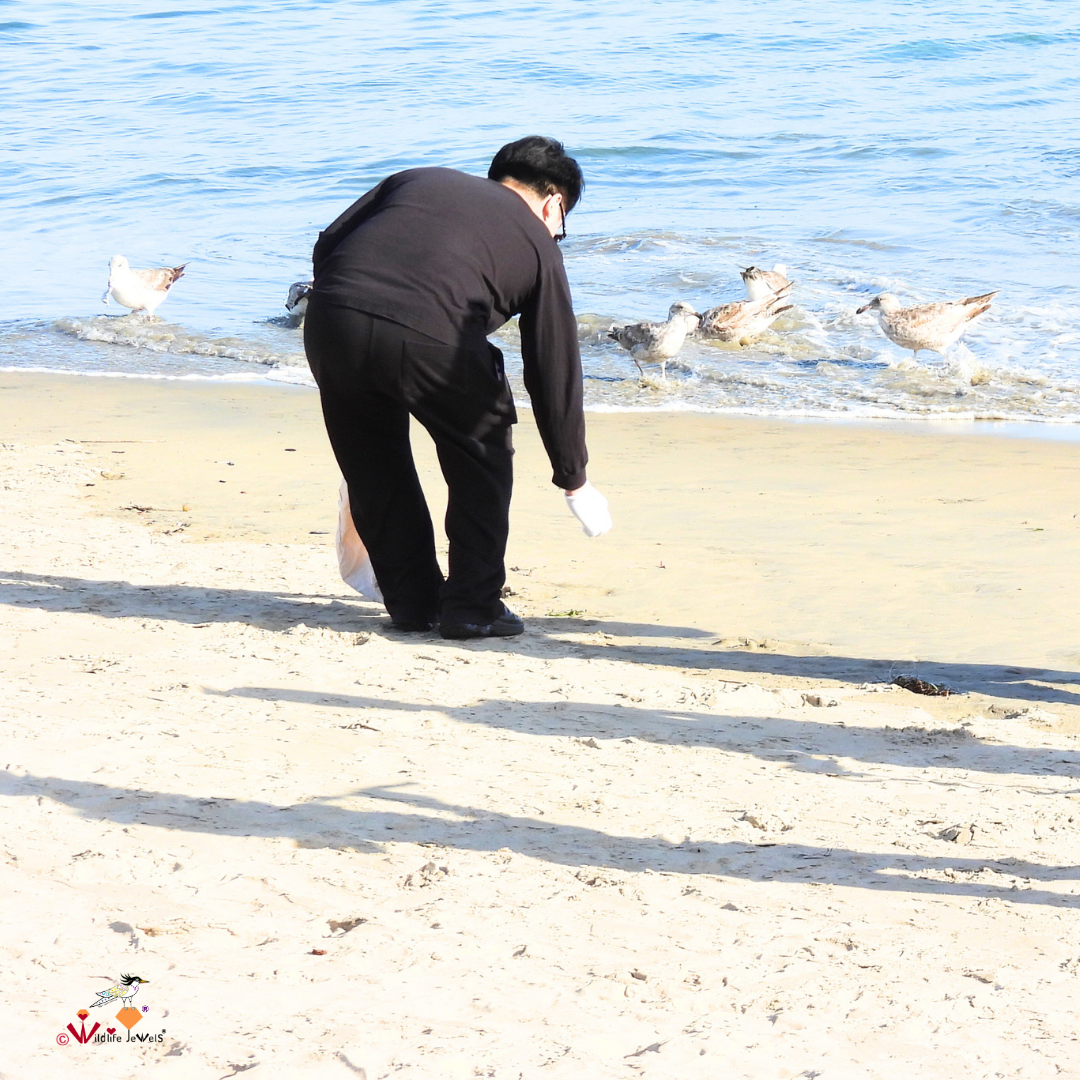
The day offered many real-time examples of the same threats we were discussing. We observed people feeding gulls on several occasions, and multiple gulls picked up plastic chip and candy bags while searching for food. In one moment, Wildlife Jewels’ Founder, Dr. Azi Sharif, waited carefully until a gull dropped a plastic food bag and quickly removed it before the bird could swallow it.
It was a powerful reminder that food waste and plastic pollution can become immediate dangers for wildlife.
What We Removed Together
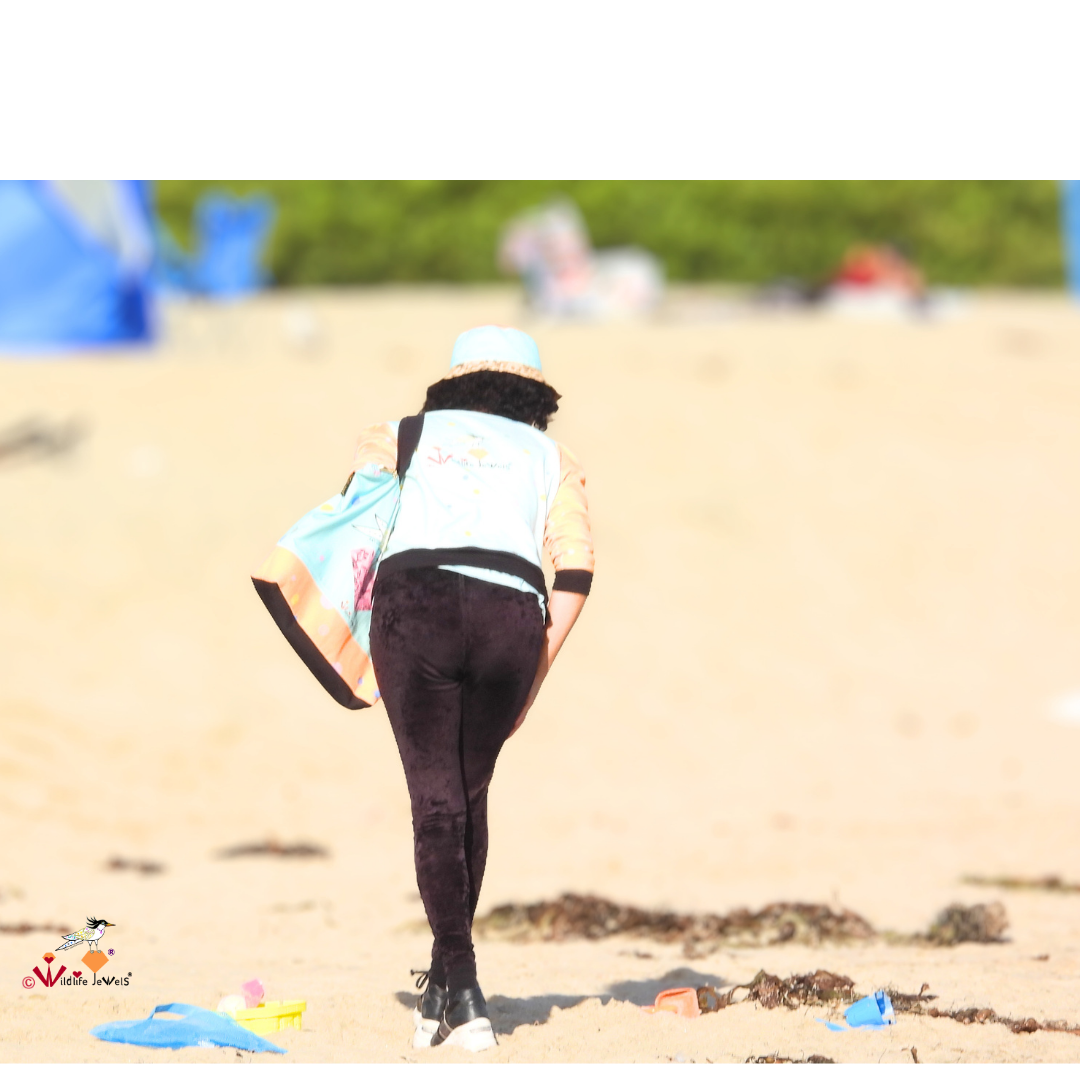
Volunteers collected a wide range of debris, including:
Fishing line and small plastics
Glass pieces and bottles
Food wrappers, candy wrappers, chip bags, and plastic packaging
Bottle caps, straws, and utensils
Coal, charcoal, and fire-pit debris
Foam, ribbons, and other litter
Each item removed helps reduce the risk of ingestion, entanglement, injury, and pollution along the coast.
Wildlife We Observed
During the event, participants had the opportunity to observe and learn about several coastal wildlife species, including:
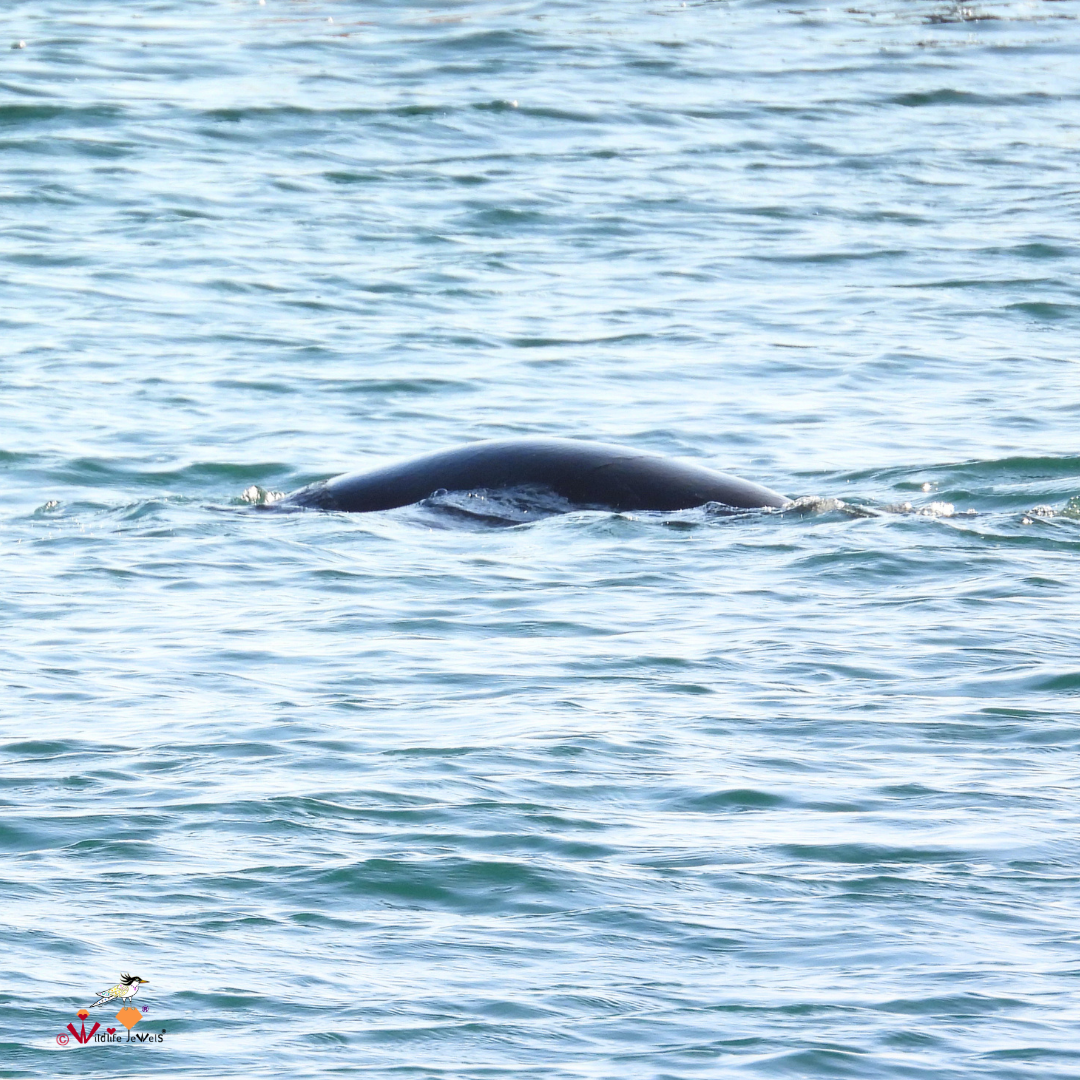
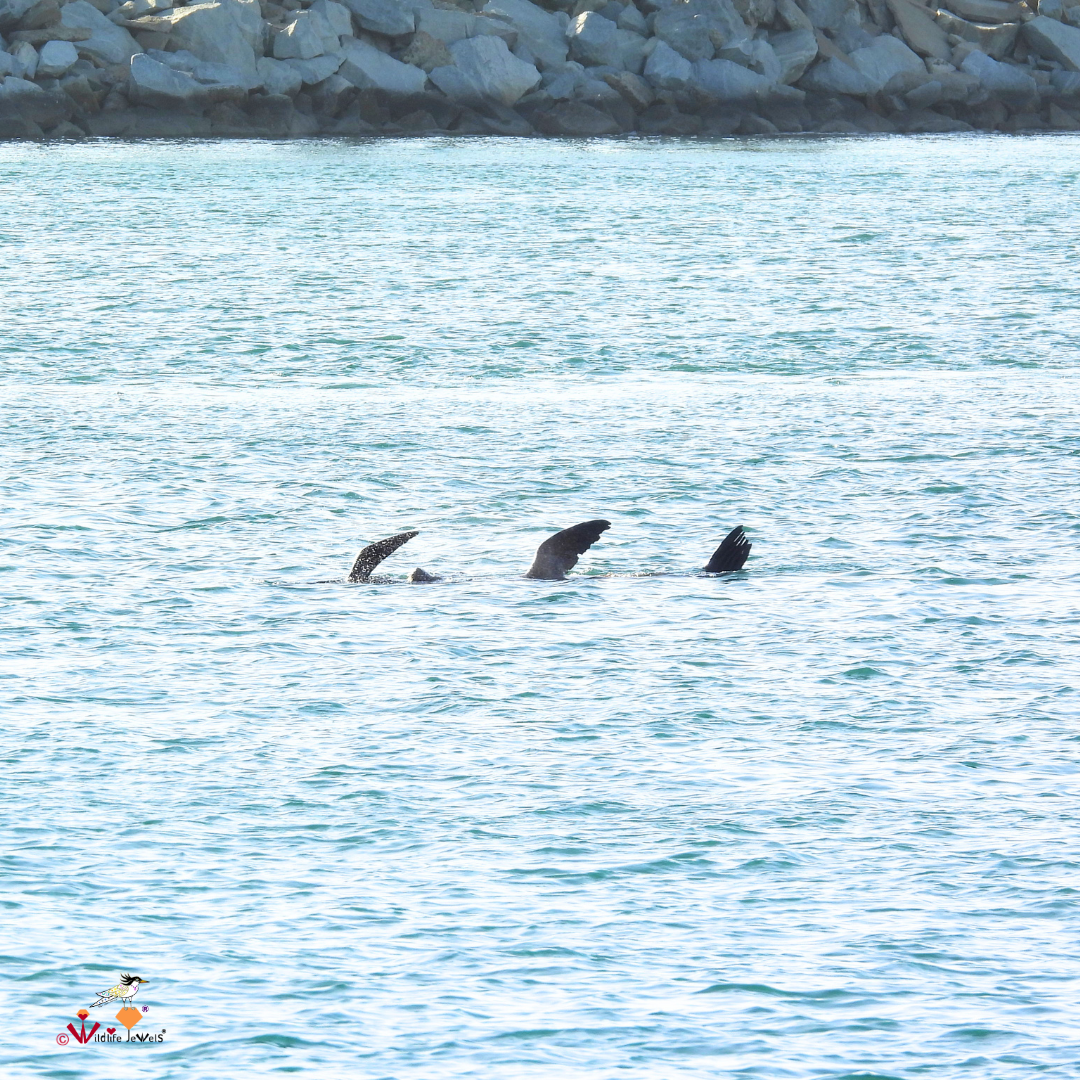
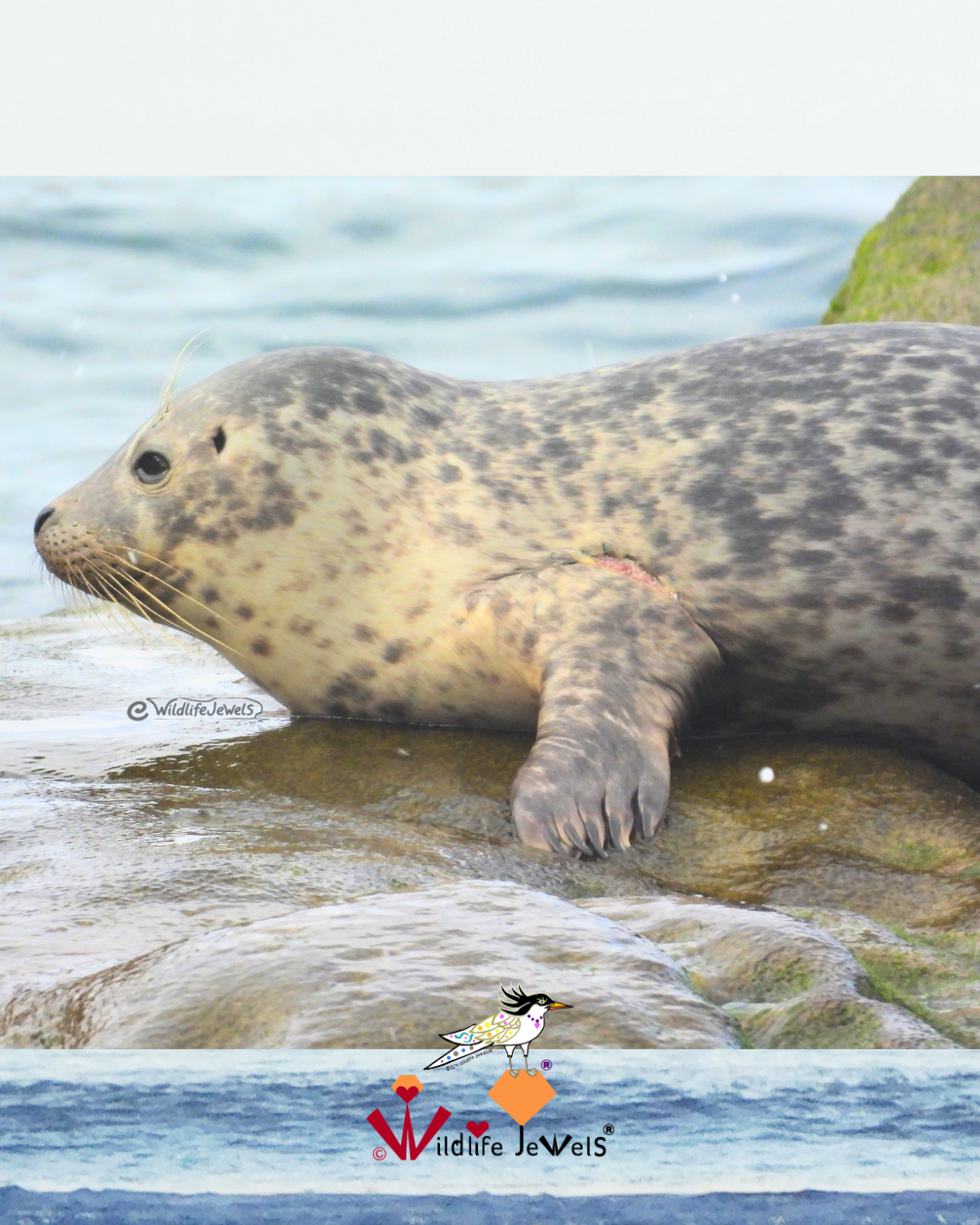
California sea lions
Elegant Terns
Western Gulls
Heermann’s Gulls
Brown Pelicans
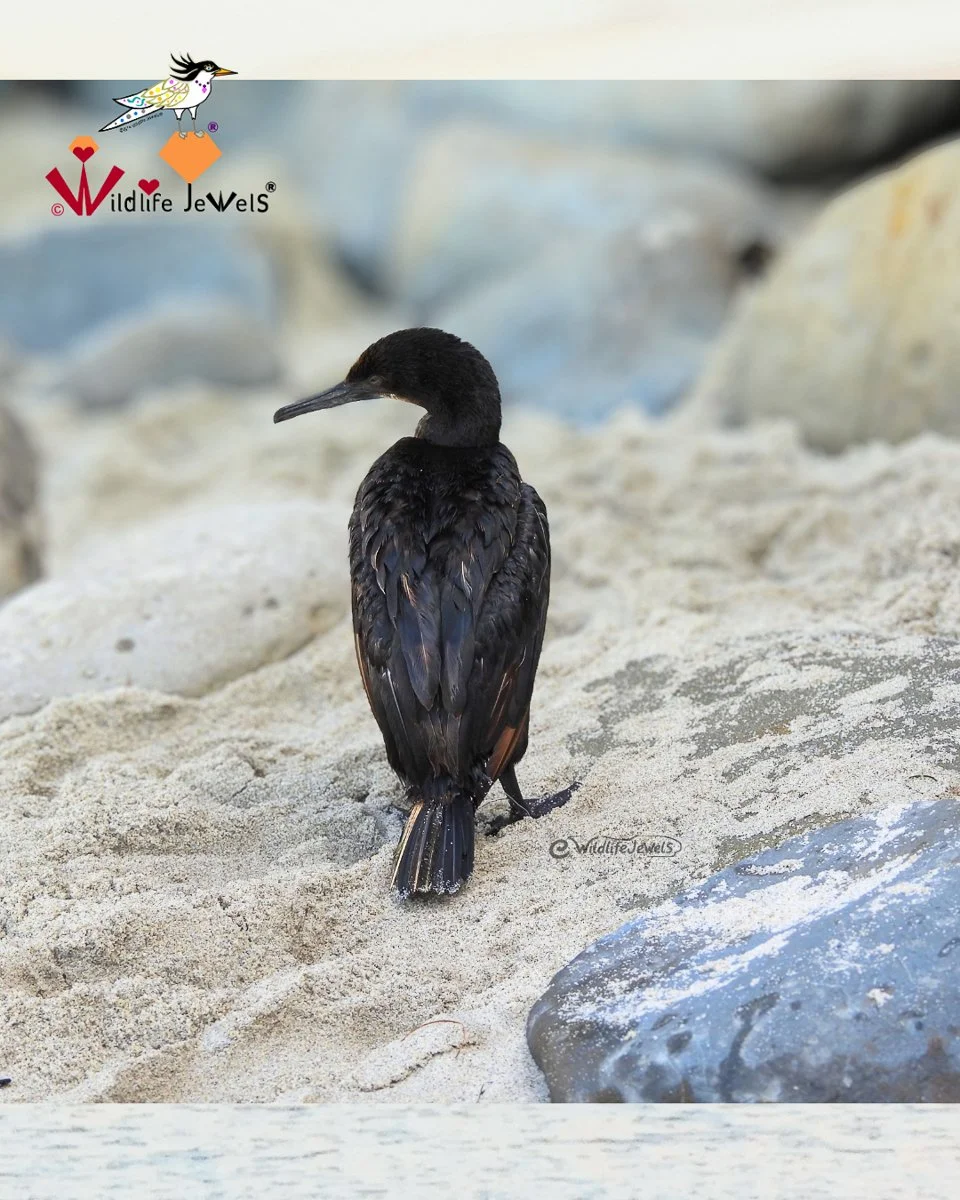
Double Crested Cormorants
Each sighting reminded us who we are working to protect.
A Close Call with Plastic
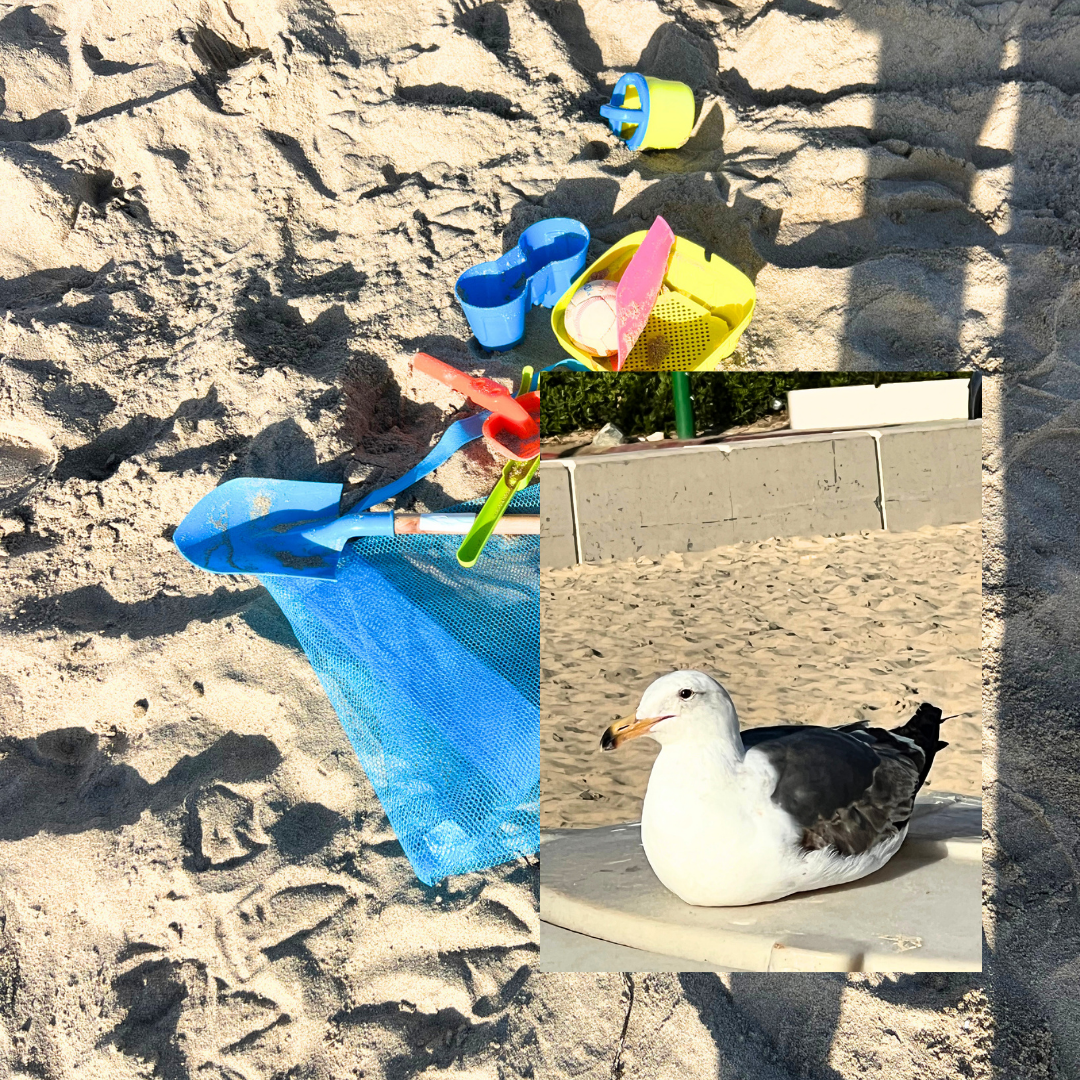
One of the most memorable moments of the day happened when gulls were seen picking up plastic food bags near beachgoers. These incidents showed exactly why it is so important to keep food waste, wrappers, and plastics off the beach.
Wildlife may mistake plastic for food or ingest plastic while trying to reach food residue. These preventable hazards can lead to serious injury, illness, or death.
Simple action: Never feed wildlife, and always pack out all food, wrappers, and trash.
Learn & Help: Fast Tips
Never feed wildlife. Feeding birds and marine animals can cause harm and encourage risky behavior near people, roads, and trash.
Pack it out. Take all food, wrappers, plastics, balloons, and gear with you.
Watch for fishing line. Fishing line is one of the most dangerous entanglement hazards for seabirds and marine life.
Respect wildlife. Observe from a safe distance and never chase, touch, or approach wild animals.
Report distressed wildlife. If you see injured, entangled, sick, or distressed wildlife along Orange County and San Diego coastline Report HERE
Get Involved
Join our Sweep for Wildlife Group
Join our EYES (Engage Your Eyes for Sea Life) Collective Group— Help us spot, document, and report distressed wildlife and threats to wildlife as volunteer or as a community reporter on your regular beach walks.
Learn how to join the Wildlife Jewels Rescue Crew— Help us rescue distressed coastal wildlife.
Volunteer with Wildlife Jewels — Outreach, Education & Arts Committees. Help with events, school programs, and creative projects that inspire our community to protect wildlife.
Some of the highlights from the day!
Meet Wildlife Jewels Selenite Crystal the Gull ✨

Selenite Crystal the Gull, April 2025 at CDM State Beach

One of our dedicated volunteers spotted a precious bird with one missing foot and the other entangled in fishing line.
December 15th 2024, Corona del Mar State Beach
Fishing Gear
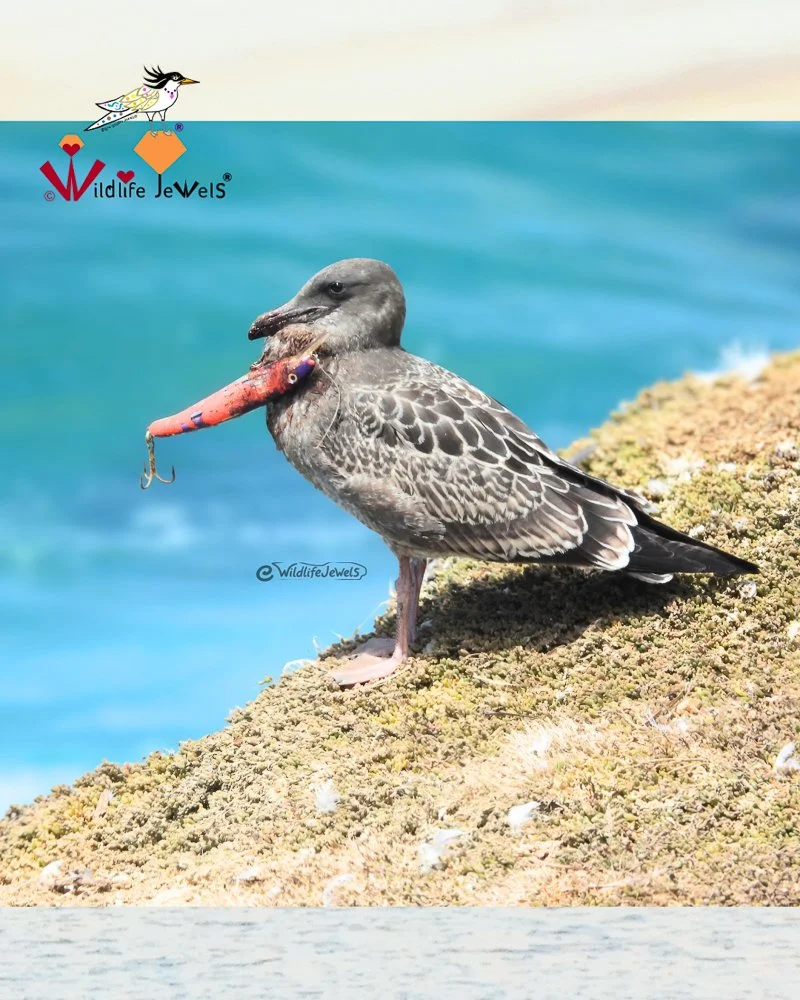
Every day, countless seabirds, sea turtles, and marine mammals suffer injuries or lose their lives due to entanglement in fishing lines and hooks. This includes the tragic consequence of swallowing fishing hooks.
Hooks and lines caught in debris can lead to devastating entanglements for animals, causing injuries to legs, wings, and beaks of birds. A single hook caught in a beak or mouth can be devastating leading to starvation and death.
Thanks to the dedication of our participants, we were able to locate and remove fishing lines and at least one fishing hook during our clean-up in Corona Del Mar. This debris poses a significant threat to seabirds and shorebirds, especially as lines and hooks become ensnared in branches and seaweed along the shoreline— where these birds search for food.
By picking up debris, even just one fishing hook, you are making a difference saving wildlife!


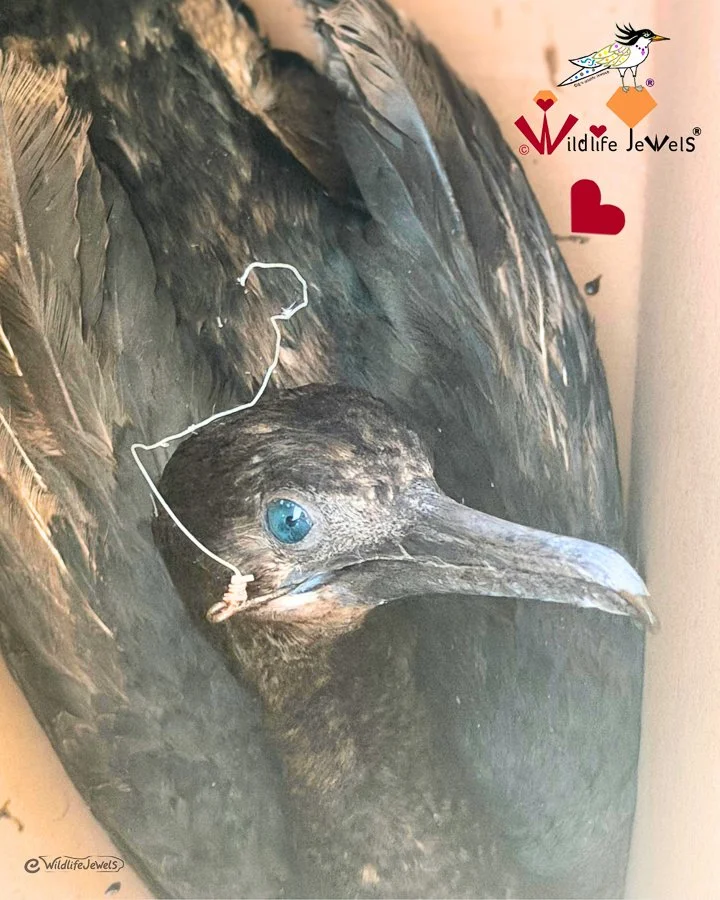

Follow the remarkable rescue of an entangled Brown Pelican at Crystal Cove, from fishing-gear injuries through rehabilitation to his return to the wild.